The US military has carried out maritime strikes that officials say aim to curtail drug trafficking; those strikes have killed 121 people and destroyed 39 boats. The administration told Congress it considers the campaign an "armed conflict" with cartels beginning Sept. 2 and describes the dead as "unlawful combatants," a legal position critics dispute. Several survivors were reported, and searches by the US Coast Guard and Mexican Navy followed the strikes. The administration has not publicly released evidence showing narcotics aboard the targeted vessels.
Timeline: US Maritime Strikes That Killed 121 and Sank 39 Boats
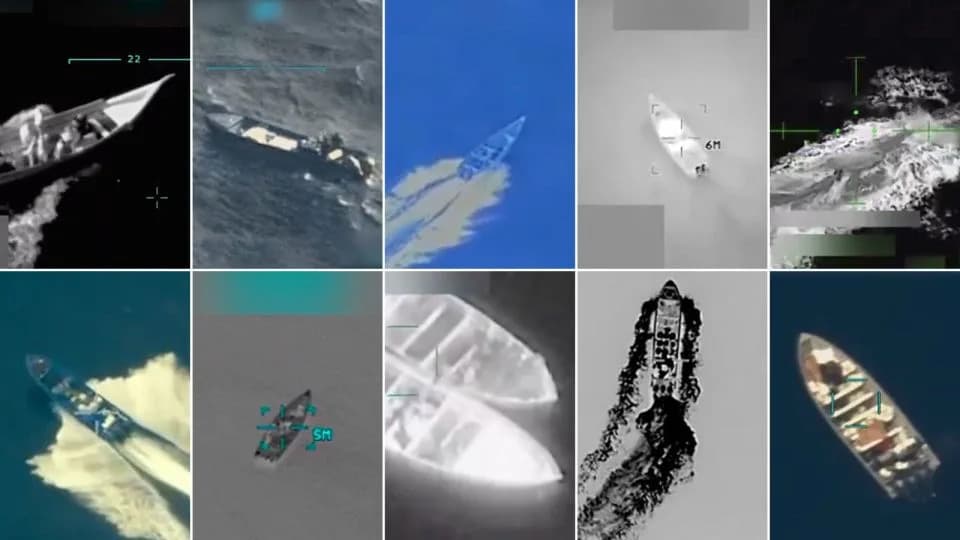
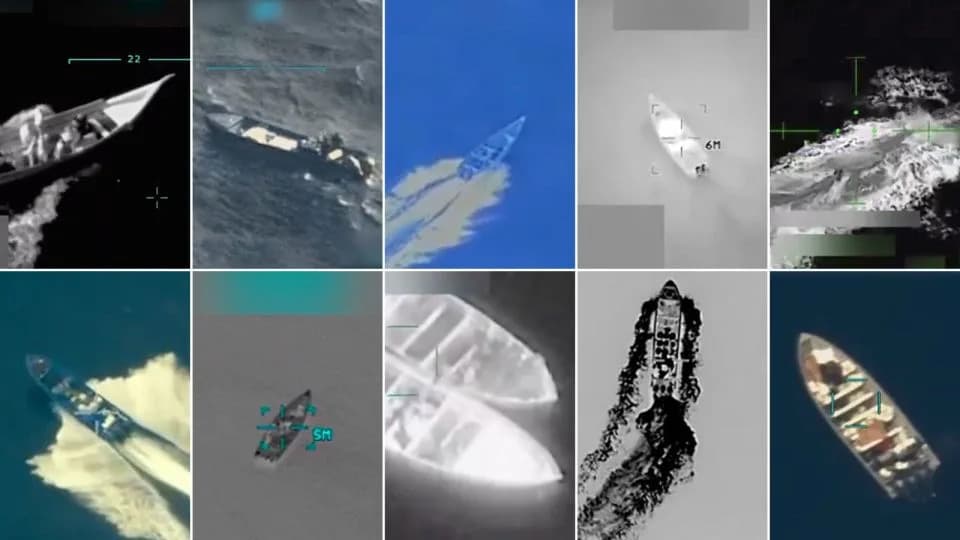
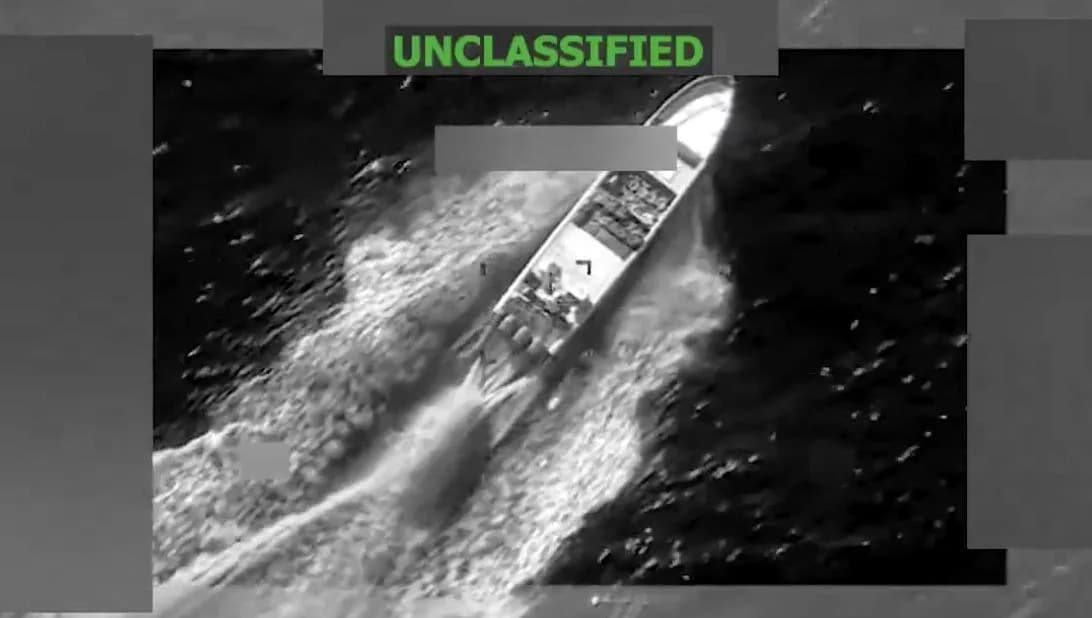
This grid of images shows 10 of the incidents in which the US military has targeted boats in international waters, from September 2 to October 29. - Pete Hegseth/X/Donald Trump/Truth Social
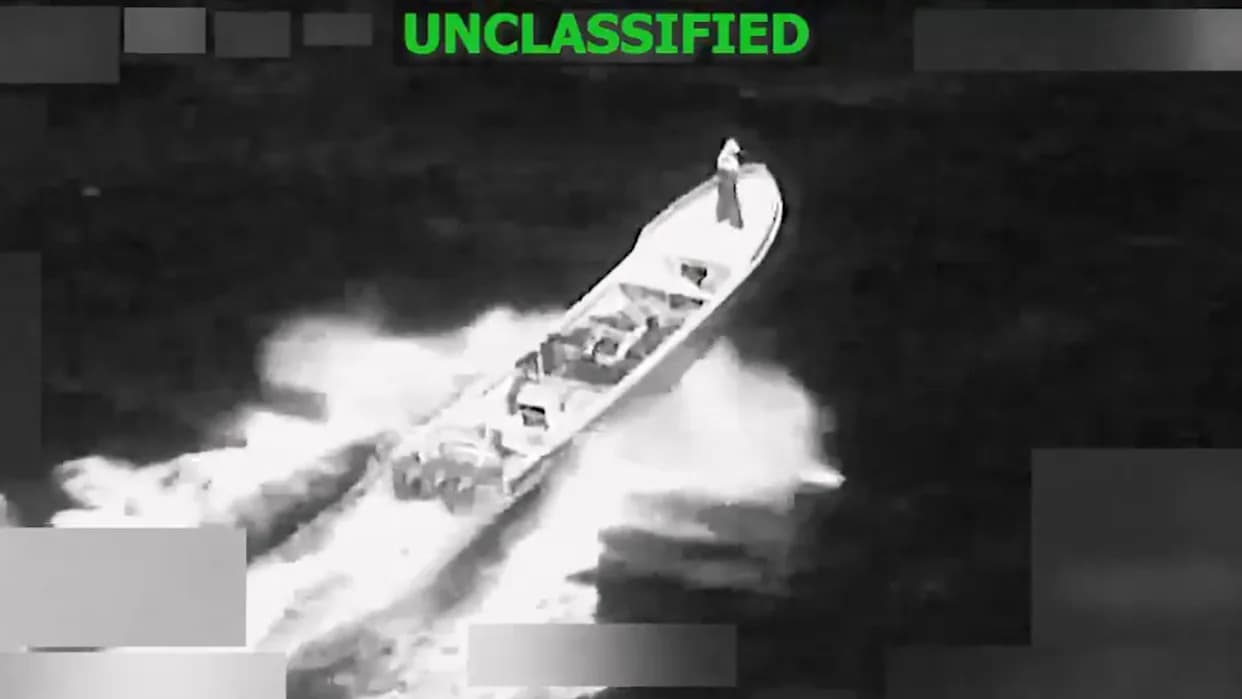
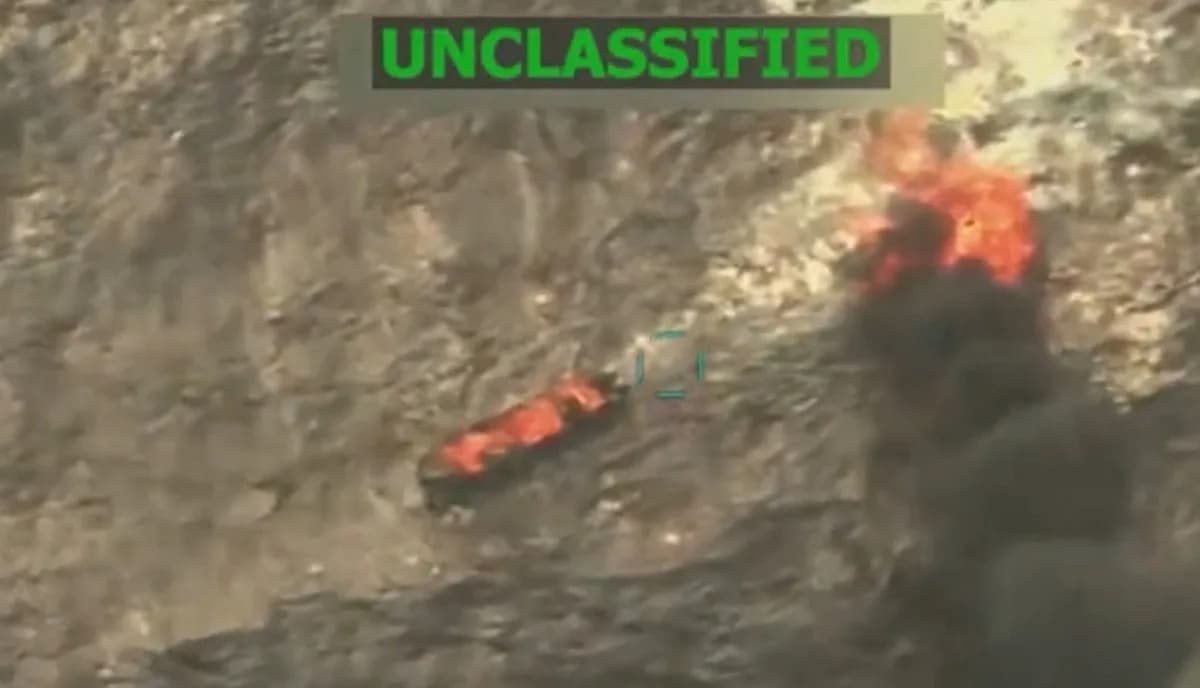
The US military has carried out a series of maritime strikes that officials say were intended to disrupt the flow of drugs into the United States. Those strikes have killed 121 people and destroyed 39 vessels, according to reporting by multiple outlets.
Timeline And Search Operations
The campaign began with a strike on Sept. 2, which the administration says marked the start of an "armed conflict" with drug cartels. A notable strike on Dec. 30 occurred in international waters; the US Coast Guard launched a search for survivors and suspended that particular search on Jan. 2. Separately, the Coast Guard opened another search for a survivor of a boat strike on Jan. 23.
There have been several reported survivors. Two people were briefly detained by the US Navy and later returned to their home countries. Another person is now presumed dead after a search conducted by the Mexican Navy.
Legal And Political Debate
The Trump administration has informed Congress that the United States is in an "armed conflict" with drug cartels beginning with the Sept. 2 strike. Officials have described those killed as "unlawful combatants" and cited a classified Justice Department finding to argue that lethal force may be used without traditional judicial review.
That legal classification has been questioned by some members of Congress and human rights organizations. Critics argue that suspected traffickers should be arrested and prosecuted — the approach that guided US interdiction policy before this campaign — rather than targeted for lethal strikes.
Evidence And Military Position
The administration has not publicly released evidence demonstrating that narcotics were aboard the vessels struck or that the boats were formally connected to named cartel organizations. Military officials say no US service members have been harmed in the operations.
Open Questions
- What evidence, if any, links the targeted vessels to narcotics shipments or organized cartel activity?
- How will the legal basis for these strikes be reviewed, and will Congress or courts receive access to the classified finding cited by the administration?
- What changes, if any, will be made to search-and-rescue procedures and post-strike transparency?
Note: This story has been updated with additional reporting.
Help us improve.