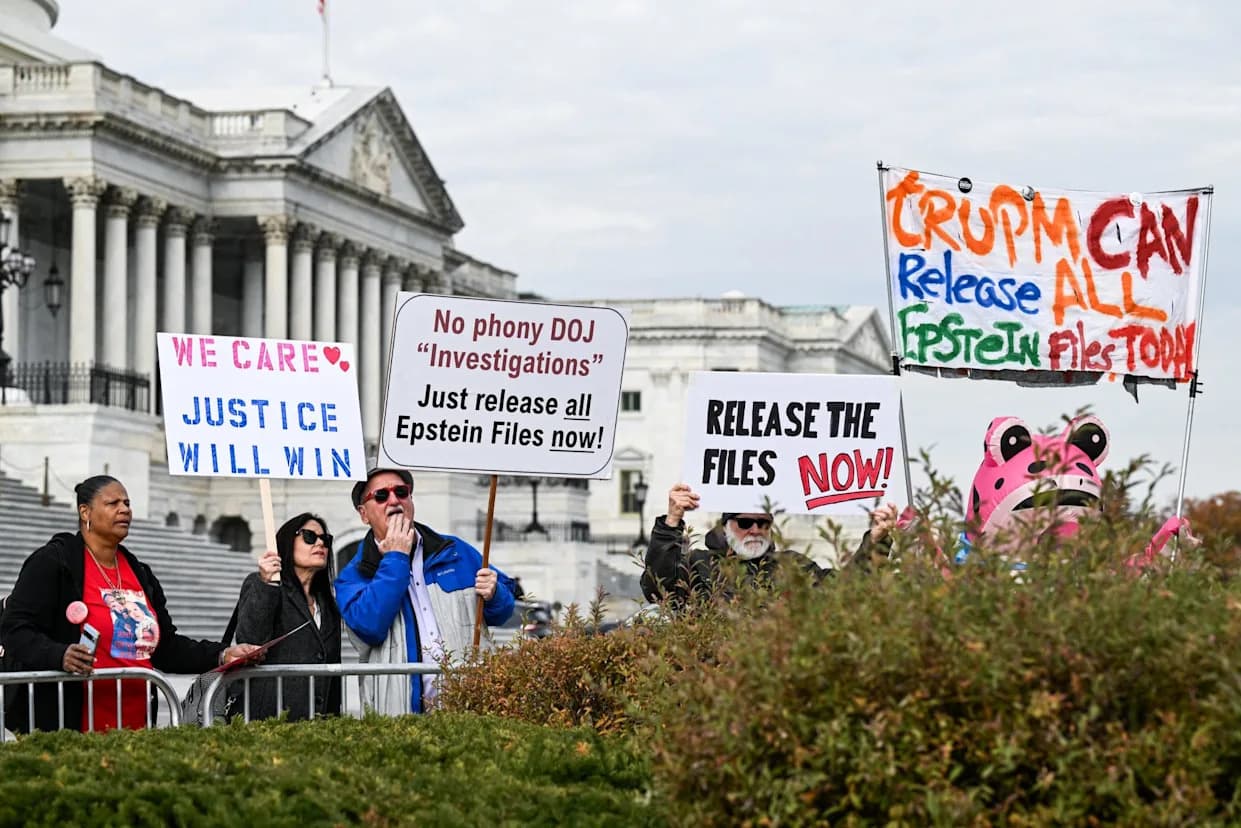
The Justice Department is under renewed scrutiny after lawmakers reviewed unredacted Epstein-related files and reported suspicious redactions that obscured names of non-victims. Ghislaine Maxwell’s lawyer publicly proposed clemency in exchange for full testimony, a move that intensified public mistrust. Europe has seen faster institutional and political consequences, while U.S. responses have so far been mainly reputational, raising fresh questions about accountability and the treatment of survivors.
US Epstein Reckoning Hits New Roadblocks as Europe Advances: Redactions, Clemency Offer and Political Fallout
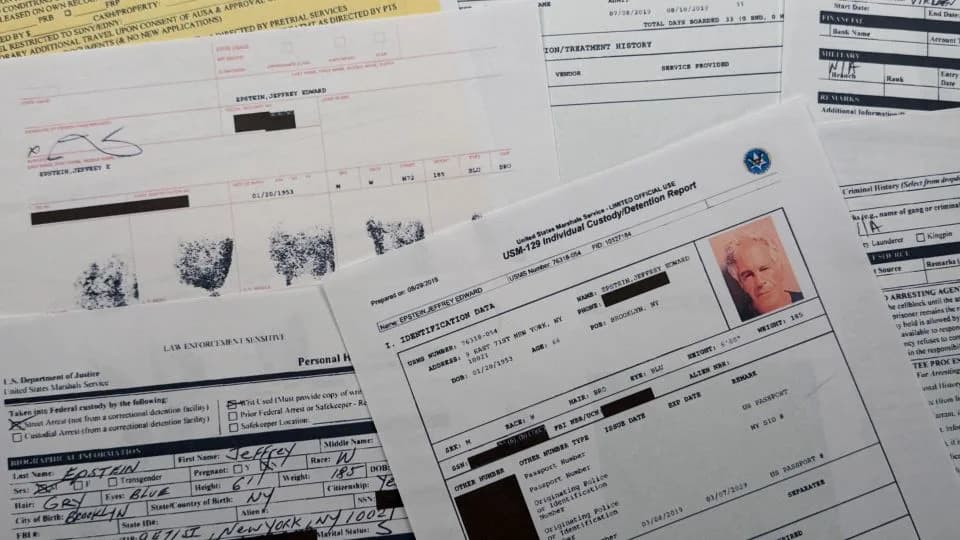
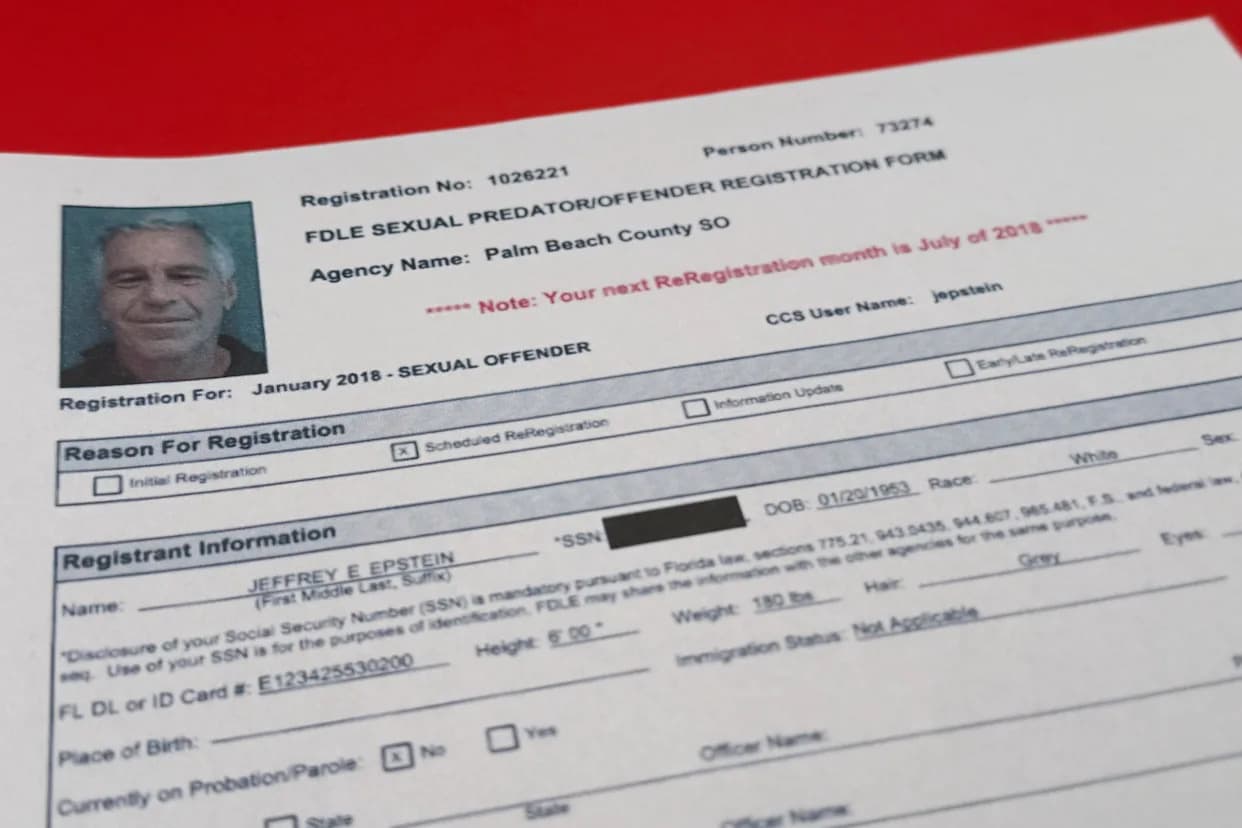
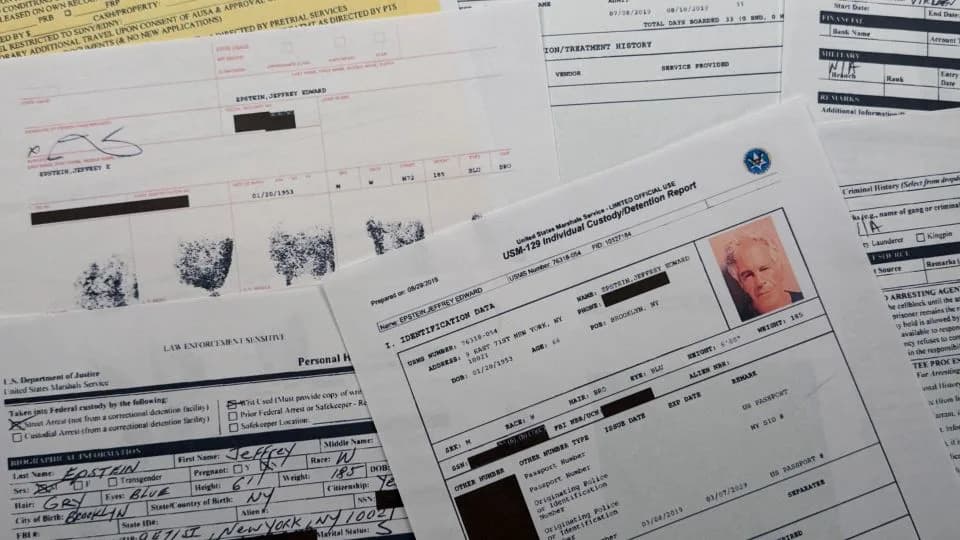
Documents included in the Jeffrey Epstein files photographed on Sunday, February 1, 2026. - Jon Elswick/AP
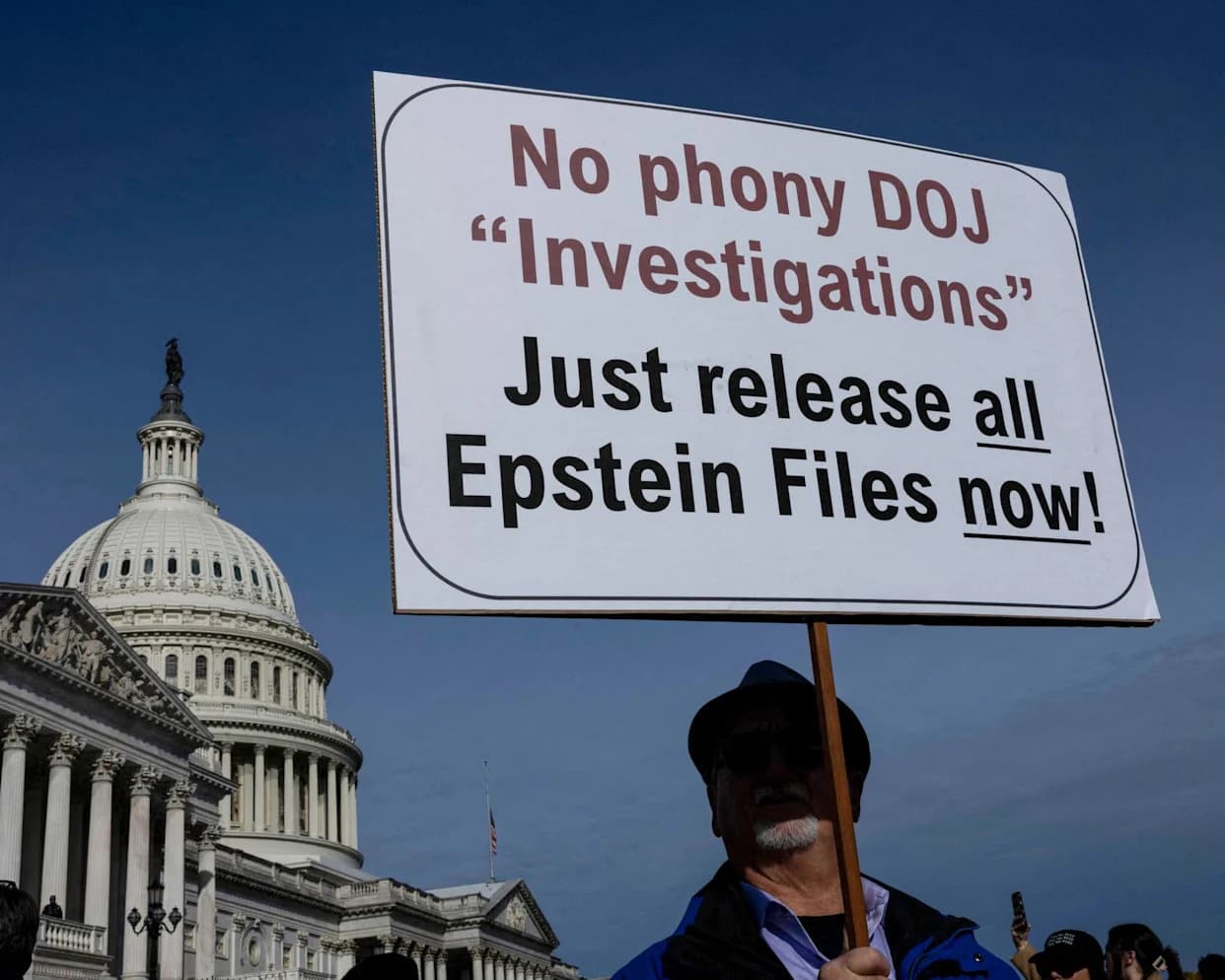
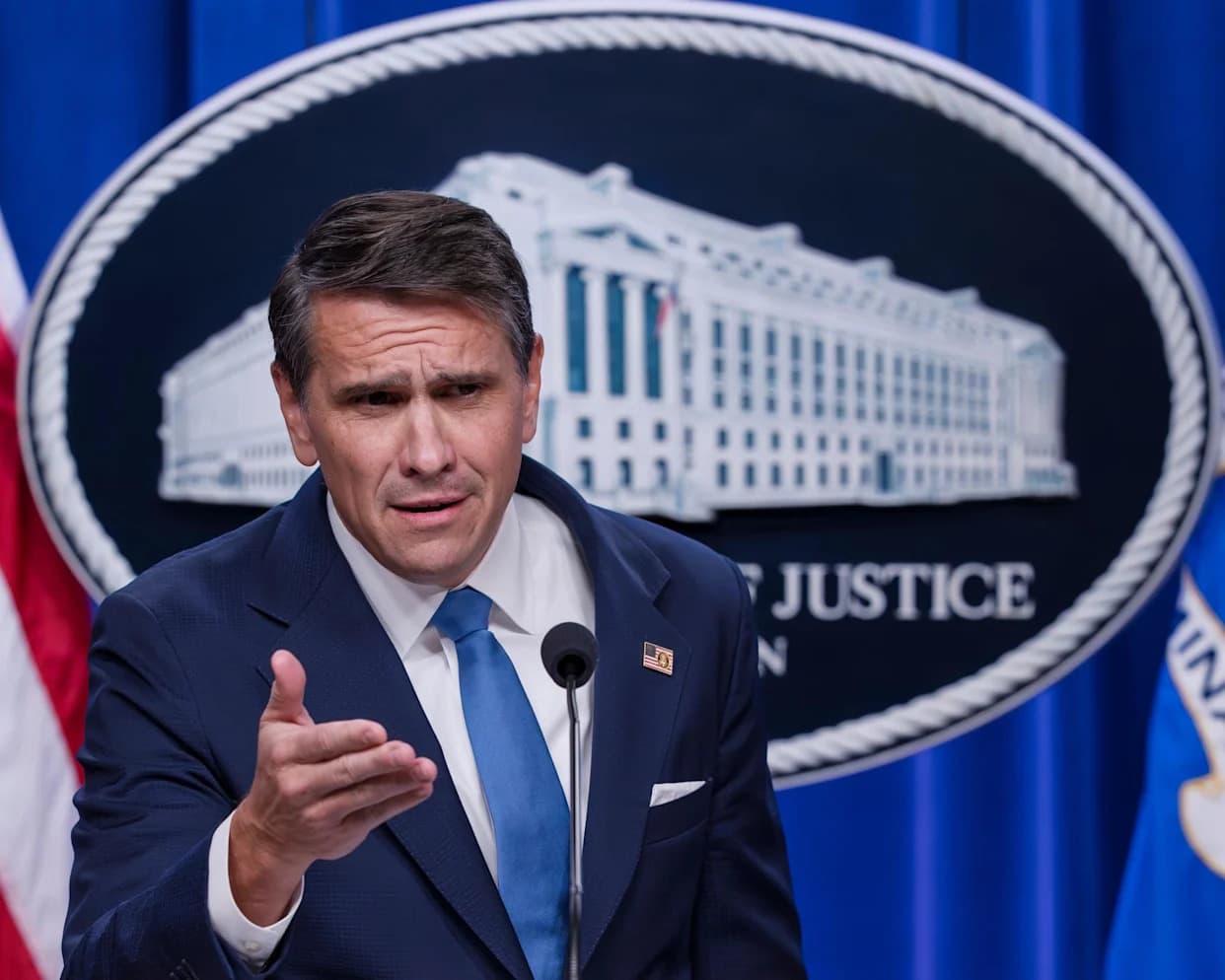
Deputy Attorney General Todd Blanche’s recent assurance that the Justice Department was not shielding anyone — including former President Donald Trump — is facing fresh scrutiny after new developments in the Jeffrey Epstein affair.
Lawmakers Review Unredacted Files
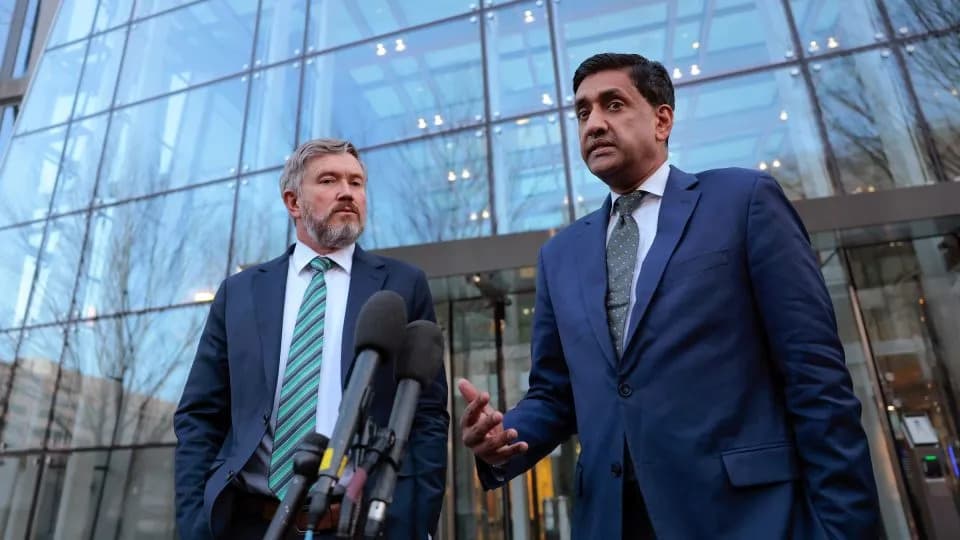
Members of Congress were shown unredacted versions of documents that had previously been released to the public with heavy redactions. Several lawmakers said they found puzzling redactions that obscured names of people who did not appear to be victims.
“We didn’t want there to be a cover-up, and yet what I saw today was that there were lots of examples of people’s names being redacted when they were not victims,” said Rep. Jamie Raskin (D-Md.).
Other lawmakers described similar concerns. Rep. James Walkinshaw (D-Va.) said he saw names in emails to and from Epstein that suggested potential involvement in crimes, and Rep. Jared Moskowitz (D-Fla.) said he saw references to co-conspirators and alleged trafficking across borders.
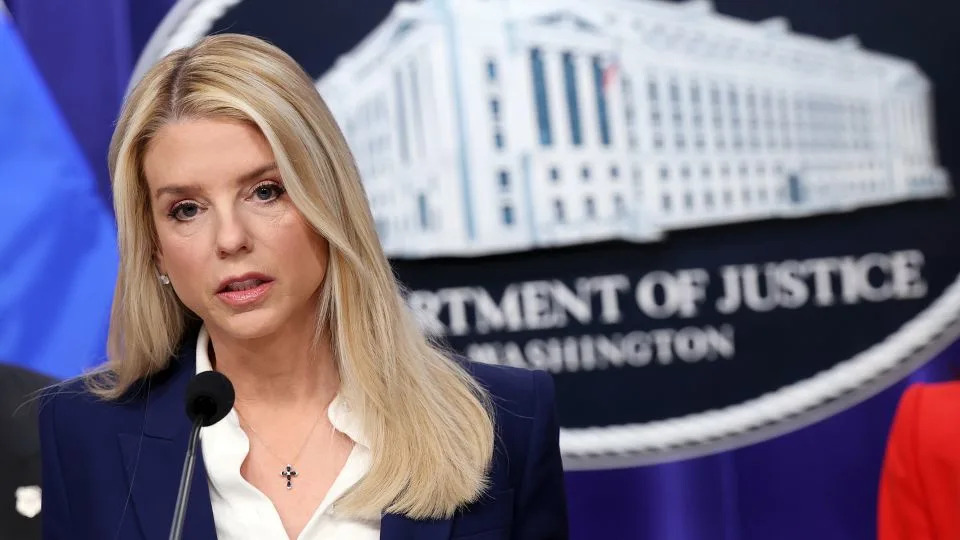
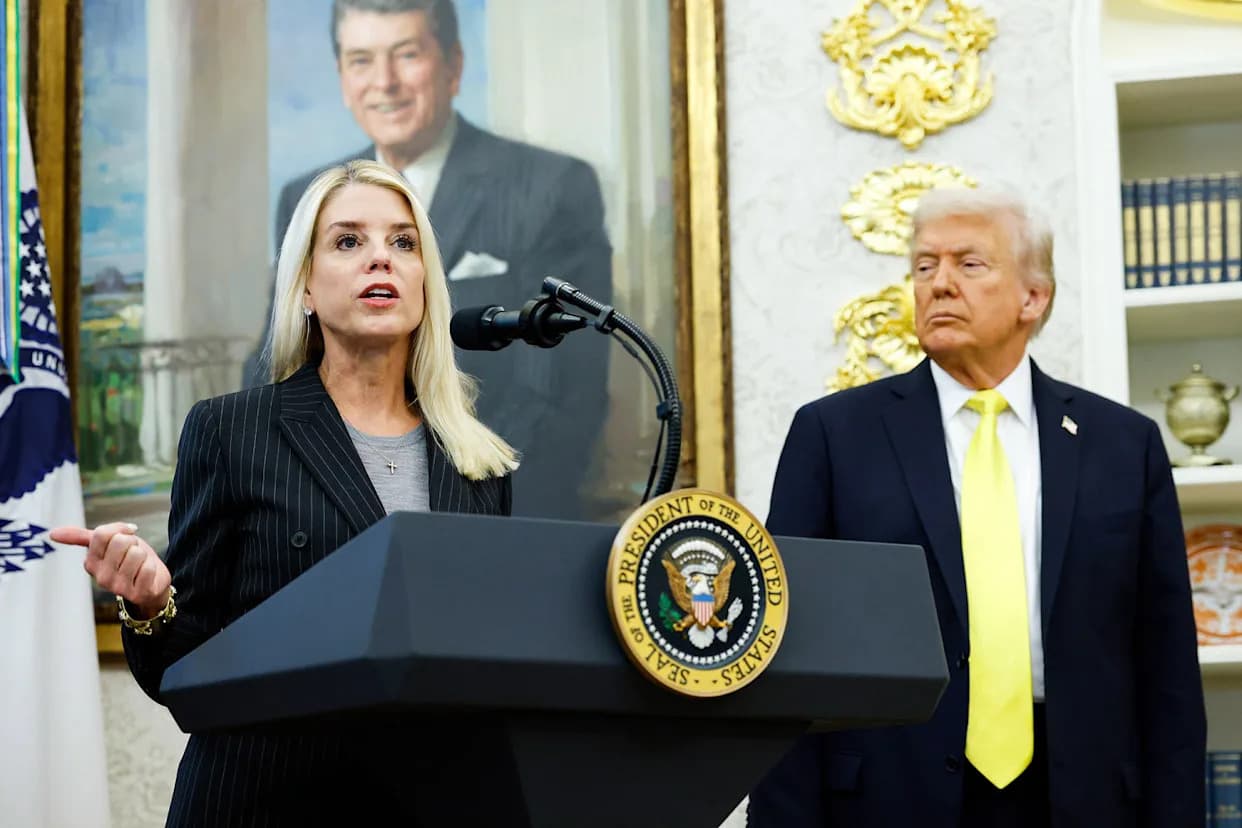
Attorney General Pam Bondi delivers remarks at the Department of Justice in Washington, DC, on February 6, 2026. - Kevin Dietsch/Getty Images
By law, the Justice Department was expected to limit redactions to victims’ personal information and material that could jeopardize an active investigation. Congress is also owed a privileged log explaining the basis for certain redactions; DOJ was required to provide that log within 15 days of the Jan. 30 document release, but members say they have not yet received it.
Clemency Offer From Maxwell’s Lawyer
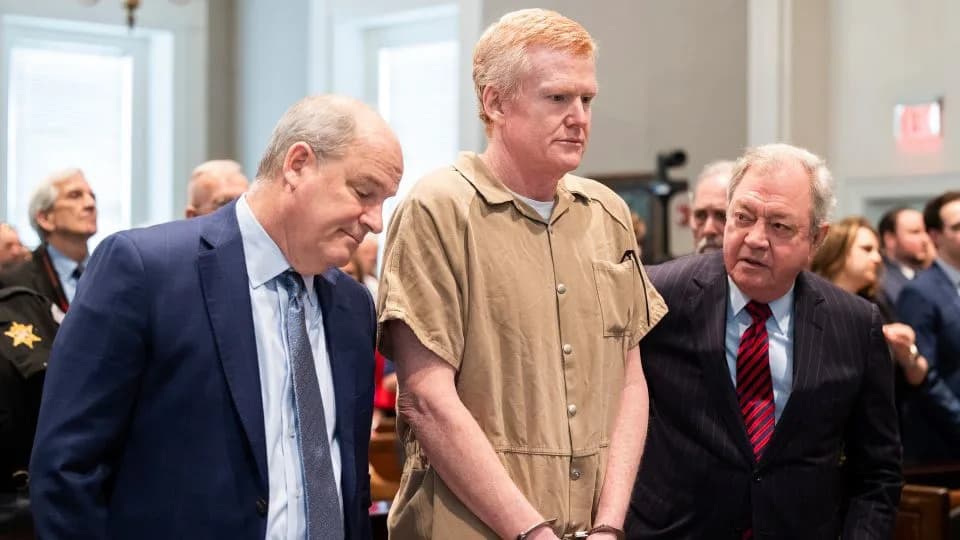
Ghislaine Maxwell — a convicted sex trafficker — appeared by video from detention and invoked her Fifth Amendment rights during testimony to a congressional committee. During the proceedings, her attorney publicly proposed a clemency deal: full cooperation and testimony in exchange for a presidential pardon or commutation.
Attorney David Oscar Markus said, in part, “Ms. Maxwell is prepared to speak fully and honestly if granted clemency by President Trump.” Markus also asserted that Maxwell could clear both President Trump and former President Clinton, statements that both men deny and for which neither has been charged.
Legal and political observers noted the obvious incentive Maxwell would have to shape testimony to improve her own prospects, making any such statements highly scrutinized.
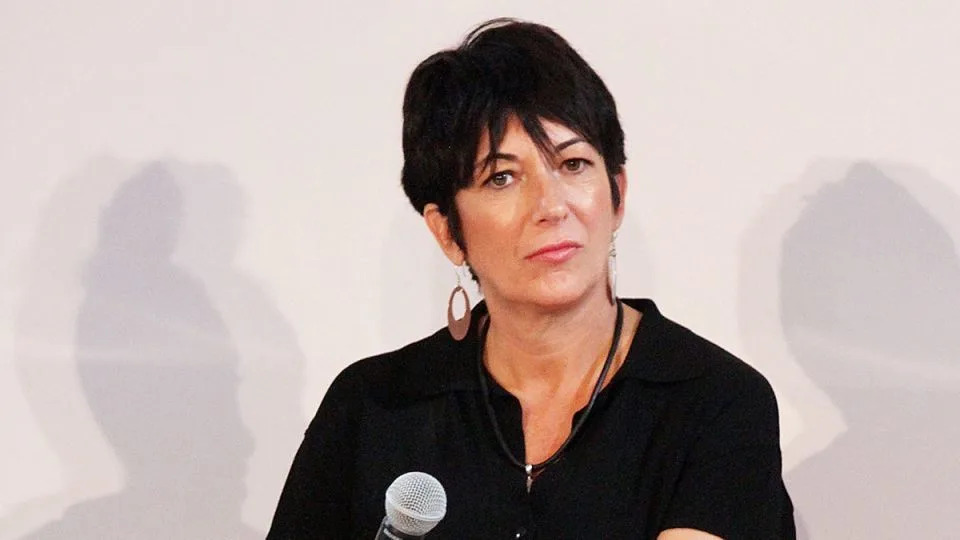
Ghislaine Maxwell in New York on September 20, 2013. - Laura Cavanaugh/Getty Images
Europe’s Swifter Political Fallout
By contrast, European governments and institutions have seen more immediate institutional consequences tied to Epstein disclosures: investigations opened, careers damaged, resignations and public accountability measures.
In Britain, questions over appointments and ties to Epstein have imperiled political figures and drawn royal scrutiny, including statements about cooperation with inquiries into Prince Andrew. Other countries in Europe have launched probes into officials and former diplomats with alleged links to Epstein, and some public figures’ reputations have been seriously harmed.
Why The Different Responses?
Several explanations are possible. No major U.S. political figures linked to Epstein, other than Maxwell, have been criminally charged to date; that may reflect evidentiary limits rather than deliberate protection. Still, critics argue that U.S. accountability has so far been largely reputational — resignations and career damage — rather than the result of independent criminal investigations.

Prime Minister Keir Starmer leaving 10 Downing Street, London on February 9, 2026 - James Manning/AP
Some lawmakers and advocates attribute the difference to institutional independence, pointing to robust investigative machinery in parts of Europe. Others suggest U.S. public fatigue from repeated scandals or the influence of money and power in American politics may blunt political consequences.
Survivors and the Human Toll
Amid procedural disputes and political maneuvering, survivors of Epstein’s trafficking network remain central. Their trauma, advocates say, is compounded when powerful figures who associated with Epstein appear to face limited formal consequences.
“The survivors of this crime know what happened,” said Epstein survivor Liz Stein. “When we see things coming out that don’t parallel our truth, we’re taking notice.”
What Comes Next
Lawmakers’ review of unredacted materials is likely to intensify congressional scrutiny of DOJ transparency and document-handling practices. The Justice Department’s leaders and other officials are expected to face tough questions from Congress about redaction decisions and compliance with the Epstein Files Transparency Act. Meanwhile, public attention will continue to focus on whether previously hidden records reveal new leads that merit independent investigation.
Key facts to watch: whether DOJ delivers the promised privileged log explaining redactions; whether Maxwell’s attorney’s proposal leads to any legal developments; and whether unredacted documents prompt new inquiries into associates of Epstein.
Help us improve.