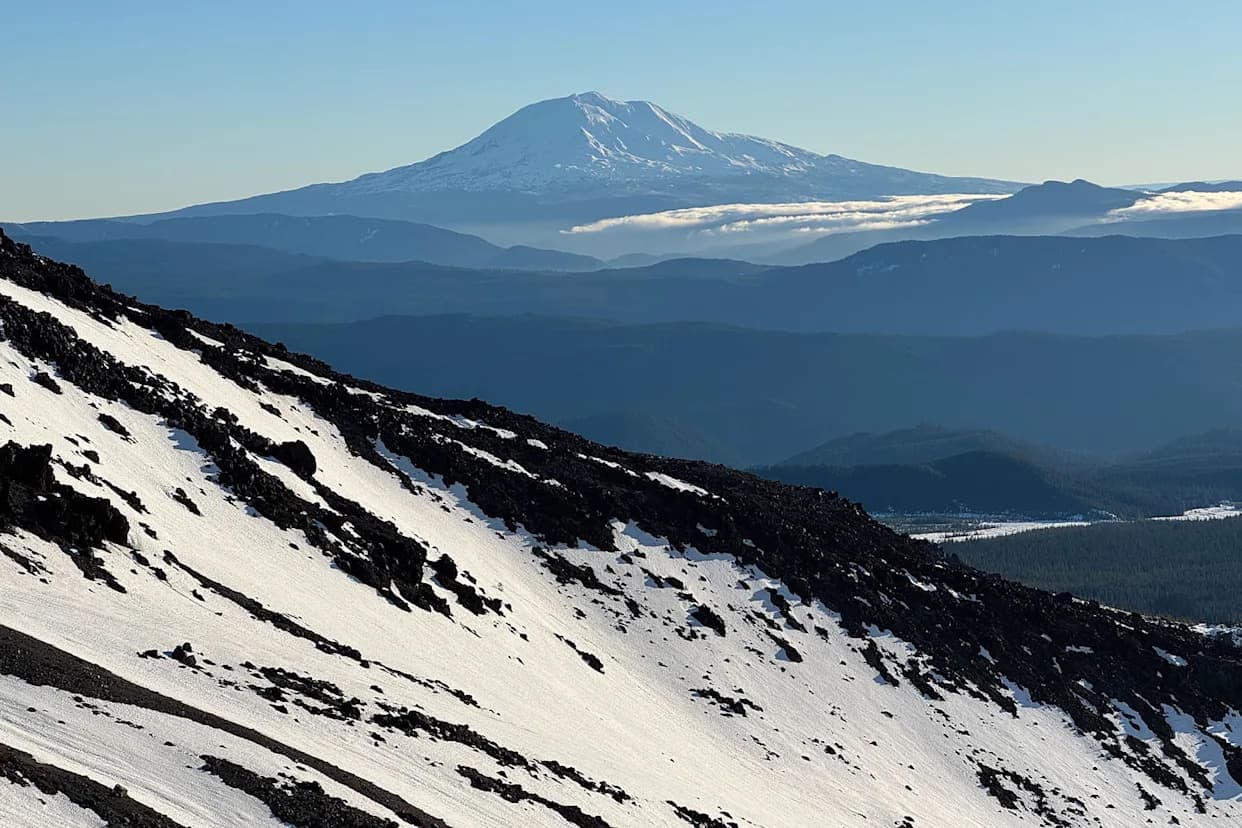
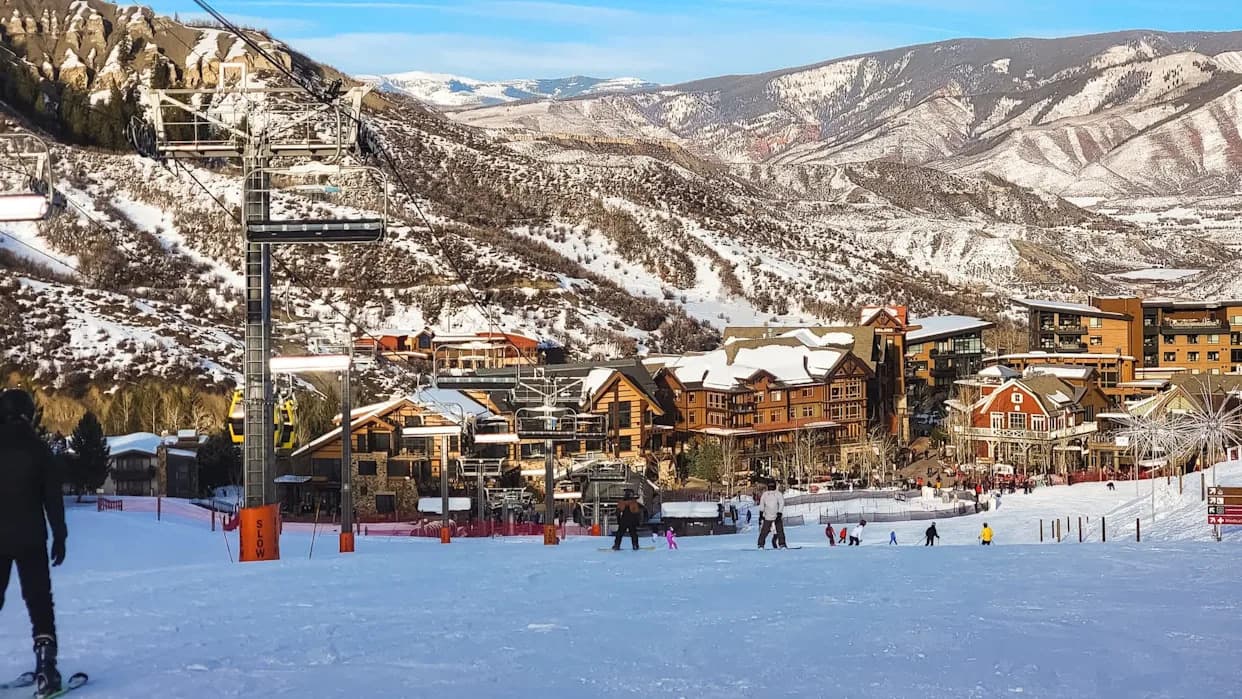
The American West is experiencing a record snow drought coupled with exceptional warmth, shrinking snow cover and threatening water supplies, winter recreation and wildfire preparedness. Snow extent is down to roughly 155,000 square miles versus a typical 460,000, and Oregon’s snowpack is about 30% below the previous record. Much precipitation has fallen as rain instead of snow, and while cooler, wetter conditions are forecast briefly, scientists say a full recovery to average snowpack is unlikely this season.
Record Snow Drought and Extreme Heat Threaten Western US Water Supplies, Wildfire Risk and Winter Recreation
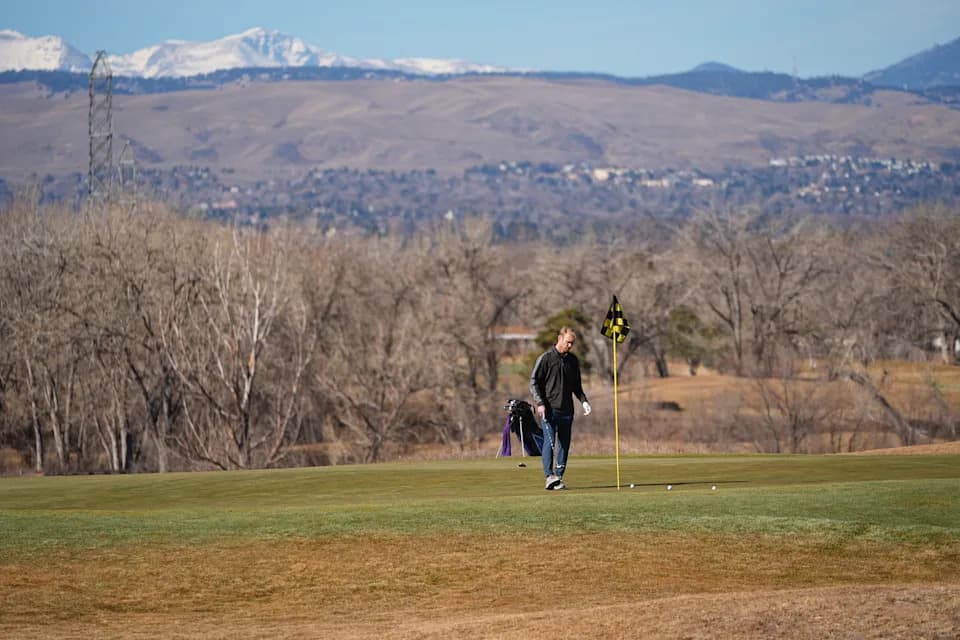
With little snow covering the mountain backdrop, a lone golfer putts out on a green on the Broken Tee Golf Course, Friday, Feb. 6, 2026, in Sheridan, Colo. (AP Photo/David Zalubowski)(ASSOCIATED PRESS)
A record snow drought combined with exceptional warmth is sweeping much of the American West, shrinking snow cover and depleting the mountain water reserves that sustain rivers, cities, farms and hydropower. Scientists warn the unusually persistent pattern could mean reduced water availability later in the year and a higher risk of an early, intense wildfire season.
A Winter Like No Other
Both snow cover and snow depth are at multi-decade lows across the West, and at least 67 Western weather stations have recorded their warmest Decembers through early February on record. Typical snow extent for this time of year is about 460,000 square miles — roughly the combined size of California, Utah, Idaho and Montana — but this season the snow footprint is about 155,000 square miles, according to the National Snow and Ice Data Center.

Taking advantage of daytime hgh temperatures in the 60s, a cyclist wheels through Washington Park, Friday, Feb. 6, 2026, in Denver. (AP Photo/David Zalubowski)(ASSOCIATED PRESS)
"I have not seen a winter like this before," said Mark Serreze, director of the National Snow and Ice Data Center, who has worked in Colorado for nearly 40 years. "This pattern that we’re in is so darned persistent."
Oregon's mountain snowpack is not only at record low levels, it is roughly 30% below the previous record, the National Oceanic and Atmospheric Administration reported. In parts of Utah and Colorado, decades-long record lows for statewide snowpack have been recorded.
Concerns for Water Supply and Wildfires
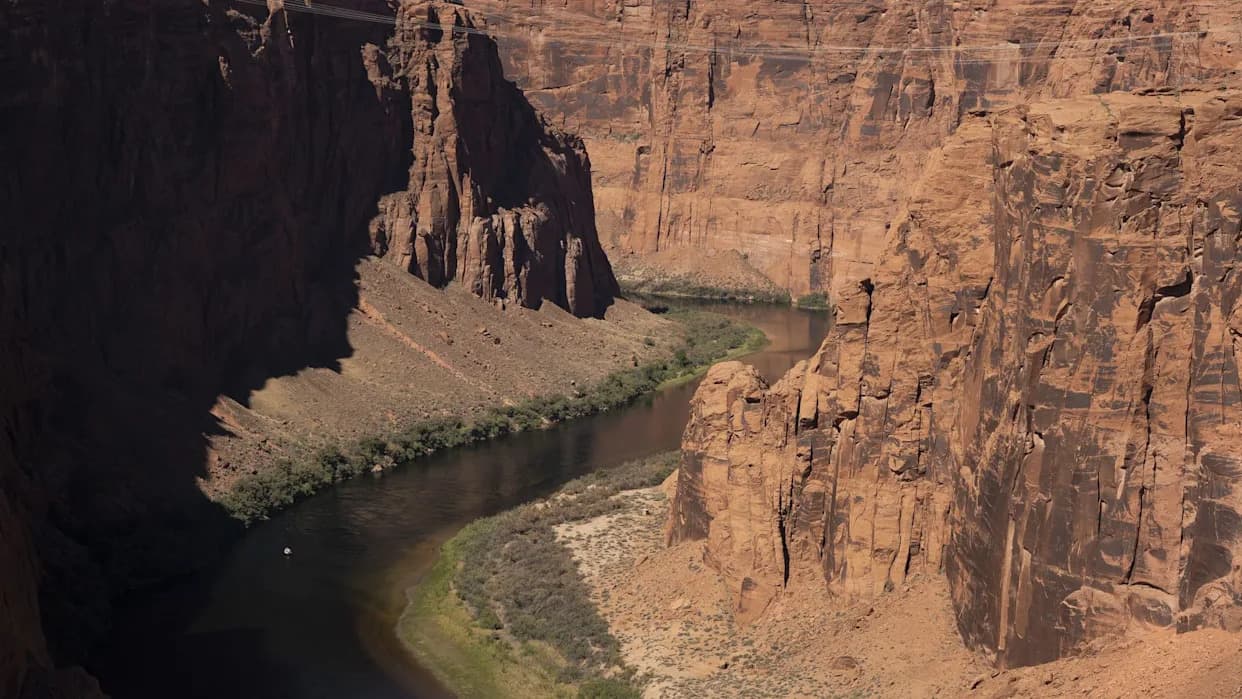
A healthy mountain snowpack acts as a natural reservoir: it stores winter precipitation as snow and releases it slowly through spring and summer, feeding rivers such as the Colorado. When precipitation falls as rain instead of snow or when snow melts too quickly, runoff is faster and less water is available later in the season for agriculture, cities, recreation and hydropower.
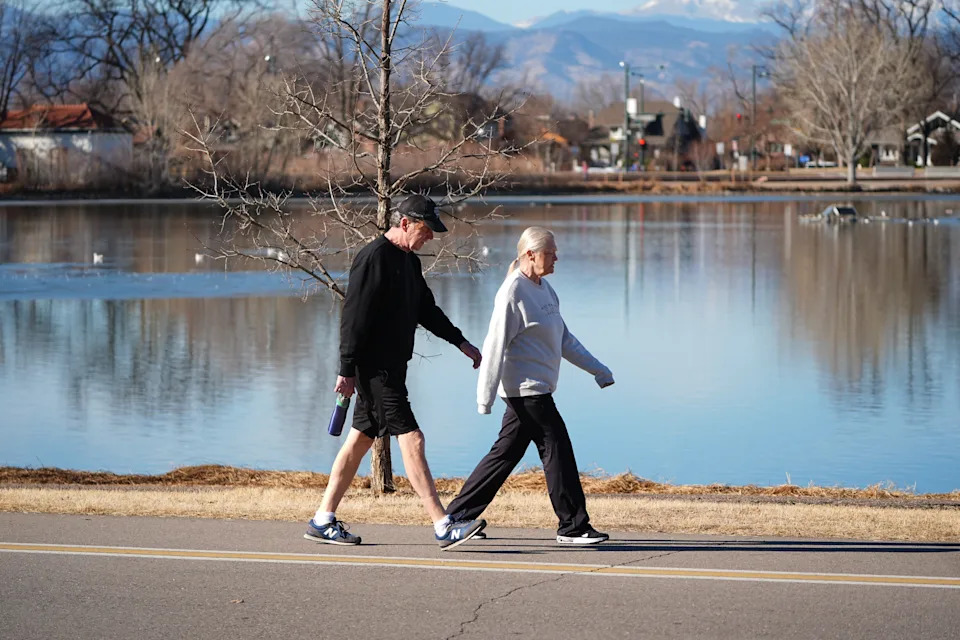
With a backdrop of snowless mountains, a couple walk around the lake in Washington Park, Friday, Feb. 6, 2026, in Denver. (AP Photo/David Zalubowski)(ASSOCIATED PRESS)
"This is a pretty big problem for the Colorado basin," said Daniel Swain of the University of California’s Water Resources Institute. The Upper Colorado River Basin is at the center of the current snow drought, putting downstream water supplies at risk.
Experts also warn the low snow and earlier melt could help launch an early wildfire season: exposed soils and vegetation warm and dry sooner in spring and summer, increasing flammability.
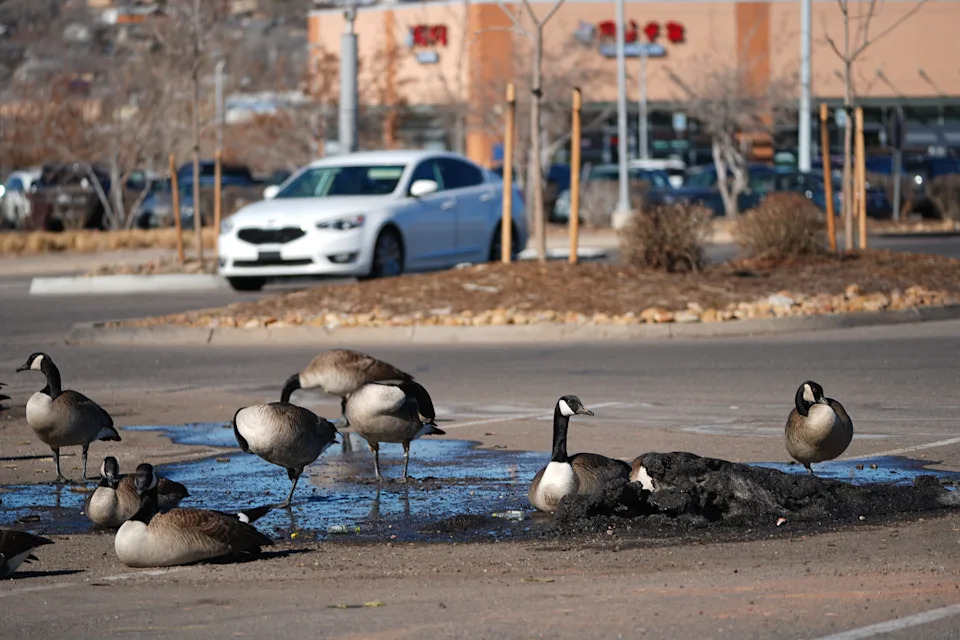
A flock of Canada geese sits in a small bank of dirt-covered snow melting in a parking lot, Friday, Feb. 6, 2026, in Sheridan, Colo. (AP Photo/David Zalubowski)(ASSOCIATED PRESS)
Why It's Happening: Too Warm To Snow
Scientists attribute much of the record-low snowpack to unusually warm conditions across the West — warming that is linked to human-caused climate change. Since Dec. 1, NOAA data show more than 8,500 daily high-temperature records broken or tied across the region. Much of the precipitation that normally would fall as mountain snow has instead fallen as rain, which runs off quickly and does not recharge mountain snow storage.
"It was so warm, especially in December, that the snow was only falling at the highest parts of the mountains," said Daniel McEvoy of the Western Regional Climate Center.
Outlook
Meteorologists expect a period of cooler, wetter weather with some mountain snow in the near term, which could modestly reduce deficits. But many scientists say a single storm pattern is unlikely to restore average snowpack levels after such persistent warmth.
Local impacts are already evident: Salt Lake City International Airport recorded 327 days without an inch of snow — the longest such stretch since 1890–1891 — and ski areas from the Cascades to the Rockies have faced a sharply reduced season.
Data sources: National Snow and Ice Data Center (NSIDC), National Oceanic and Atmospheric Administration (NOAA), National Weather Service, academic researchers.
Help us improve.