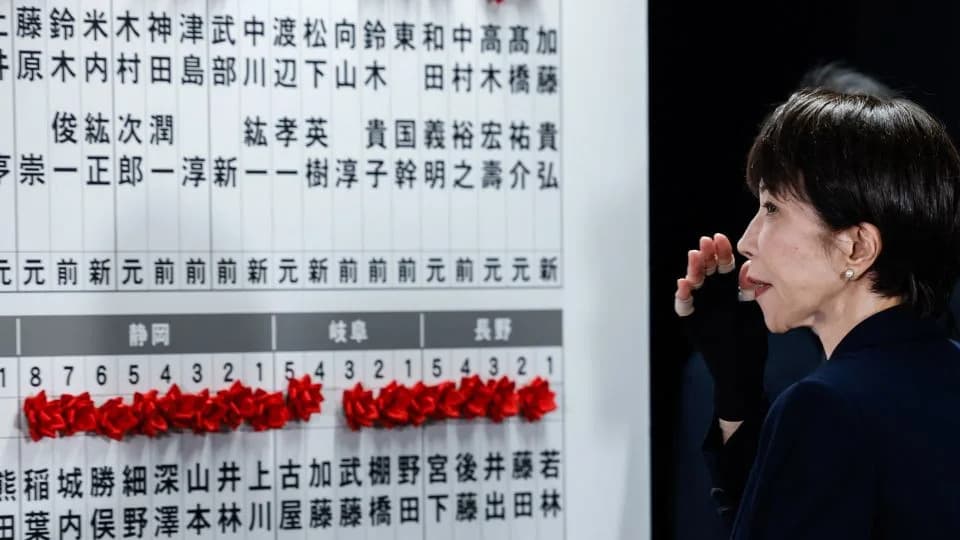
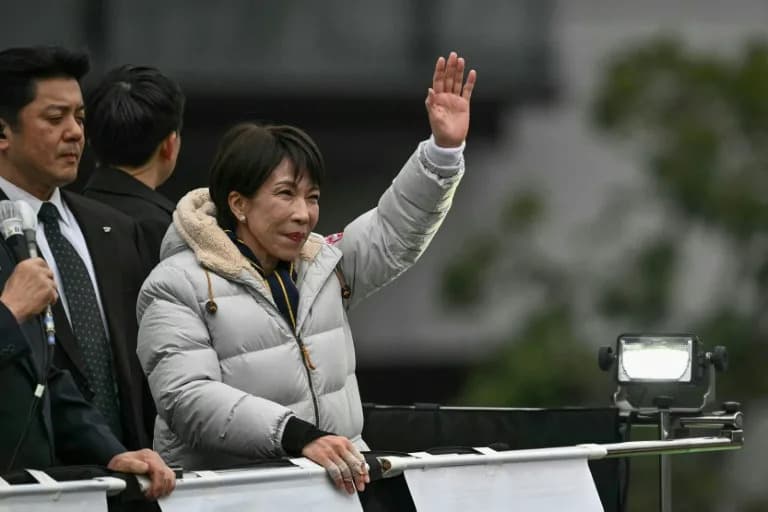
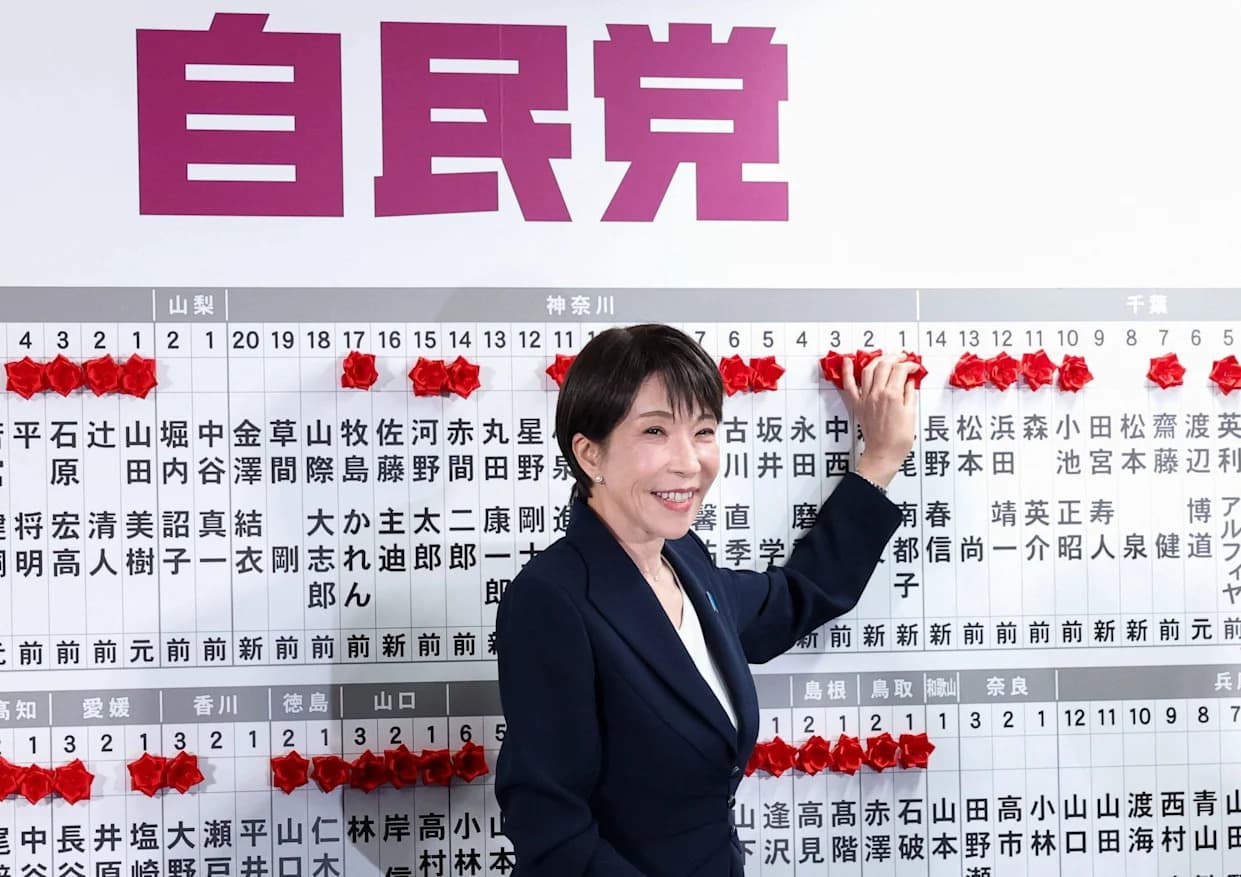
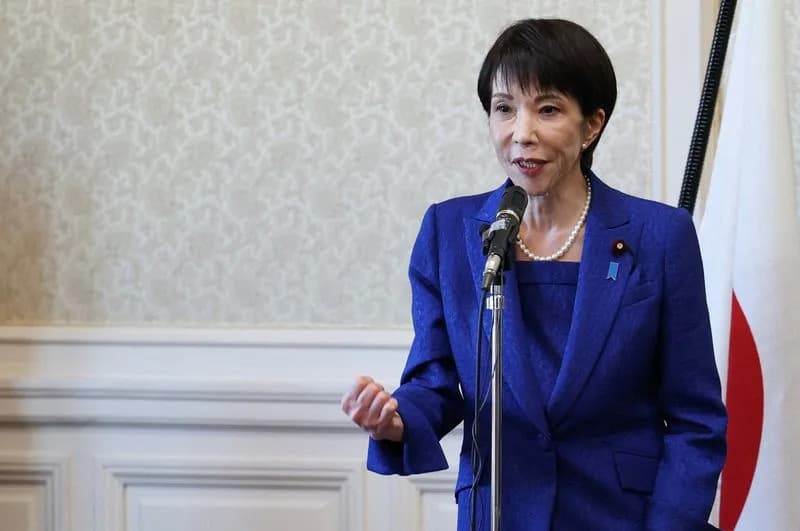
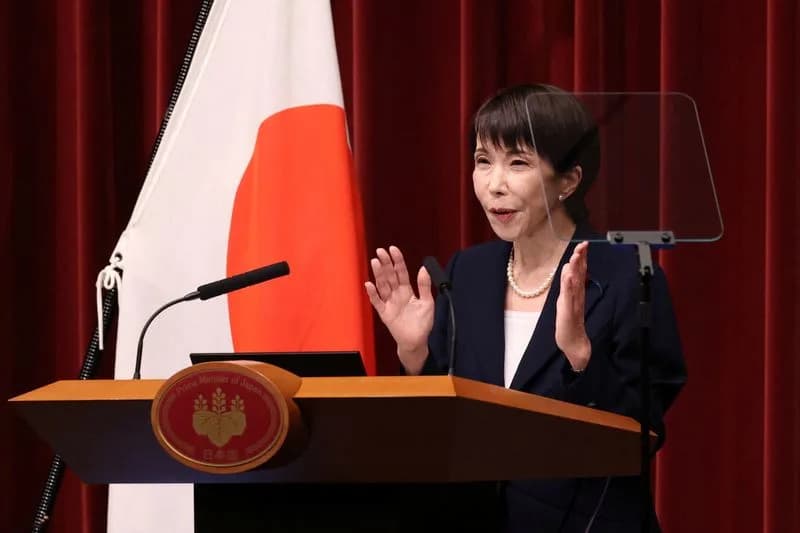
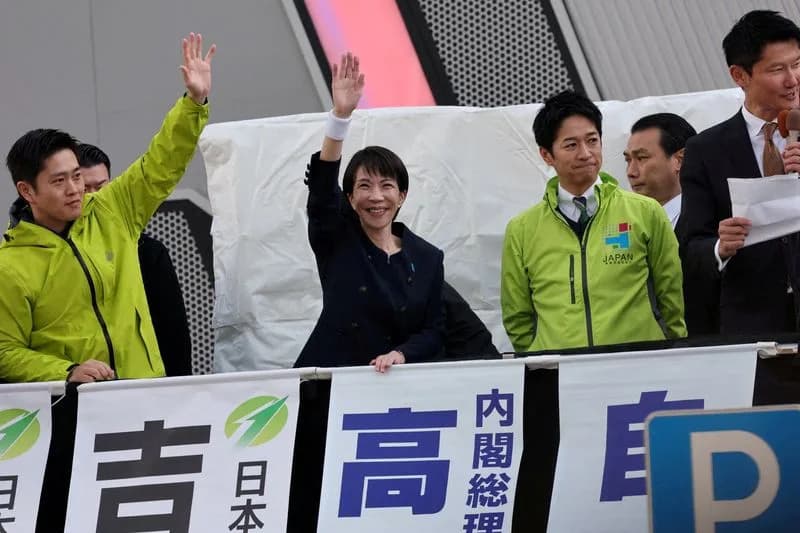
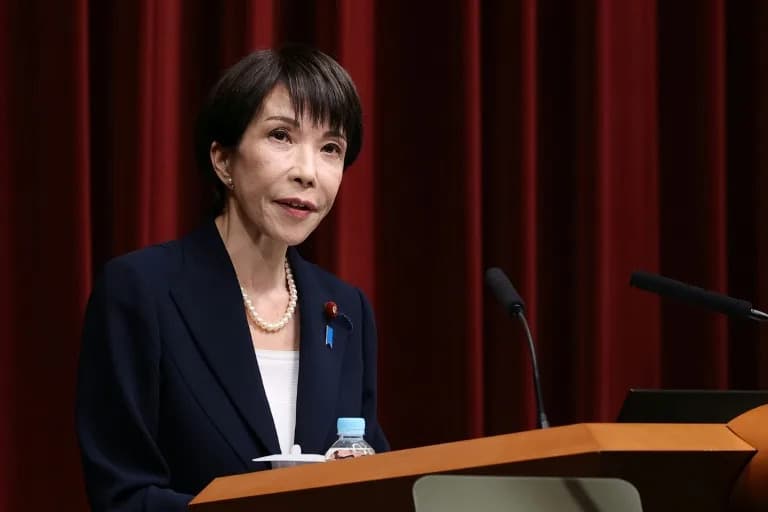
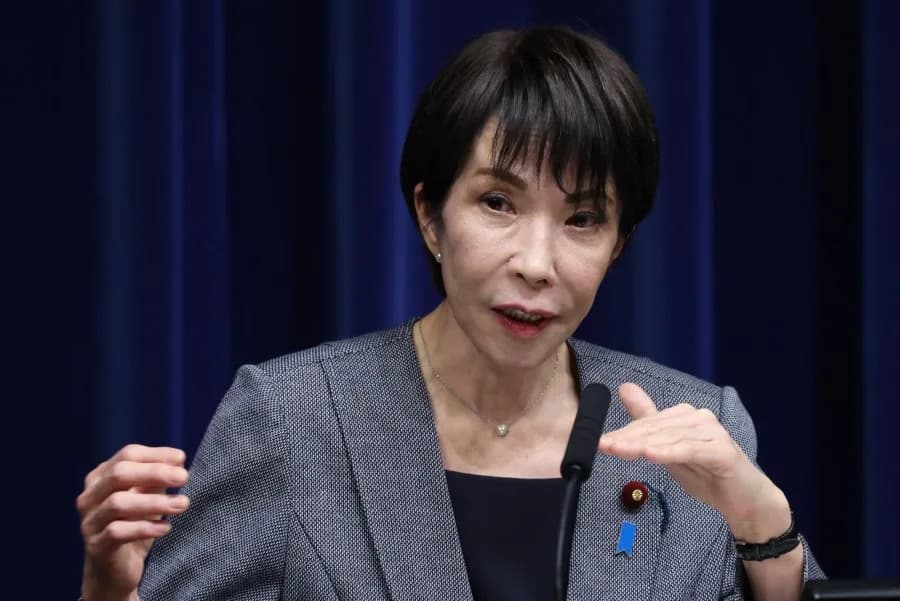
Calling a snap election was a high‑stakes gamble that put her career on the line — but Japan's Sanae Takaichi has delivered the strongest single‑party majority in more than 70 years. On Sunday the ruling Liberal Democratic Party (LDP) secured a historic two‑thirds supermajority in the lower house, a milestone not seen since World War II.
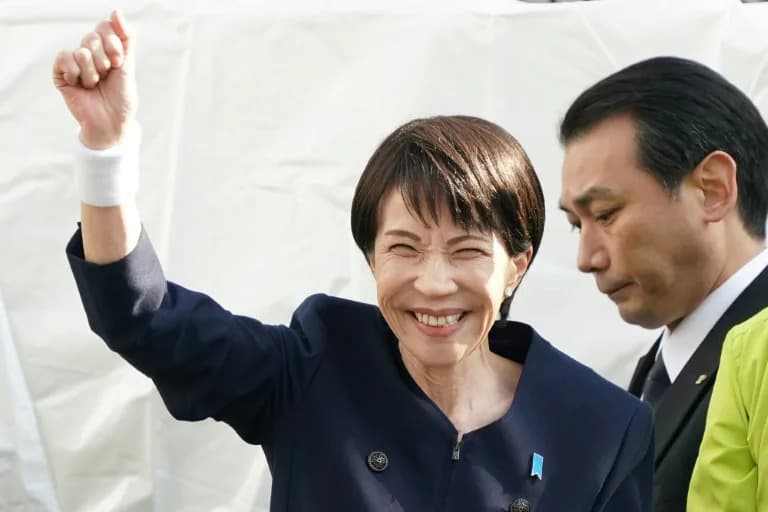
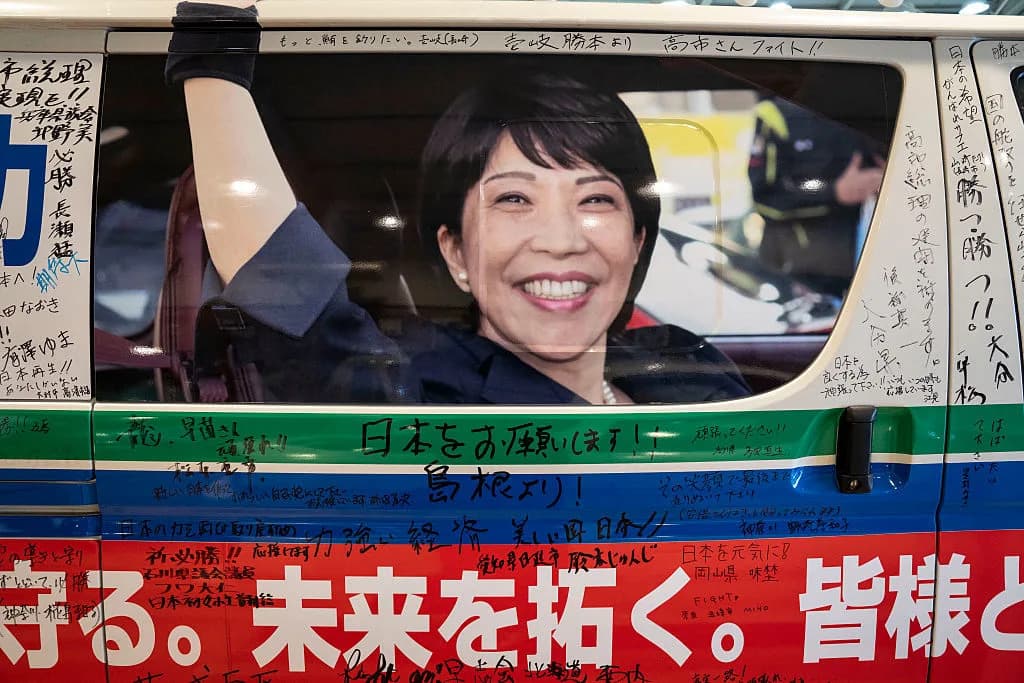
In just four months as party leader, Takaichi surged in popularity, energising young and previously disengaged voters and giving Japan's political stage a younger, more media‑savvy face. Her rise — widely nicknamed 'Sana‑mania' — combined a polished social media strategy, memorable slogans and highly visible personal branding to produce enthusiasm unseen in recent elections.
What She Stands For
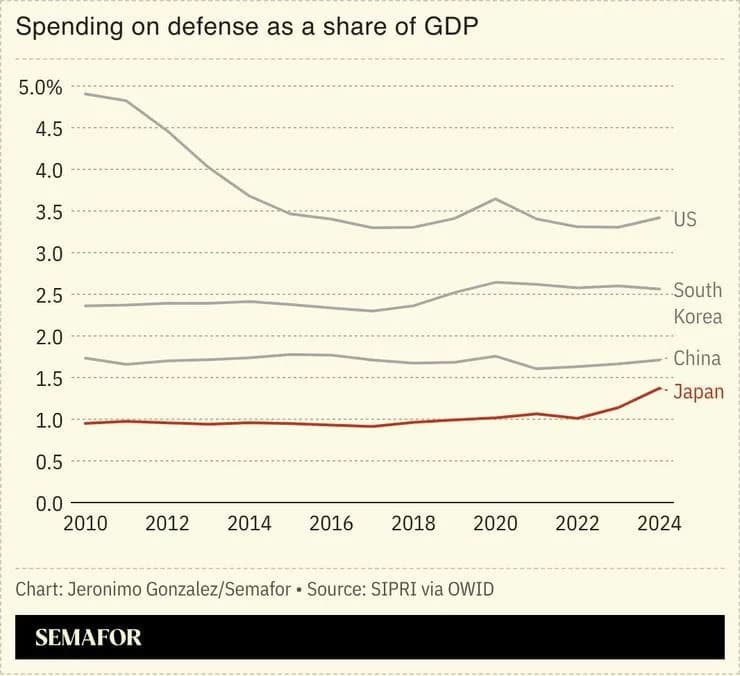
Takaichi blends socially conservative positions with pro‑government economic policies. She opposes same‑sex marriage, supports patriotic education and favors retaining Japan's single‑surname requirement for married couples. She has also pledged to pursue revision of Japan’s pacifist constitution, including the article that renounces war, saying she will 'persistently work' toward change — though she has not detailed specific amendments.
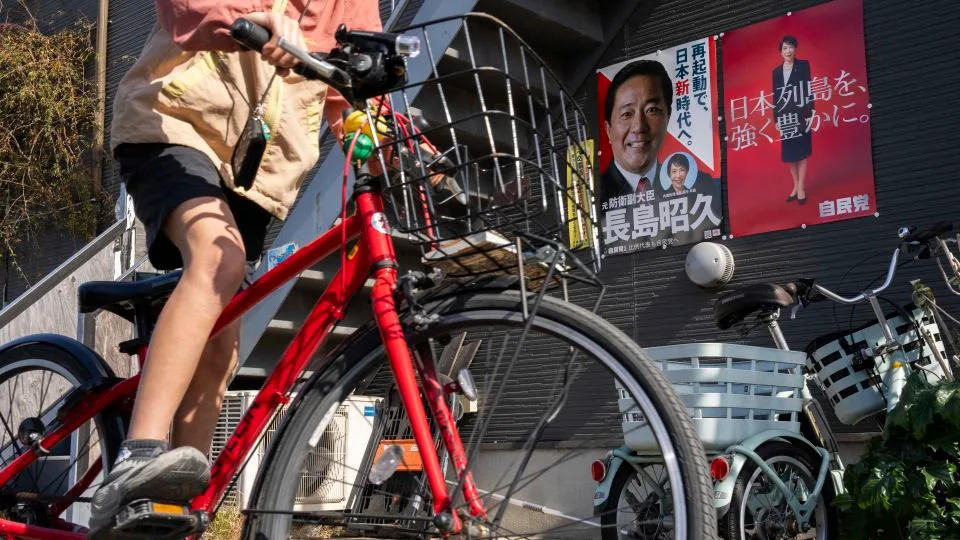
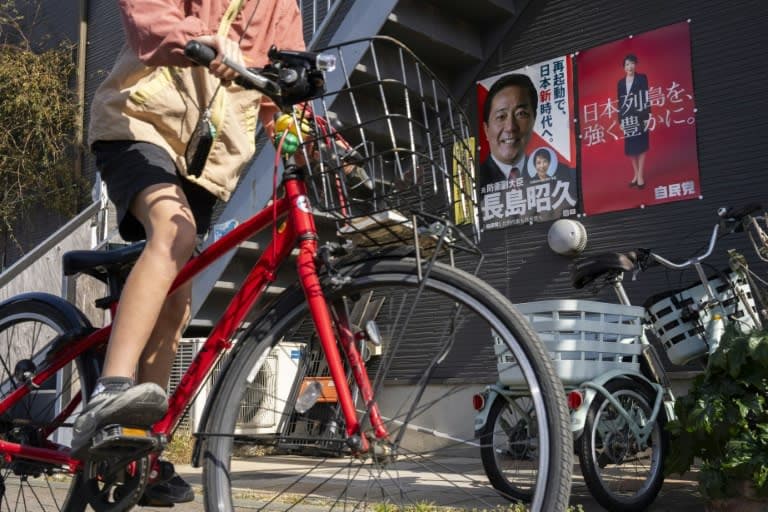
A child cycles past posters of Japan's Prime Minister Sanae Takaichi and a candidate running for the upcoming the House of Representatives election, in Inagi, Tokyo, on February 6, 2026. - Yuichi Yamazaki/AFP/Getty Images
Economic and Foreign Policy
On economic issues Takaichi backs an expanded role for government and recently oversaw a record‑setting spending budget. Despite ties to ultranationalist groups, she is not isolationist: she has reaffirmed ties with key partners including the United States, the United Kingdom, Italy and South Korea.
Beijing responded sharply to her campaign comments on Taiwan, canceling flights, restricting some imports and increasing military patrols. A Chinese foreign ministry spokesperson warned against 'reckless' action by Japan's right wing and described the election result as reflecting 'deep‑seated structural issues.'
A New Kind Of Conservative Leader
Takaichi stands out in Japan's traditionally formal political culture. She rides motorcycles, plays the drums, listens to heavy metal and — unlike many of her peers — does not come from a political dynasty. Observers say her personal image and direct outreach helped mobilise younger voters and revive LDP support after a period of erosion caused by by‑election losses, inflation and political scandals.
What's Next
With a two‑thirds lower‑house majority, the LDP has greater leverage: it can chair all lower‑house committees, push legislation more forcefully and has a clearer path to propose constitutional amendments. Any change to the constitution would still require a two‑thirds majority in the upper house and passage in a national referendum, so substantial hurdles remain.
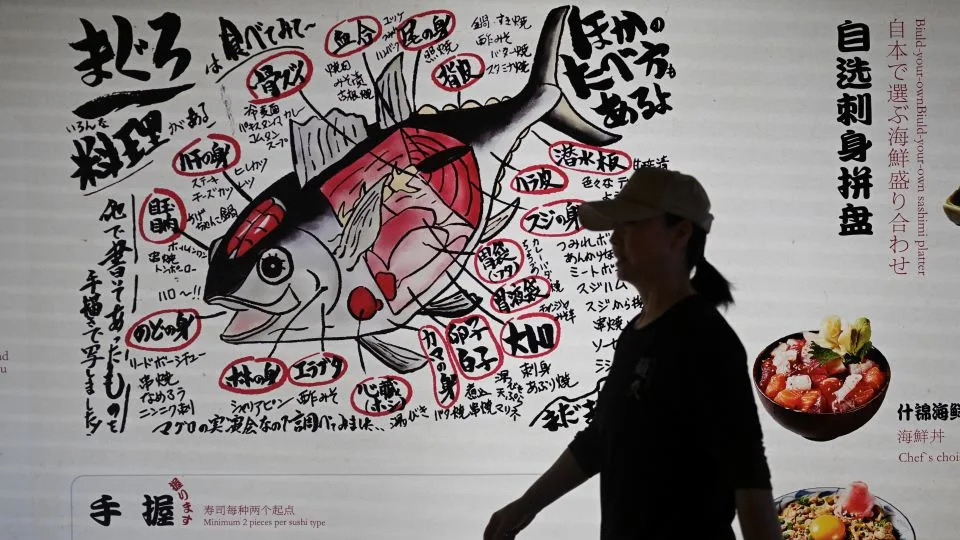
A woman walks past a Japanese restaurant in Beijing on November 19, 2025. - Pedro Pardo/AFP/AFP/Getty Images
Domestically, Takaichi faces major challenges: an ageing population, a weak yen and rising living costs. Internationally, her victory is likely to complicate relations with China, particularly after her comments that a Chinese attack on Taiwan could prompt Japanese military response — a statement that broke with Japan's long tradition of ambiguity on the issue.
As she moves from campaign mode to governance, the key questions are which reforms she will prioritise, how she will manage regional tensions, and whether her personal popularity can translate into durable policy gains through the next scheduled election in 2027.
CNN's Rae Wang contributed reporting.