Benjamin Netanyahu has floated a plan to phase out US military aid to Israel over ten years, arguing the country has "come of age" militarily and should seek greater independence. Israel currently receives $3.3bn annually plus $500m for missile-defence, and US suppliers accounted for 65.6% of imports in the decade to 2023. Analysts say onshoring munitions production is feasible over time but that advanced platforms like fighter jets would likely remain US-sourced. The proposal reflects both long-term strategic concerns and changing US political dynamics ahead of the 2028 MoU renewal.
Netanyahu Proposes 10-Year Taper Of US Military Aid As Israel Seeks Greater Strategic Independence
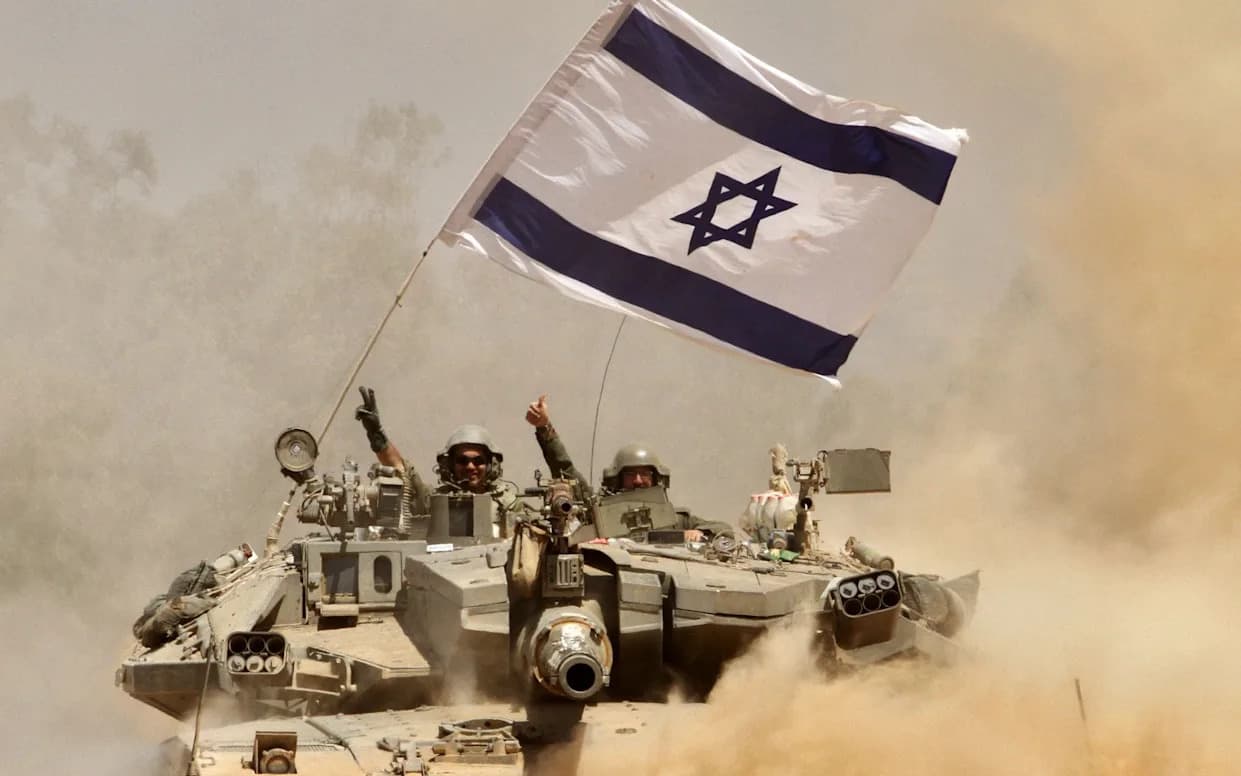
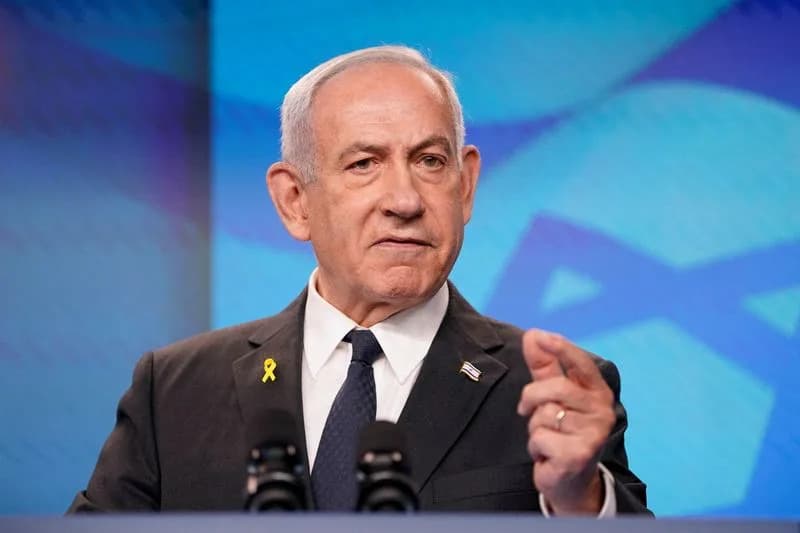
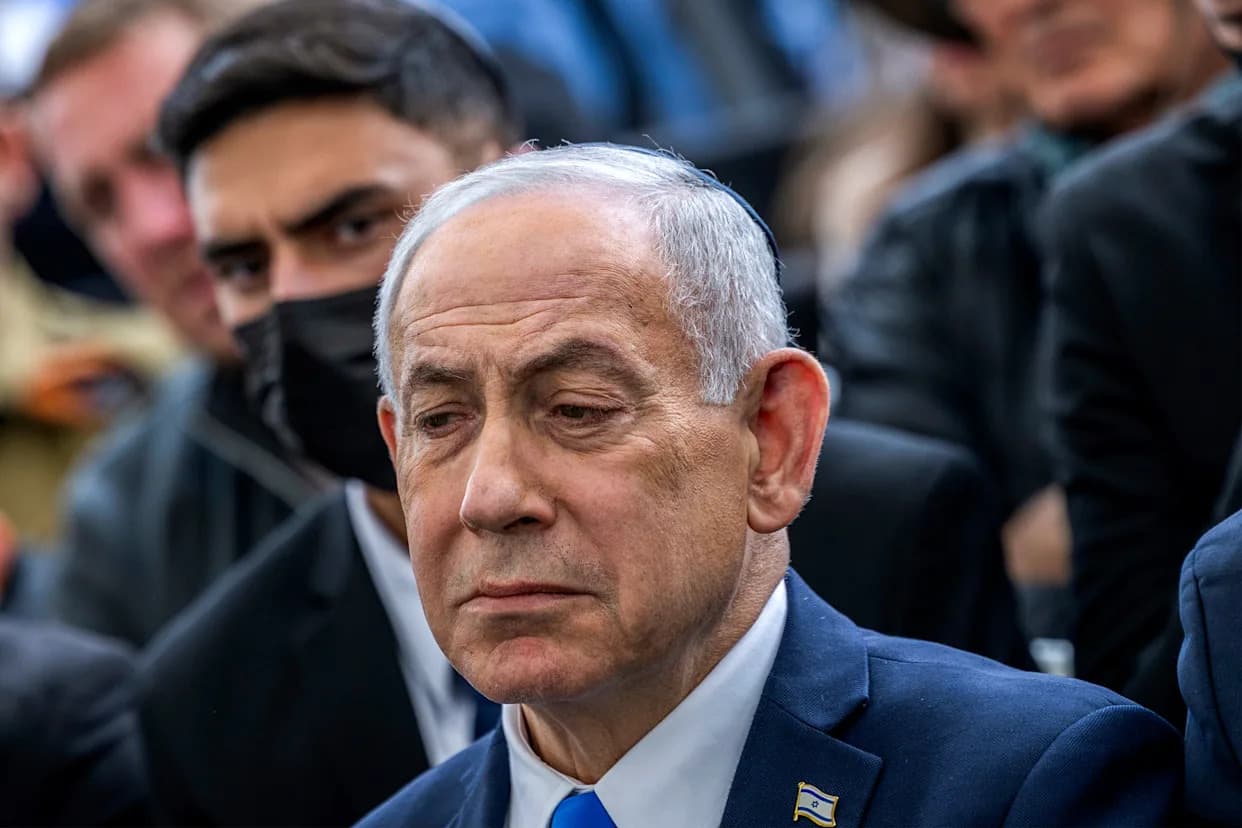
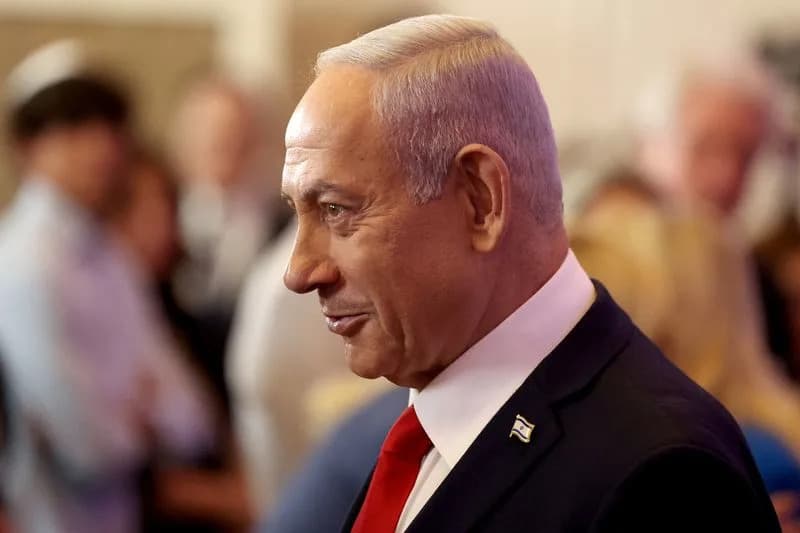
Israel has powerful army, but Benjamin Netanyahu fears it may be too dependent on American arms - Cohen Magen/AFP/Getty
When Prime Minister Benjamin Netanyahu suggested that Israel should be weaned off decades of US military aid within ten years, observers responded with surprise and debate. "We very deeply appreciate the military aid that America has given us over the years, but here too we’ve come of age," he said. The proposal raises urgent questions about Israel’s long-term security, its defence-industrial base and the evolving political dynamics that underpin US–Israeli ties.
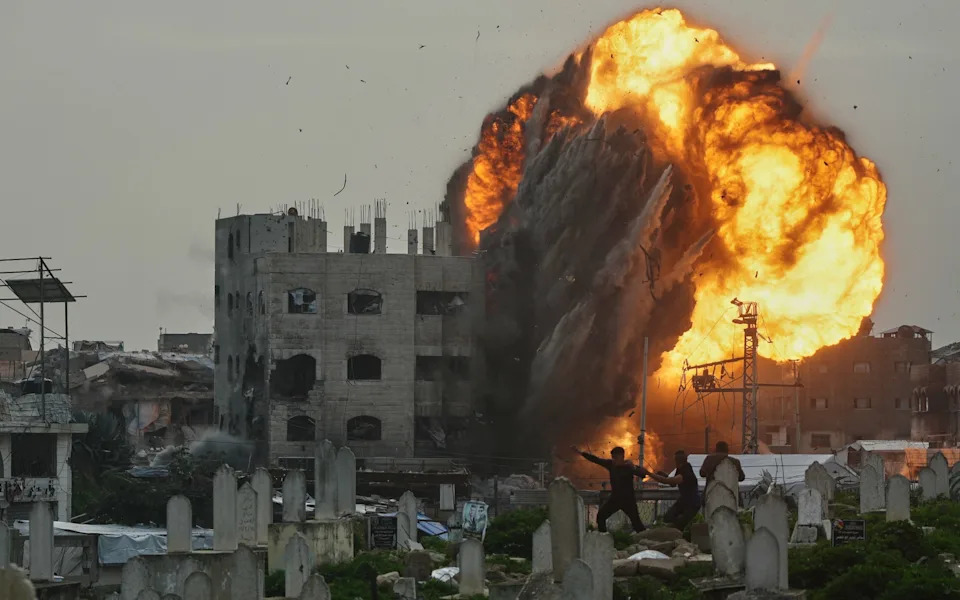
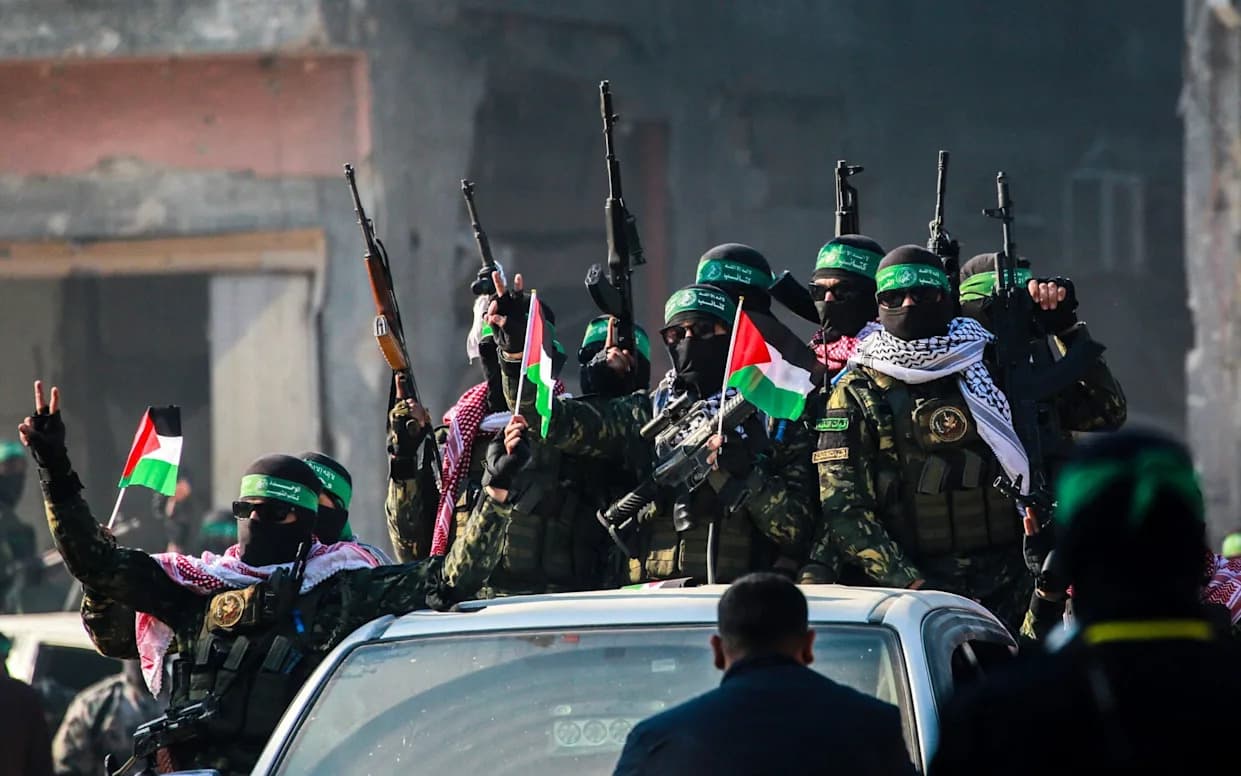
Israel has heavily relied on American weapons during its war in Gaza - Jehad Alshrafi/AP Photo
Why This Matters
Israel currently receives $3.3 billion a year in US military assistance plus a separate $500 million annual missile-defence package. For a small country surrounded by hostile or militarily assertive neighbours — notably Iran, Turkey and Syria — that support has been central to deterrence and operational readiness. The 2016 Memorandum of Understanding (MoU) formalized much of this arrangement, obliging Israel to spend much of the funds in the United States. US-made systems accounted for roughly 65.6% of Israeli military imports in the decade to 2023, with Germany at 29.7% and Italy at 4.7%.
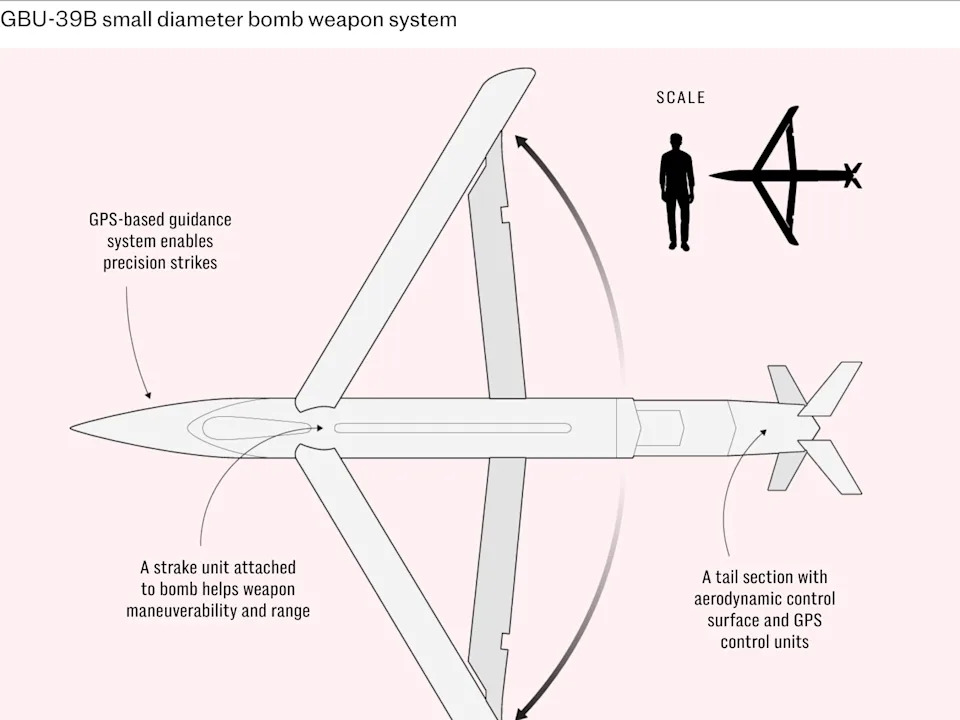
0702 GBU-39 SDB The JDAM kit turns \'dumb\' bombs into precision weapons
Operational Dependence Exposed
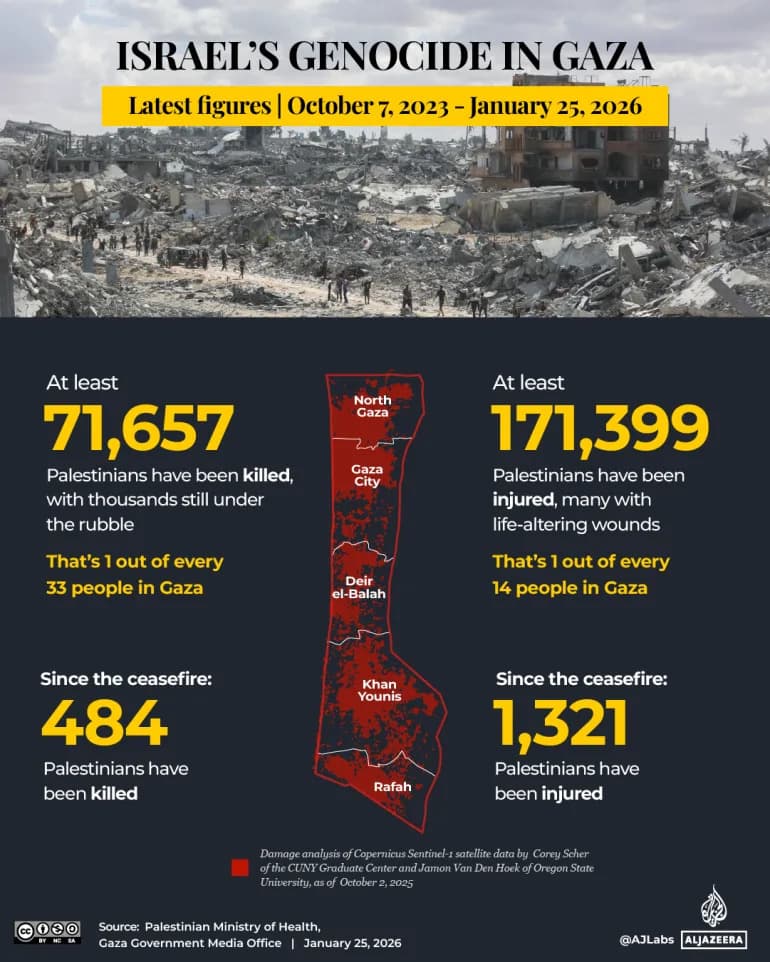
The two-year war in Gaza highlighted Israel’s operational reliance on US supplies. Between October 2023 and May 2025, Israel’s defence ministry reported receiving about 90,000 tonnes of arms and equipment via 800 transport flights and 140 seaborne consignments from the United States. Urgent wartime shipments included 14,000 rounds of tank ammunition (worth approximately $106 million) and 155mm artillery shells (about $147 million). Many of the core munitions used in urban attrition campaigns — such as GBU-39s, Paveway guided bombs and JDAM kits — are US products.
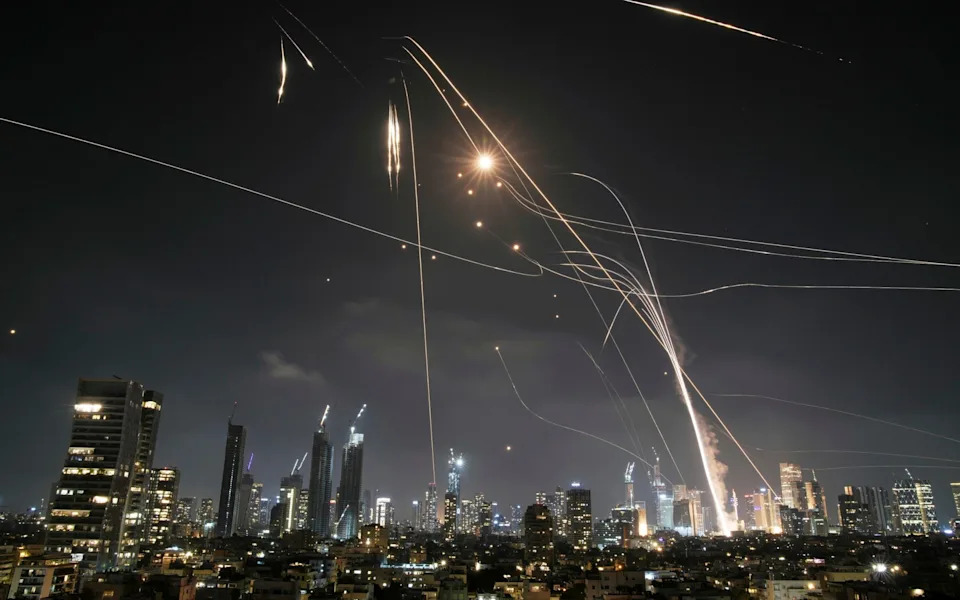
Israel’s Iron Dome system fires to intercept missiles over Tel Aviv - Leo Correa/AP Photo
Arguments For Onshoring And Independence
Advocates of tapering aid argue that Israel has developed a mature defence ecosystem and could expand domestic munitions production to reduce vulnerability. Dr Raphael BenLevi, a former IDF intelligence operative, contends that decades of MoUs encouraged offshoring purchases and weakened some domestic capacities. He estimates that replacing US-funded purchases might raise Israel’s defence spending by roughly 10%, or about 0.7% of GDP, a share likely to fall if economic growth continues. Over a phased 10-year plan, he views onshoring as feasible.
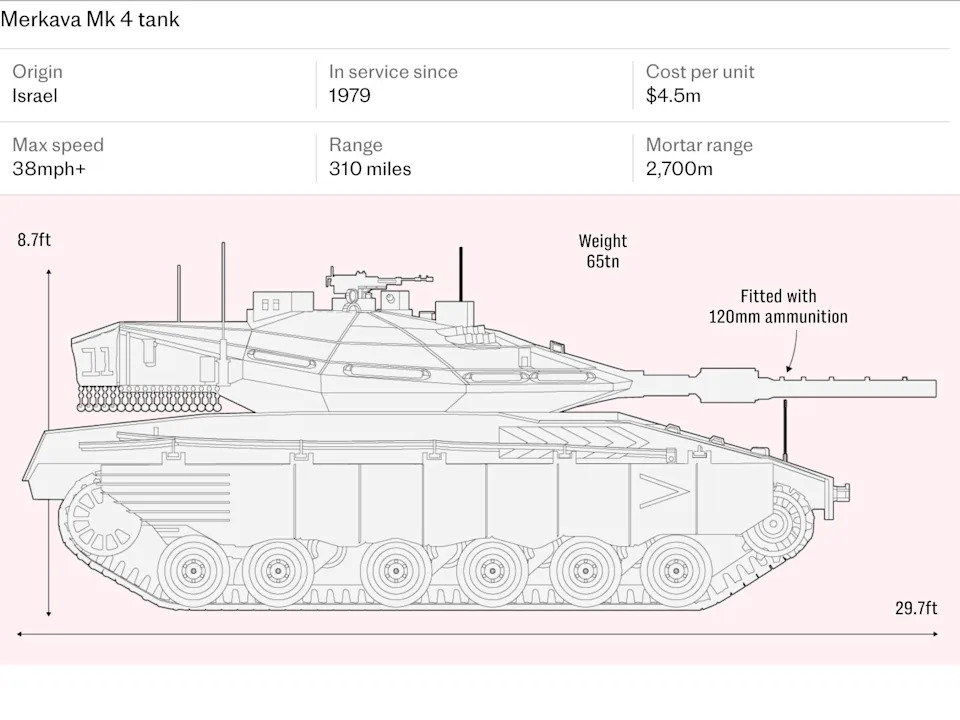
0702 Merkava Mk 4 tank
Limits And Practicalities
Even proponents acknowledge limits: high-end platforms such as F-35 fighters and Apache helicopters are still best supplied by US manufacturers, and developing domestic equivalents would take far longer than a decade. Dr Danny Gold, director of the directorate of defence research and development, summed up the prevailing view: "We’re moving toward greater independence, but we’re not going to make our own fighter aircraft. We do that with the US." A robust indigenous munitions base would, however, provide critical insurance in a prolonged state-on-state war if external support were limited.
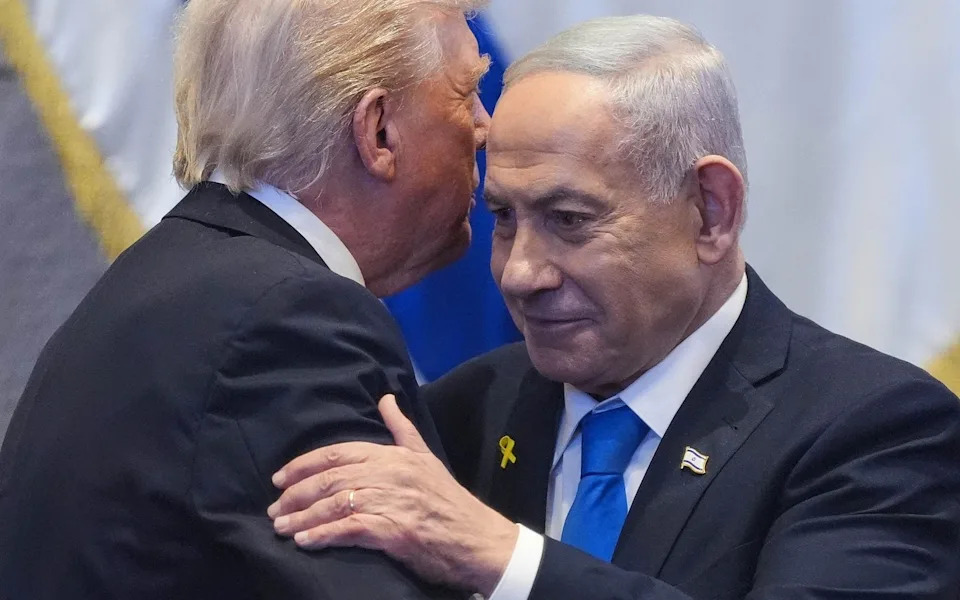
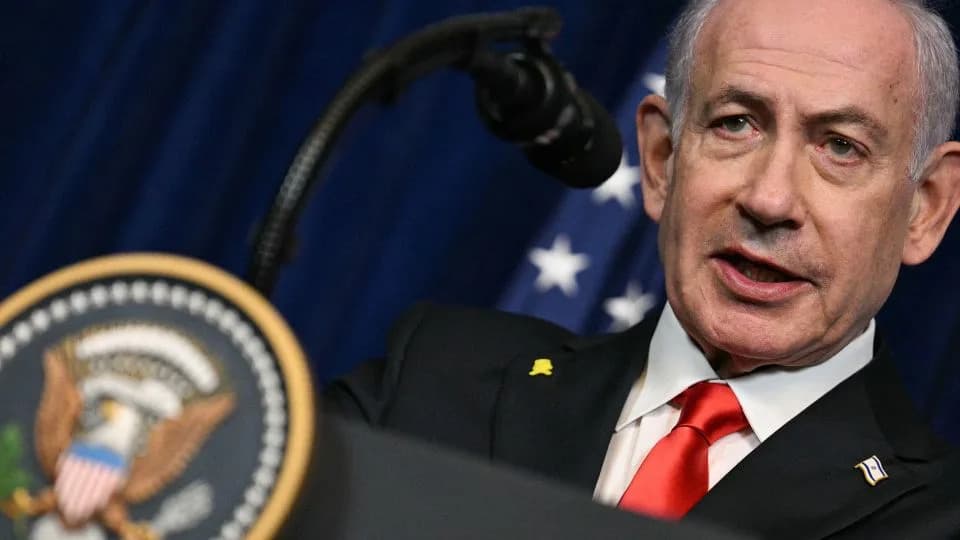
Donald Trump called for Benjamin Netanyahu to be pardoned in his speech to the Israeli parliament last October - Evan Vucci/AP
Politics Behind The Proposal
Netanyahu’s timing and rhetoric also carry political signals. Concerns over the reliability of future US support include shifts in American domestic politics: elements of the MAGA movement emphasize "America First" isolationism and question large foreign military outlays, the Republican coalition contains a smaller share of traditionally pro-Israel Evangelical voters, and there are troubling reports of increased antisemitic sentiment in some circles. These trends, combined with strategic desire for greater autonomy, help explain the push for a taper.
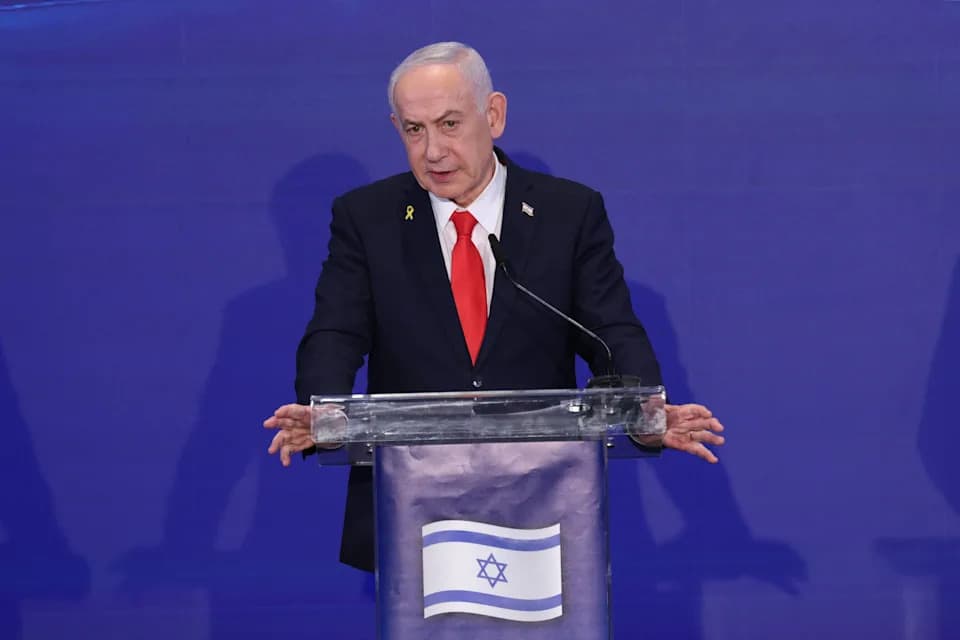
"We want to be as independent as possible." — Benjamin Netanyahu
Netanyahu framed the proposal as a move from "patronage" to a more equal "partnership." Critics counter that Israel already acts with considerable autonomy and that tactical concessions have historically been influenced by reliance on US backing — from the 1980s Sinai arrangements to contemporary policy toward Iran, Lebanon and Syria.
What Comes Next
The current MoU runs through 2028; talks on a successor agreement have yet to begin in earnest. The proposal also has diplomatic ripple effects: it can placate US isolationists who prefer lower foreign aid and provide Netanyahu with domestic political leverage. Whether the 10-year taper becomes policy, a negotiating posture or campaign rhetoric remains unclear. What is certain is that the debate has catalyzed a deeper strategic conversation in Israel about sovereignty, industrial capacity and the future shape of US–Israeli security ties.
Help us improve.