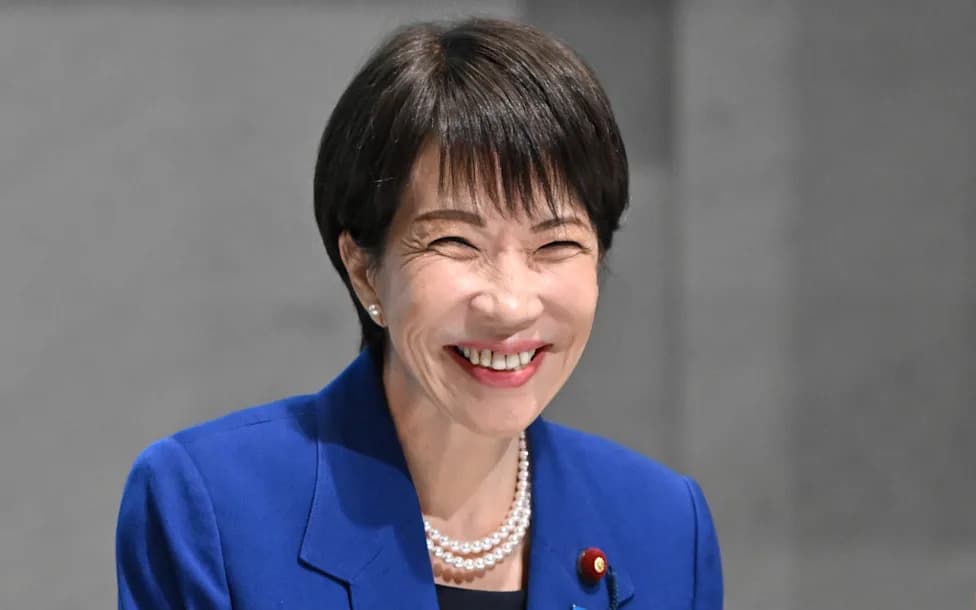
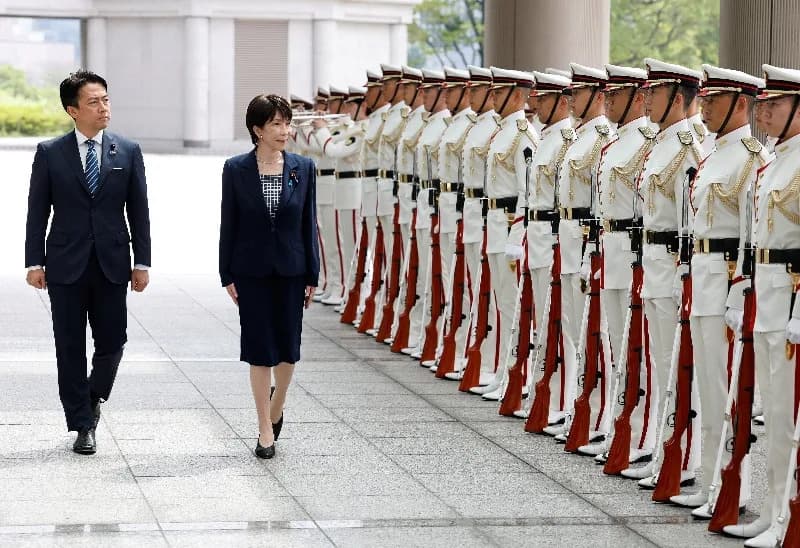
Sanae Takaichi announced on Jan. 19 she will dissolve the lower house and hold a snap election on Feb. 8 to seek a voter mandate three months after taking office. She unveiled economic measures including a proposed two-year suspension of the sales tax on food, steps to reduce the debt-to-GDP ratio and strengthening of social security. The LDP–JIP coalition currently holds a slim 233-seat majority in the 465-seat lower house, and Takaichi said she is "putting her future as prime minister on the line" to win a clearer mandate.
Japan's Prime Minister Calls Snap Feb. 8 Election, Betting Her Future on an Economic Mandate
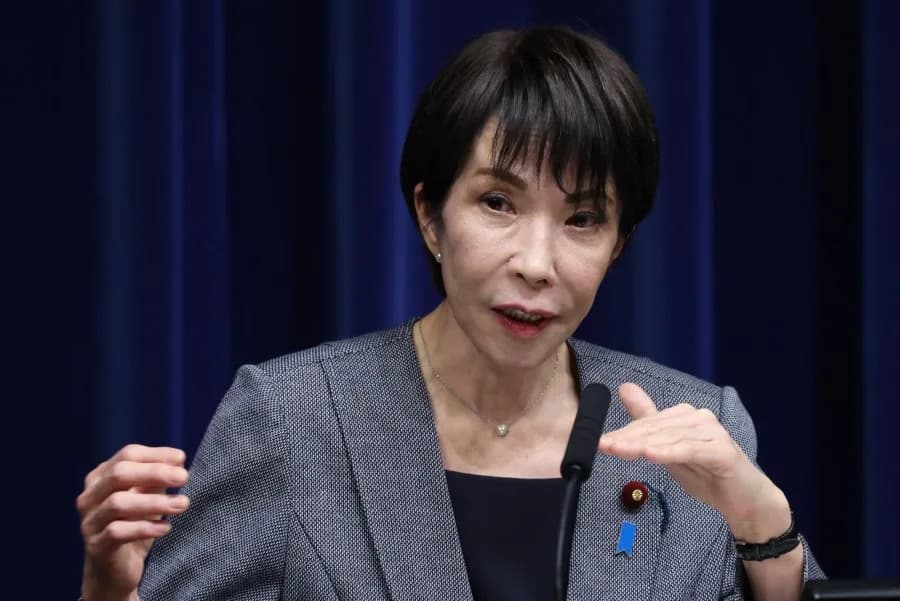
Japan's Prime Minister Sanae Takaichi on Monday said she will dissolve the parliament this week ahead of snap elections in February, a move to gain a mandate from voters for her economic goals. Photo by Kiyoshi Ota/Pool/EPA
Jan. 19 (UPI) — Japanese Prime Minister Sanae Takaichi on Monday announced she will dissolve the lower house of parliament and call a snap election for Feb. 8, three months after taking office. The vote, she said, is meant to secure a clear mandate to press ahead with major policy changes intended to revive Japan's economy.
Takaichi said she will dissolve the lower house, the Diet, on Friday and hold the election on Feb. 8 as she seeks a majority in the 465-seat House of Representatives. The Guardian and the Financial Times reported the announcement.
Alongside the election call, the prime minister unveiled a package of economic measures designed to stimulate growth and ease household burdens. The proposals include suspending the sales tax on food for two years, measures to lower the country's debt-to-GDP ratio over time, and strengthening social security programs. Since taking office last October, Takaichi has also pursued bold fiscal actions such as abolishing the provisional gasoline tax rate and raising the nontaxable income threshold.
“I am putting my future as prime minister on the line,” Takaichi told reporters. “I want the people to decide directly whether they can entrust the management of the country to me.”
Advisers say Takaichi had been considering dissolving the Diet for weeks as they urged her to capitalize on relatively high approval ratings to try to secure a clearer governing majority for the ruling Liberal Democratic Party (LDP).
The conservative, nationalist LDP has long dominated Japanese politics but has underperformed in several recent contests and currently governs in coalition with the populist Japan Innovation Party (JIP). Together the LDP–JIP coalition holds 233 of the lower house's 465 seats, a slim majority that leaves the government vulnerable should it lose seats in the upcoming vote.
What To Watch
- Whether the LDP can convert Takaichi's approval ratings into a stable majority.
- Public response to the proposed two-year suspension of sales tax on food and other fiscal measures.
- The election's impact on Japan's fiscal trajectory and social-security reforms.
As campaigning begins, the February election will be widely watched for its implications on Japan's economic strategy and political stability.
Help us improve.