Sanae Takaichi, Japan's first female prime minister, has emphasized a hardline stance on China, an Abenomics-style economic agenda, and a relentless work ethic rather than gender-based appeals. Her November suggestion that Japan might intervene if China attacked Taiwan triggered diplomatic backlash and export restrictions from Beijing. Leading in polls ahead of snap elections, Takaichi looks set to gain a stronger mandate, though her cabinet includes only two other women and she opposes changing the shared-surname law.
Sanae Takaichi: Japan’s 'Iron Lady 2.0' Eyes a Stronger Mandate as Snap Vote Nears
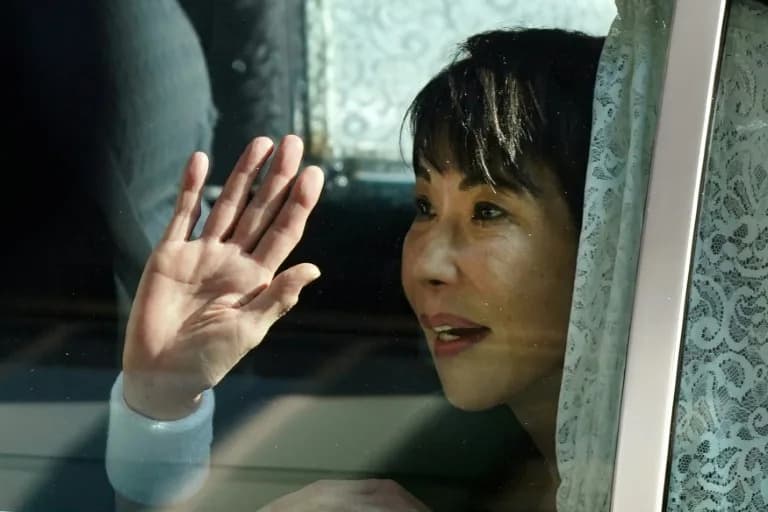
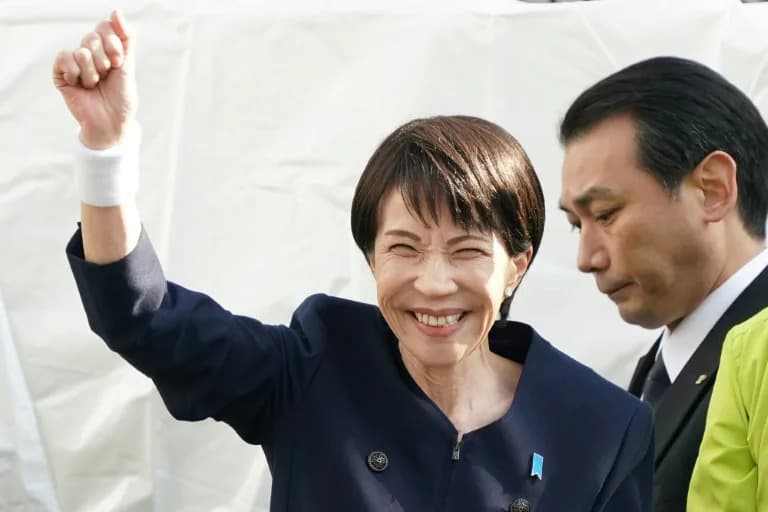
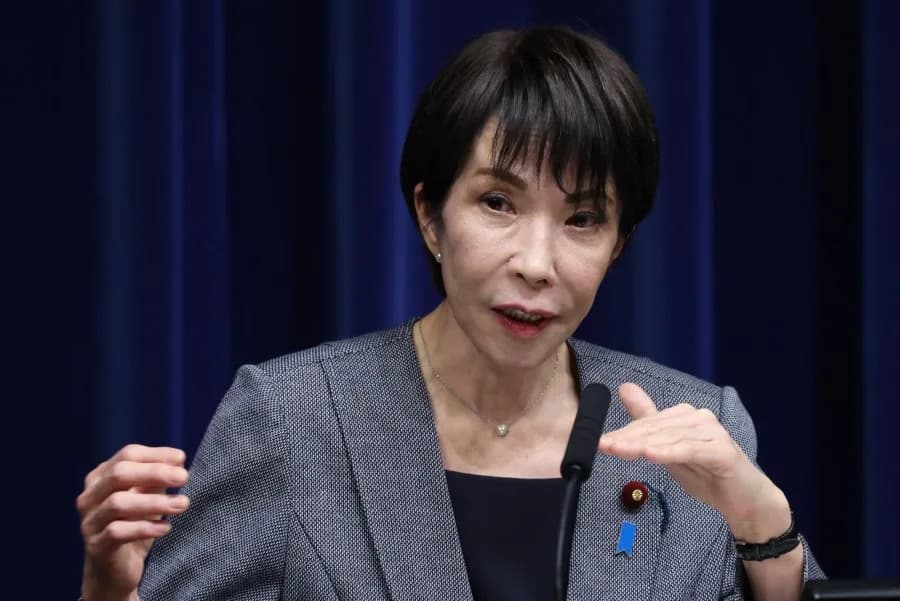
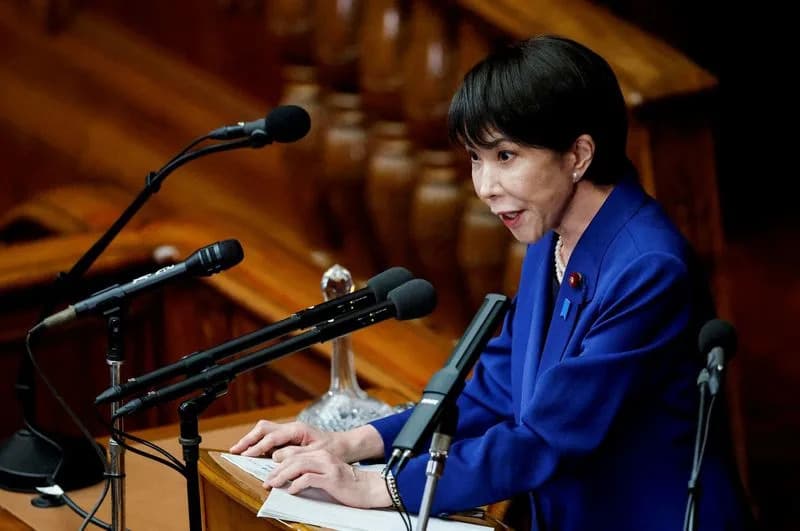
True to her reputation as an ultraconservative, Takaichi as prime minister has sounded tough on immigration and has not shied away from incurring the wrath of China (Kazuhiro NOGI)(Kazuhiro NOGI/AFP/AFP)
Sanae Takaichi, a staunch conservative who has publicly praised Margaret Thatcher, became Japan's first female prime minister in October. Rather than foregrounding gender, her early premiership has been defined by a hardline China policy, a reputation for tireless work, and an unexpected rapport with younger voters.
Political Rise and Context
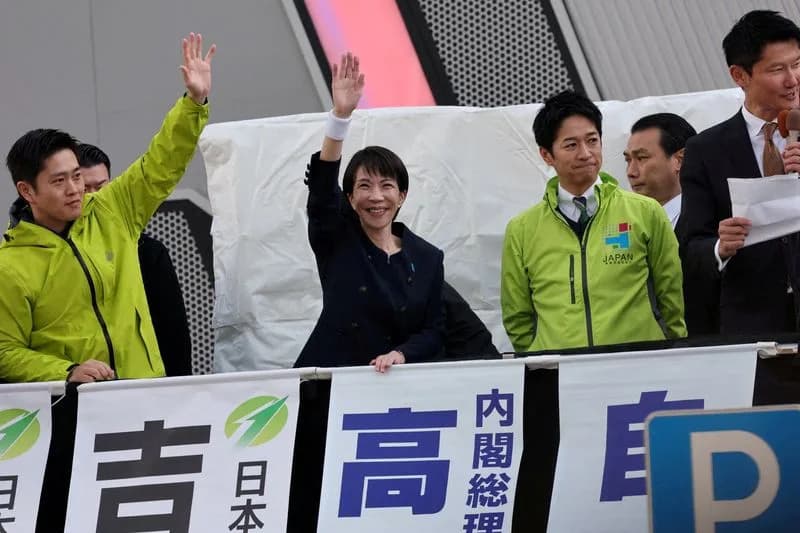
After winning the ruling Liberal Democratic Party (LDP) leadership, Takaichi — a hawk on defence and economic security — became Japan's fifth prime minister in as many years. She inherited an LDP weakened by inflation, a recent slush-fund scandal, and voter defections to the populist, anti-immigration Sanseito party. Leading comfortably in opinion polls ahead of snap elections, the 64-year-old appears poised for a decisive victory that would strengthen her mandate to pursue an ambitious agenda.
China, Taiwan and Export Fallout
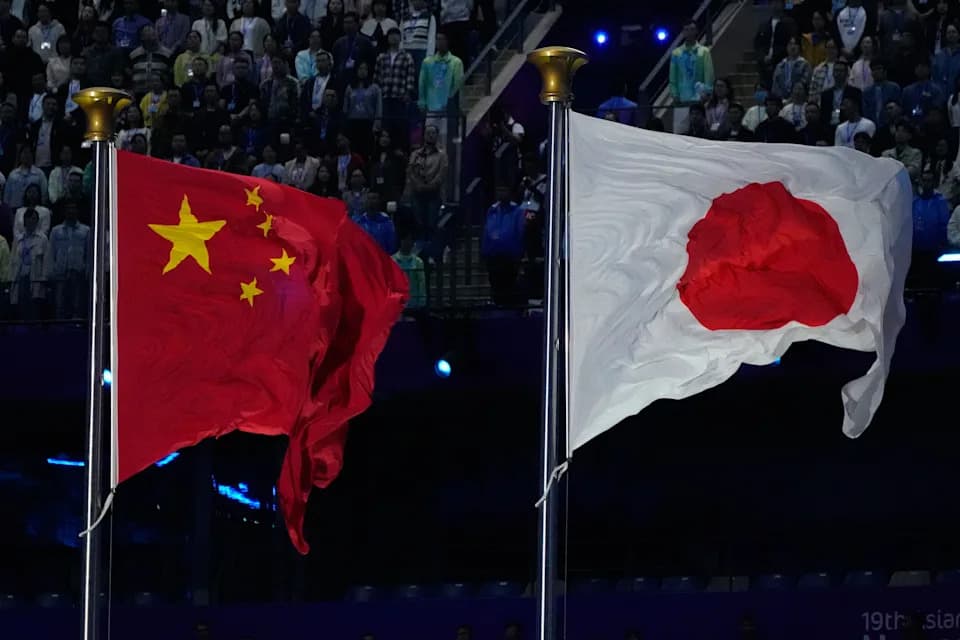
True to her ultraconservative reputation, Takaichi has taken a tough line on immigration and China. In November she suggested Japan could intervene militarily if China attacked Taiwan — a self-ruled island Beijing claims as its territory. The comment triggered a diplomatic row and, in January, Beijing announced broad restrictions on exports of so-called "dual-use" goods to Japan. Reports also indicated Beijing curtailed shipments of rare-earth materials that are important for everything from electric vehicles to missile components.
Domestic Politics and Gender
Although she calls Margaret Thatcher a political idol, Takaichi has not framed her premiership around gender. Her views on family law place her on the right of an already conservative LDP: she opposes changing a long-standing law that requires married couples to share a surname, a rule that typically results in women taking their husband's name. Despite a campaign pledge to raise female representation to "Nordic" levels, she appointed only two other women to a 19-member cabinet. Japan ranked 118th out of 148 countries in the World Economic Forum's 2025 Gender Gap Report, largely because of women's underrepresentation in politics.
Personality, Outreach and Diplomacy
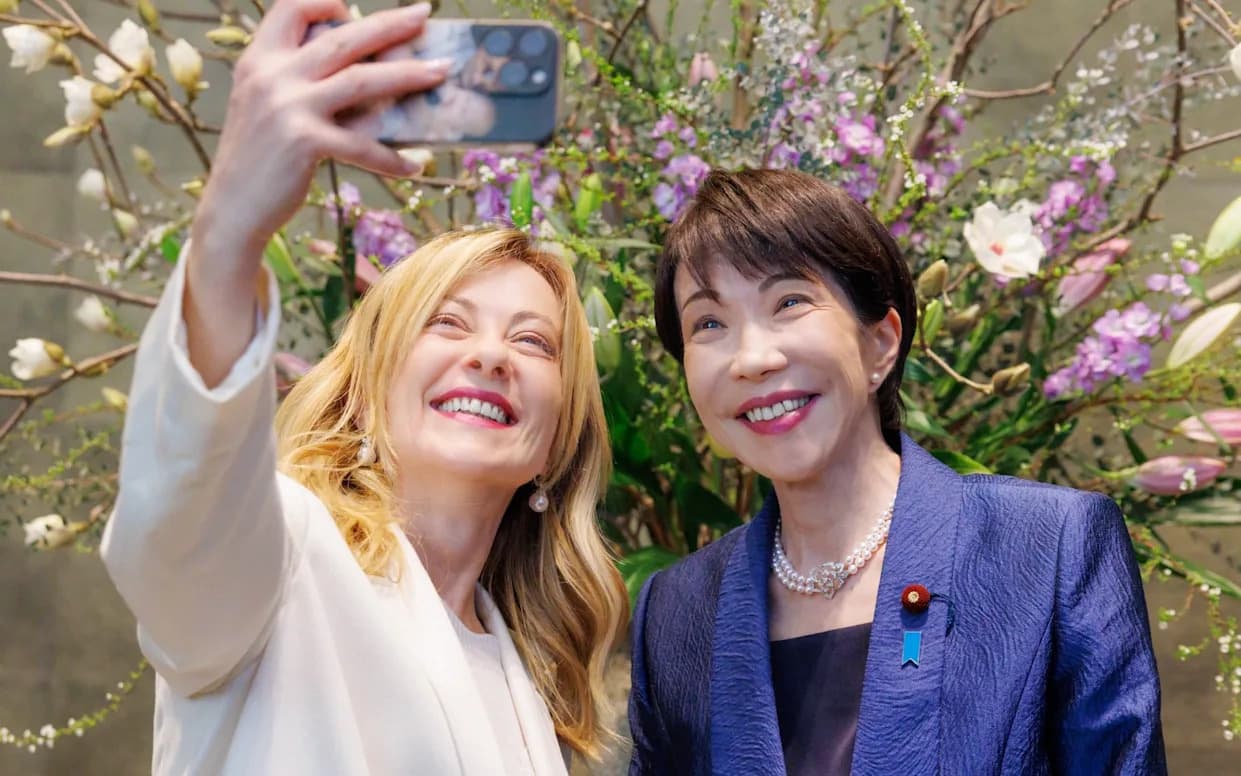
Takaichi's personal style has attracted attention. Once a college heavy-metal drummer, she drew viral praise after a clip showed her enthusiastically drumming alongside South Korean President Lee Jae Myung. Following the playbook of her late mentor Shinzo Abe, she has also moved quickly to cultivate relations with the United States, openly courting former President Donald Trump and presenting him with gifts such as a golf bag, putter and American beef.
Economic Agenda and Work Ethic
On economic policy, Takaichi supports aggressive monetary easing and large-scale fiscal stimulus that echo "Abenomics." If fully implemented, those measures could unsettle markets. She has embraced a frenetic work ethic since taking office — famously vowing, "I shall work, work, work, work and work" — and has said she sleeps only two to four hours a night, once convening a 3:00 a.m. staff meeting to prepare for parliament.
Bottom Line: Takaichi combines hawkish security positions, a market-moving economic agenda, and a high-energy leadership style. A strong election result would give her latitude to press both domestic and foreign-policy priorities — but it may deepen tensions with Beijing and raise questions about Japan's gender-progress credentials.
Help us improve.