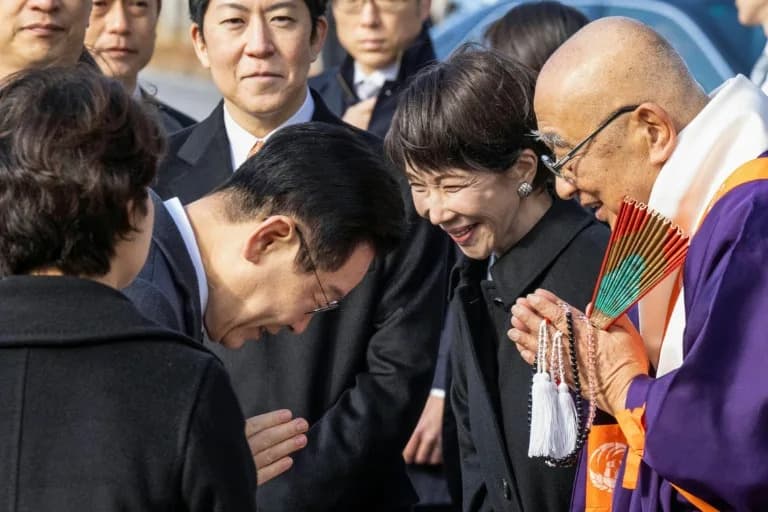
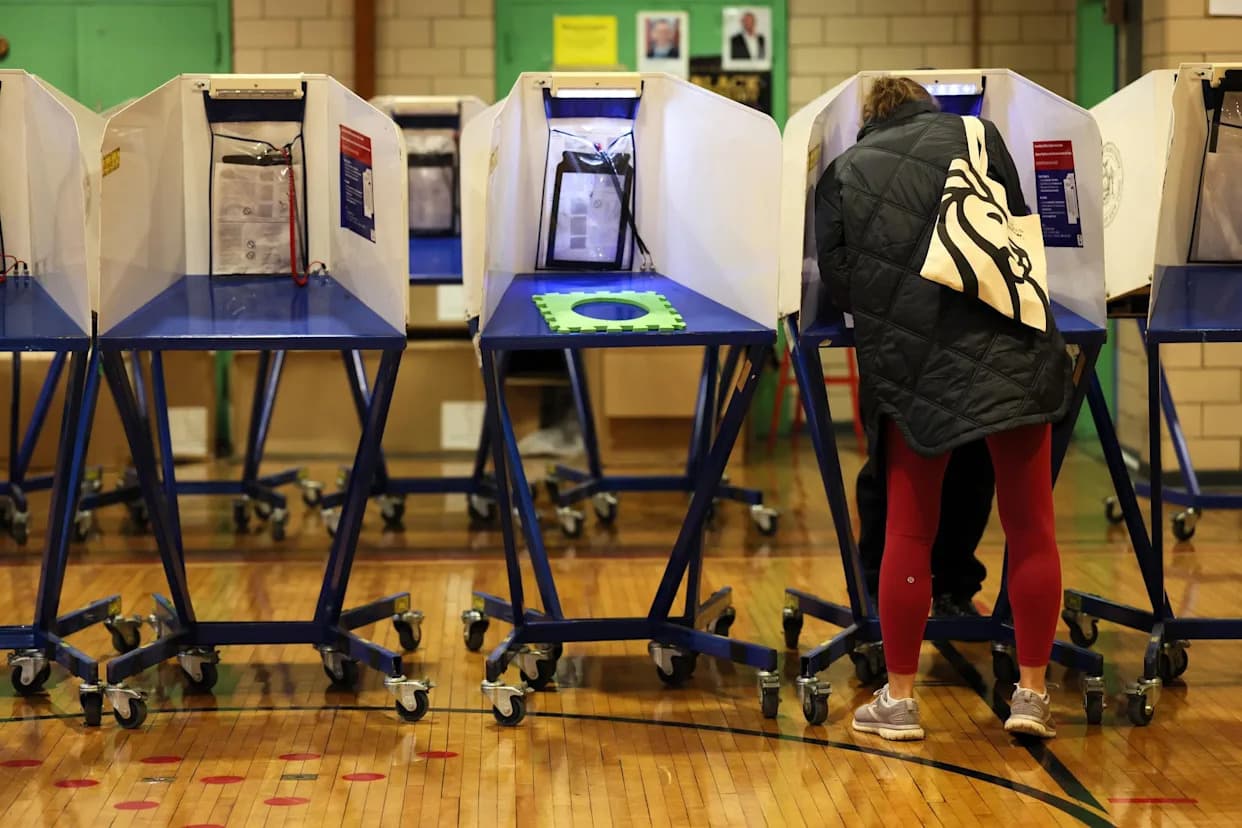
Sanae Takaichi, Japan’s newly installed first female prime minister, is preparing to dissolve the lower house and call a snap election to secure a firmer mandate. The LDP-led coalition holds a narrow 233 of 465 seats after recent setbacks, and the party lost the upper house in 2025 amid scandals. Critics warn a snap vote could delay the 2026 budget and price-relief measures, while supporters say a decisive win would restore stability — though economic risks like a weak yen and rising rates could undercut her popularity.
Why Japan’s New Prime Minister Is Betting Everything on a Snap Election
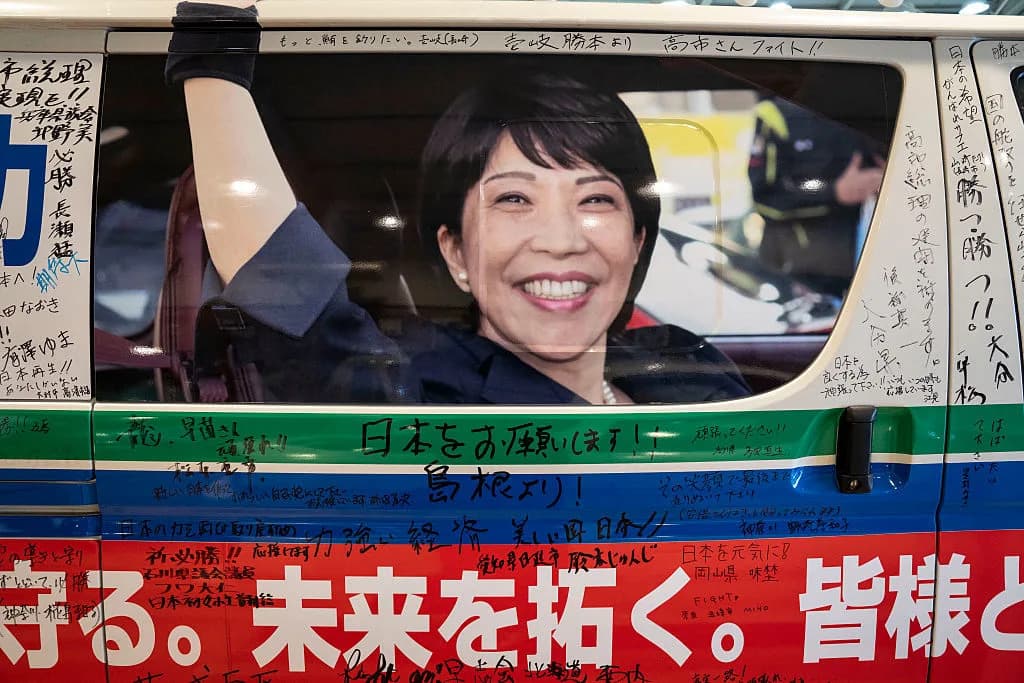
Photo credit: Yuichi Yamazaki—AFP/Getty Images. A vehicle bearing a photograph of Prime Minister Sanae Takaichi and messages from supporters was exhibited at a museum in Nara, Japan, on Jan. 14, 2026.
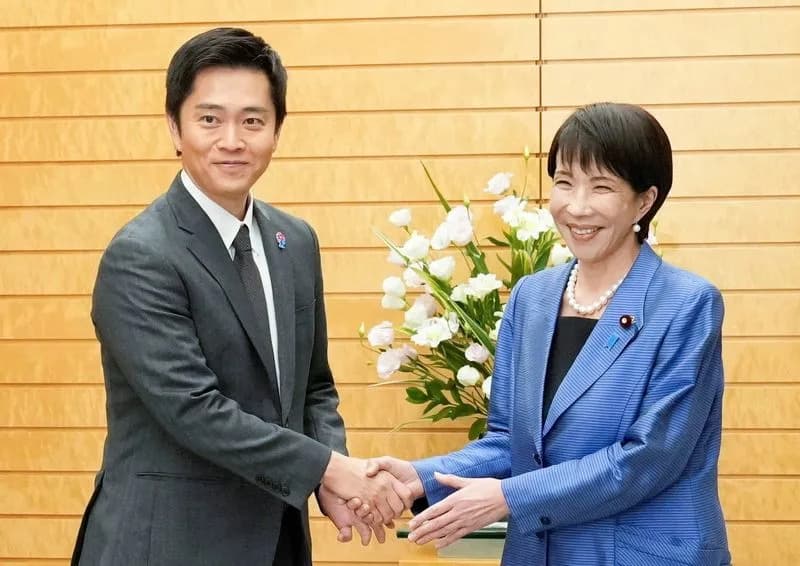
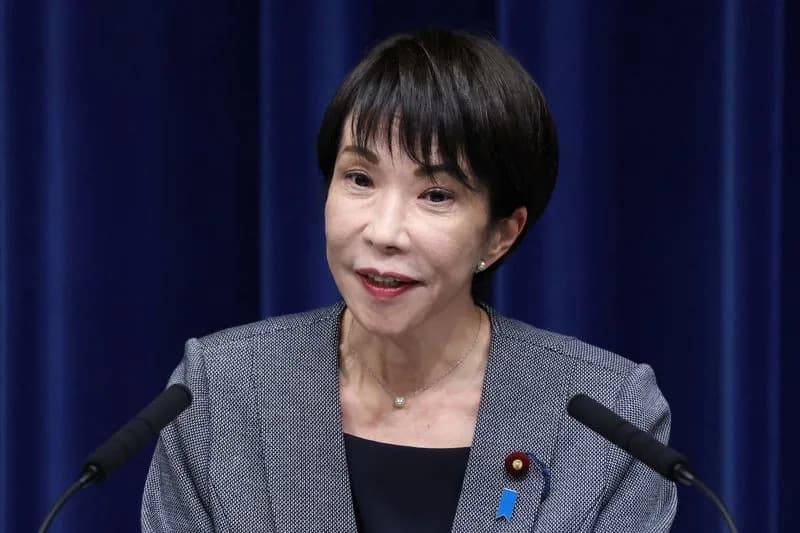
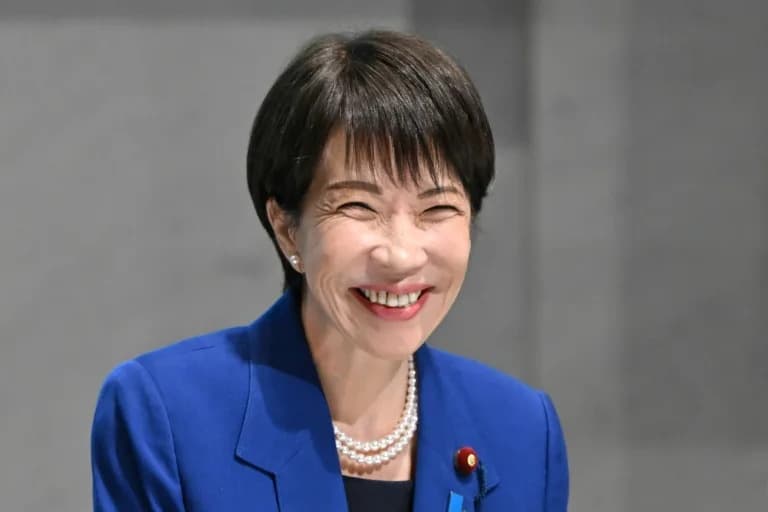
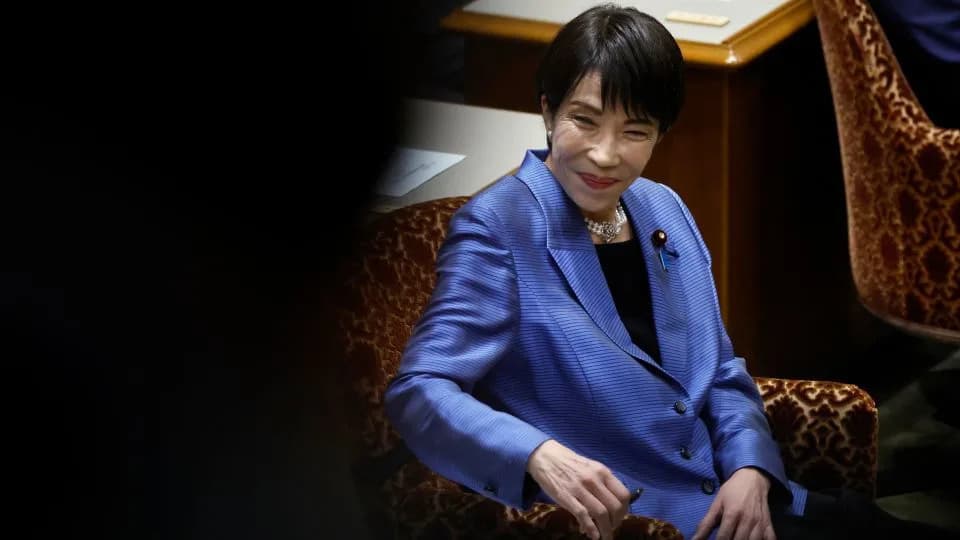
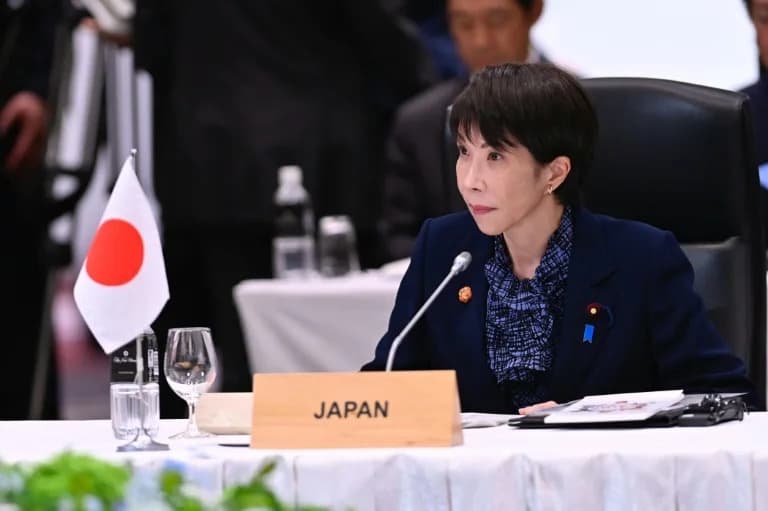
Sanae Takaichi, who recently made history as Japan’s first female prime minister after Shigeru Ishiba stepped down as leader of the ruling Liberal Democratic Party (LDP), is preparing a high-stakes political gamble: dissolving the House of Representatives and calling a snap general election.
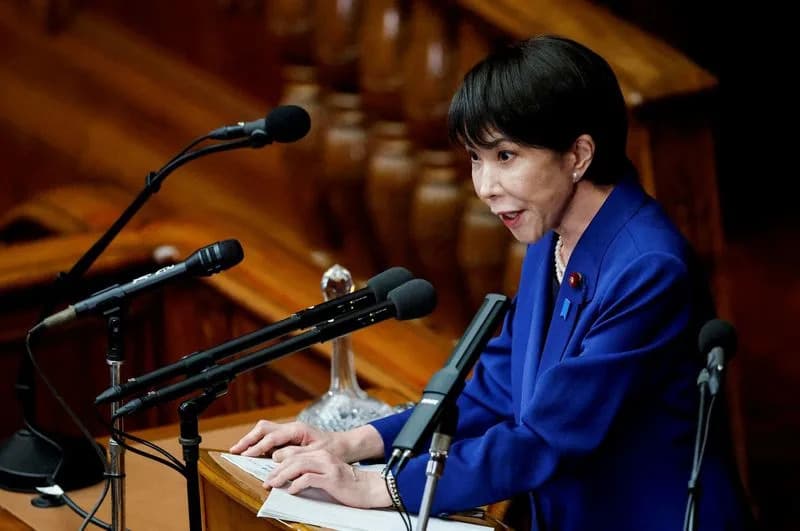
According to reports, Takaichi informed senior LDP figures and members of the Japan Innovation Party that she intends to dissolve the lower, more powerful chamber of Japan’s Diet shortly after the new legislative session opens on Jan. 23. LDP Secretary-General Shunichi Suzuki told reporters the objective is to “at the very least secure a majority” in the 465-seat lower house, where the LDP-led coalition currently holds a slim 233 seats.
Why She’s Calling a Vote
The move is designed to consolidate Takaichi’s authority and end the rapid turnover of prime ministers that has characterized recent Japanese politics. She is the fourth LDP prime minister to take office since Shinzo Abe, who led the party from late 2012 until his resignation in September 2020. Party officials say a strong electoral mandate would allow Takaichi to push a broader economic agenda and present a more stable leadership to international partners.
Political Headwinds and Risks
The LDP’s grip has weakened in recent years. The party lost control of the upper house in the 2025 elections amid scandals and public frustration over perceived failures to deliver meaningful reforms. Fringe parties made gains, complicating the LDP’s electoral prospects.
Critics warn an early election could also have near-term costs: it may delay passage of Japan’s fiscal 2026 budget and postpone promised price-relief measures intended to help households facing rising costs. Some senior LDP members reportedly voiced concern that the new government should first produce legislative accomplishments before campaigning.
“She’s hoping to rekindle that magic of the Abe era when the LDP ruled supreme,” says Jeff Kingston, professor of Asian studies at Temple University’s Japan campus.
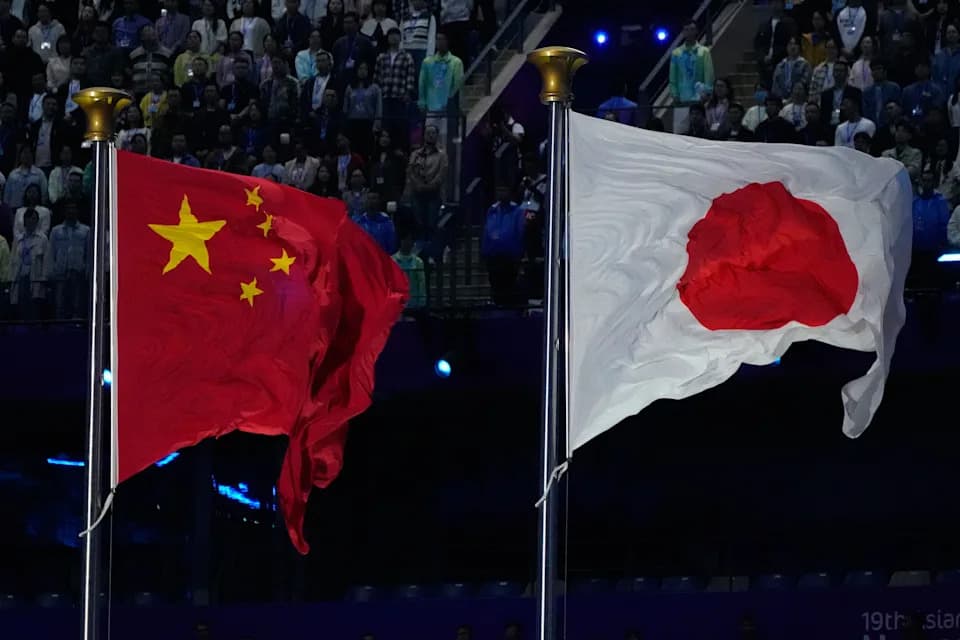
Takaichi has enjoyed high approval ratings since taking office, helped in part by high-profile diplomatic positioning — including cultivating ties with U.S. President Donald Trump and taking a firm stance that has drawn criticism from China. Experts say she has been effective at managing media optics and political spectacle, but they note she has yet to deliver major policy achievements.
“She’s been very good at the optics of leadership...but she hasn’t actually delivered anything substantial,” Kingston adds.
“She is seen as hardworking, relatable, and committed,” says Stephen Nagy, professor of international relations at International Christian University and visiting fellow at the Japan Institute for International Affairs, “but she needs a positive agenda to strengthen her mandate at home.”
Analysts caution that Takaichi’s current popularity may be fragile. Economists point to a weakening yen and rising interest rates tied to expansionary fiscal measures — dynamics that could accelerate inflation and deepen Japan’s cost-of-living pressures. If economic strains intensify, approval ratings could erode before an election campaign reaches voters.
Next Steps
Takaichi is expected to make a formal announcement outlining her rationale for an early election. Meanwhile, opposition parties — notably the Constitutional Democratic Party — are reported to be coordinating with other parties such as Komeito to oppose or blunt her bid. The snap election will test whether Takaichi can translate peak approval and theatrical leadership into a durable parliamentary majority and a workable policy agenda.
Contact: letters@time.com
Help us improve.