Ring’s Super Bowl ad showcased a "Search Party" feature that uses AI to match lost-dog photos with footage from outdoor cameras. Presented as a neighborhood-helping tool, critics warn the same capability could be repurposed to track people. Concerns are heightened by Ring’s partnership with Flock Safety, reports alleging ICE used Ring footage, and DHS investments in AI systems like Palantir and Mobile Fortify. Privacy advocates say current safeguards are inadequate.
Ring’s Super Bowl Ad Turns Lost-Dog Pitch Into a Warning About Ubiquitous Surveillance
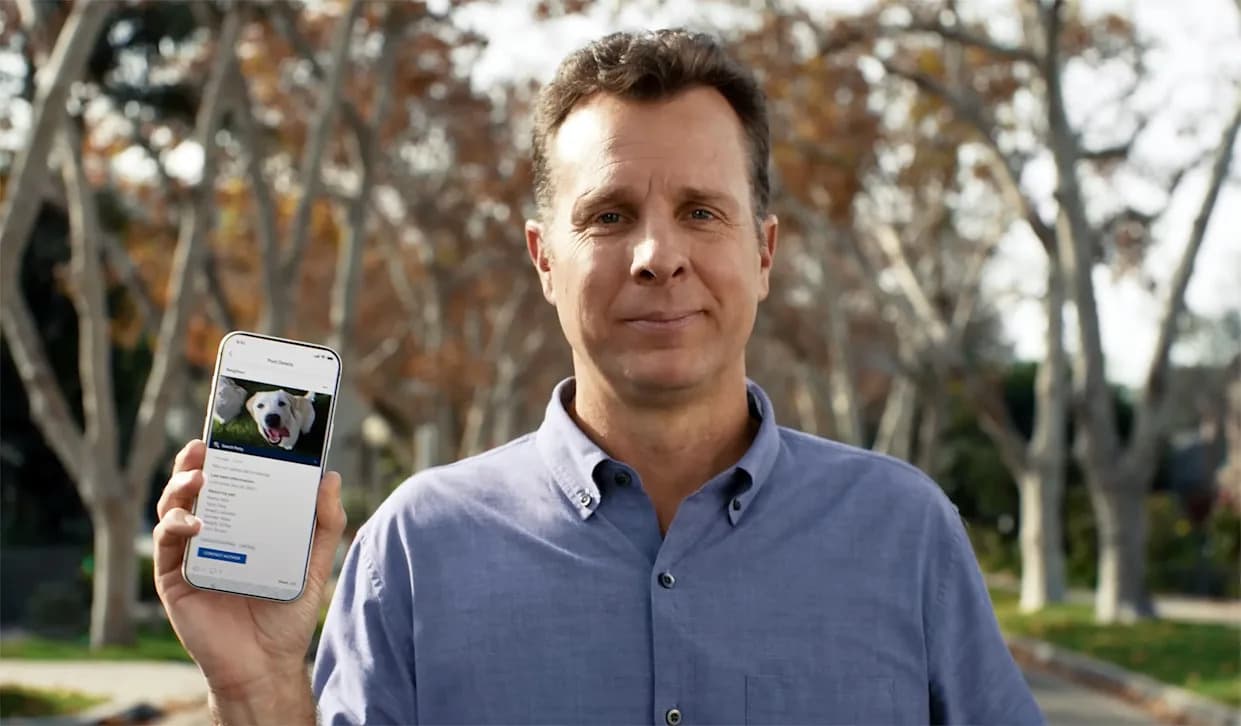
Ring is using lost dogs to make the surveillance state adorable
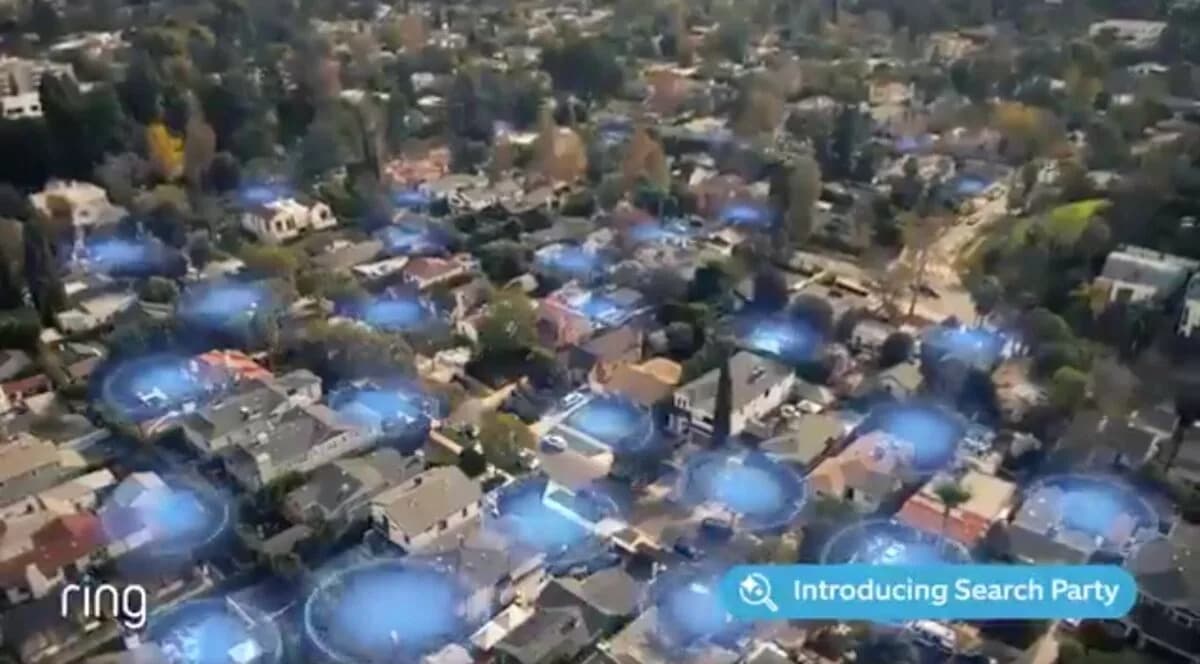
A 30-second Ring commercial that aired during the Super Bowl used a seemingly wholesome scenario — a "Search Party" that helps reunite families with lost dogs — to spotlight a wider concern: how home surveillance and AI can be repurposed to track people.
Ring founder Jamie Siminoff appears in the spot, explaining that “one post of a dog’s photo in the Ring app starts outdoor cameras looking for a match,” describing the feature as using artificial intelligence “to help families find lost dogs.” The ad frames the tool as an update to neighborhood missing-dog flyers and invites viewers to “be a hero in your neighborhood.”
Why Privacy Advocates Are Worried
The visuals of a near-complete web of outdoor cameras scanning a suburban block may feel reassuring to some, but privacy advocates see a troubling escalation. Unlike Ring’s Fire Watch feature — designed to detect smoke or flames — using AI to identify and follow a living being’s movements raises the prospect that the same systems could be used to locate and track people.
“Finding lost dogs can be a cover for building a pervasive visual net,” privacy experts warn, noting that staged reunions in an ad cannot erase the broader implications.
Policy Concerns and Partnerships
Concerns intensified after Ring announced a partnership with Flock Safety, a company that collects license-plate data and works with law enforcement. The integration allows Ring Community Requests to work with FlockOS and Flock Nova platforms, enabling agencies to request video through the Ring Neighbors feed. Ring says users decide whether to share footage; Flock says customers own the license-plate data. However, legal orders (warrants, subpoenas) or existing information-sharing agreements with federal agencies could still provide access.
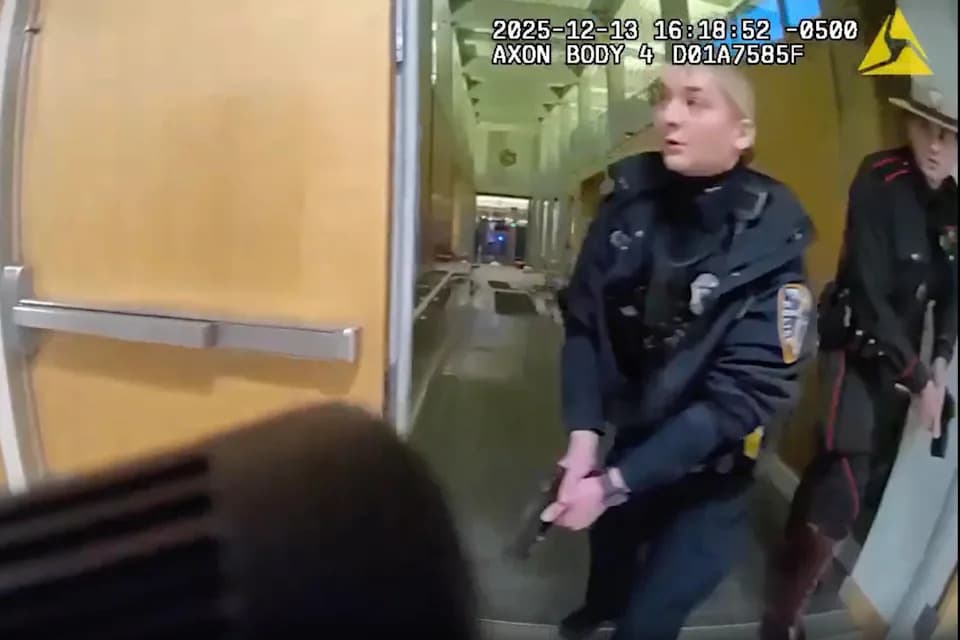
Activists have also alleged that Immigration and Customs Enforcement (ICE) officers have used Ring footage to facilitate raids and arrests, allegations both companies deny receiving directly. Even if Ring and Flock don’t hand footage straight to federal agencies, the chain of access through local partners and legal processes remains a vulnerability.
DHS Use Of AI In Context
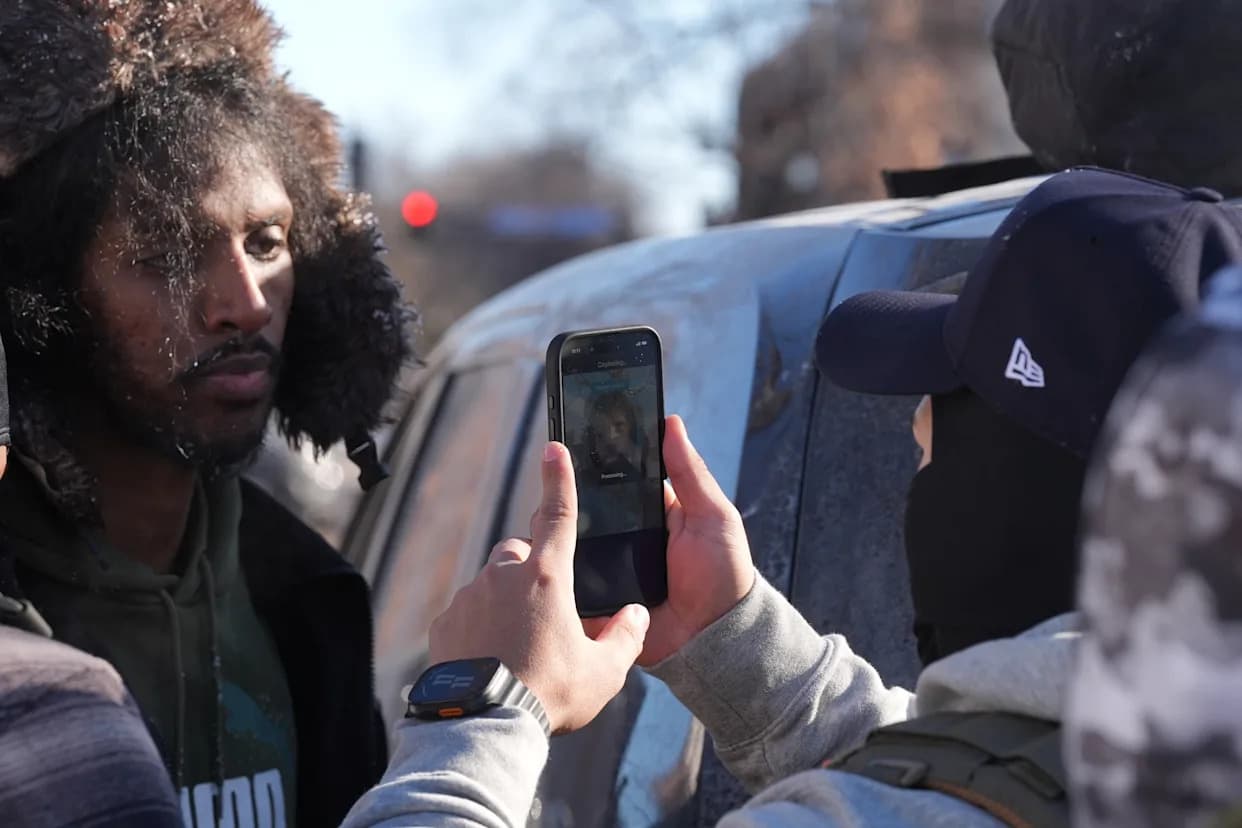
The wider context matters: the Department of Homeland Security is rapidly integrating AI into its operations. Reporting has highlighted tools such as a nearly $30 million Palantir system described as helping to find and track people for deportation, and an app called Mobile Fortify reportedly used by federal agents to scan protesters’ faces for quick identification. Those developments have intensified calls in Washington for stronger safeguards and oversight.
Democrats and civil-liberties advocates are pushing reforms such as mandatory body cameras for ICE agents and limits on how footage can be used. But policy protections can change quickly, and executive directives could modify the rules governing surveillance use.
Technology Limits And Risks
Facial recognition and related AI systems have improved, yet they remain imperfect. False positives and algorithmic errors in high-stakes settings — arrests, deportation, or public surveillance — can have severe real-world consequences.
Ring’s website notes that camera owners control their footage and can opt out of the Search Party feature. Still, when cameras are widespread across neighborhoods, individual opt-outs leave abundant visual data available to corporate systems or accessible via partners and legal processes.
Current safeguards appear insufficient to guarantee against misuse by government agencies or other actors with legal access. Millions remain exposed to the risk that doorbell-camera networks and their associated AI tools could be used to trace people who pass within view of a lens.
Note: This article summarizes reporting and concerns raised by privacy advocates, news organizations, and public records about Ring, Flock Safety, ICE, and DHS AI programs.
Help us improve.