Prime Minister Sanae Takaichi urged voters to back a platform of stricter immigration screening and a stronger economy on the eve of snap elections, as polls point to a likely LDP-led majority and possible two-thirds supermajority. She has proposed a $135 billion stimulus and temporary food tax relief to ease inflation, moves that have alarmed some investors. Her comments on potential intervention over Taiwan drew a sharp diplomatic response from China. Observers say a strong electoral mandate would allow her to push broad economic and security reforms.
Takaichi Vows Tougher Immigration Checks and Bold Economic Push Ahead of Snap Vote
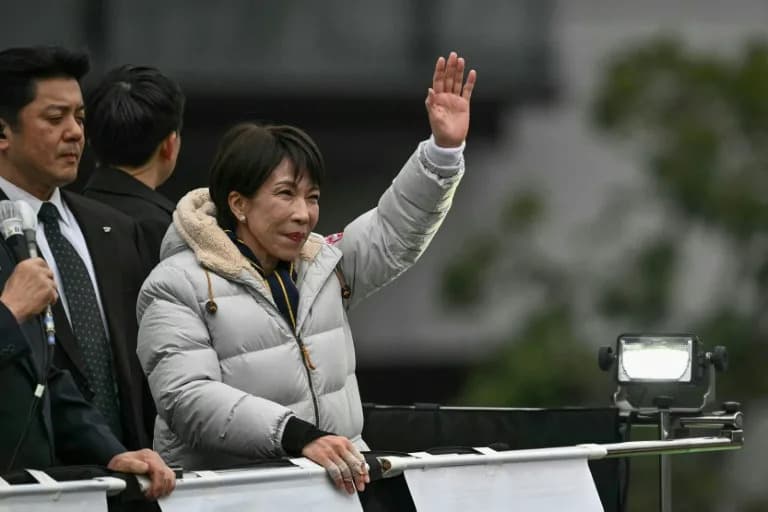
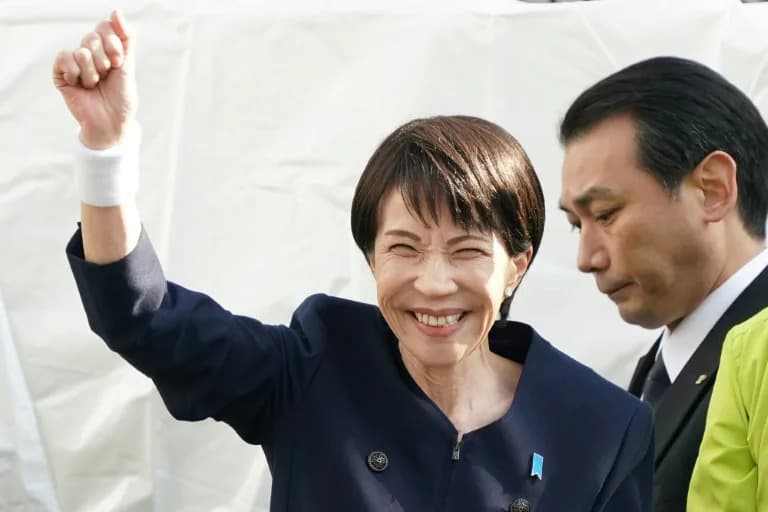
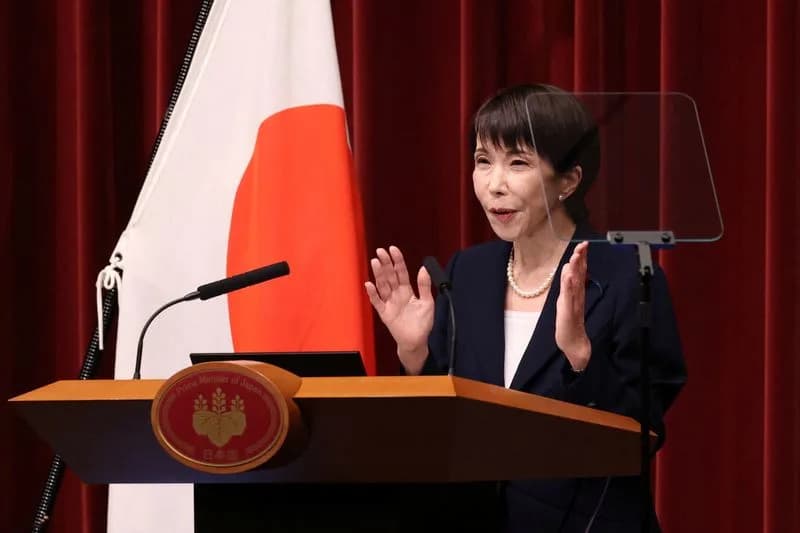
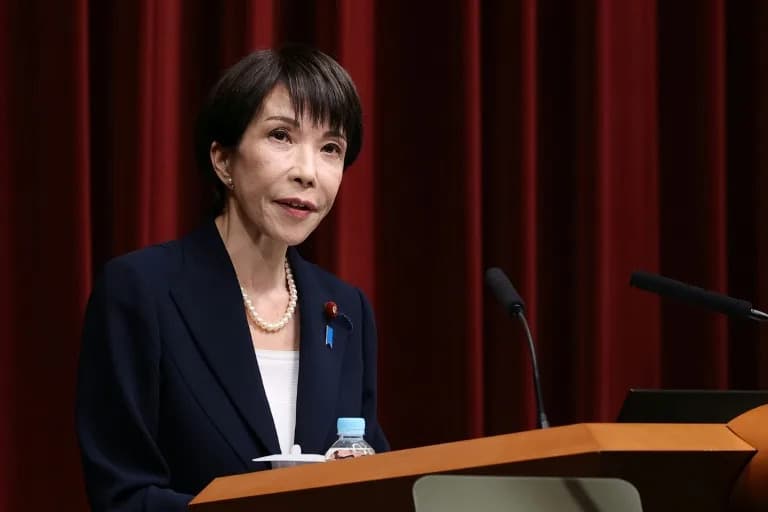
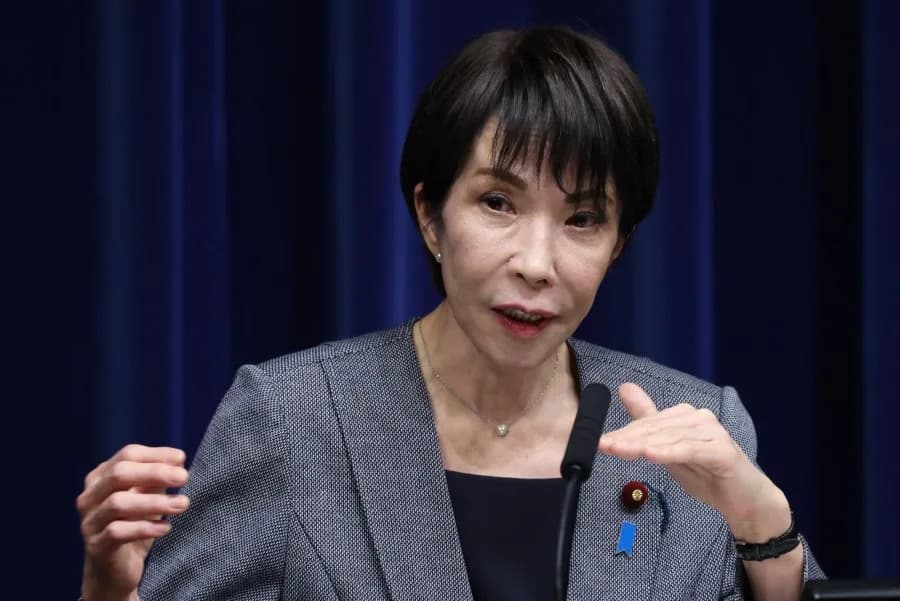
Prime Minister Sanae Takaichi pledged tougher immigration screening in a final appeal to voters on the eve of snap elections (Philip FONG)(Philip FONG/AFP/AFP)
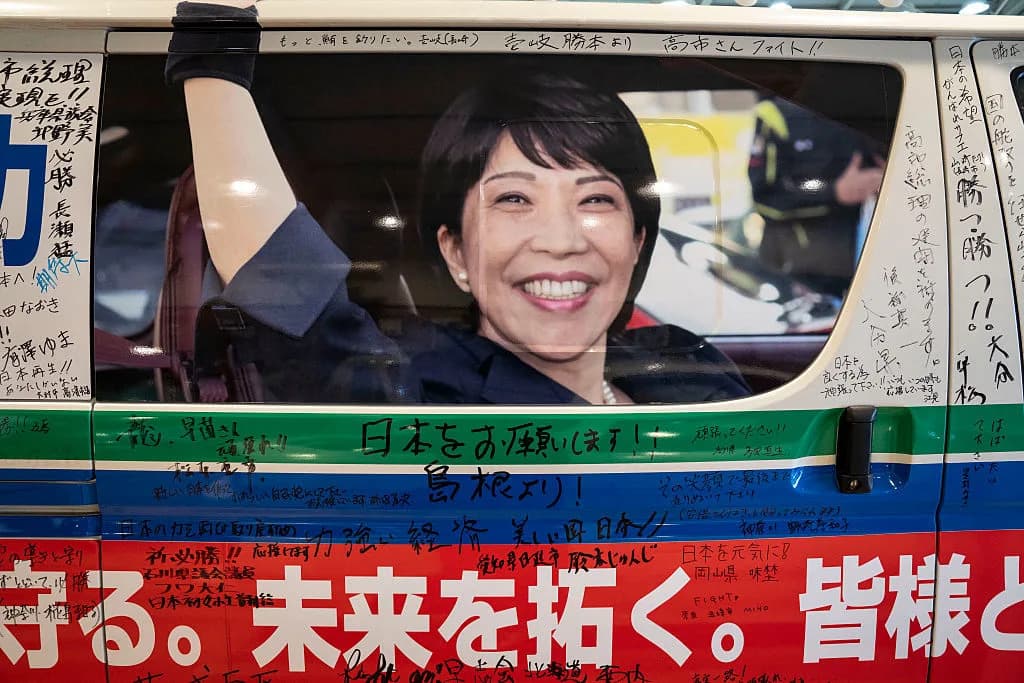
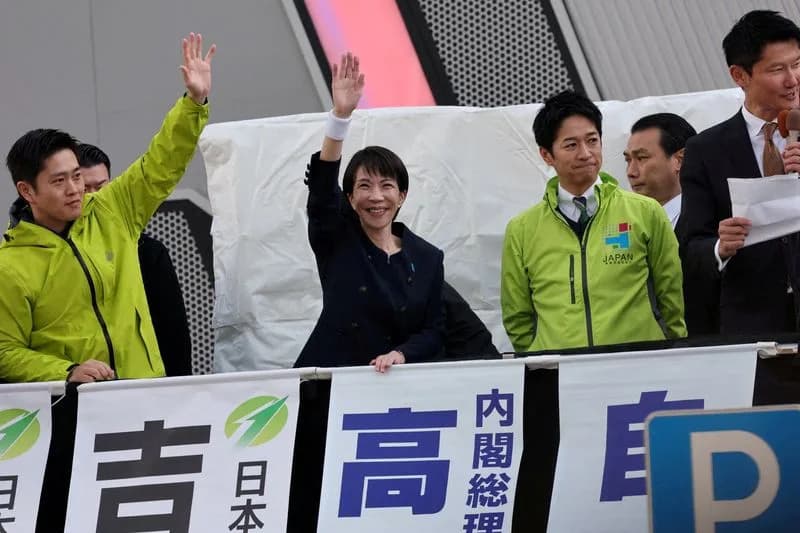
Prime Minister Sanae Takaichi on Saturday urged voters to back a platform of stricter immigration screening and a stronger economy as she made a final appeal ahead of snap elections expected on Sunday. Opinion polls suggest her Liberal Democratic Party (LDP)-led coalition could win a comfortable majority — possibly even a two-thirds supermajority in the lower house — giving her broad latitude to pursue ambitious reforms.
Campaign Pitch: Security, Services and Growth
"Pushing the button for growth is the Takaichi cabinet's job. Japan will become more and more prosperous and safer," the 64-year-old told a rally in Tokyo attended by thousands. She framed tighter immigration checks as part of a wider agenda to protect public safety and ensure foreigners contribute to Japan's social systems.
"Immigration screening has already become a little stricter, so that terrorists, and also industrial spies, cannot enter easily," she said. "We must properly examine whether (foreigners) are paying taxes, whether they are paying their health insurance premiums."
Takaichi painted a vision of "a Japanese archipelago where, no matter where you live, you can live safely, where you can receive the medical care and welfare support you need, where you can receive high-quality education, and where proper workplaces and jobs exist." She emphasized that expanding welfare, healthcare and education requires a stronger economy.
Political Context
Takaichi became Japan's fifth prime minister in as many years when she took office in October. Her rise followed a series of electoral setbacks for the once-dominant LDP that left it short of parliamentary majorities. Popular among many ordinary and younger Japanese — where she has been prominent on social media and in youth culture — Takaichi's platform has appealed to voters who want both stability and economic relief.
Her hardline stance on immigration appears to have blunted, at least temporarily, the momentum of the populist Sanseito party, which performed strongly in last year's upper house elections.
Policy Proposals And Market Reaction
Takaichi has proposed a roughly $135 billion stimulus package and has floated a temporary exemption of food from Japan's consumption tax to ease inflationary pressure on households. Those measures, together with her broader economic agenda, have unsettled some investors: yields on long-term Japanese government bonds recently hit record highs after the tax-exemption announcement.
Foreign Policy And Regional Tensions
Internationally, Takaichi's remarks on Taiwan have drawn close attention. Barely two weeks into office she suggested Japan might intervene if China used force to seize self-ruled Taiwan — a stance that prompted a diplomatic rebuke from Beijing, a summons of Japan's ambassador, travel warnings for Chinese citizens and joint air drills conducted by China and Russia around Japanese airspace.
Analysts say the result of Sunday's vote will determine how quickly and how far Takaichi can move on both economic and security policies. Jeff Kingston, a history professor at Temple University Japan, told AFP he expects she may win a strong mandate to pursue an ambitious set of reforms.
Grassroots Reaction
At her Tokyo rally a 17-year-old supporter, Yuka Ando, said Takaichi's status as Japan's first female prime minister made her inspiring to young people. "As she is the first woman PM, it makes her look special, too. Thanks to her, I became interested in politics," Ando told reporters.
Note: Polls are subject to change as undecided voters make last-minute choices. Final results will clarify whether Takaichi's LDP secures a simple majority or the larger two-thirds supermajority it seeks.
Help us improve.