Women in multiple countries say men wearing smart glasses have been secretly recording them during normal interactions and posting the footage online without consent. These clips—often called "rizz" videos from so-called "manfluencers"—can reach millions of views and attract abusive comments. Experts warn the devices magnify gendered power imbalances; Meta points to recording indicators and tamper detection but acknowledges some misuse. Campaigners call for clearer legal protections and faster platform enforcement to prevent privacy violations.
‘Manfluencers’ And Smart Glasses: Women Say They’re Being Secretly Filmed During Everyday Encounters
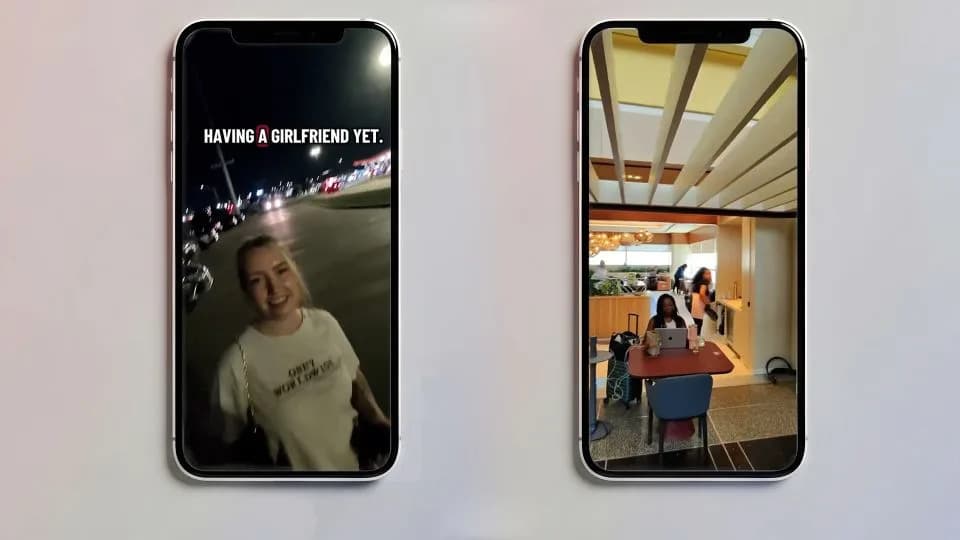
TikTok/AdobeStock
Women in the U.S., U.K. and elsewhere report that some men are using smart glasses to secretly record routine interactions and then post the footage online without consent. The clips—often framed as "rizz" videos or produced by so-called "manfluencers"—can attract millions of views and abusive comments, amplifying concerns about privacy and gendered harassment.
What happened to the women interviewed

Toluwa, pictured, was filmed without her knowledge while waiting for a flight in an airport lounge in Washington, DC. - CNN
Toluwa, waiting at a Washington, D.C. airport lounge, exchanged numbers with a man who later sent her footage he had filmed of her without warning. He pressured her to approve the clip and uploaded it online despite her not explicitly consenting; the video circulated widely.
A DJ who goes by "Manic Muse" described a similar encounter in a Texas grocery store. After she gave a man her number, she later suspected he was wearing Meta AI smart glasses. He stopped responding when she asked if he had recorded her, and by the next morning the clip of her had been posted and reached over 20 million views.
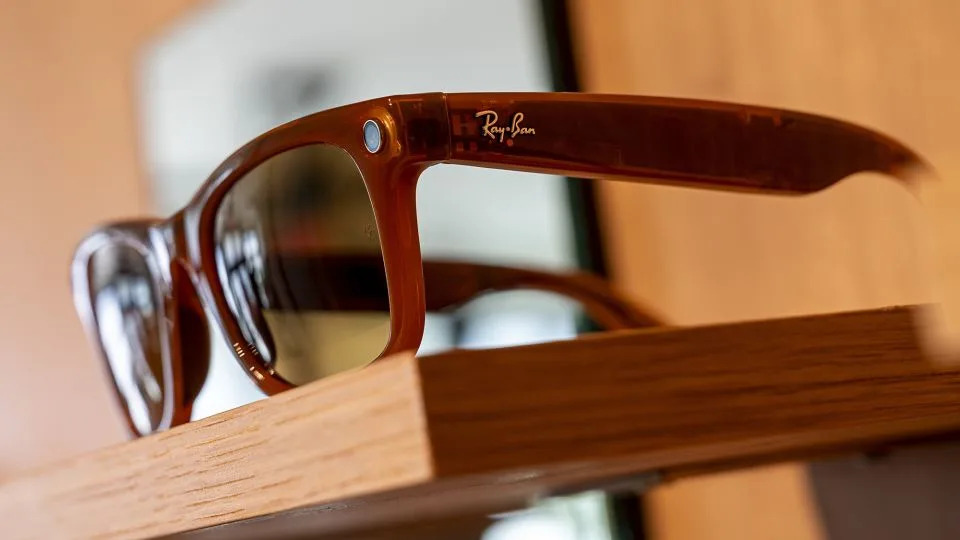
Smart glasses can play into the hands of certain male content creators. Pictured, a pair of second generation Ray-Ban Meta Smart Glasses. - David Paul Morris/Bloomberg/Getty Images
Anne-Marie, on holiday in Malta, says a man wearing smart glasses filmed her without permission and posted the footage. She reported it to local police and later to platforms; Instagram and TikTok removed the clip after she filed complaints.
Why smart glasses matter
Smart glasses contain built-in cameras that look like ordinary eyewear and are becoming more common. Manufacturers such as Meta say their glasses include a recording LED and tamper-detection features; Meta told CNN that the LED "activates whenever someone captures content" and that its terms prohibit misuse, including privacy infringement.

One woman told CNN she believed she was having a genuine interaction with a stranger. - CNN
However, several interviewees said they did not see any recording light during their encounters. Small LED-blocking stickers are sold online and can obscure indicator lights, and critics warn that the devices can enable covert recording in public spaces.
Expert and campaigner concerns
Stephanie Wescott, a feminist academic at Monash University, said the trend reflects the gendered abuse of technology: smart glasses can reinforce a power dynamic in which men "can be watching, recording and therefore controlling women’s images in public spaces without their knowledge."
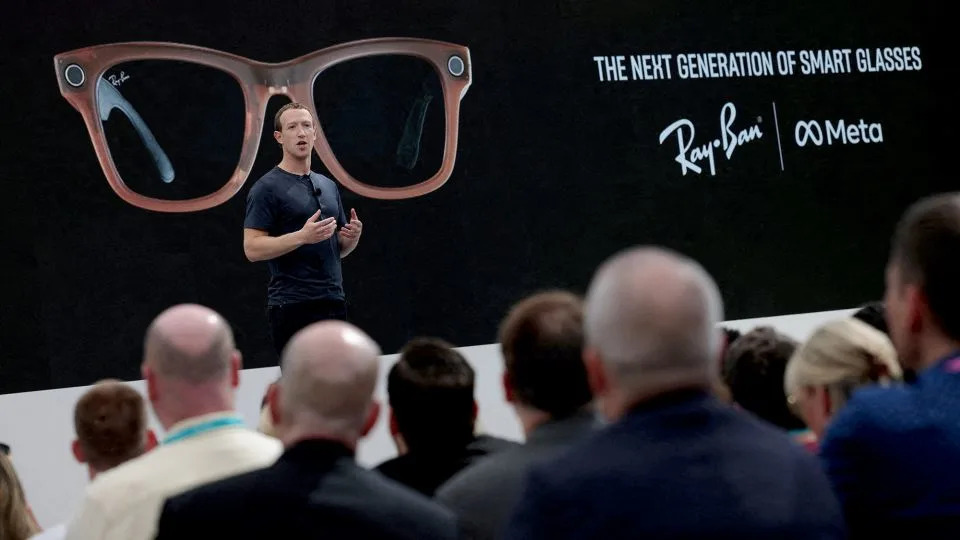
Meta CEO Mark Zuckerberg delivers a speech, as a pair of Ray-Ban smart glasses appear on screen, during an event in 2023. - Carlos Barria/Reuters
Rebecca Hitchen of the End Violence Against Women Coalition (EVAW) called non-consensual recording "a violation of women’s rights to privacy and to exist freely in public space," and urged governments to update laws to address emerging digital threats.
Legal and platform responses
Legal protections differ by country. In the U.K. and U.S., filming people in public is generally permitted, though harassment and certain privacy and data-protection rules may apply—especially if footage is uploaded and used commercially. Platforms like Instagram and TikTok will remove material reported for privacy violations, but victims say takedowns do not always arrive quickly enough to prevent wider harm.
Takeaway: The combination of wearable cameras and social-media incentives has created a new vector for privacy violations and misogynistic content. Experts, campaigners and platforms say stronger rules, clearer enforcement and public awareness are needed to protect people from being recorded and exploited without consent.
Help us improve.