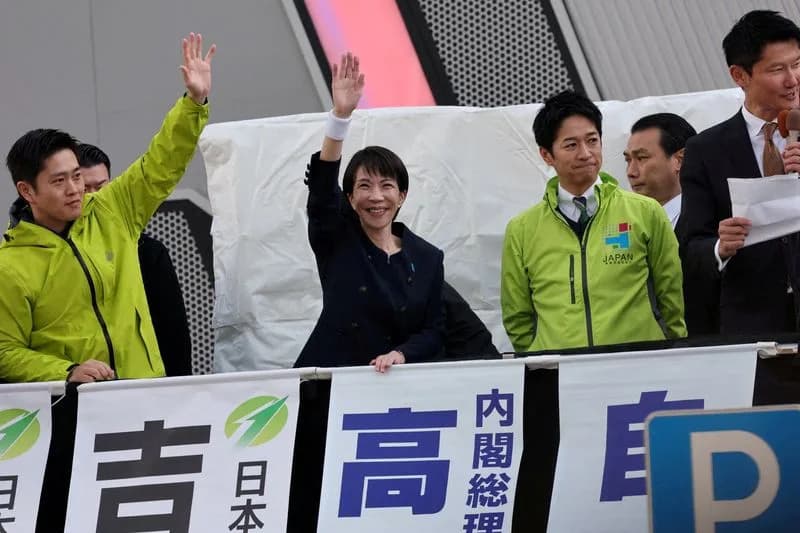
Sanae Takaichi’s decisive victory has strengthened the push to revise Japan’s pacifist constitution, drafted in the 1940s under Allied occupation. Rising tensions with China and pressure from the U.S. have shifted debate toward a larger defence role for Tokyo. Some officials are even discussing once-fringe ideas, including nuclear options, prompting cautions that the electoral win is not unconditional approval for sweeping change.
Takaichi’s Landslide Win Clears Path to Rewrite Japan’s Pacifist Constitution — Nuclear Debate Reignites
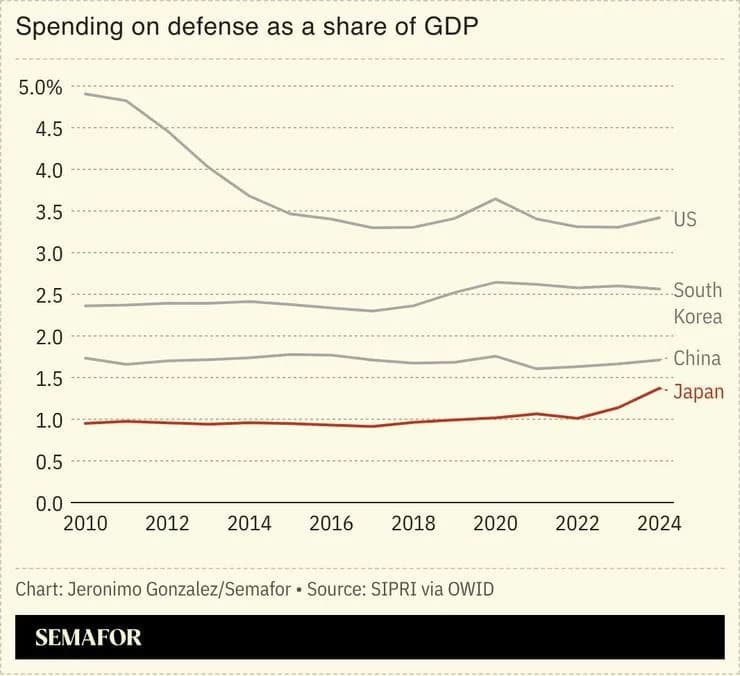
A chart showing the share of GDP spent on defense for several nations.
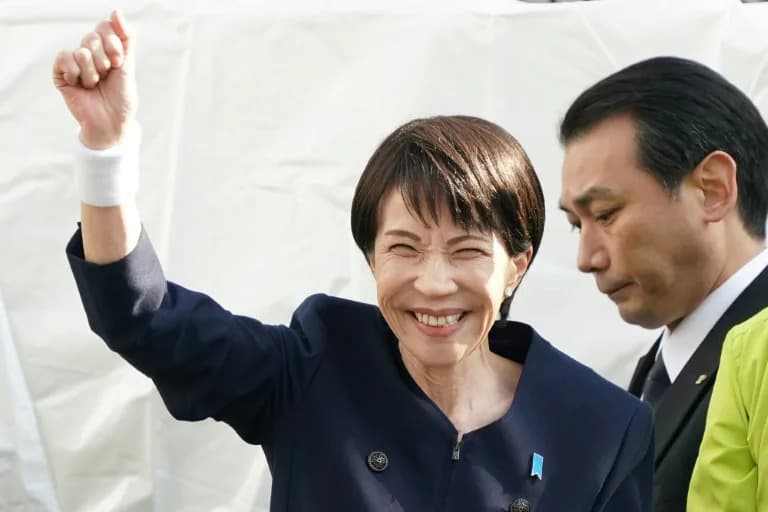
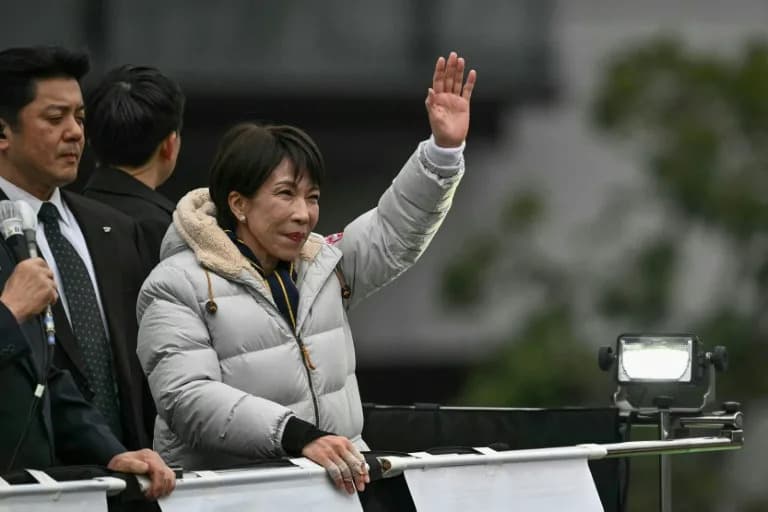
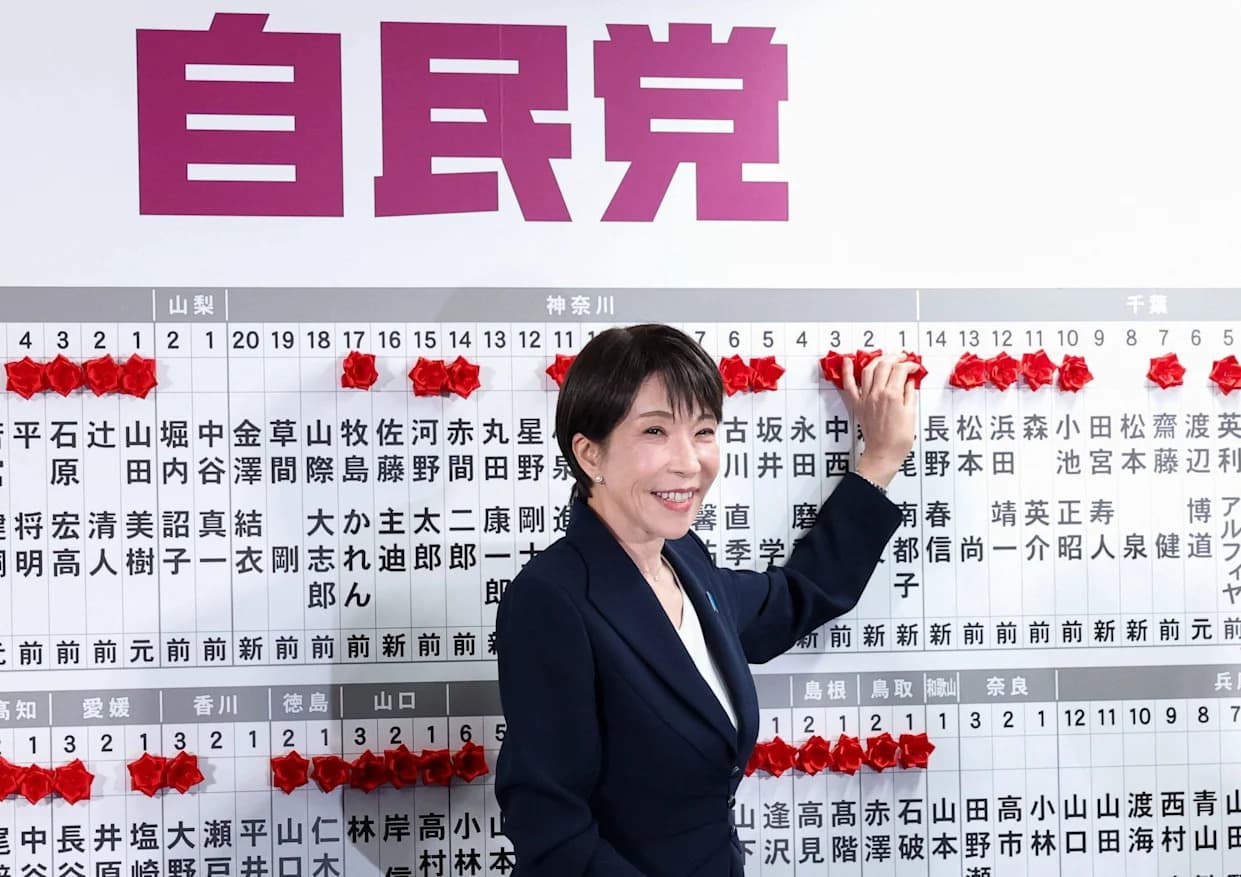
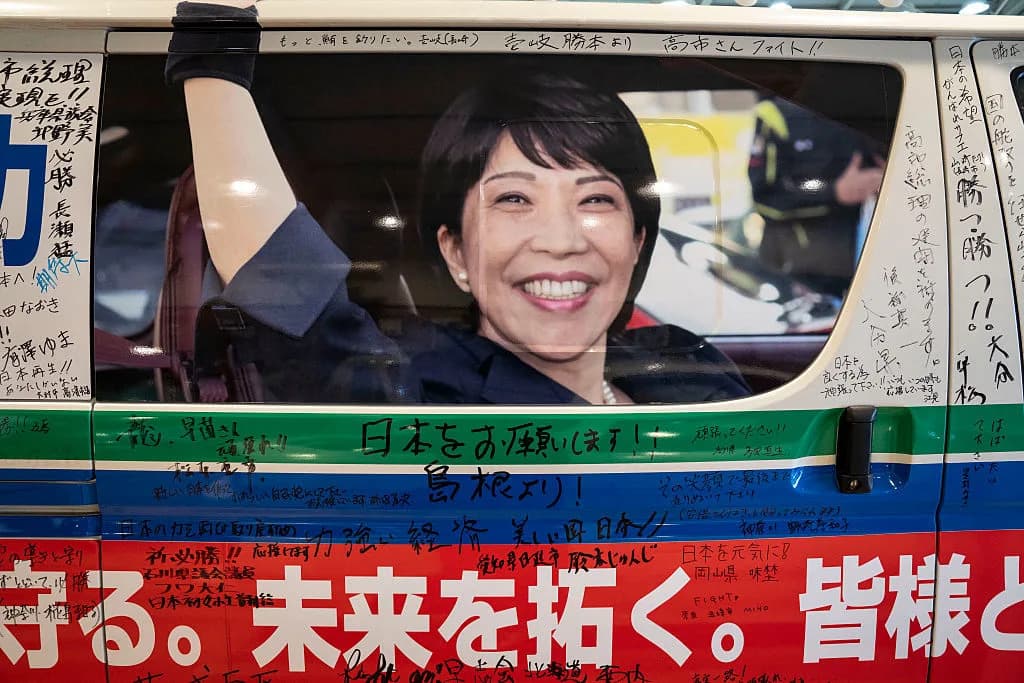
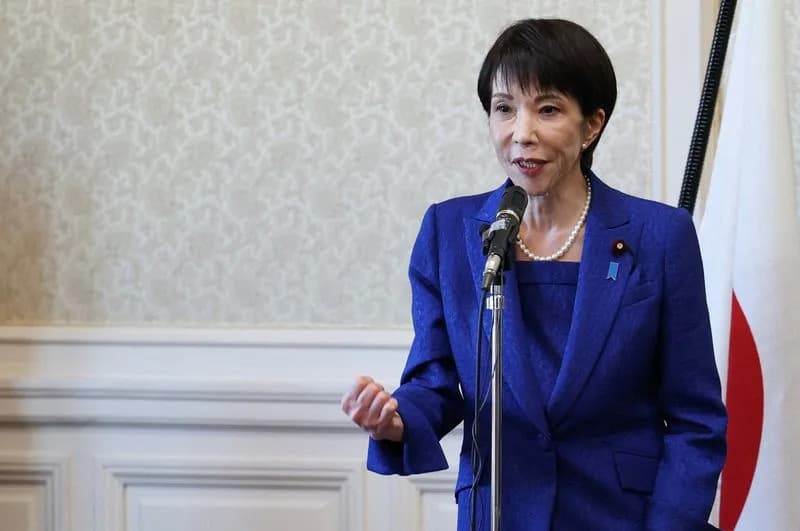
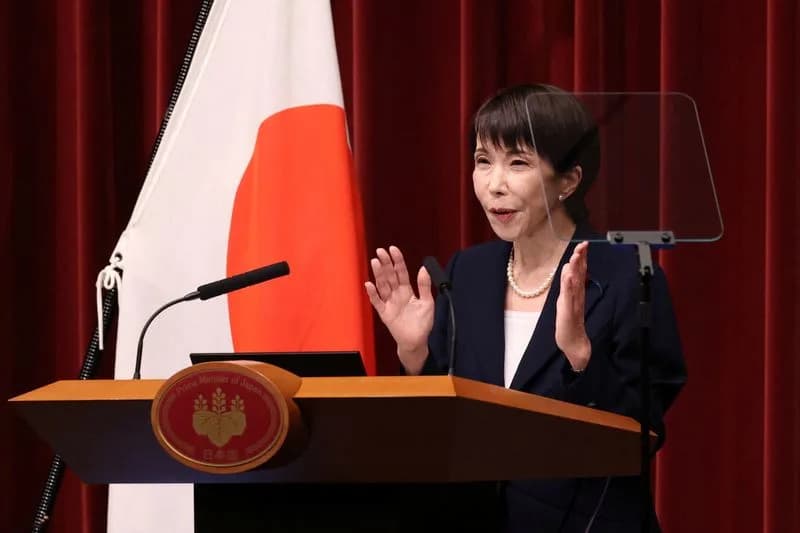
Japanese Prime Minister Sanae Takaichi’s decisive electoral victory has paved the way for her conservative government to pursue significant revisions to Japan’s pacifist constitution.
The charter, drafted in the 1940s under Allied occupation, has long restricted Japan’s military posture through provisions that are widely understood to limit the country to self-defence. In recent years, rising strategic tensions with China and diplomatic pressure from Washington for Japan to take a larger role in regional security have shifted the policy debate toward strengthening defence capabilities.
What This Could Mean
Supporters of constitutional revision say updating the document would provide clearer legal authority for Japan’s Self-Defense Forces and allow Tokyo to respond more robustly to evolving threats. Critics warn that loosening the postwar constraints could accelerate a militarisation of policy and heighten regional tensions.
Controversial Proposals Surface
The pace of the shift has been swift enough that some formerly fringe ideas are being discussed openly, including proposals that touch on nuclear deterrence and expanded strike capabilities. Analysts caution that public unease remains: as The Asahi Shimbun noted, "The landslide victory does not mean the voters have given carte blanche."
Expert view: One analyst observed that fewer policymakers are "calling for restraint on national defense" as Tokyo faces new security pressures.
Any formal constitutional change requires broad public debate and a national referendum under Japan’s rules. Even with parliamentary momentum, revising the constitution would be a complex, politically sensitive process with implications for Japan’s alliances and regional stability.
Bottom line: Takaichi’s victory makes constitutional revision politically more feasible, but significant hurdles — legal, political and diplomatic — remain, and the debate over the future role of Japan’s military, including talk of once-taboo options, is likely to intensify.
Help us improve.