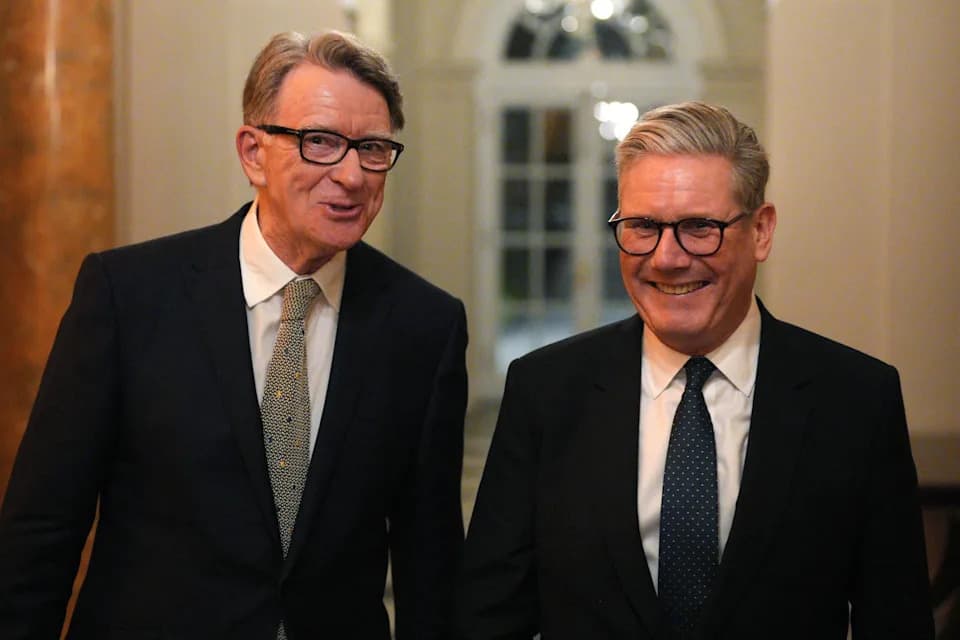
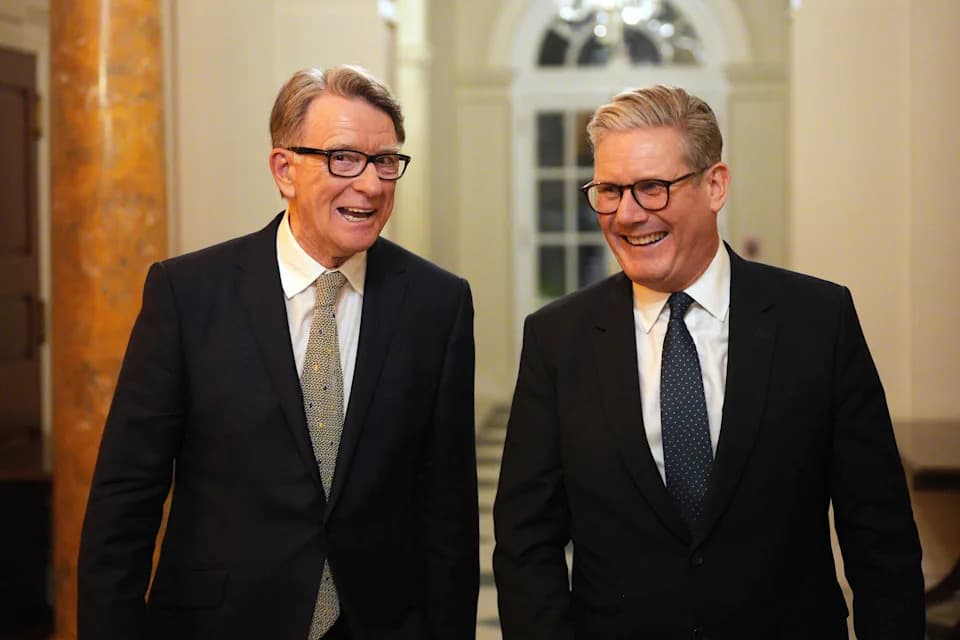
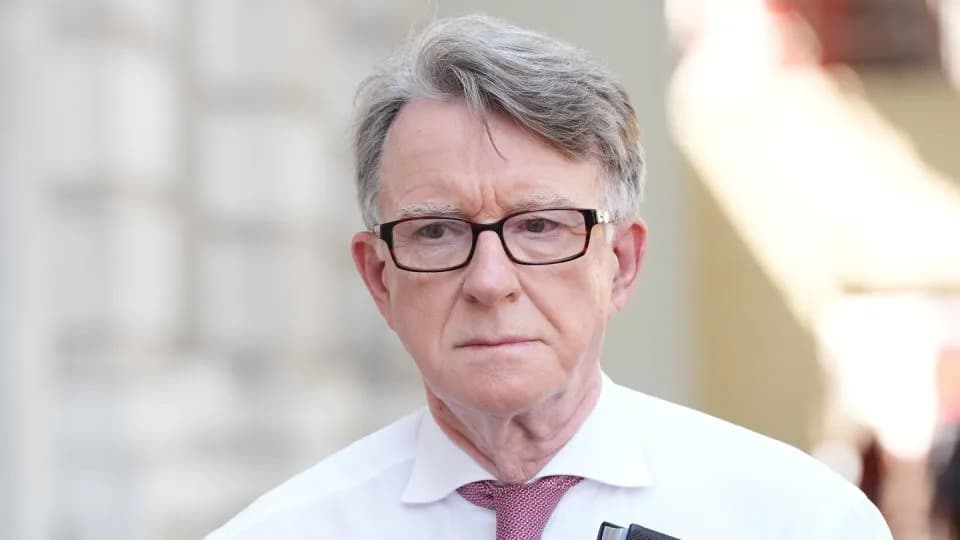
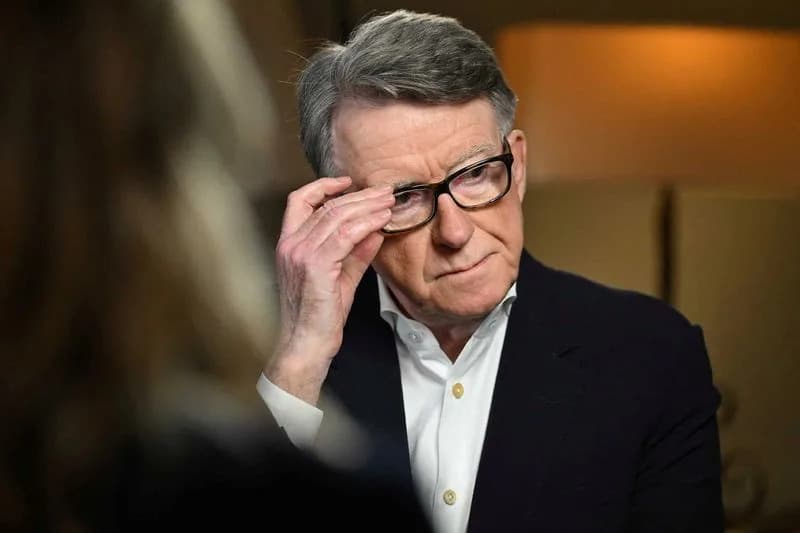
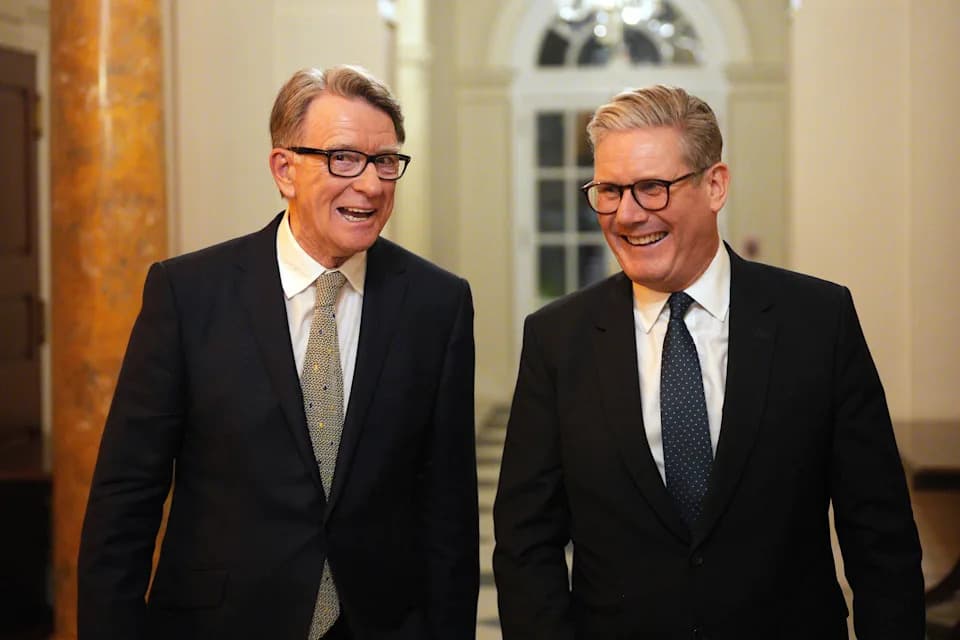
Keir Starmer defended his premiership after the resignations of senior aides Morgan McSweeney and Tim Allan amid fallout from newly released Jeffrey Epstein documents. The controversy centres on the appointment — and subsequent dismissal — of Peter Mandelson as ambassador to the US, after DOJ records suggested he passed market-sensitive information to Epstein. Police searches and a criminal probe are underway, and Scottish Labour leader Anas Sarwar has publicly called for Starmer to step down ahead of key local elections.
Starmer: 'Not Prepared To Walk Away' As Epstein Files Trigger Resignations And Calls To Quit
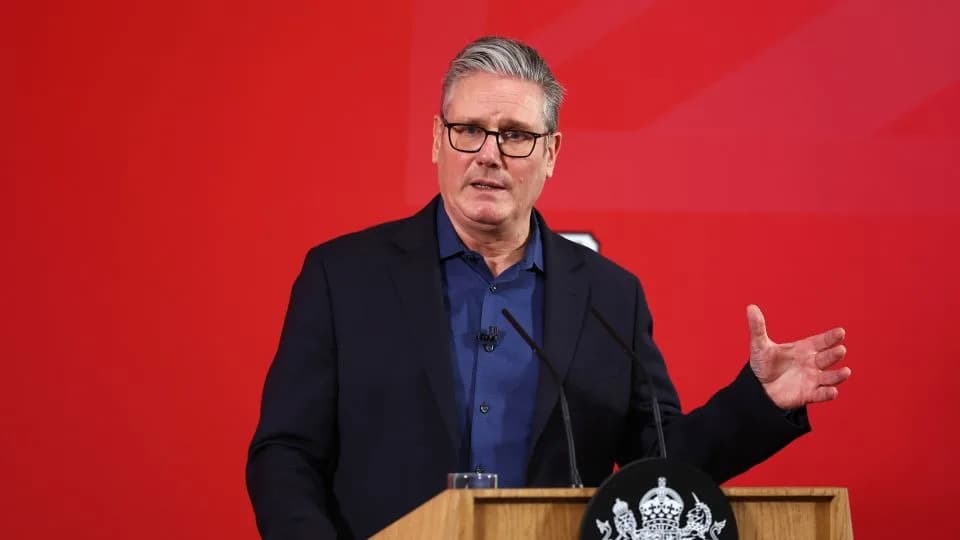
Prime Minister Keir Starmer is weathering a political storm related to the US Justice Department's latest release of Epstein files. - Peter Nicholls/Press Association/AP
Keir Starmer fought on Monday to preserve his premiership after the resignations of senior aides and growing public calls from prominent Labour figures for him to step down following fresh revelations in the Jeffrey Epstein document releases.
Addressing a packed room of Labour MPs on Monday evening, Starmer urged colleagues to close ranks and back his leadership. According to PA Media, he told them he had "won every fight I’ve ever been in" and declared:
"After having fought so hard for the chance to change our country, I’m not prepared to walk away from my mandate and my responsibility to my country, or to plunge us into chaos as others have done."
The meeting followed a turbulent day in Downing Street. Tim Allan, the prime minister’s director of communications, announced his resignation on Monday. Allan had joined No.10 around five months earlier. His departure came less than 24 hours after Morgan McSweeney, Starmer’s chief of staff and long-time ally, quit over his role in advising the appointment of Peter Mandelson as Britain’s ambassador to the United States last year.
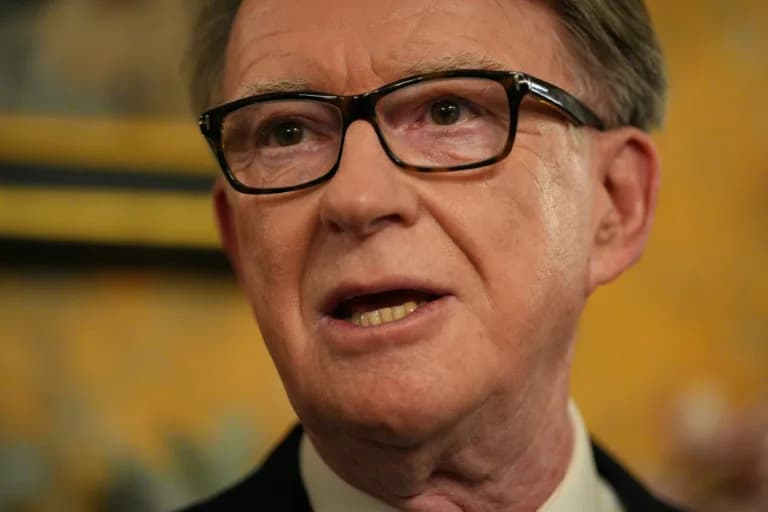
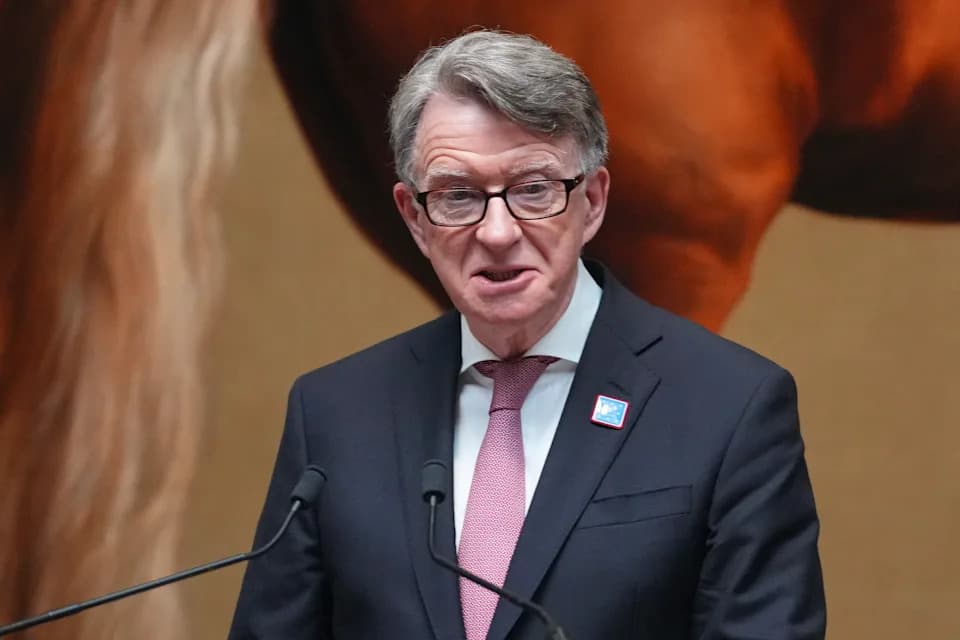
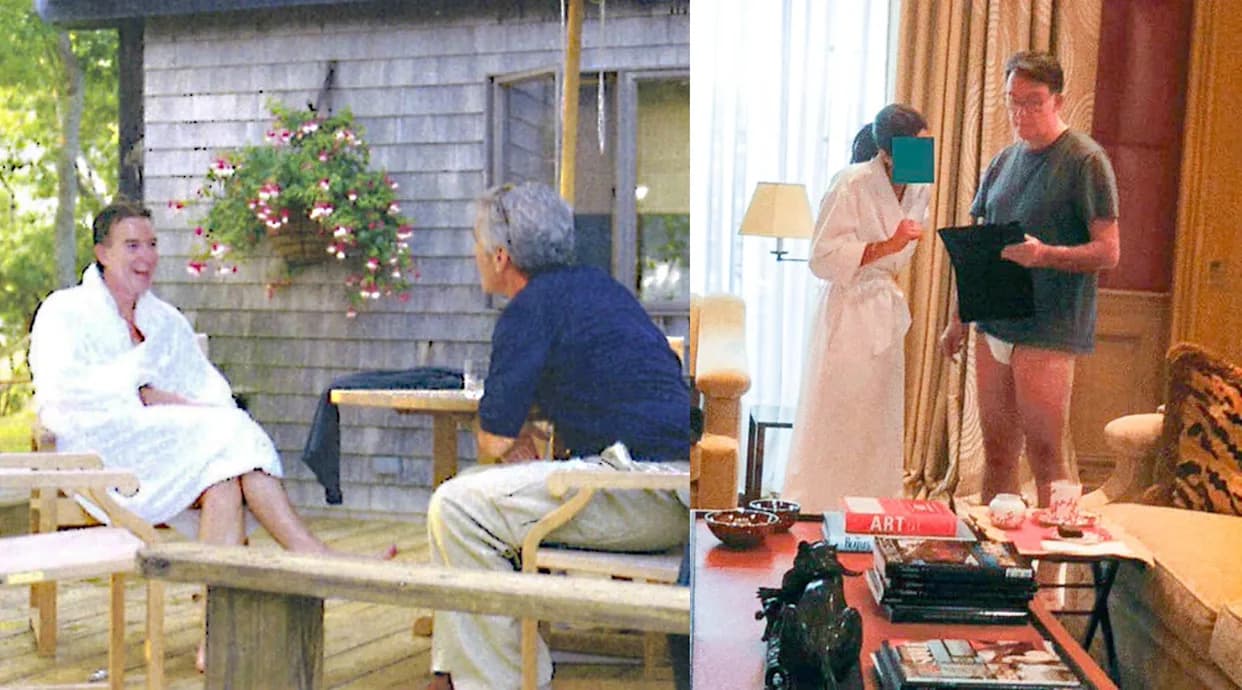
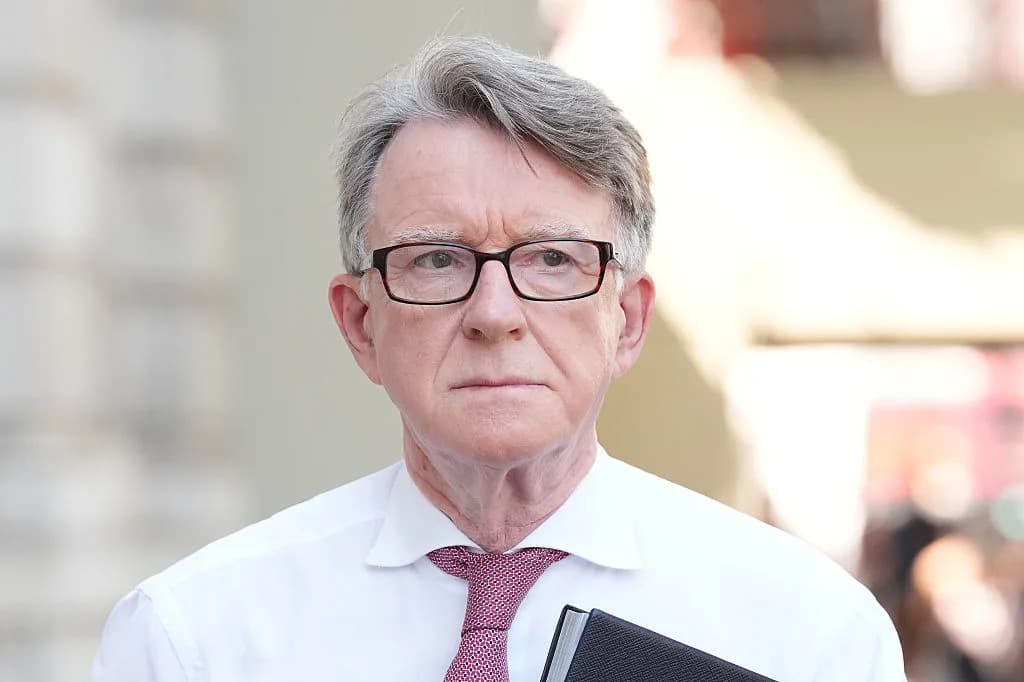
Allan’s exit intensified concerns that the controversy around Mandelson’s appointment is spiralling beyond control. Mandelson — a veteran Labour politician whose friendship with Jeffrey Epstein was well known — was dismissed from his government role in September after emails were made public. The US Department of Justice’s recent release of documents relating to Epstein has since added further details, with some records appearing to show that Mandelson, while serving as business secretary in 2009, passed market-sensitive information to Epstein.
Political fallout and investigation
UK police have launched a criminal investigation into possible misconduct in public office and last week searched two properties linked to Mandelson. Opposition parties and some figures inside Labour have demanded that Starmer publish documents relating to the decision to appoint Mandelson.
In a statement on Sunday, McSweeney — described by colleagues as a protégé of Mandelson — accepted "full responsibility" for recommending the appointment. He said: "The decision to appoint Peter Mandelson was wrong. He has damaged our party, our country and trust in politics itself," while adding that he remained "fully supportive" of the prime minister.
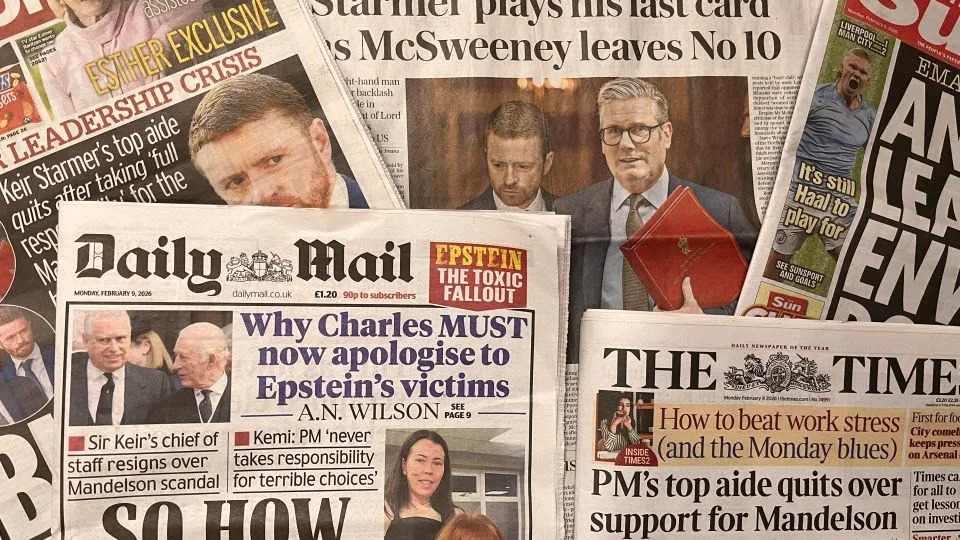
The front pages of British newspapers on Monday were consumed with the fallout from the Mandelson scandal. - Peter Wilkinson/CNN
Starmer has publicly condemned Mandelson’s conduct, saying recent DOJ disclosures were "beyond infuriating," and described Mandelson’s behaviour as "shameful" and "wholly incompatible with public service" in a Downing Street readout.
Party reaction and implications
The pressure on Starmer increased when Anas Sarwar, leader of Scottish Labour, publicly became the first senior Labour figure to call for the prime minister’s resignation, saying "the leadership in Downing Street has to change." Sarwar acknowledged that his decision caused him "personal hurt and pain" but argued a change of direction was necessary ahead of local elections in May, which are widely seen as a test of the government.
Cabinet ministers rallied to defend Starmer in coordinated messages on X, with Deputy Prime Minister David Lammy urging the party to focus on delivering Labour’s manifesto and Foreign Secretary Yvette Cooper stressing the need for stable leadership at home and abroad.
Starmer’s administration, elected in a landslide in 2024 with a large parliamentary majority, has faced slumping approval ratings amid policy missteps and continued turnover at the top of government. The Mandelson revelations and subsequent resignations represent the biggest reputational crisis of Starmer’s premiership to date and raise difficult questions about judgment, transparency and oversight in Downing Street.
As police investigations continue and calls for disclosure grow louder, Starmer faces an uphill battle to convince MPs and the public that he remains the right person to lead the country into the next electoral tests.
CNN reporters James Frater and Caitlin Danaher contributed to this report.
Help us improve.