NASA's Artemis II will fly four lab-grown organ-on-a-chip "avatars" made from the astronauts' own blood to study how deep-space radiation and microgravity affect immune and blood-cell function. The roughly 10-day mission also includes studies of sleep, cognition, immune biomarkers collected via saliva strips, wearable monitoring, and pre/postflight physical tests including a simulated spacewalk. Radiation detectors and German-developed monitors will correlate exposure data with biological changes to guide future long-duration missions.
Miniature 'Avatars' Grown From Astronauts' Cells Will Fly on Artemis II to Study Deep‑Space Effects
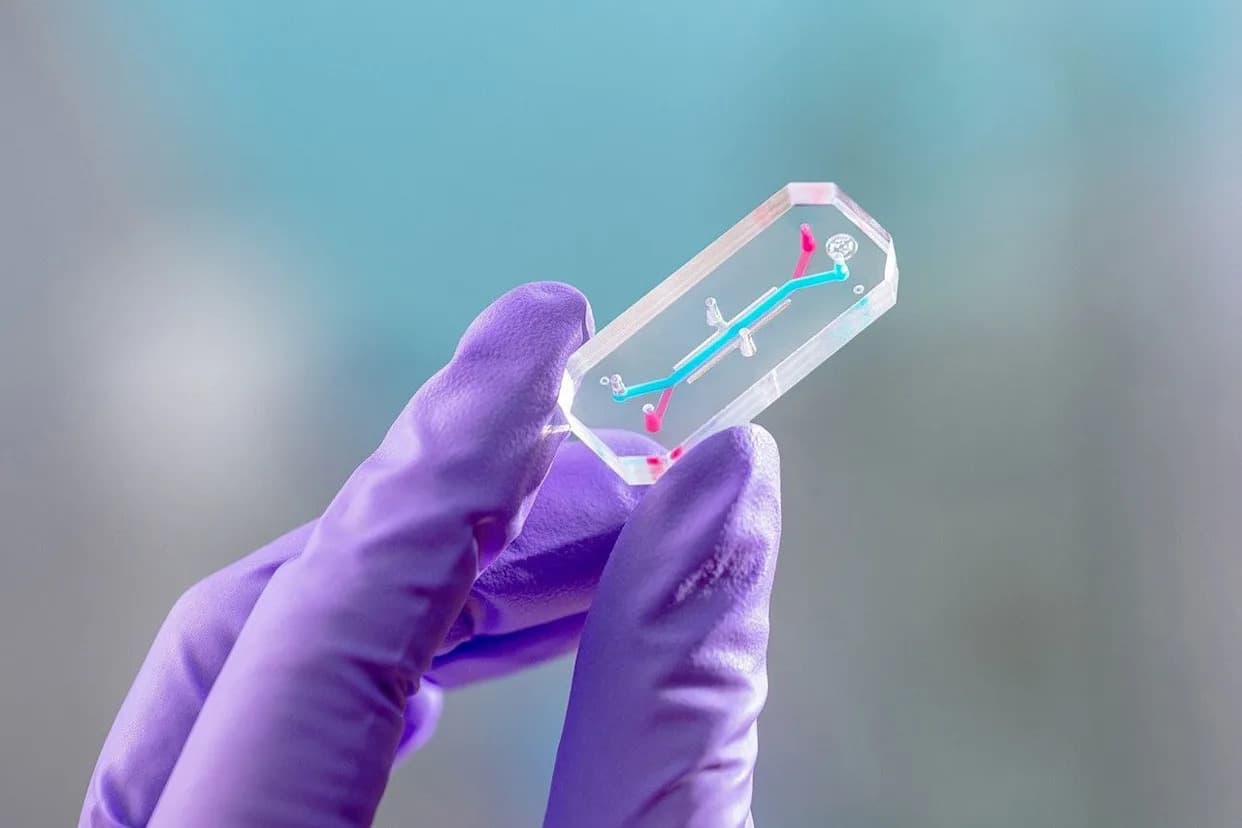
The AVATAR investigation on NASA's Artemis II will utilize organ chips to study how the astronauts' own cells respond to the hostile deep-space environment. - Emulate
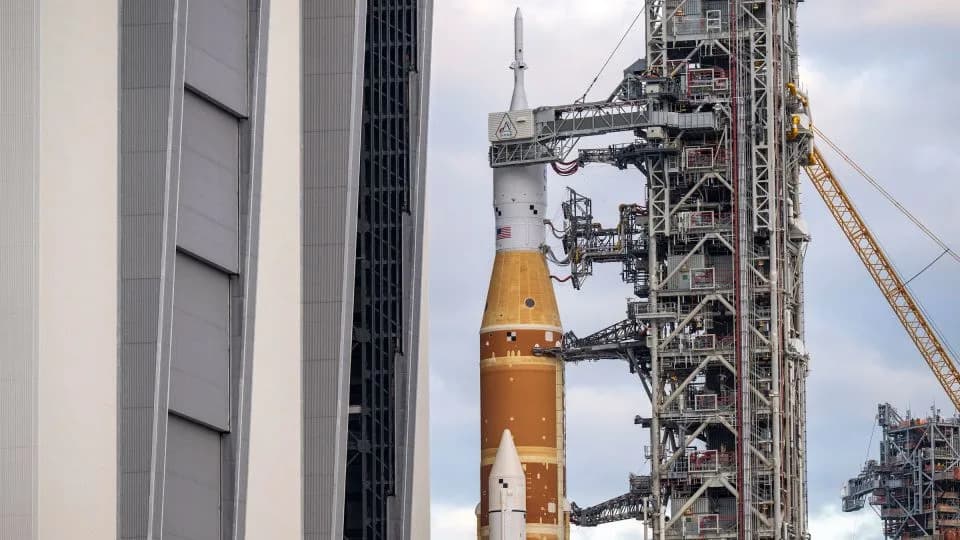
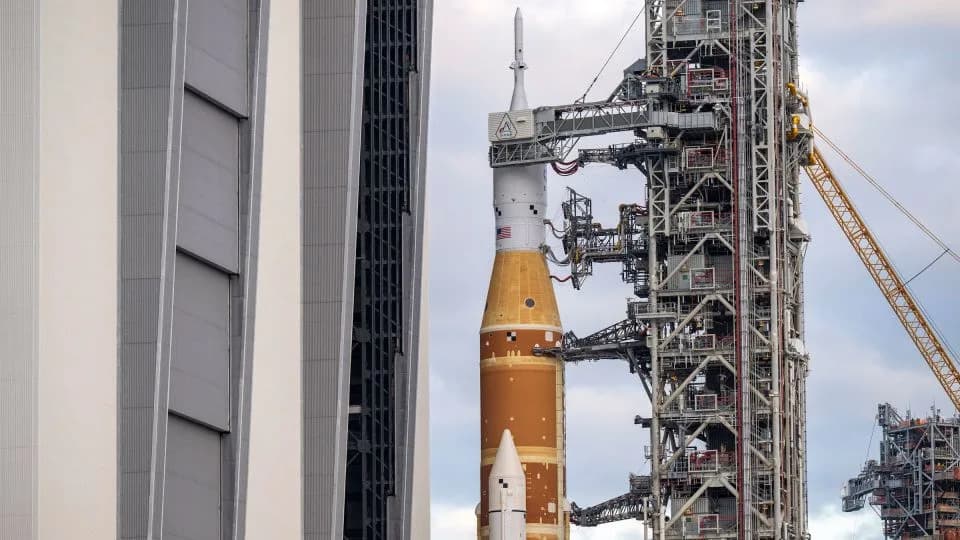
Nasa's Artemis II mission will carry not only four astronauts but also four lab-grown biological "avatars" — tiny organ-on-a-chip devices created from each crew member's own cells. The experiment aims to show how living human tissue responds to deep-space radiation and microgravity during the roughly 10-day lunar flyby.
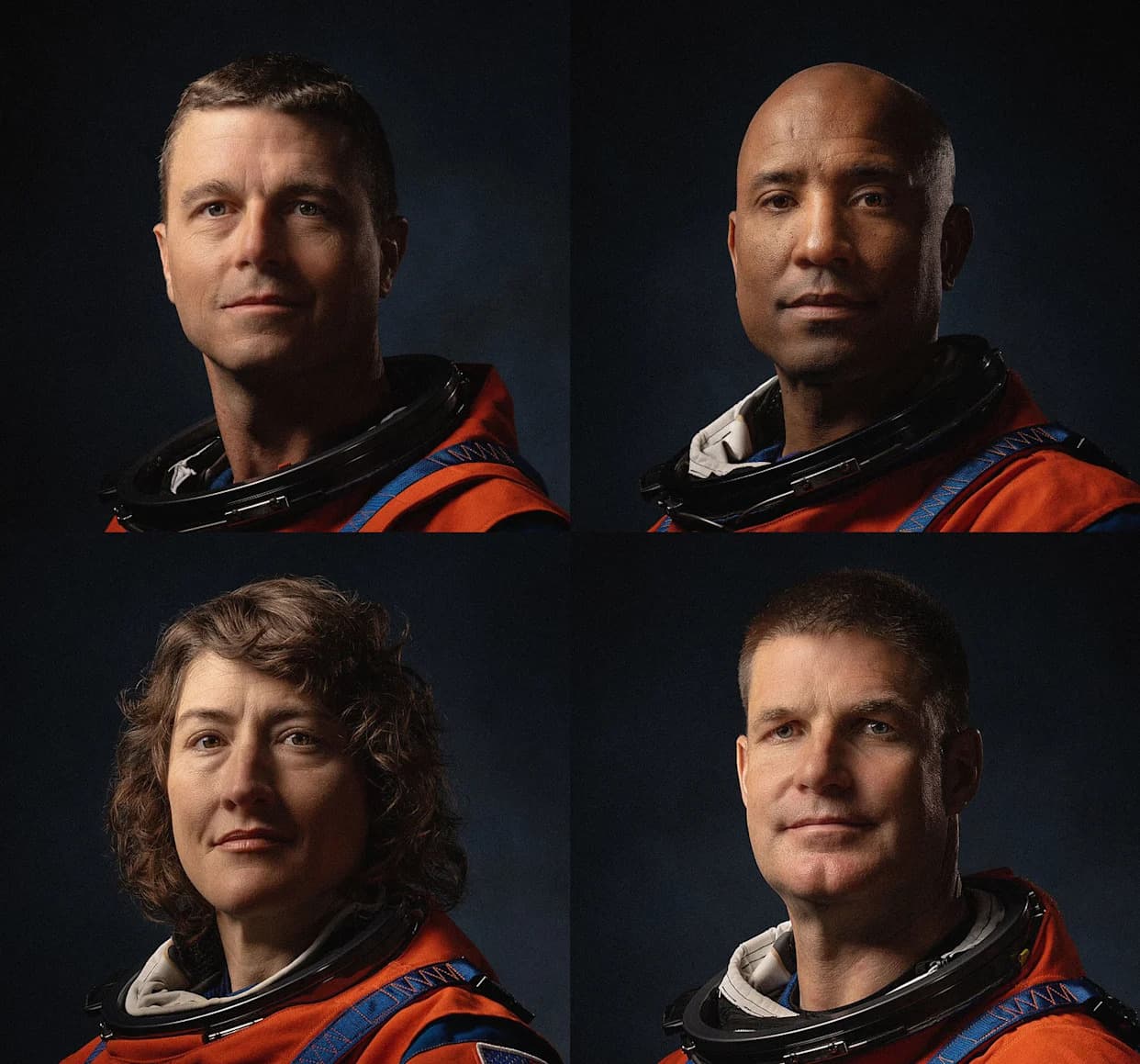
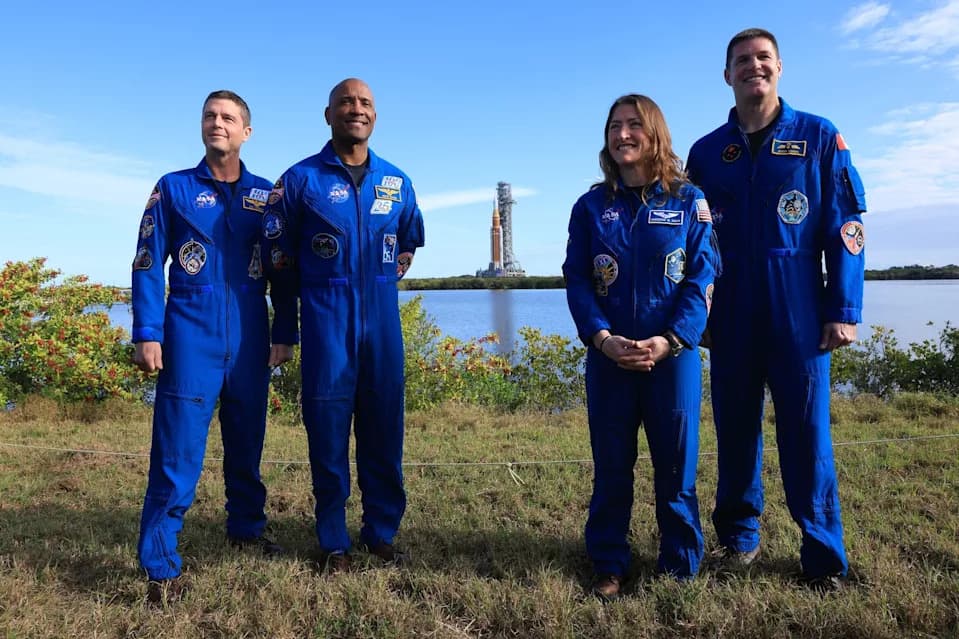
Who and What: Crew Commander Reid Wiseman and crewmembers Victor Glover, Christina Koch, and Jeremy Hansen will each provide a blood sample before launch. Scientists will culture cells from those samples and load them into thumb-drive-sized chips that mimic bone marrow and other tissues central to immune and blood-cell function. The experiment is called AVATAR (A Virtual Astronaut Tissue Analog Response).
How the Test Works: The AVATAR chips will ride inside a battery-powered container that regulates temperature and nutrients while the spacecraft is outside Earth's magnetic shield. During the mission, the chips will experience the same radiation and microgravity as the crew. After splashdown, researchers will compare the flight samples to identical control samples kept on Earth to measure changes in gene activity and blood-cell development.
The Artemis II astronauts will wear NASA's version of a fitness tracker on their wrists for the Archer study during their 10-day flight.
Complementary Health Studies Onboard
Artemis II places biomedical research at the center of a lunar flight. Several other investigations will study the crew's health and behavior in the constrained environment of the Orion capsule, nicknamed Integrity.
Immune Biomarkers: Researchers will study how deep-space exposure affects immune function. Because Orion lacks refrigeration, astronauts will collect saliva on treated strips of paper that scientists will rehydrate and analyze after return. Saliva provides a convenient window into immune status and viral reactivation.
Artemis Research for Crew Health and Readiness (Archer): This study will monitor sleep, cognition, and crew dynamics. Crew members will wear wrist-worn activity monitors to record rest and movement, and researchers will pair those data with cognitive tests and behavioral assessments.
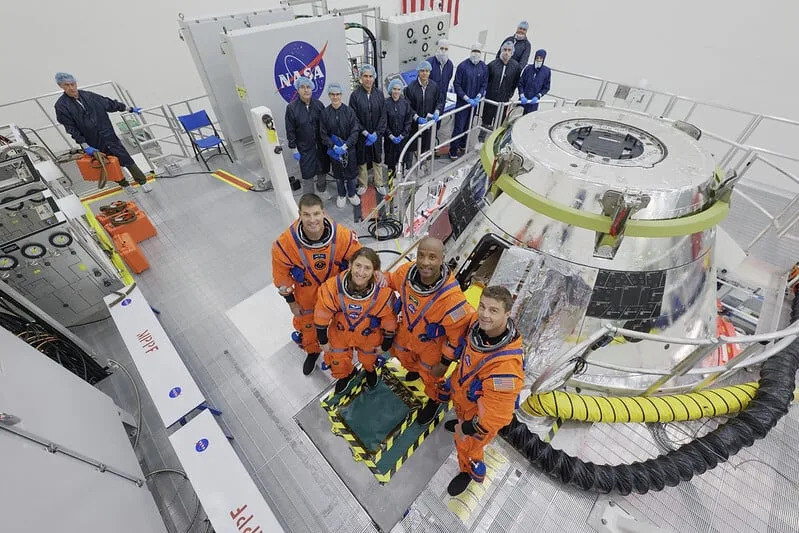
The Artemis II crew in orange flight suits, from left: Reid Wiseman, Christina Koch, Victor Glover, and Jeremy Hansen.
Spaceflight Standard Measures: Building on a long-running NASA program, astronauts will provide blood, urine, and saliva before and after flight and perform balance, strength, and endurance tests. Soon after splashdown off the California coast, the crew will don spacesuits and complete a simulated spacewalk and obstacle course to evaluate physical recovery.
Radiation Monitoring and Risks
Radiation is one of the biggest unknowns for long-duration interplanetary travel. Artemis II will travel beyond the protection of Earth's magnetic field and the Van Allen belts, exposing crew and tissue chips to higher radiation levels than aboard the International Space Station.
Each astronaut will carry a personal pocket radiation sensor, while cabin-mounted detectors and additional monitors developed with the German Space Agency will log exposure and high-energy particle events. Those measurements will be correlated with the AVATAR data to better understand how radiation affects human cells and to inform future countermeasures.
"This is a small experiment, but it could lead to really big impacts for healthcare, both for our astronauts, but also people here back on the Earth," said Jacob Bleacher, NASA’s chief exploration scientist.
Mark Clampin, deputy associate administrator for NASA science, adds that AVATAR could become part of personalized health toolkits for future lunar or Mars missions: "It's a way, maybe in the future, that we can actually build [personalized] health kits that help us ensure our astronauts are safe."
Why It Matters: Results from AVATAR and the companion studies will help scientists draft procedures and medical countermeasures for long-duration missions, including potential months-long voyages to Mars, where medical support and rehabilitation options will be limited.
Help us improve.