Japan’s snap election is set to deliver a strong victory for Prime Minister Sanae Takaichi and her conservative coalition, with polls suggesting the LDP and partners may win a two-thirds lower-house majority. Takaichi’s early popularity — buoyed by clear messaging and youthful appeal — contrasts with remarks that have strained ties with China, including comments on Taiwan and visits to the Yasukuni shrine. Her proposed $135 billion stimulus and talk of tax exemptions have unsettled investors, pushing up bond yields and causing yen volatility.
Japan’s First Female Prime Minister Sanae Takaichi Poised For Landslide Win — Implications For China, Markets And Policy
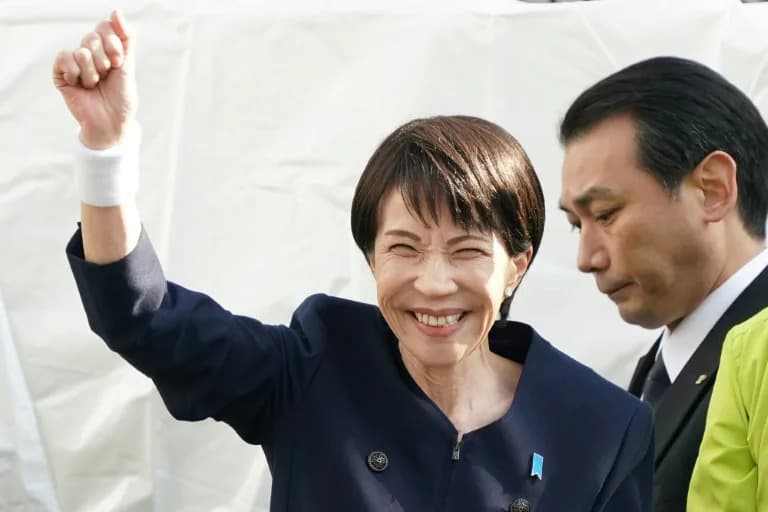
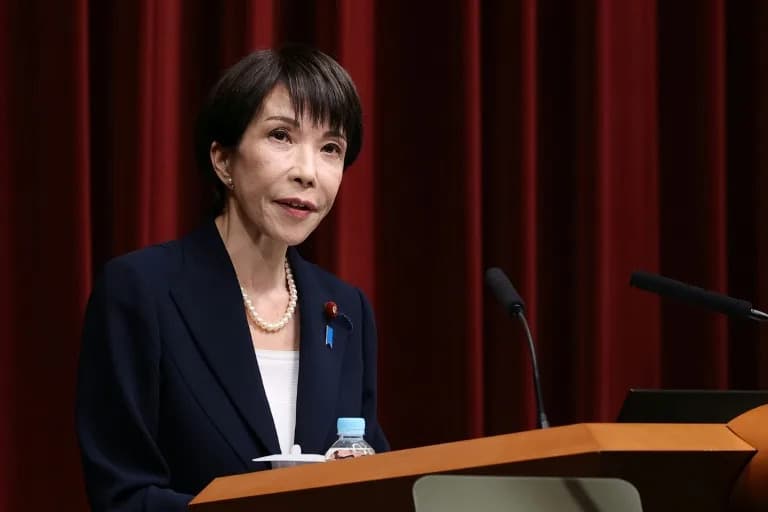
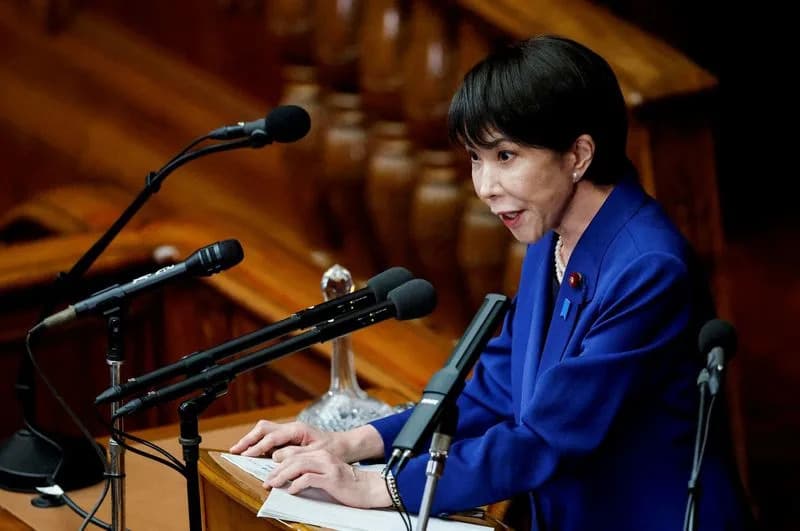
Japan's Prime Minister and President of the Liberal Democratic Party Sanae Takaichi (L) has called a snap election for a stronger mandate (Kazuhiro NOGI)(Kazuhiro NOGI/AFP/AFP)
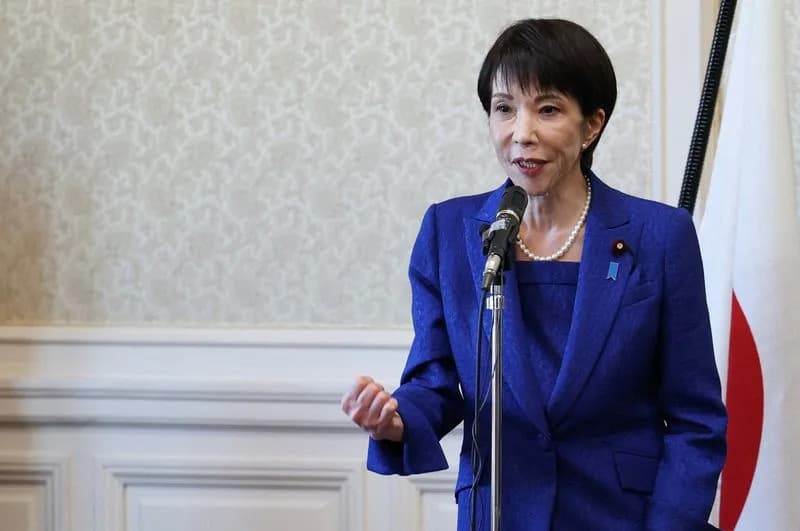
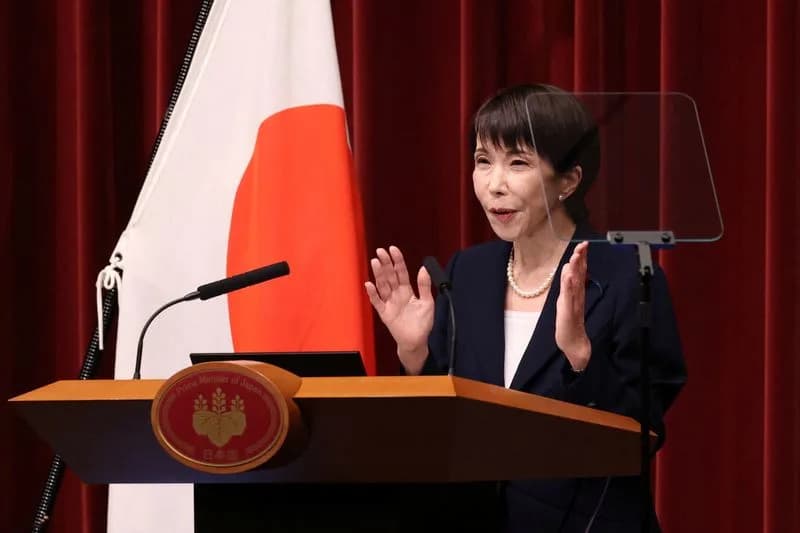
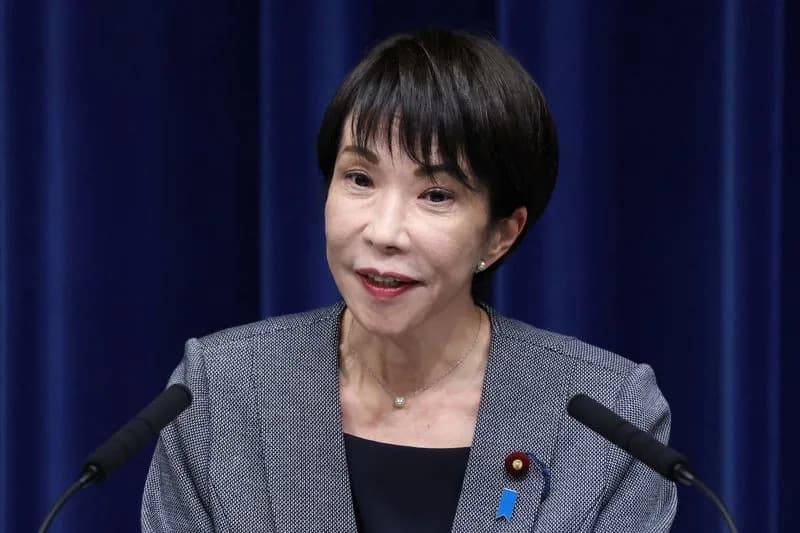
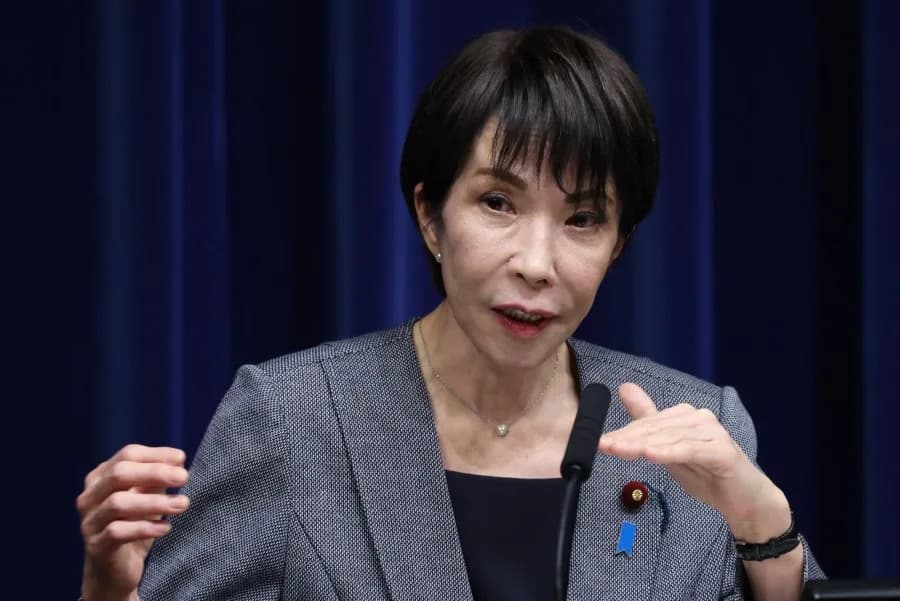
Snap elections in Japan are widely tipped to deliver a decisive victory for Prime Minister Sanae Takaichi and her conservative coalition, consolidating control of the lower house and potentially handing the ruling bloc a two-thirds majority. Her energetic early months in office have won her broad public support, even as a series of remarks and policy moves have unsettled regional ties and financial markets.
Background
Takaichi, 64, who has described herself as an admirer of Margaret Thatcher and once played drums in a heavy-metal band, became Japan’s fifth prime minister in as many years when she took office in October. Her rise followed a series of setbacks for the once-dominant Liberal Democratic Party (LDP) that left it short of a parliamentary majority.
Domestic Support And Campaign
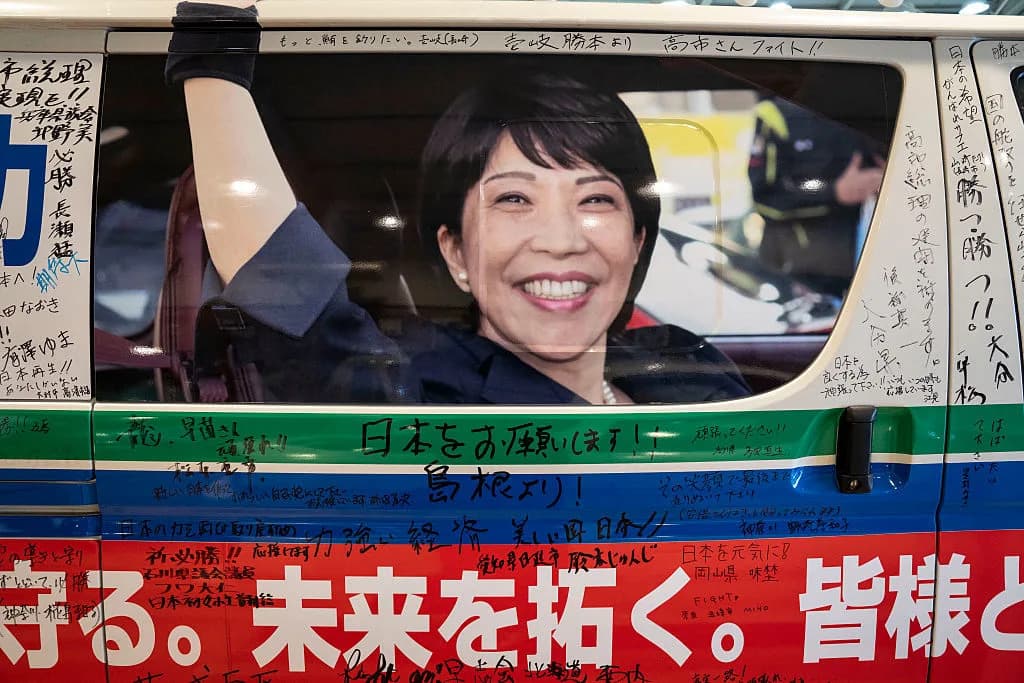
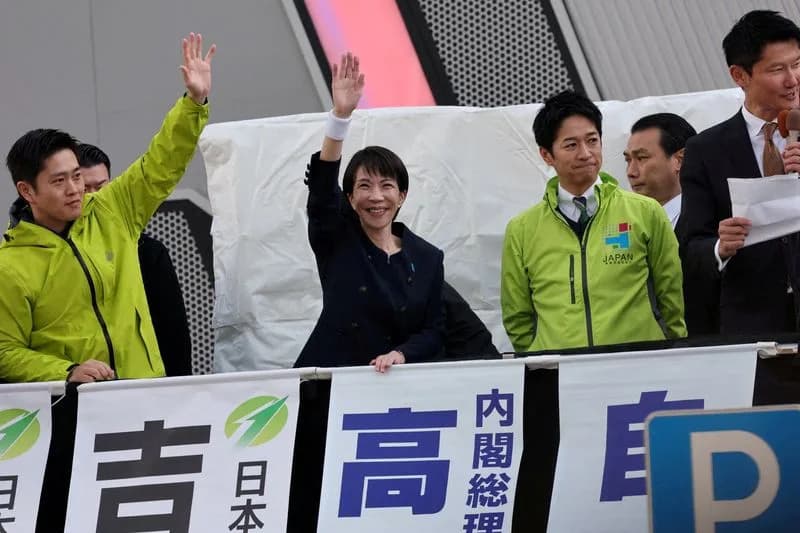
Among many voters — including younger citizens — Takaichi has enjoyed a rapid surge in popularity, emerging as a visible and media-savvy leader. Her cabinet approval ratings have hovered near 70 percent despite a modest dip in recent weeks. Pre-election polls, while cautious about undecided voters, suggest the LDP and its coalition partner could comfortably clear the 233-seat threshold needed for an outright majority and may win more than 300 of the 465 contested seats.
“It’s not just because she’s a woman... overall, it’s because she championed the idea of a society where the people can have hope for the future,” said 17-year-old high-school student Makoto Hara.
Foreign Policy And Relations With China
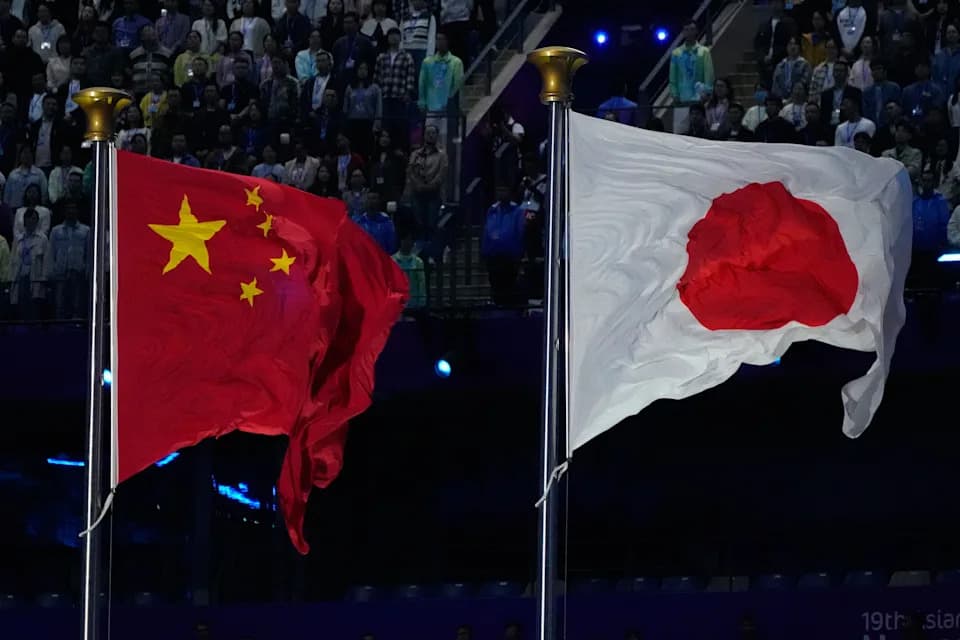
Takaichi’s more hawkish posture has raised questions about Tokyo’s relationship with Beijing. Before becoming premier she was a frequent visitor to the Yasukuni shrine — a sensitive site that often fuels regional tensions — and within weeks of taking office she warned Japan might use force if China attempted to seize self-ruled Taiwan. Beijing reacted strongly, summoning Japan’s ambassador, warning citizens against travel to Japan, conducting joint drills with Russia, and arranging the return of Japan’s two remaining pandas.
Some analysts suggest that an electoral mandate could prompt Beijing to adopt a pragmatic approach if it believes Takaichi has solid domestic staying power. "Beijing recognises strength and could calculate that she has more staying power than anticipated," said Yee Kuang Heng, a professor of international security.
Economic Policy And Market Reaction
Takaichi has proposed a roughly $135 billion stimulus package and has floated measures such as exempting food from an 8% consumption tax to ease household finances — steps that unnerved some investors. Japan already carries the largest public-debt-to-GDP ratio among major economies, expected to exceed 230% this fiscal year. Long-term bond yields rose to record levels after some policy announcements, and the yen has shown increased volatility amid comments praising a weaker currency.
“If the government tried to play fast and loose with the public finances, we would expect bond markets to put it in check,” said Abhijit Surya of Capital Economics.
What To Watch
- Seat count after voting closes — whether the ruling bloc achieves a two-thirds majority.
- Any immediate policy pronouncements on tax or spending that could move bond markets or the yen.
- Tokyo’s diplomatic signals toward Beijing and the U.S., especially regarding Taiwan and regional security.
As results emerge, the election will clarify not just domestic political control but also the likely trajectory of Japan’s foreign policy and economic strategy during a period of heightened regional tensions and fragile markets.
Help us improve.