Prime Minister Sanae Takaichi will dissolve the lower house and call a snap election for Feb. 8, hoping high cabinet approval ratings will offset the LDP's weak popularity. She is seeking voter backing for measures to ease living costs and for higher defence spending, after approving a record ¥122.3 trillion budget for fiscal 2026. Critics warn proposed tax relief and stimulus risk worsening public debt (forecast above 230% of GDP), while bond markets and the Bank of Japan monitor the fallout. A new Centrist Reform Alliance among opposition parties aims to win swing voters; youth turnout could prove decisive.
Japan Calls Snap Election: PM Sanae Takaichi Dissolves Parliament Ahead Of Feb. 8 Vote

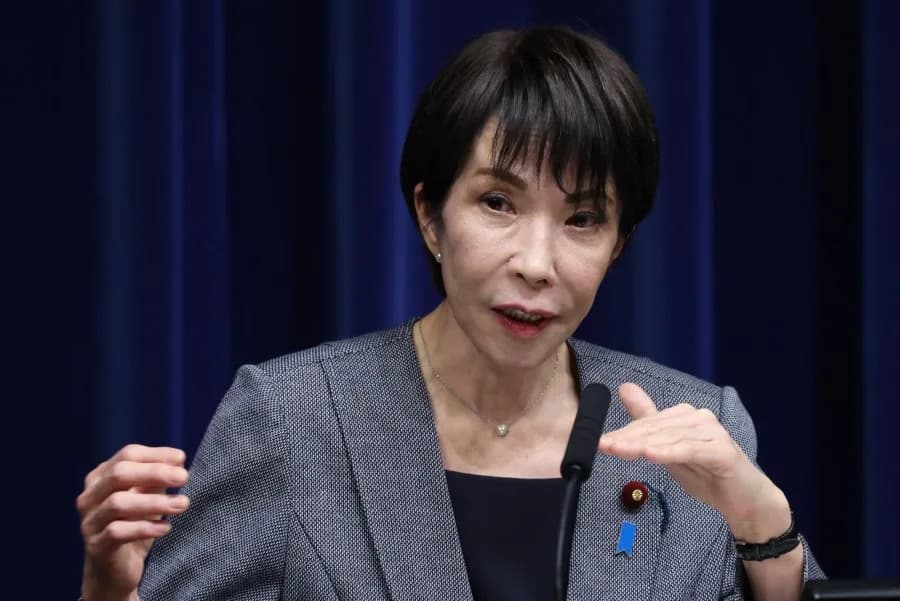
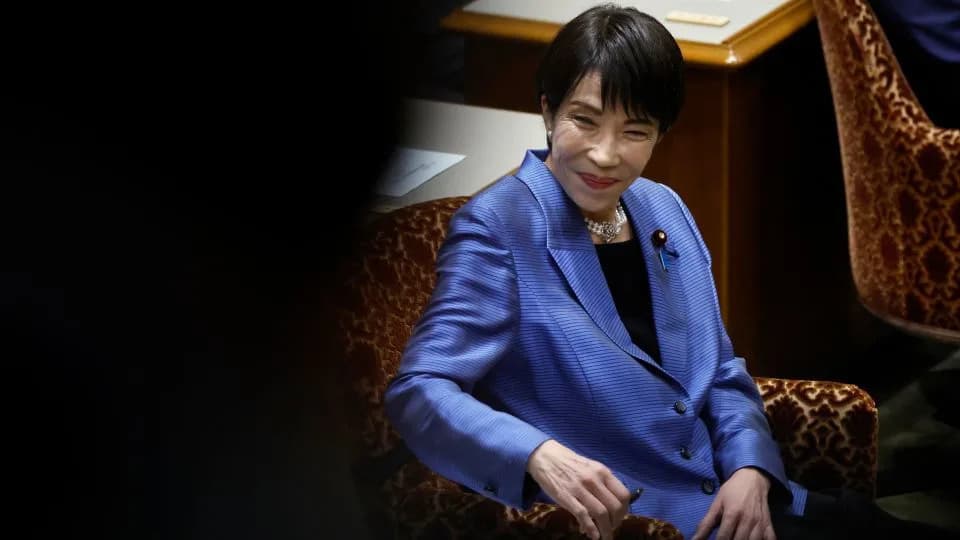
Japan's Prime Minister Sanae Takaichi speaks during a press conference at the Prime Minister's Office in Tokyo on January 19, 2026 (Rodrigo Reyes Marin)(Rodrigo Reyes Marin/POOL/AFP)
Japanese Prime Minister Sanae Takaichi will formally dissolve the lower house on Friday and call a snap election for Feb. 8, seeking a fresh public mandate for policies to ease rising living costs and boost defence spending. Takaichi is banking on strong approval ratings for her cabinet to offset broader unpopularity of her Liberal Democratic Party (LDP) and a string of recent scandals.
The ruling coalition of the LDP and the Japan Innovation Party (JIP) holds only a slim majority in the lower chamber, making the outcome of the vote especially important for government stability and approval of a record budget.
Why the Election Matters
Takaichi has framed the election as a chance to secure backing for measures aimed at shielding households from inflationary pressure and for increased defence spending. Her cabinet approved a record ¥122.3 trillion ($770 billion) budget for the fiscal year beginning April 2026, but opponents warn that further fiscal stimulus and proposed tax relief could worsen Japan's already massive public debt, forecast to top 230% of GDP in fiscal 2025-26.
Inflation, Food Prices and the Economy
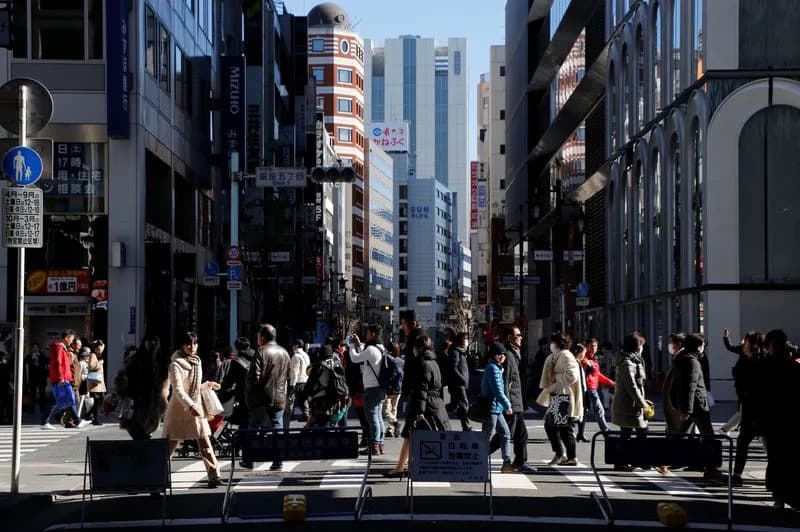
After decades combating deflation, Japan has experienced a rise in living costs and a weak yen, which has pushed up import prices. Rice became a prominent symbol of the squeeze when prices more than doubled in mid-2025 year-on-year, before easing somewhat in recent months. December inflation data, due on Friday prior to dissolution, will be watched closely for signs of consumer pressure that could shape voter sentiment.
"It's not clear if high public support for the Takaichi cabinet will actually lead to support of the LDP," said Hidehiro Yamamoto, politics professor at the University of Tsukuba. "What the public are concerned about is measures to address inflation."
Policy Proposals And Market Reaction
Takaichi has pledged a temporary cut to the sales tax on food for two years if re-elected, a move also supported by opposition parties as short-term relief for households. Critics say such "proactive" fiscal measures risk fuelling further debt growth. The prospect of tax cuts and large stimulus measures unsettled bond markets this week: yields on Japanese government bonds rose, signalling investor concern over fiscal sustainability.
The Bank of Japan (BOJ) will conclude a two-day policy meeting on Friday and is widely expected to hold interest rates steady after several rate hikes since early 2024. Markets will also scrutinise any BOJ commentary on recent market volatility.
Opposition Strategy And Voter Dynamics
The main opposition Constitutional Democratic Party (CDP) has formed an alliance with Komeito to create a Centrist Reform Alliance aimed at winning over swing voters. Analysts say the contest could be tight if the alliance successfully attracts undecided voters; however, the opposition's chances of unseating the ruling coalition are viewed as limited by many observers.
Youth turnout could be decisive: a late-December poll by the conservative Sankei Shimbun and Fuji Television indicated about 90% approval for Takaichi's government among people under 30, a demographic whose voting behaviour may shape the result.
As Japan heads to an unexpected early vote, the campaign will likely centre on cost-of-living relief, fiscal responsibility, and national security priorities, with markets and the BOJ watching closely for signs of policy continuity or change.
Help us improve.