A marble tombstone for a Roman sailor was found during yard work at a historic New Orleans home and identified through Latin translation as the epitaph of Sextus Congenius Verus. Scholars matched the slab to an item reported missing from Civitavecchia’s city museum, and the FBI’s Art Crime Team took custody to begin repatriation. Researchers tied the object’s journey to World War II: a U.S. soldier likely brought the stone home after the museum’s wartime destruction, and crowdsourced memories ultimately revealed its recent provenance.
2,000‑Year‑Old Roman Tombstone Unearthed in New Orleans Backyard — FBI Repatriates It
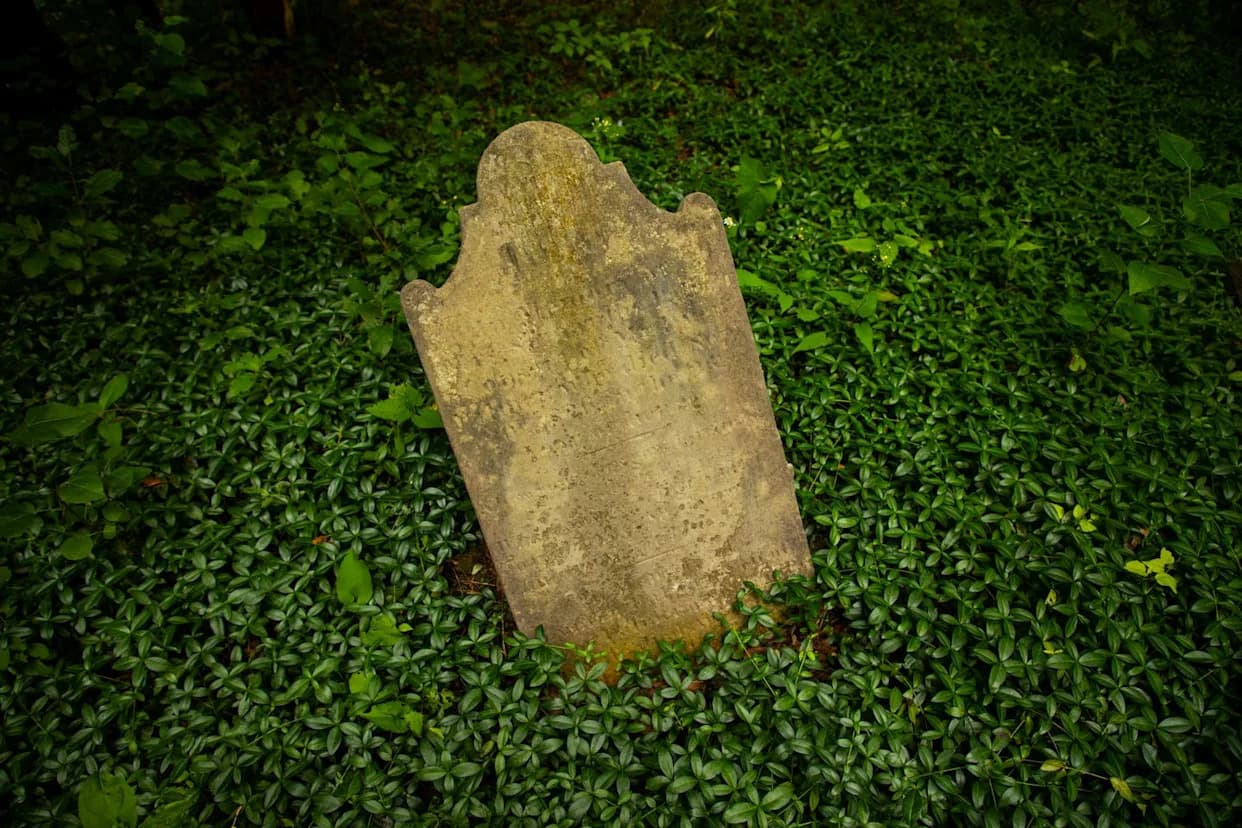
A Couple Found a Roman Tombstone in Their BackardMatt Champlin - Getty Images
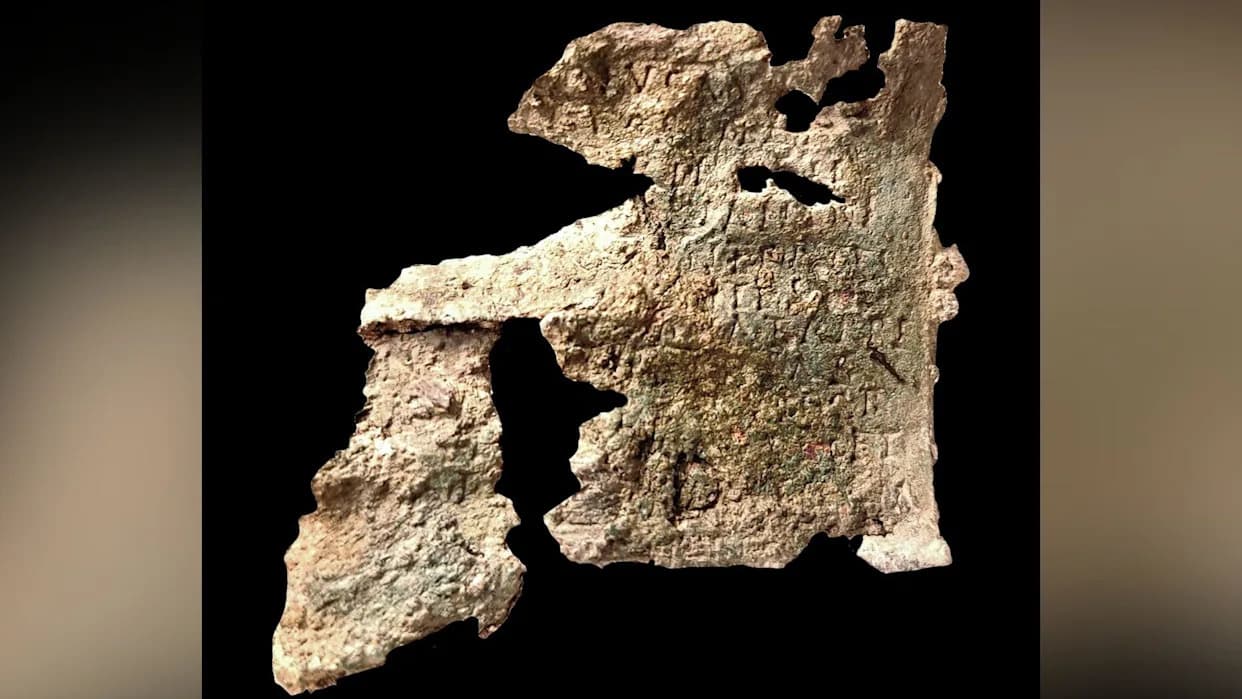
While clearing brush in the backyard of their historic Cambronne Street home, Tulane anthropologist Daniella Santoro and her husband, Aaron Lorenz, made an extraordinary discovery: a roughly one‑foot‑wide marble slab bearing a carved Latin inscription. What began as a routine yard cleanup quickly became an international repatriation case involving scholars, crowdsourced sleuthing, and the FBI.
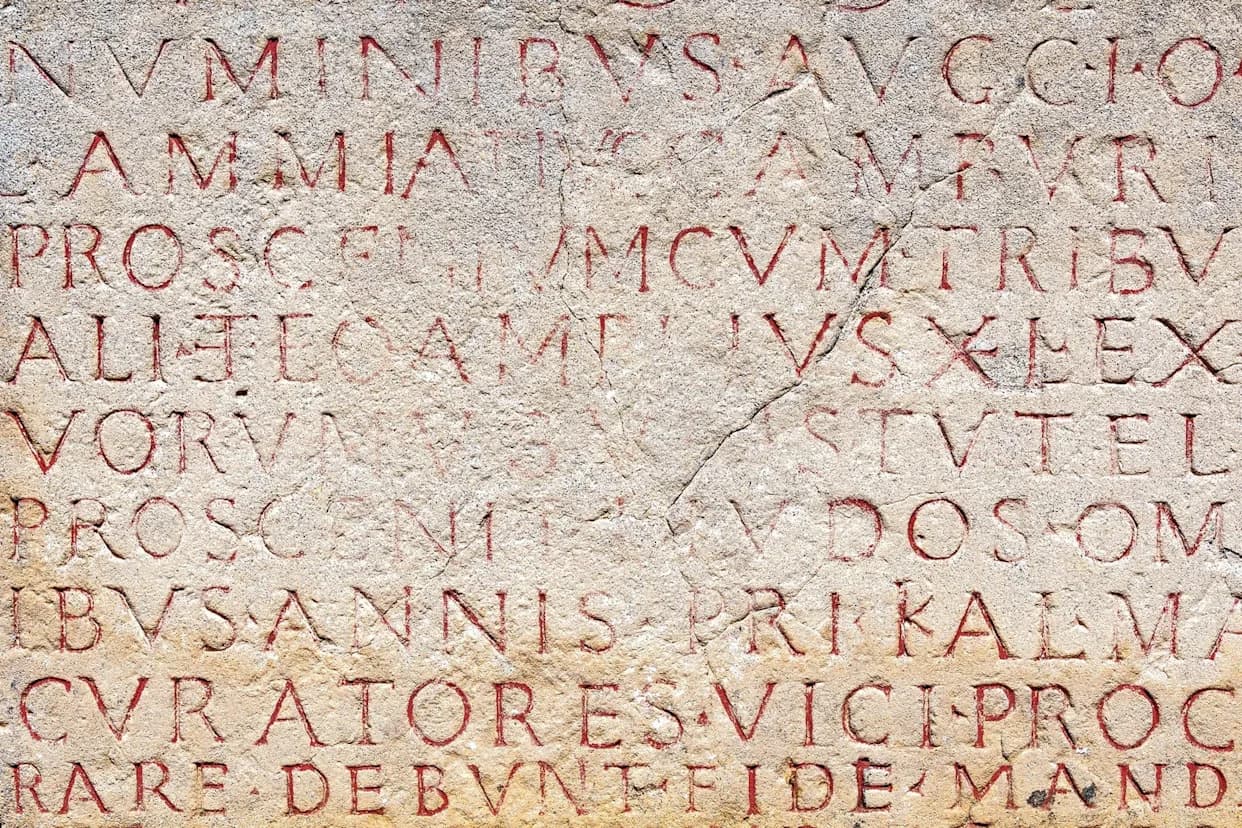
D. Ryan Gray, an anthropology professor at the University of New Orleans, examined the stone and enlisted colleagues at Tulane and the University of Innsbruck to decipher the Latin. Their independent readings identified the tablet as a Roman funerary marker for Sextus Congenius Verus, a sailor of the praetorian fleet Misenensis. The second‑century C.E. inscription reads, in translation:
“To the Spirits of the Dead for Sextus Congenius Verus, soldier of the praetorian fleet Misenensis, from the tribe of the Bessi [of Thrace], who lived 42 years and served 22 in the military, on the trireme Asclepius. Atilius Carus and Vettius Longinus, his heirs, made this for him, well deserving.”
Surprisingly, the inscription matched a record in anthropological catalogs: a nearly identical stone had been reported missing from the city museum in Civitavecchia, a port town northwest of Rome where the marker was originally discovered. That revelation elevated the find from local oddity to an international cultural‑property matter.
The FBI Art Crime Team recovered the slab and placed it into custody while U.S. and Italian authorities coordinated repatriation to the Civitavecchia museum. But how had a Roman tombstone traveled more than 5,000 miles to a New Orleans garden?
Researchers traced twentieth‑century ownership of the Cambronne Street house and interviewed neighbors, but the trail grew cold until Tulane classicist Susann Lusnia visited Italy. She learned that Allied bombing in 1943–44 heavily damaged the town and destroyed the museum, and that U.S. Army units — including elements of the 34th Division of the Fifth Army — passed through the area after the liberation of Rome.
The final link came from local reporting and crowdsourcing. A former homeowner, Erin Scott O’Brien, recognized the description and recalled placing the slab as garden decor after moving into the house about 20 years earlier. She traced the object to her grandfather, Charles Paddock Jr., who had served in the U.S. Army in Italy during World War II and returned to New Orleans in 1946. Paddock kept the tablet in his home cabinet for years; after his death the marker’s origin was forgotten and it eventually was placed in the yard.
Investigators believe the gravemarker was likely removed or displaced amid the chaos of Allied bombing and museum destruction in the 1943–44 period and was carried home by a returning U.S. serviceman. The discovery illustrates how objects can traverse time and oceans and highlights the role of scholars, public reporting, and federal law enforcement in returning cultural heritage to its place of origin.
This story was produced in collaboration with Biography.com.
Help us improve.