Western U.S. ski areas are facing one of the harshest winters in decades, with low natural snowfall prompting resorts and states to expand cloud seeding and snowmaking. Utah has pledged at least $5 million a year for seeding and $12 million to upgrade about 200 machines. Scientists remain divided on how much additional water cloud seeding delivers, while snowmaking can be water‑ and energy‑intensive. Long‑term resilience will require economic diversification, improved water management and cutting greenhouse‑gas emissions.
Western Ski Resorts Turn to Cloud‑Seeding and Snowmaking as Drought Deepens
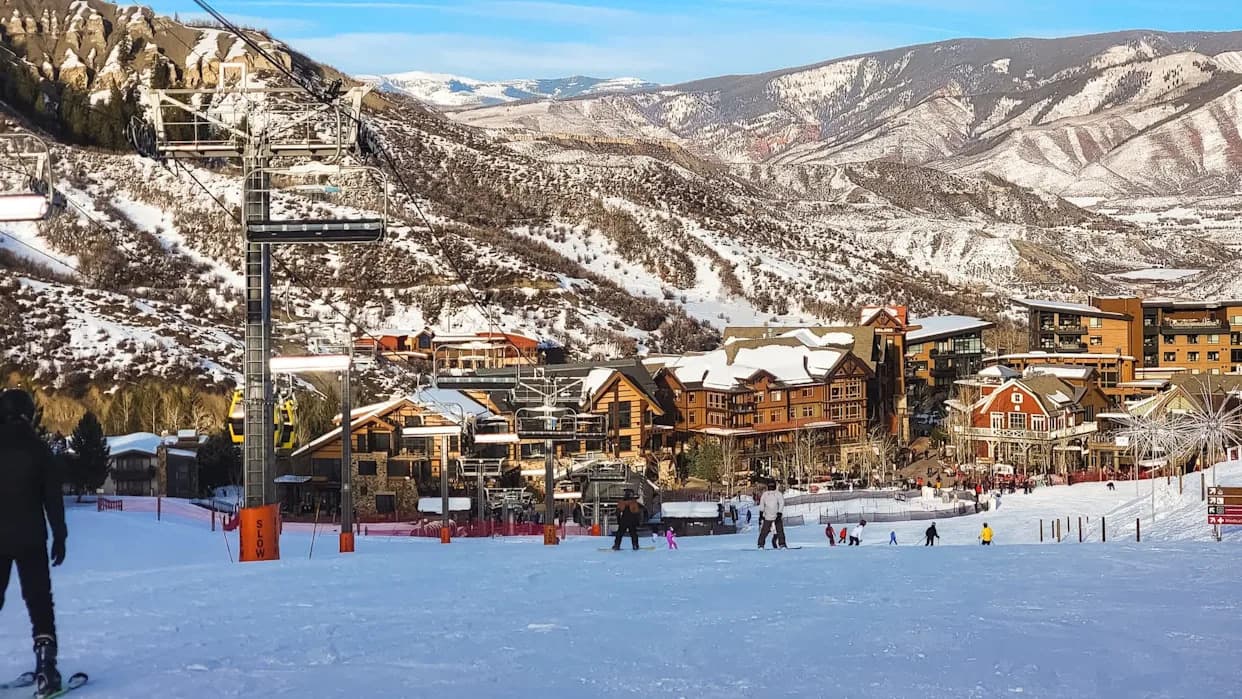
Photo Credit: iStock
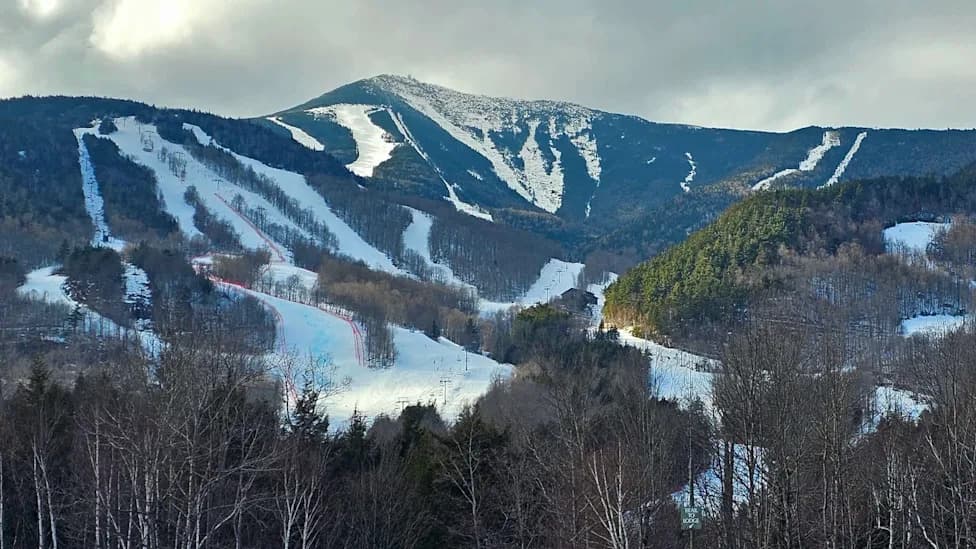
Ski areas across the Western United States are enduring one of the toughest winters in decades as persistent dryness and unusually warm conditions sap natural snowfall. Resorts, state agencies and researchers are racing to adapt as shrinking snowpacks threaten local economies and water supplies.
Cloud Seeding, Drones and Generators
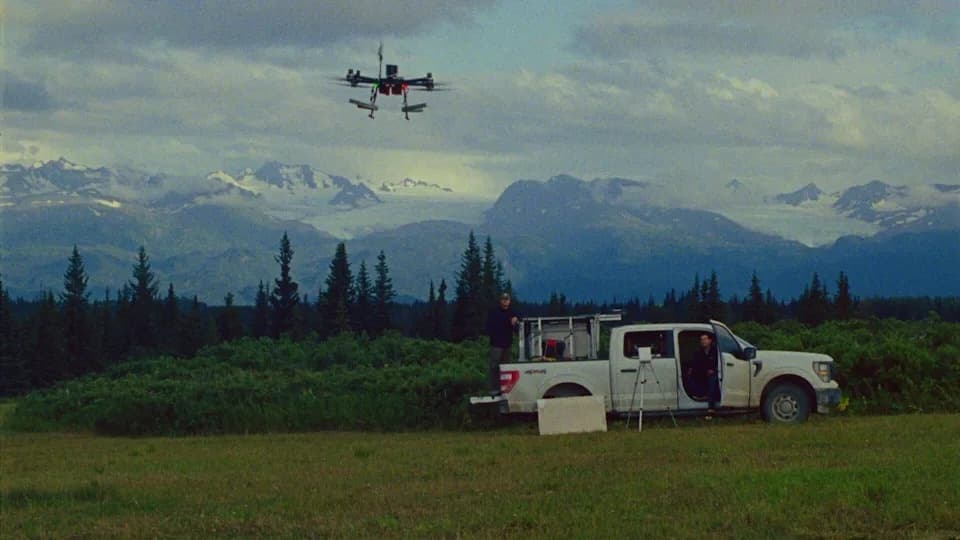
Operators in Colorado and Utah have increasingly deployed cloud‑seeding drones and ground generators to try to coax snow from marginal storms. The technique disperses silver iodide particles into cold, moisture‑bearing clouds to encourage ice‑crystal formation and snowfall. At Winter Park Resort in Colorado, a contractor ran a generator upwind of the slopes during the holiday season; resort officials told Bloomberg they estimated one seeded storm produced snow the resort valued at roughly $1 million.
State Investments and Program Expansions
State governments and water agencies in Colorado, Utah and Idaho are committing millions of dollars to seeding programs. Bloomberg reported that Utah has pledged at least $5 million a year for cloud seeding and has earmarked about $12 million to upgrade roughly 200 seeding machines as officials try to boost mountain snowpack and refill shrinking reservoirs.
Scientific Debate Over Effectiveness
Researchers are divided over how much water cloud seeding actually delivers. Some state officials view seeding as relatively inexpensive and less water‑intensive than large‑scale artificial snowmaking, but atmospheric scientists caution the results can be modest and difficult to quantify. As Katja Friedrich, an atmospheric science professor at the University of Colorado, told Bloomberg:
"I understand why people are buying it, because they're so desperate. But if you ask me, there's no scientific proof [that it produces a meaningful amount of water]."
Snowmaking: Costs and Tradeoffs
Many resorts are also expanding conventional snowmaking systems to cover runs and extend seasons. While snowmaking can reliably produce skiable surfaces, it often consumes large volumes of water and energy, and its use can strain already limited water resources during droughts.
Economic Impacts and Long‑Term Responses
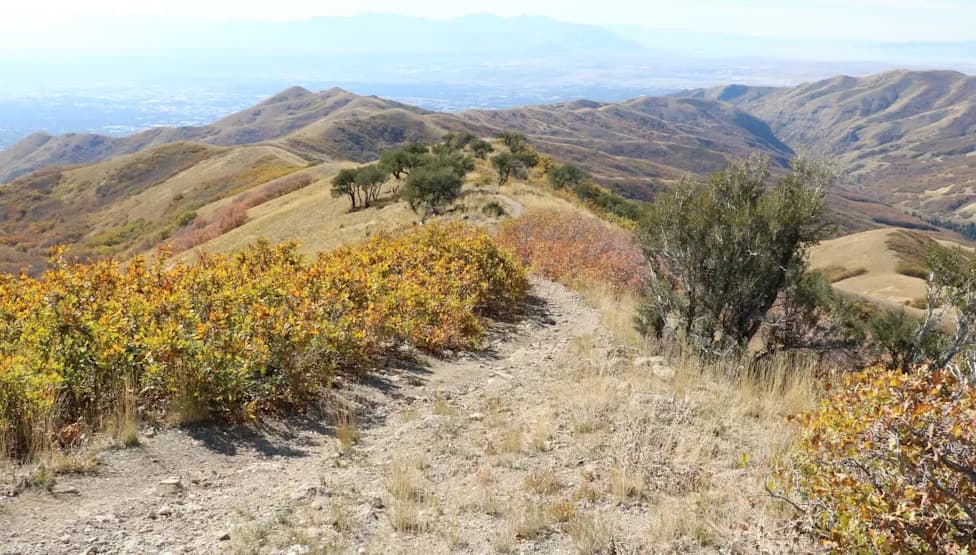
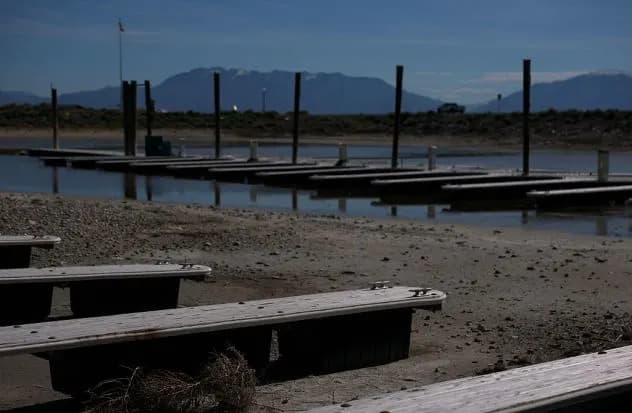
The economic fallout from unreliable winters is already visible: closures, mounting debt and seasonal job losses are affecting mountain communities that depend on winter tourism. Prolonged snow shortages can hollow out towns and harm agriculture and hydropower generation that rely on spring snowmelt.
Communities and industry leaders are exploring a range of resilience strategies, including diversifying local economies, expanding summer and non‑snow recreation, relocating or extending ski terrain to higher elevations, and investing in water management infrastructure. Many experts stress that the most durable solution is reducing greenhouse‑gas emissions to limit warming and the shift of winter precipitation from snow to rain.
Where To Learn More
Policy makers, recreation managers and residents will need data‑driven planning and regional cooperation to navigate a warmer, less snowy future. For readers who want to learn more, look for reporting and studies from independent climate scientists, state water agencies and peer‑reviewed journals that assess the effectiveness and tradeoffs of cloud seeding and snowmaking.
Help us improve.