Uttarakhand is experiencing a hydrological drought after an unusually dry winter depleted rain and snowfall, prompting government estimates of 15%–20% crop losses in several districts. Scientists warn that reduced snow accumulation risks net glacier ice loss and less meltwater for rivers and reservoirs. Sharp temperature swings have produced a "false spring," causing premature flowering that reduces yields, while lower snowpacks increase wildfire and downstream water-shortage risks. Experts link these trends to rising global temperatures and urge emissions reductions plus local adaptation measures.
Scientists Warn Of 'False Spring' As Dry Winter Triggers Hydrological Drought In Uttarakhand
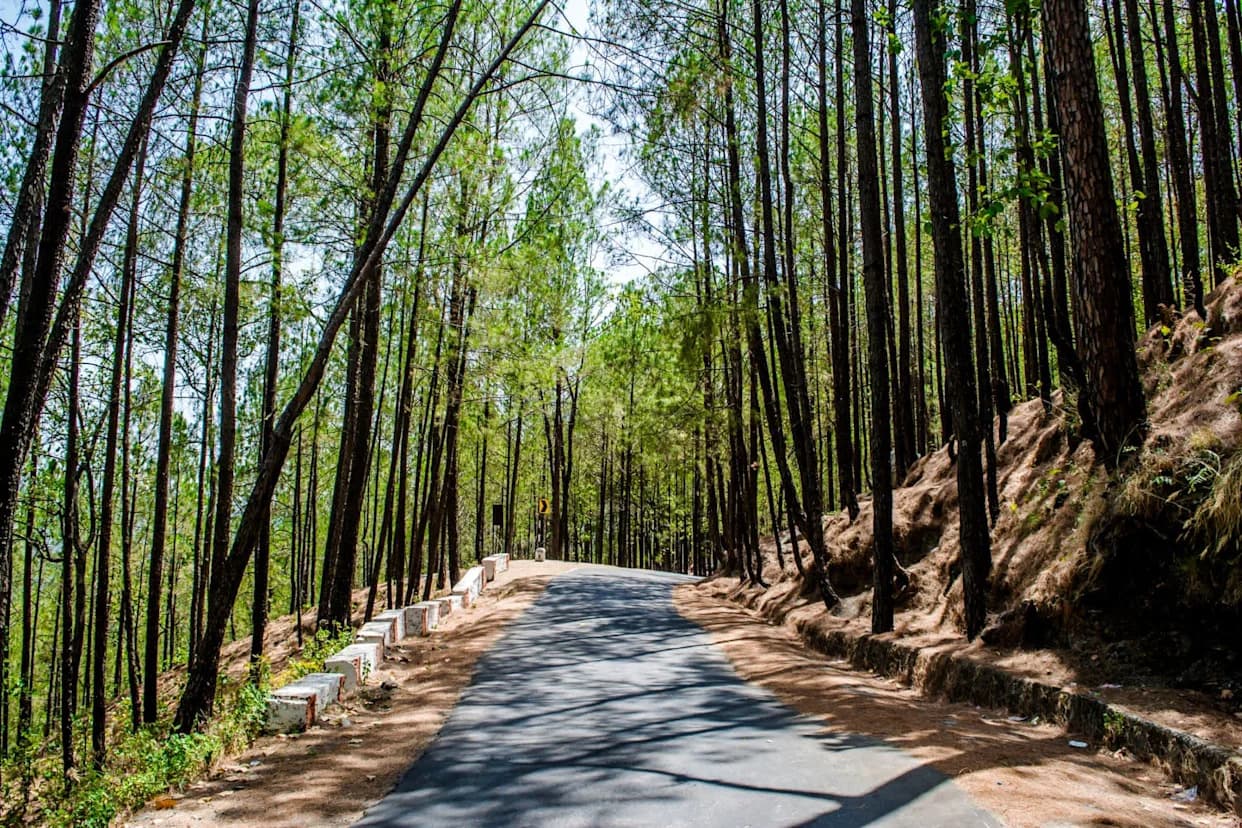
Photo Credit: iStock
Uttarakhand is facing a hydrological drought after an unusually dry winter left both rain and snowfall far below normal levels, officials and researchers report. The shortfall is starving soils, rivers and glaciers of their usual winter recharge and is already having measurable impacts on agriculture and water security.
What Happened
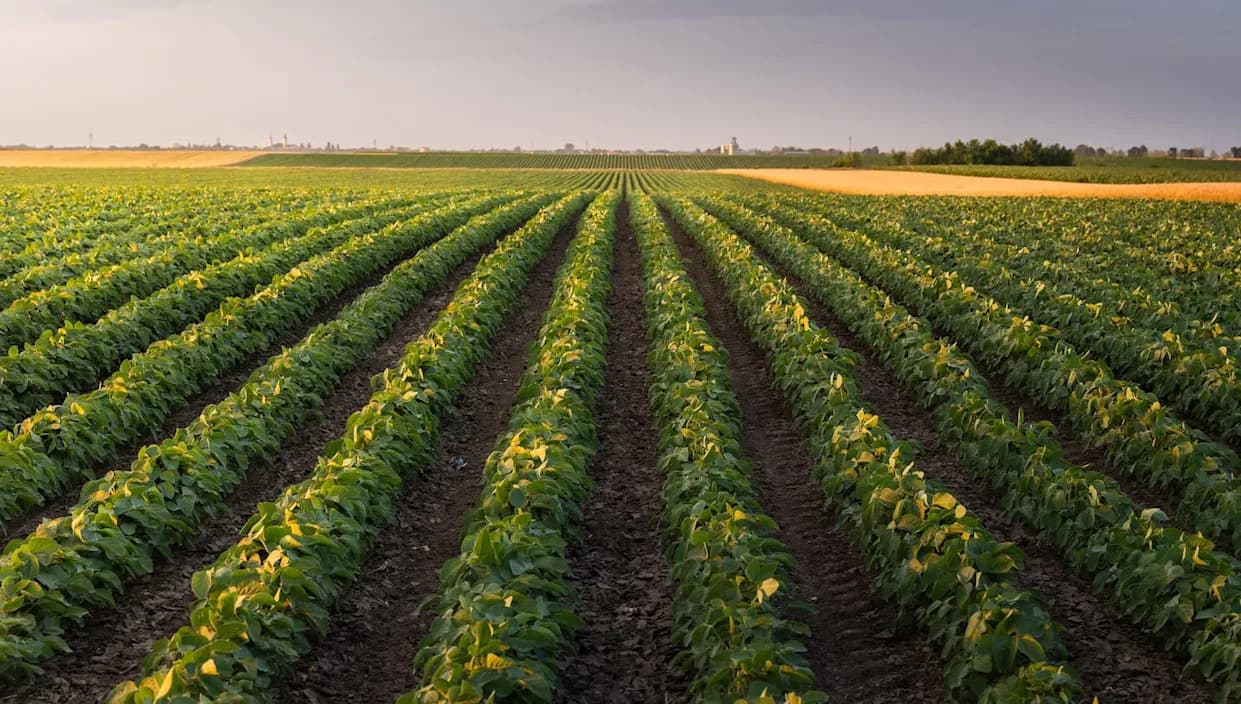
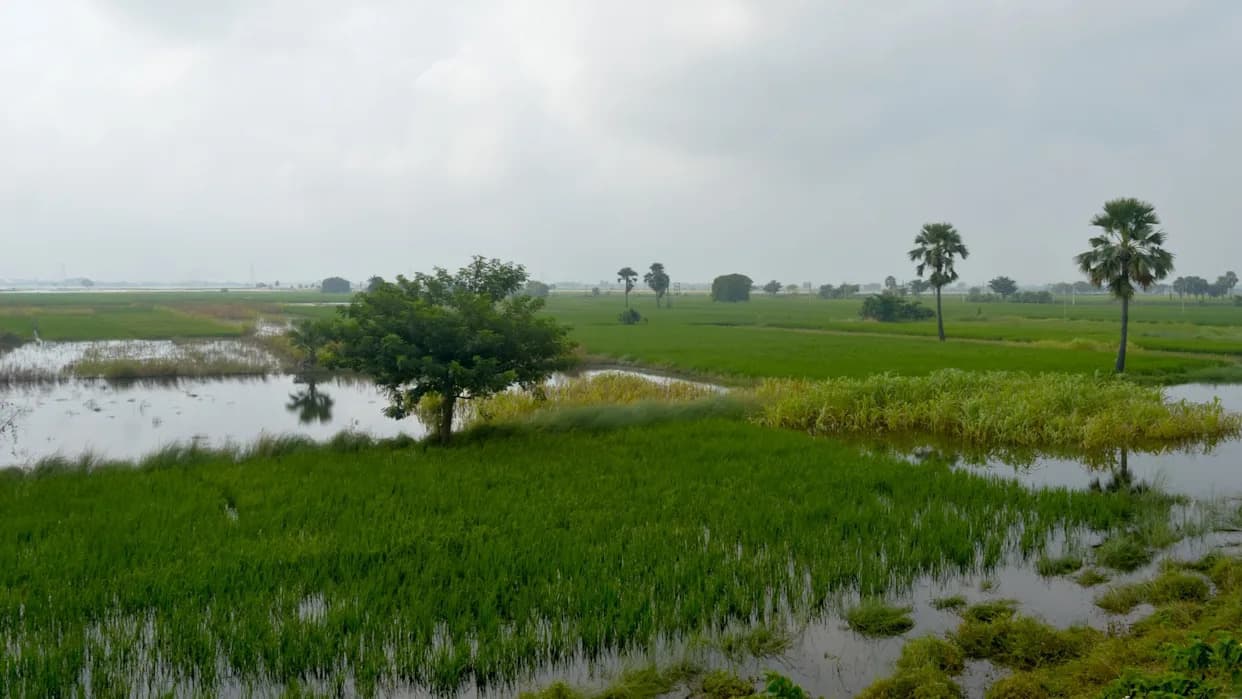
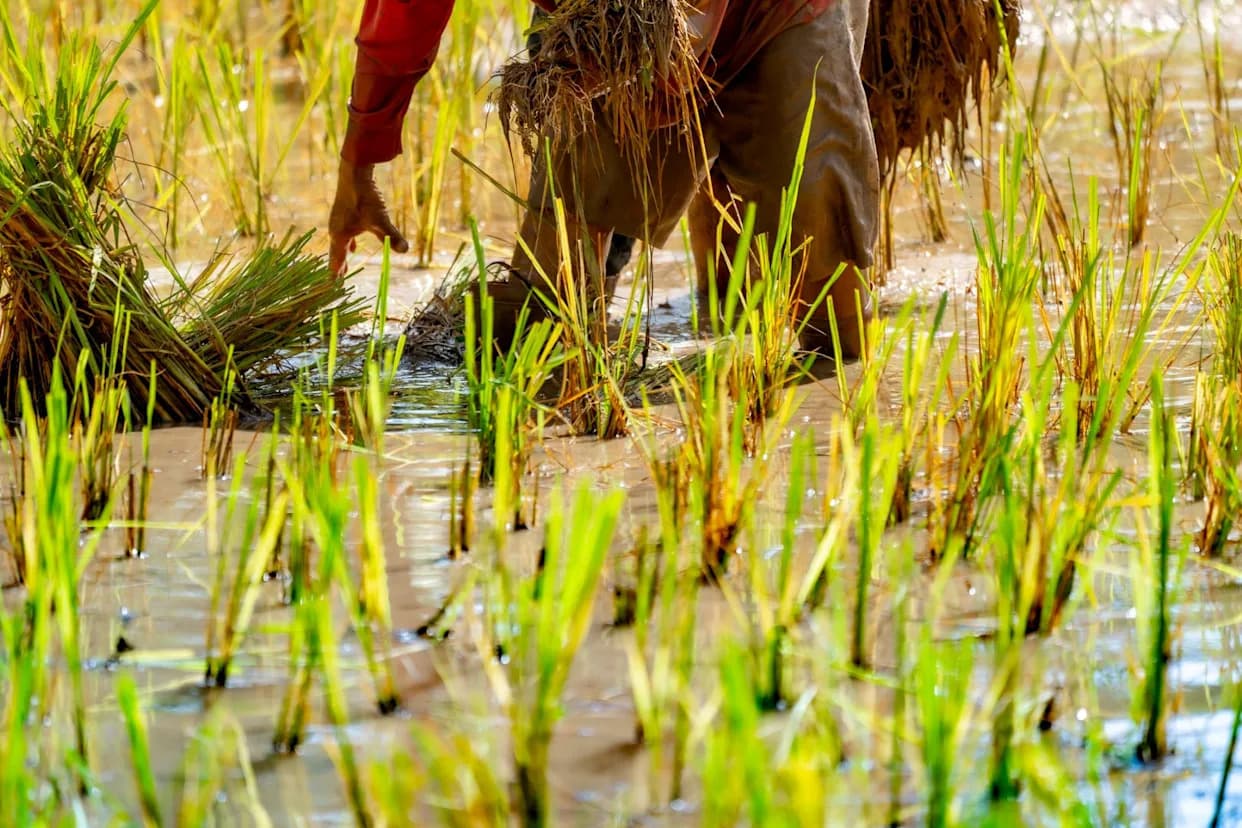
Government officials estimate crop losses of 15%–20% in several districts, where nearly 90% of farming depends on rainfall. Without adequate moisture, soils remain too dry for seeds to germinate properly, threatening sowing and yields this season.
Impacts On Glaciers And Water Supply
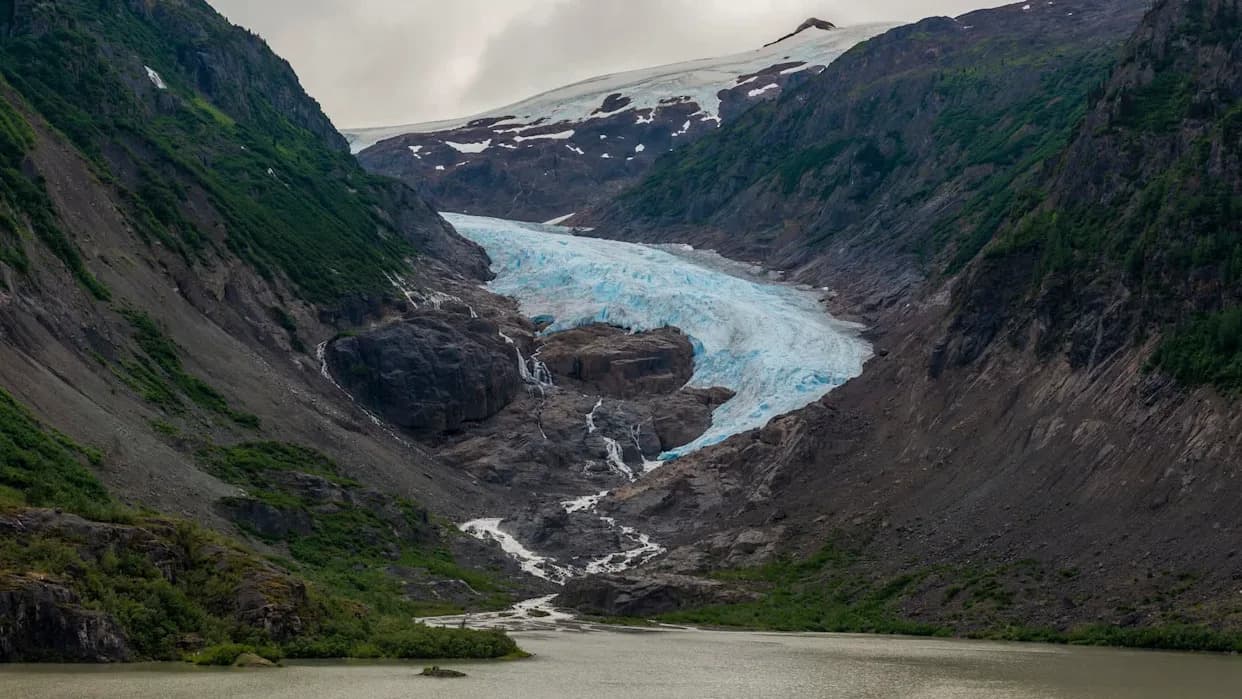
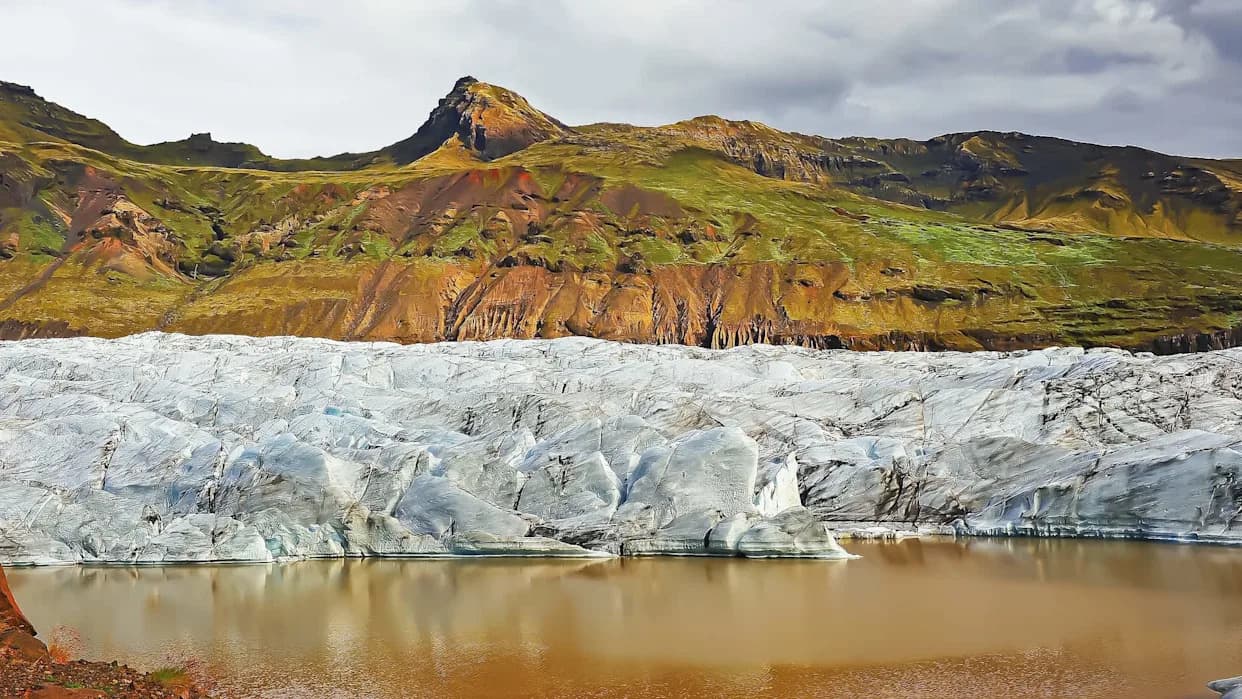
Glaciologist Manish Mehta of the Wadia Institute of Himalayan Geology warns that insufficient snow accumulation can cause glaciers to lose more ice than they gain — a dangerous imbalance for long-term downstream water security. Reduced snowpack also means less meltwater feeding rivers and reservoirs later in the year, raising the risk of water shortages for communities that rely on seasonal melt.
Former scientist Jagdish Chandra Kuniyal said, "Delayed snowfall may benefit tourism, but it does not help glaciers."
False Spring And Agricultural Risks
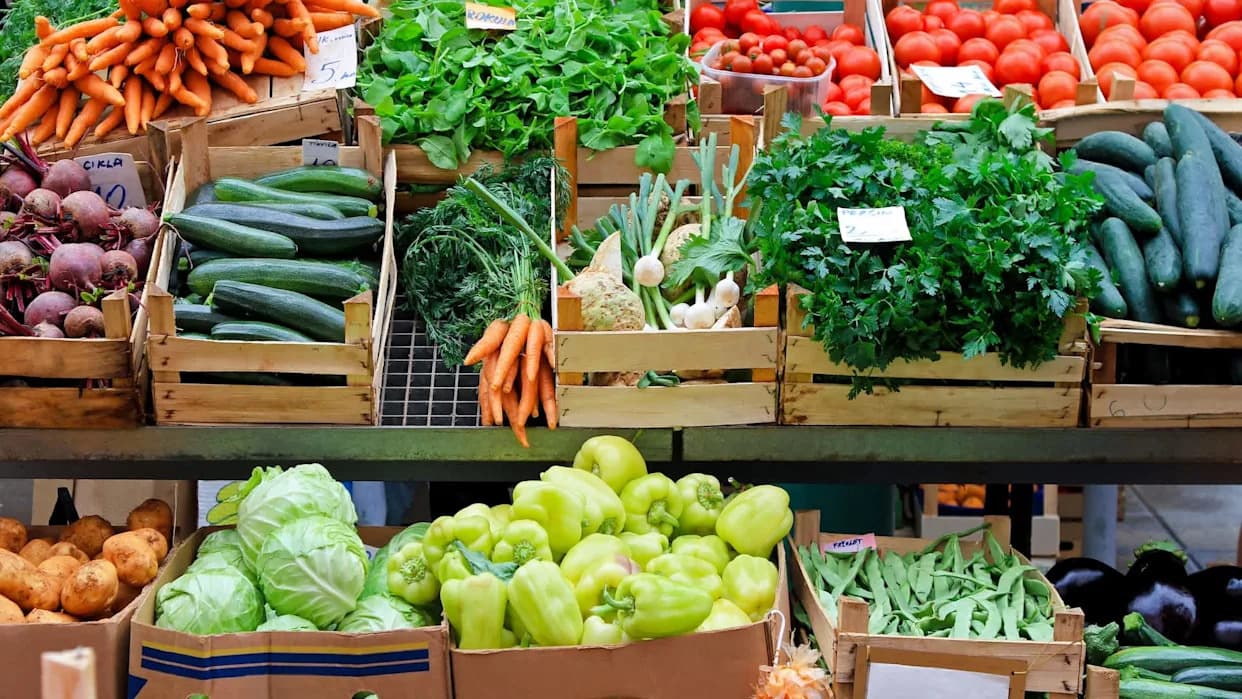
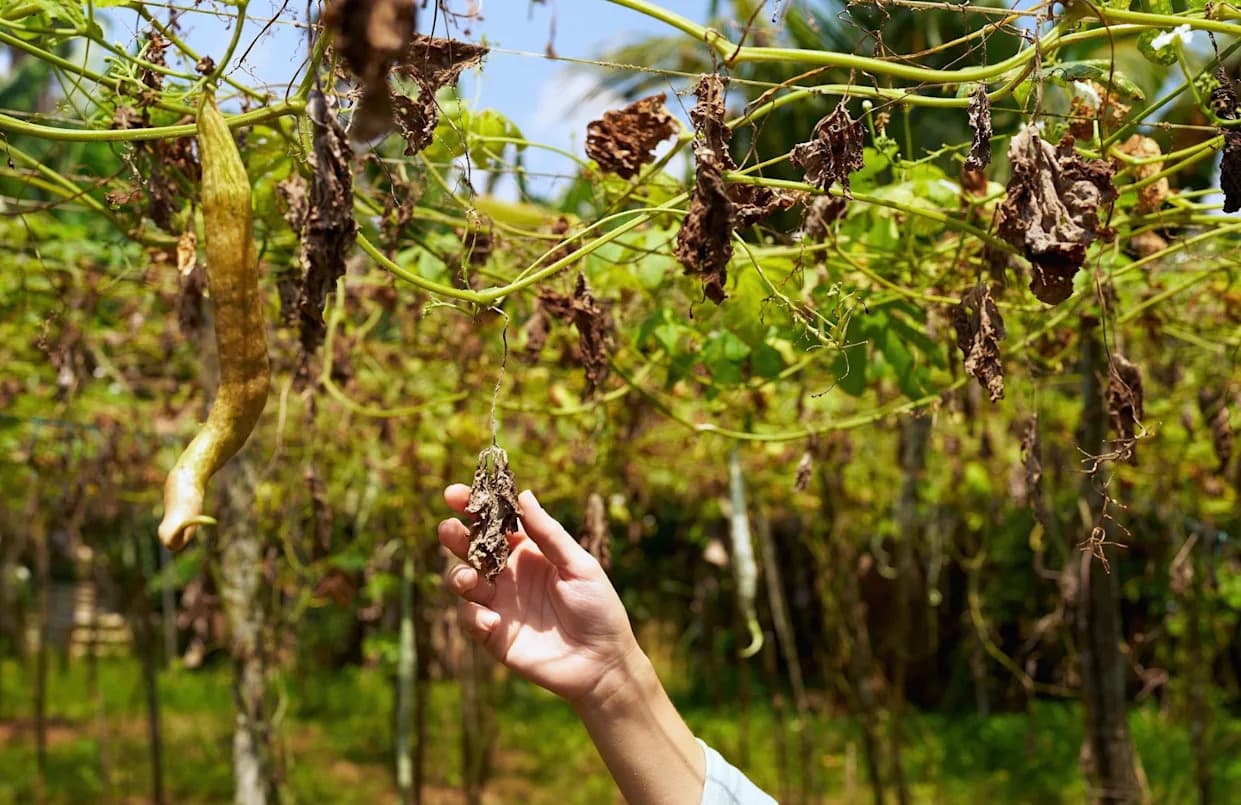
Sharp swings in temperature are creating conditions researchers call a "false spring." Warm spells can trigger premature flowering in fruit trees, which often leads to poor pollination, lower yields and reduced fruit quality when cold spells or drought follow.
Wildfire And Ecosystem Threats
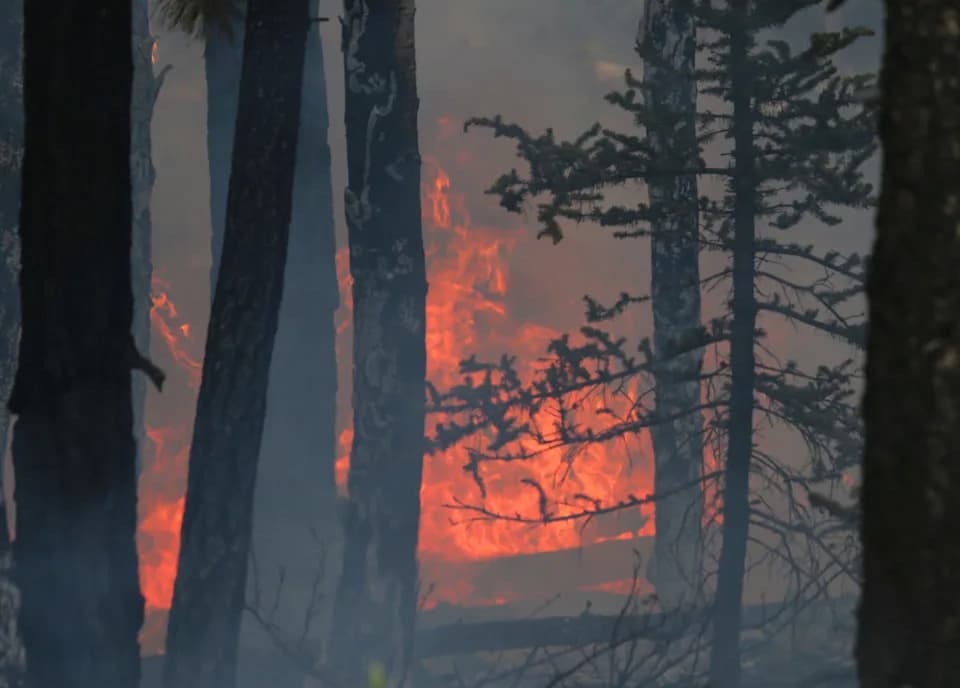
Extended dry conditions also make forests more flammable, increasing wildfire risk that can endanger lives, livelihoods and local economies. Emergency teams have been mobilised in parts of Uttarakhand to manage rising fire risk.
Wider Pattern And Global Context
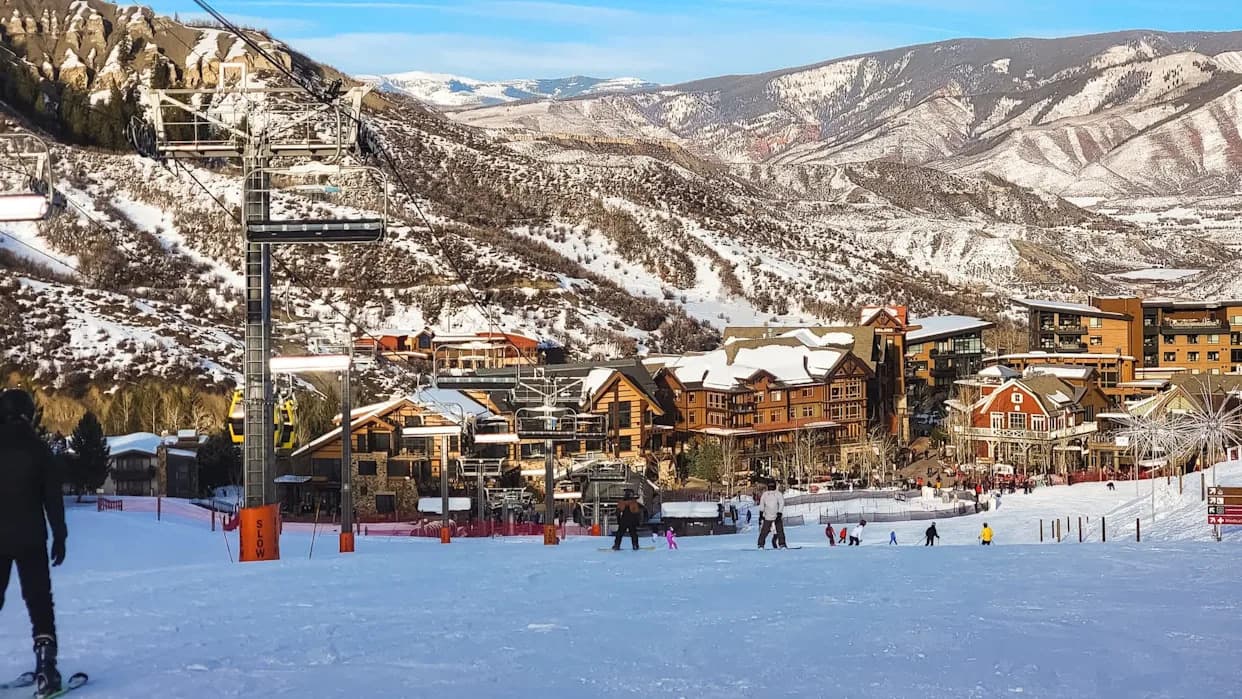
Scientists note similar "snow droughts" are unfolding elsewhere, including in the western United States. Observing stations in Utah and Colorado recorded record- or near-record-low snow levels during the 2025–2026 winter season. Researchers link this pattern to rising global temperatures, which are disrupting traditional weather cycles and increasing the frequency of anomalous winters.
What Can Be Done
Experts say reducing emissions and pollution is the most effective way to slow warming and curb destabilising weather changes. Practical actions at the household and community level — such as switching to electric vehicles, installing solar panels, improving water-use efficiency and reducing single-use plastics — can help lower emissions and increase resilience, often while saving money over time.
Monitoring and preparedness — strengthened early warnings, better water management and forest-fire prevention — will also be essential to reduce immediate risks to people and livelihoods as these patterns continue.
Help us improve.