Western U.S. mountain snowpack is at record-low levels across many basins despite a recent national winter storm. NRCS data from 800+ monitoring stations across 80+ basins show widespread deficits. Warmer winter temperatures have shifted precipitation from snow to rain, reducing spring runoff that feeds irrigation, hydropower and helps limit wildfire risk. NOAA forecasts continued dry, above-average temperatures for much of the West, increasing pressure on Colorado River negotiations that affect some 40 million people.
Western Snowpack Plummets to Record Lows — Threatening Water, Power and Fire Risk
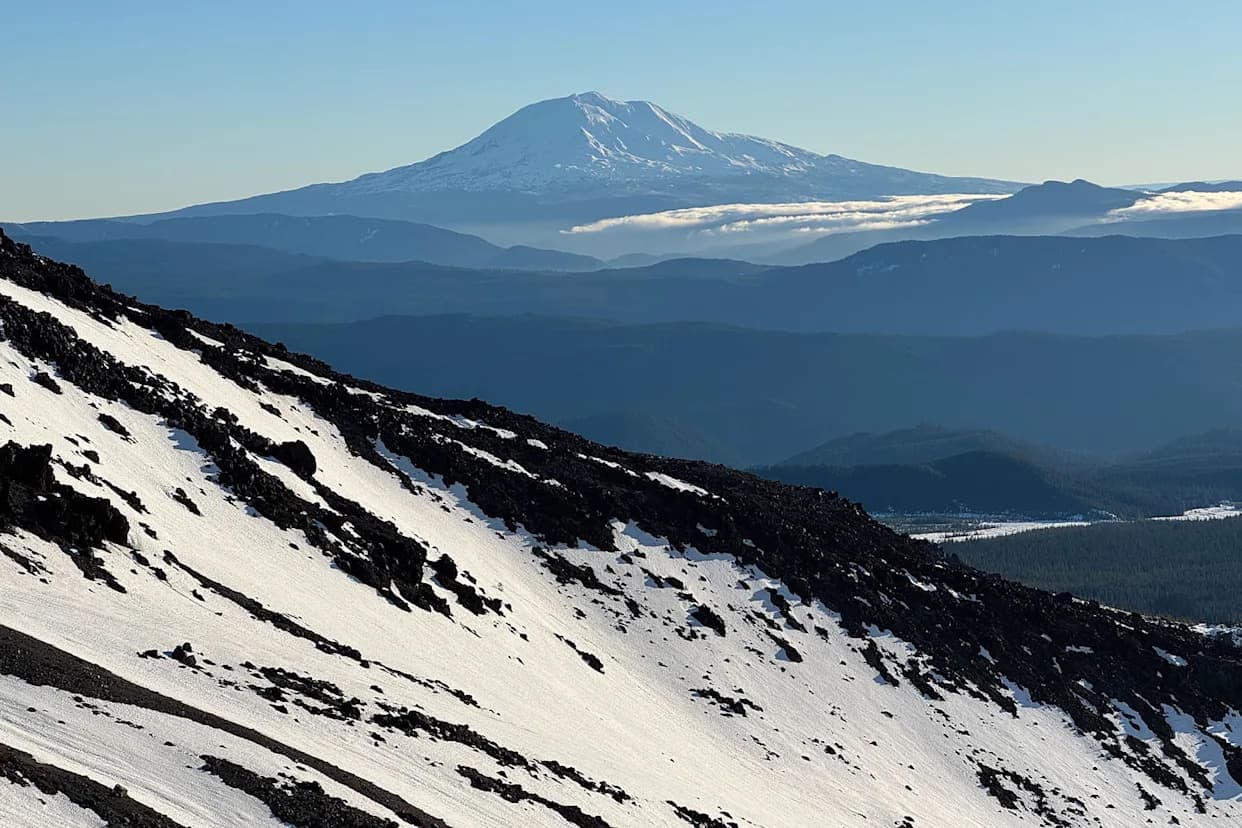
Volcanic rock seen on the slopes of Mount Saint Helens in Washington state on Jan. 17, with Mount Adams in the background. In a normal snow year, the rock would not be so visible. (Evan Bush / NBC News)(Evan Bush)
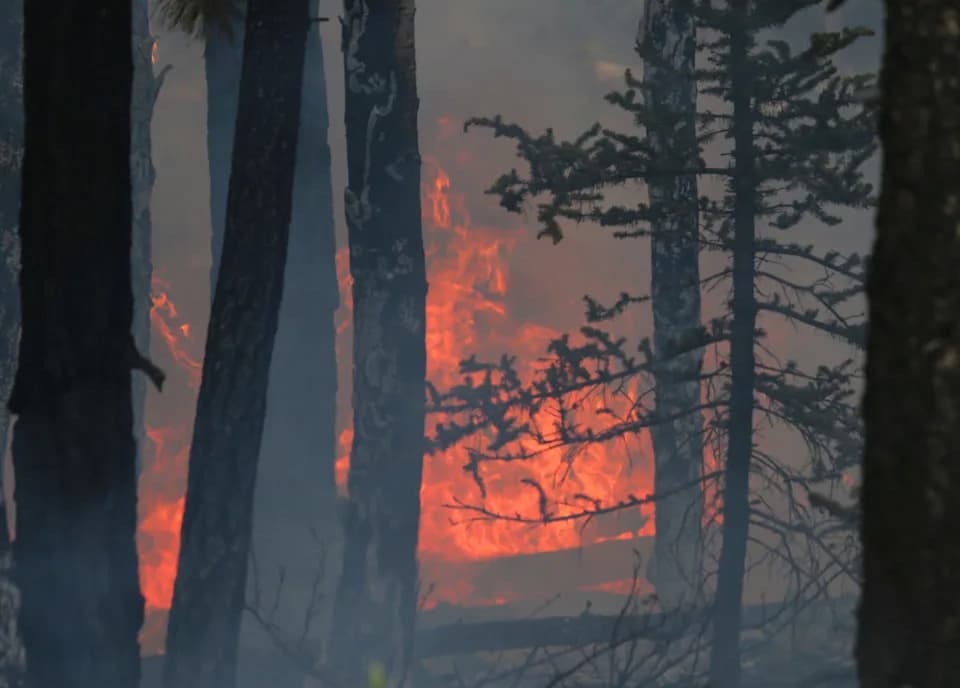
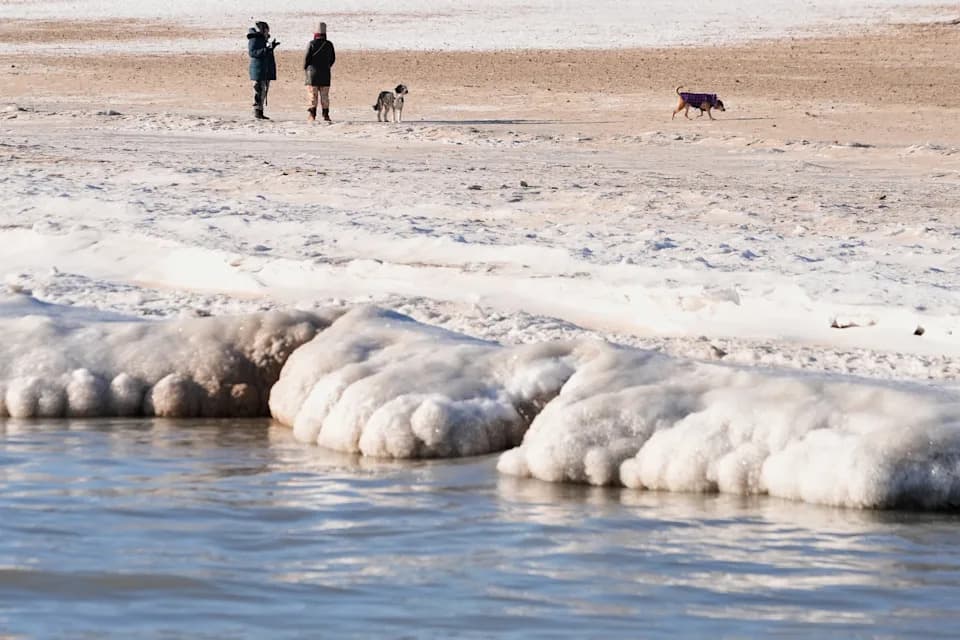
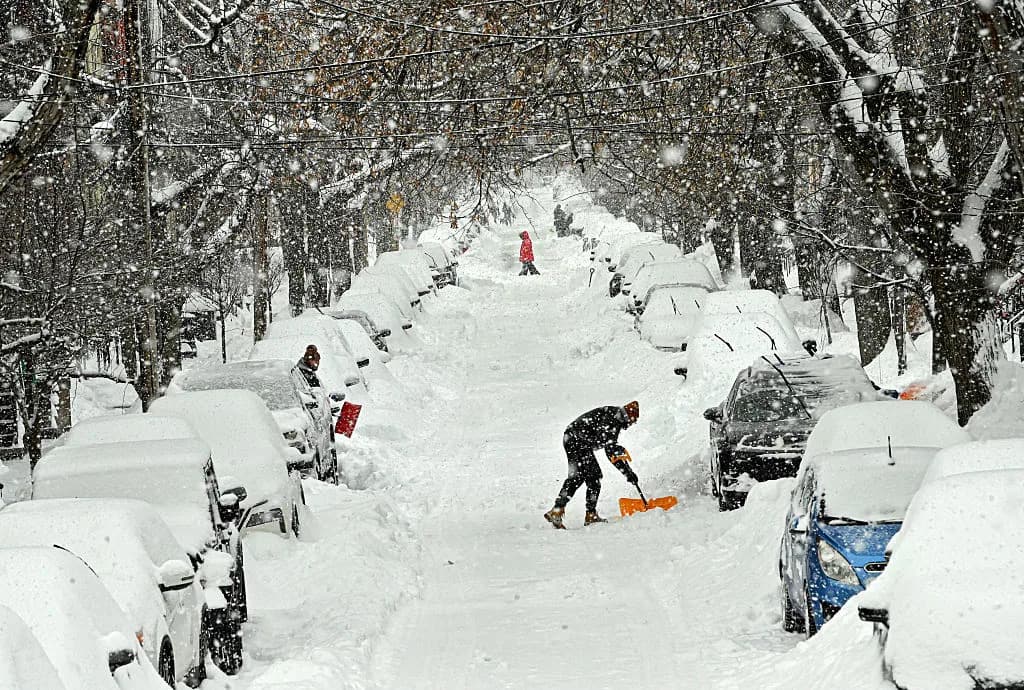
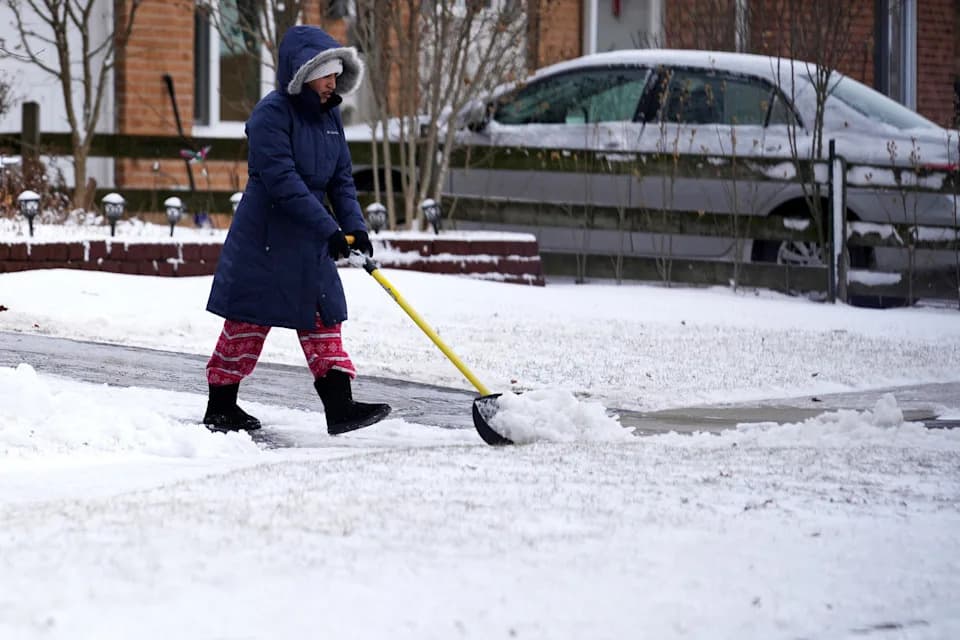
Last weekend’s broad winter storm dropped heavy snow across much of the United States, but the American West remains in the grip of a “snow drought.” Across multiple states, mountain snowpack is tracking at record-low levels for this point in the season, raising concerns about water supplies, hydropower and an elevated wildfire season later in the year.
Regional snapshots
In Colorado, state climatologist Peter Goble reports the statewide snowpack is “the lowest on record for this point in the season,” with “all of our mountain ranges well below normal.” Utah shows a similar picture: Kevin Perry, an atmospheric scientist at the University of Utah, said the region is “in uncharted territory” and is headed toward what could be the lowest Feb. 1 snowpack on record.
Measurements come from the Natural Resources Conservation Service (NRCS), which collects data from more than 800 high-elevation monitoring stations and tracks snow-water equivalent across more than 80 river basins in the western continental United States. NRCS data show nearly every basin is trending below its historical average — an unusual breadth of deficits across the region.
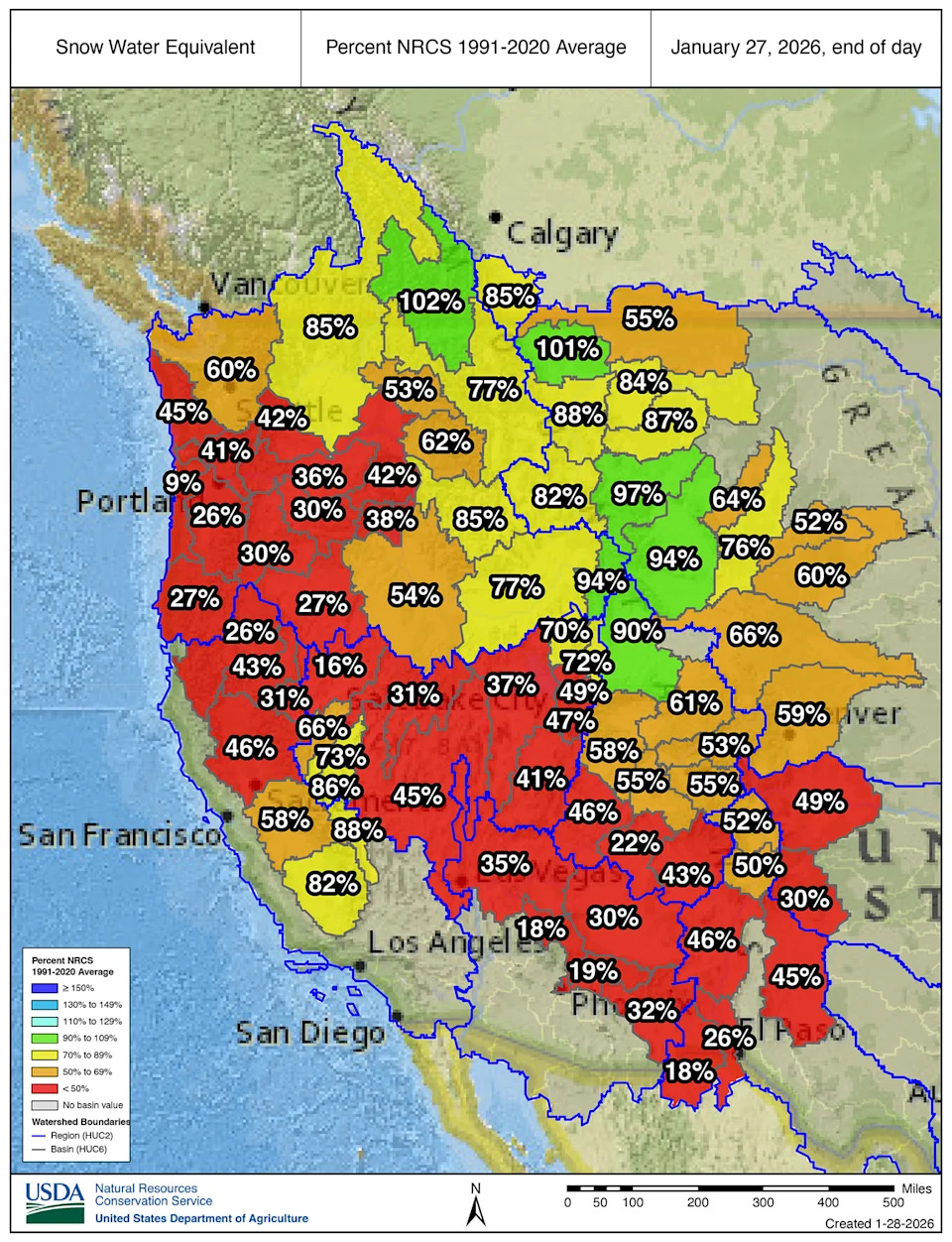
Only a handful of basins in the Western U.S. are near average snowpack levels. (Natural Resources Conservation Service)(Natural Resources Conservation Service)
Why this winter has been so unusual
Experts point to uncommonly warm winter temperatures that shifted precipitation from snow to rain in many areas. December’s atmospheric river events brought heavy, warm rains to parts of the Pacific Northwest and California; as Oregon State University professor Philip Mote noted, “the torrential rains ... none of that stayed in the mountains.” After that active period, the Pacific moisture largely shut off across the Northwest.
Local factors also matter. In Utah, early-season rains in November and December melted snow below about 9,000 feet, leaving the Wasatch range “top heavy,” with good high-elevation snow but little at low and mid elevations. Colorado saw an unusually warm December: Goble said December 2025 was nine degrees warmer than the long-term average statewide — the warmest December on record back to 1895.
Consequences: water, power and wildfire risk
Mountain snowpack acts as a natural reservoir, slowly releasing meltwater through spring and summer. Low snow-water equivalents reduce spring runoff, which farmers rely on for irrigation, utilities use for hydropower generation, and communities depend on for municipal supplies. Reduced runoff also leaves landscapes drier and more vulnerable to wildfire later in the season.
California’s southern Sierra Nevada shows pockets of above-average accumulation, but many other basins remain deficient. The National Oceanic and Atmospheric Administration’s Climate Prediction Center forecasts drier-than-normal conditions for much of the West over the next two weeks and above-average temperatures through the coming month, making short-term recovery unlikely in some areas.
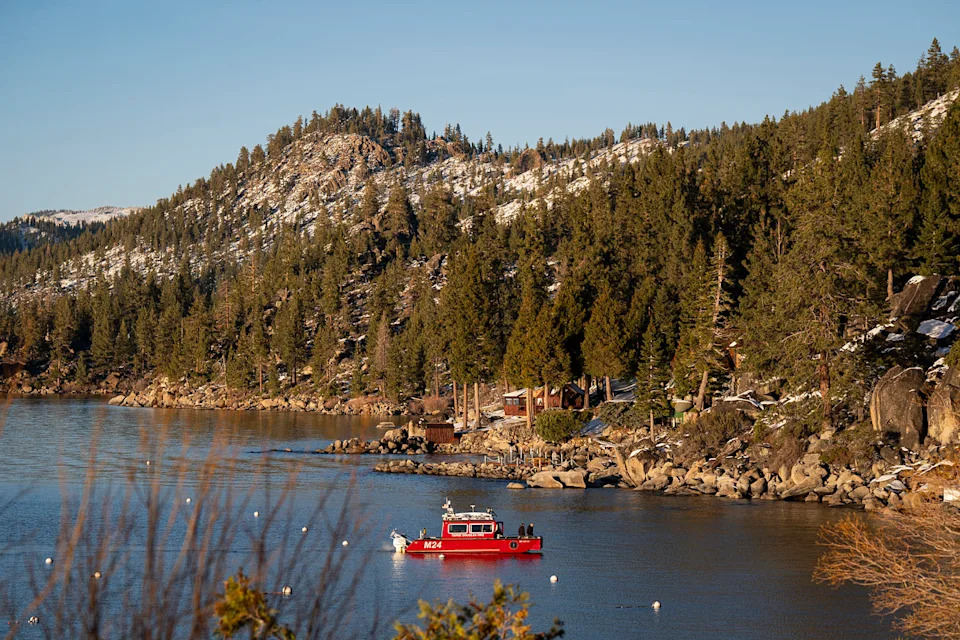
Lake Tahoe on Dec. 29 in Glenbrook, Nev. (Al Drago / Getty Images)(Al Drago)
“For Eastern Washington and most of Idaho, the story’s already kind of been written and it’s just unlikely to change,” Mote said.
Longer-term context
Separating natural variability from long-term climate trends is challenging, but recent research points to a broader signal: a 2024 study in Nature linked declines in Northern Hemisphere snowpack to climate change. Mote’s regional analyses also document dramatic long-term drops in Western snowpack, a trend he described as getting “clearer and sadder.”
Political and economic implications
If low snowpack persists, negotiations among the seven Colorado River basin states — California, Arizona, Nevada, Colorado, New Mexico, Utah and Wyoming — will become more urgent. The Colorado River supplies drinking water to roughly 40 million people and supports about 5.5 million acres of agriculture. The Bureau of Reclamation recently released a draft plan for managing increasingly scarce flows and preventing reservoirs such as Lake Mead and Lake Powell from falling to critical “dead pool” levels; talks over allocations have reportedly stalled.
“In the short run, having a low snowpack year may raise the urgency of coming to some of those agreements,” Goble said.
Originally published on NBCNews.com
Help us improve.