Researchers report western Canada lost about 30 gigatonnes of glacier ice in 2025 — the region's second-worst year for ice loss on record. A study led by Brian Menounos links accelerating melt to higher temperatures and reduced late-summer snow cover, based on satellite, airborne and field data. Shrinking glaciers threaten water supplies, hydroelectric power and coastal infrastructure, prompting expanded monitoring and difficult policy choices amid ongoing fossil fuel development.
Scientists Warn Rapid Glacier Melt Threatens Water, Power and Coastal Communities: "It's Not A Question"
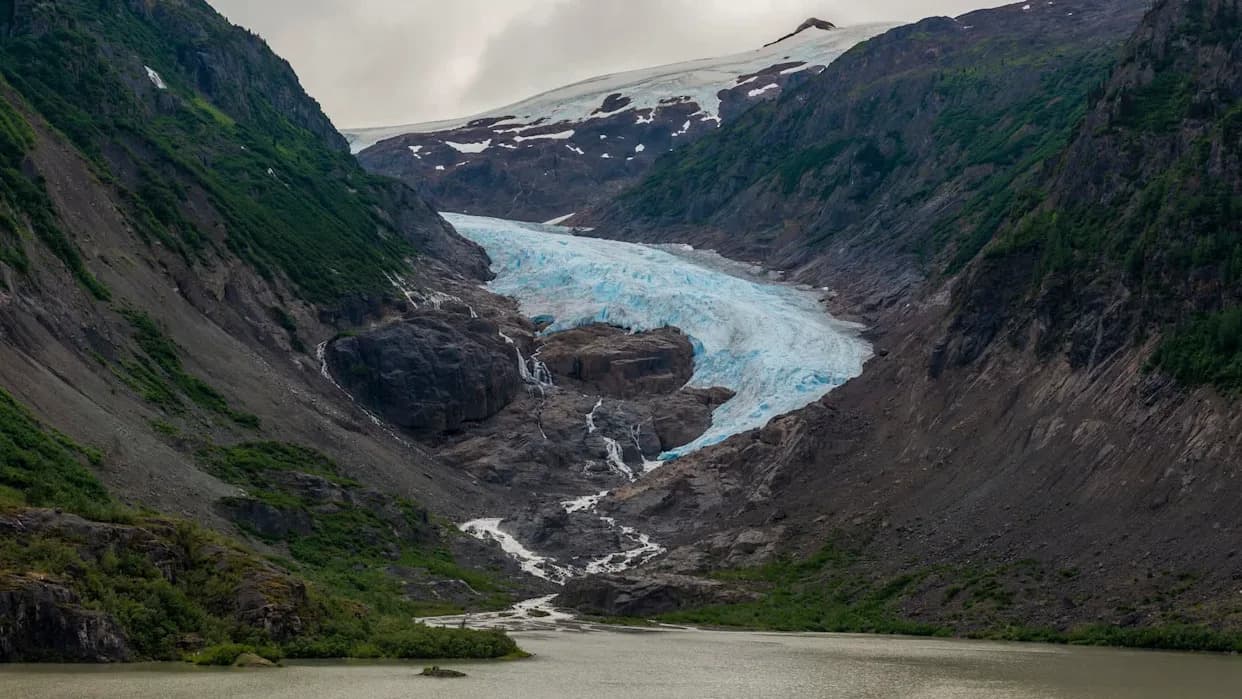
Photo Credit: iStock
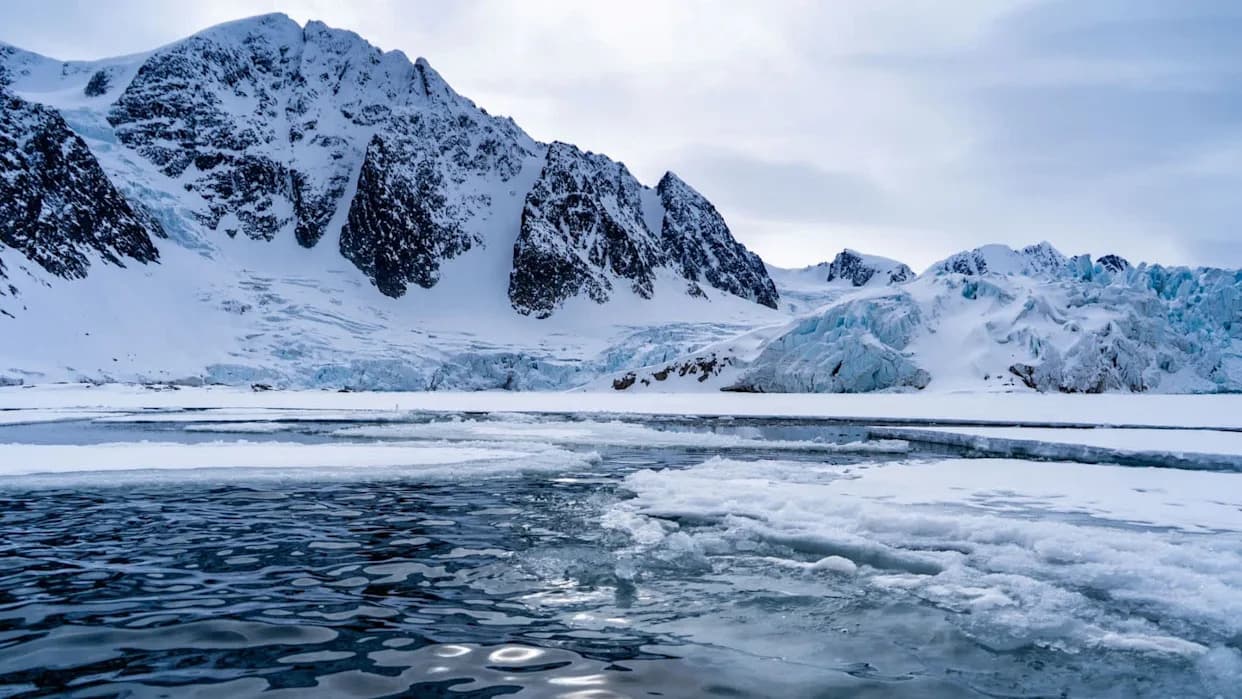
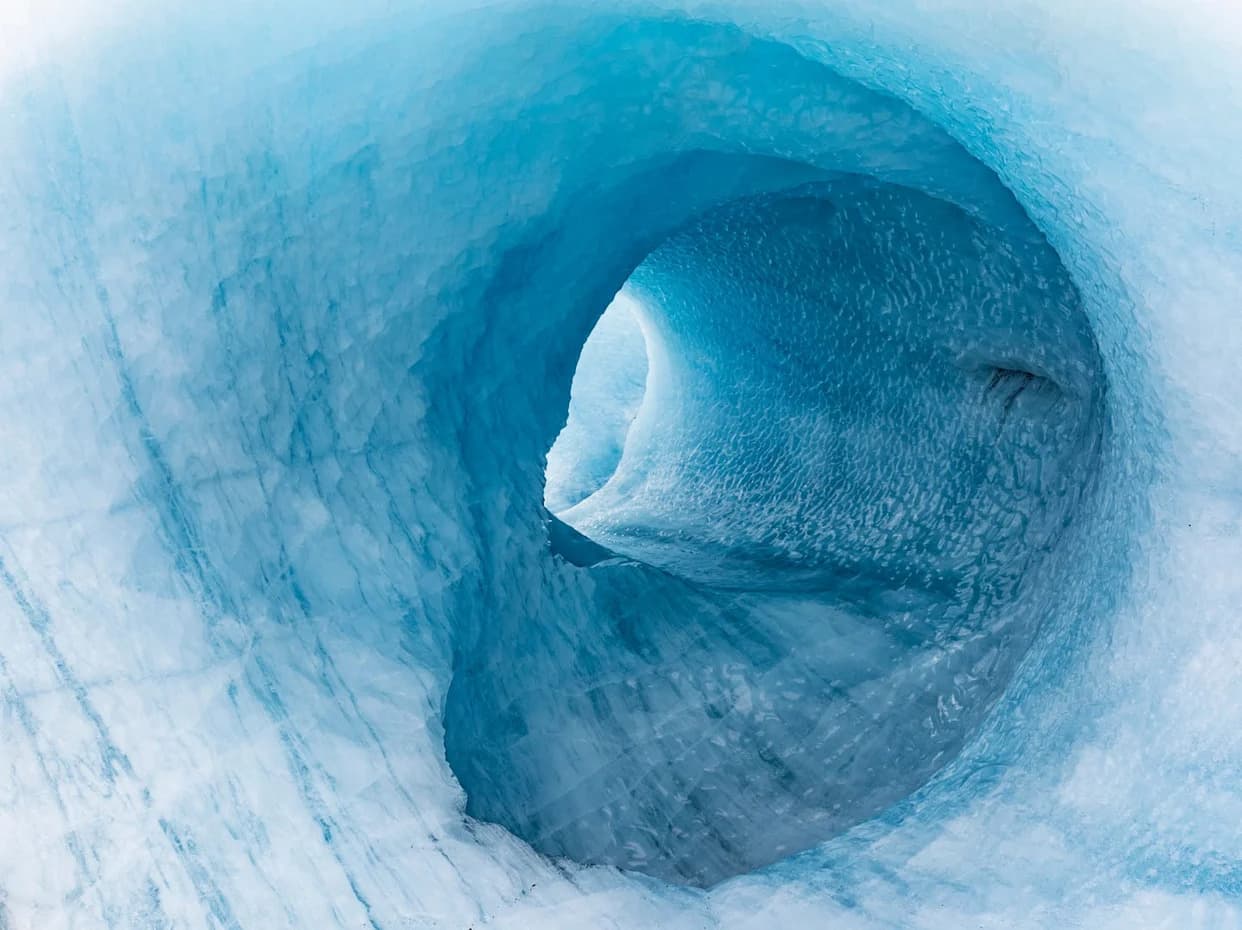
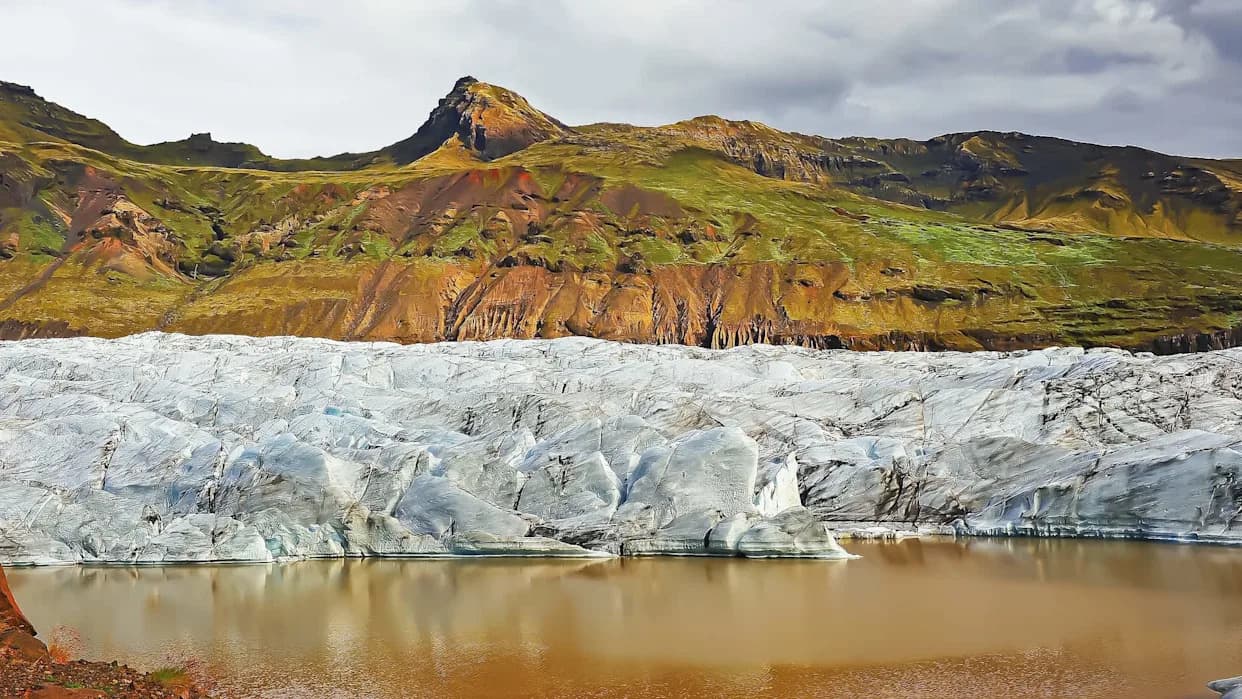
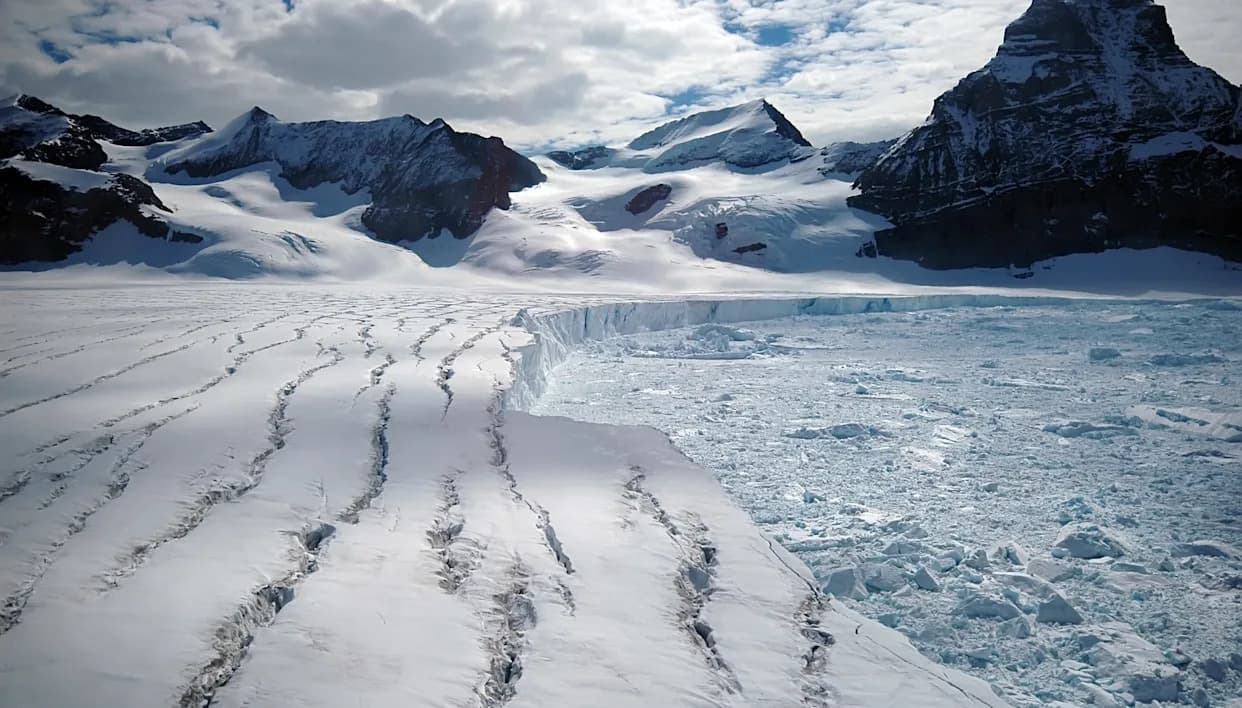
Western Canada experienced its second-worst year on record for glacier loss in 2025. Researchers estimate roughly 30 gigatonnes (about 30 billion metric tons) of glacial ice disappeared — an amount the team says would be enough to cover California to a depth of roughly three feet. Scientists warn this accelerating melt poses serious risks to regional water supplies, hydroelectric generation and coastal infrastructure.
Key Findings
- Large Mass Loss: Approximately 30 gigatonnes of ice lost from western Canada in 2025, the second-worst annual loss on record for the region.
- Acceleration Drivers: Rising air temperatures and reduced late-summer snow cover (lower albedo) are accelerating melt rates beyond previous projections.
- Methods: The team combined satellite observations, airborne surveys and direct ice sampling to assess glacier health and mass change.
- Wider Context: Related research from 2021–2024 documented notable ice loss in other regions, including parts of the United States and Switzerland.
“It's not a question of if the glaciers are going to disappear — they are going to disappear. What we're finding is that these glaciers are disappearing much faster than previously projected,” said Brian Menounos, professor of earth sciences at the University of Northern British Columbia and chief scientist at the Airborne Coastal Observatory, Hakai Institute.
British Columbia contains roughly 17,000 glaciers that feed rivers supporting fisheries and supplying water for drinking, agriculture and hydroelectric power. As glaciers shrink, communities can experience short-term increases in runoff and flood risk, followed by longer-term reductions in summer flows that threaten water security, ecosystems and power generation.
Policy and Management Challenges
Officials in British Columbia's Ministry of Water, Land and Resource Stewardship are coordinating with scientists to monitor glaciers and assess impacts. Canada's federal Climate Action Plan commits to reducing carbon pollution, but recent approvals for fossil fuel infrastructure highlight policy tensions between economic interests and climate mitigation.
What Residents And Policymakers Should Know
Rapid glacier loss has immediate and long-term consequences for coastal communities, energy systems and ecosystems. Recommended responses include strengthening water management and infrastructure planning, accelerating emissions reductions, expanding monitoring networks, and supporting community-led adaptation measures.
How You Can Help: Learn about local water conservation and climate solutions, support policies that reduce greenhouse gas emissions, and consider practical steps to lower personal and community carbon footprints.
Sources: Research led by Brian Menounos and reporting by CBC; complementary glacier-mass studies covering 2021–2024 in other regions.
Help us improve.