What you’ll learn: Researchers at the University of Rochester led by Chunlei Guo developed laser‑etched superhydrophobic metal tubes inspired by the diving bell spider that trap air to provide durable buoyancy. The 2019 prototype floated after long submersion but lost buoyancy at extreme angles; a 2026 redesign adds an internal divider that stabilizes the air pocket so tubes keep floating even when pressed or punctured. Scalable and raftable, these tubes may serve as robust flotation platforms for wave energy devices and other marine systems.
Engineers Use Spider-Inspired Superhydrophobic Metal to Build Effectively 'Unsinkable' Floating Tubes
This is the Perfect Tool for an Unsinkable Shipaire images - Getty Images
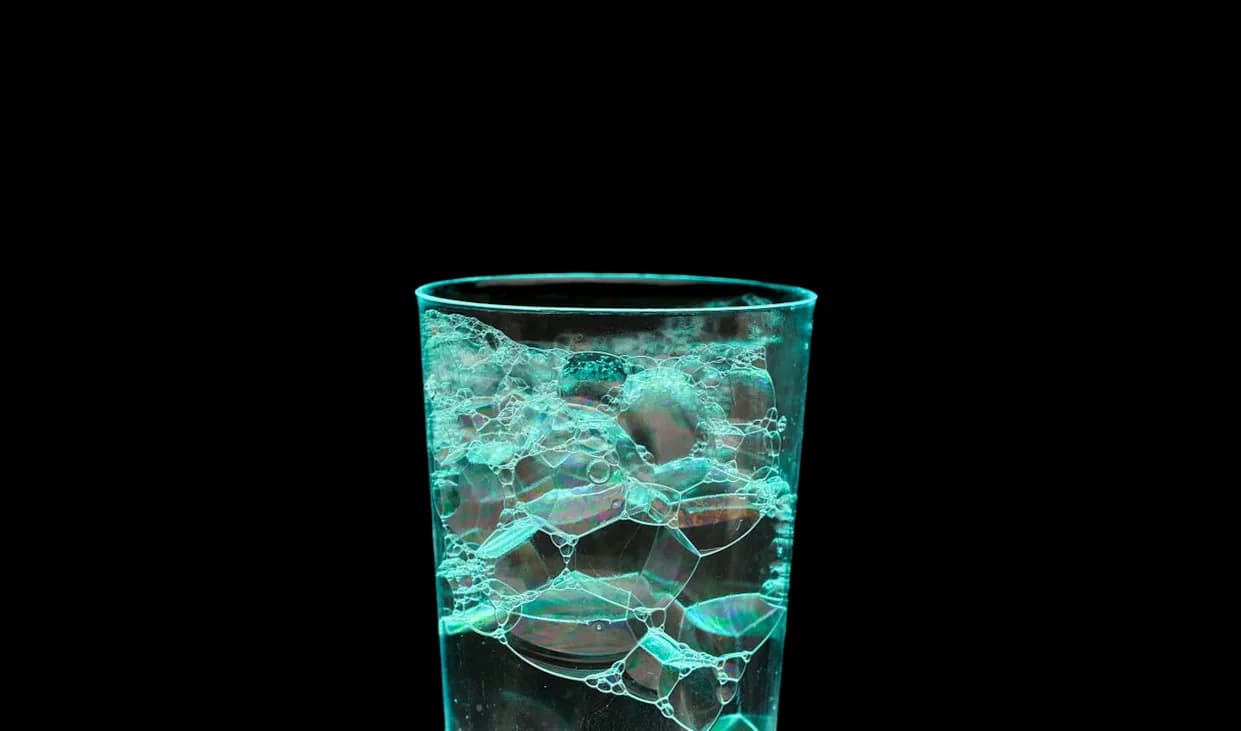
A new laser‑etched superhydrophobic metal inspired by the diving bell spider could become the basis for flotation systems so resilient they’re effectively unsinkable. Researchers led by Chunlei Guo at the University of Rochester have improved earlier designs by stabilizing trapped air pockets inside tube‑shaped metal structures, allowing them to retain buoyancy even when pressed, punctured, or exposed to turbulent conditions.
Biology Inspires a Maritime Breakthrough
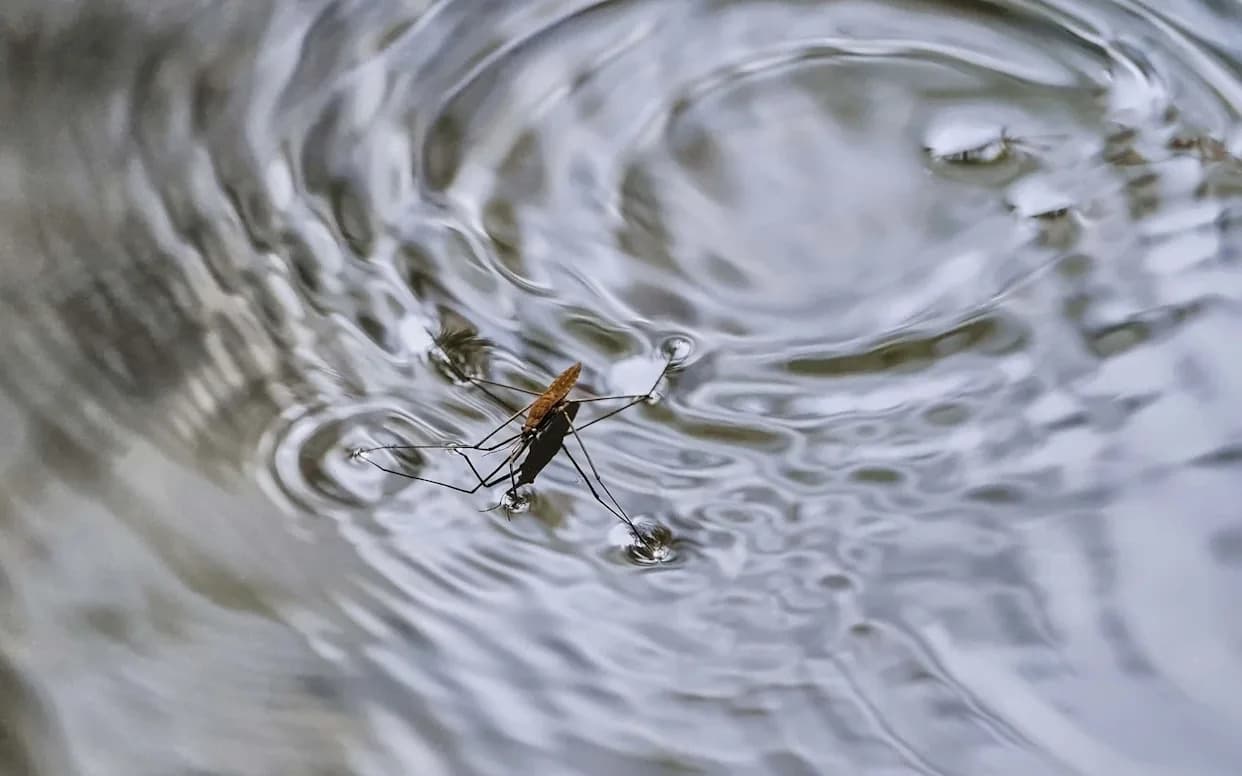
The diving bell spider (Argyroneta aquatica) lives almost entirely underwater but breathes air. It constructs a dome‑shaped “diving bell” web and carries air bubbles on its superhydrophobic legs and abdomen to fill the cavity. Guo’s team adapted that air‑holding trick to metal by etching nano‑ and microscale patterns that trap a stable layer of air and resist wetting.
From 2019 Prototype to a Robust 2026 Design
In 2019 the group published a proof‑of‑concept in ACS Applied Materials and Interfaces showing two laser‑textured metal plates facing each other could trap enough air to float and re‑emerge after being submerged under load for two months. The prototype was promising but could lose buoyancy at extreme tilt angles.
“We added a divider to the middle of the tube so that even if you push it vertically into the water, the bubble of air remains trapped inside and the tube retains its floating ability,” Guo said about the 2026 improvements. “We tested them in some really rough environments for weeks at a time and found no degradation to their buoyancy. You can poke big holes in them, and we showed that even if you severely damage the tubes with as many holes as you can punch, they still float.”
The team reports that adding an internal divider stabilizes the trapped air pocket so the tube preserves buoyancy when turned, pressed, or punctured. The tubes endured prolonged exposure to turbulent water and physical damage without measurable loss of flotation in the tests described in Advanced Functional Materials.
Scalability and Potential Applications
These tube elements can be manufactured at different sizes and connected into rafts to support large loads. That modularity and robustness make them attractive candidates for more resilient marine structures and as floating foundations for green technologies, such as wave energy converters and other offshore equipment.
By combining biomimicry with precision laser patterning and a simple mechanical divider, the researchers have produced a practical, damage‑tolerant buoyancy system that could reshape how engineers approach flotation and marine safety.
All of which traces back to a small, water‑dwelling spider.
Help us improve.