CRAFT is a new 3D printing method that uses a single inexpensive resin (cyclooctene) and grayscale light modulation to create regions of different hardness and transparency at the pixel level. The team used the technique to print a lifelike human hand with distinct textures for skin, ligaments, tendons and bone. CRAFT is compatible with low-cost DLP/LCD printers, offers realistic medical training models, and could enable bioinspired impact-damping and acoustic materials.
CRAFT Breakthrough: Low-Cost 3D Printing Uses One Resin To Produce Lifelike Human Hand
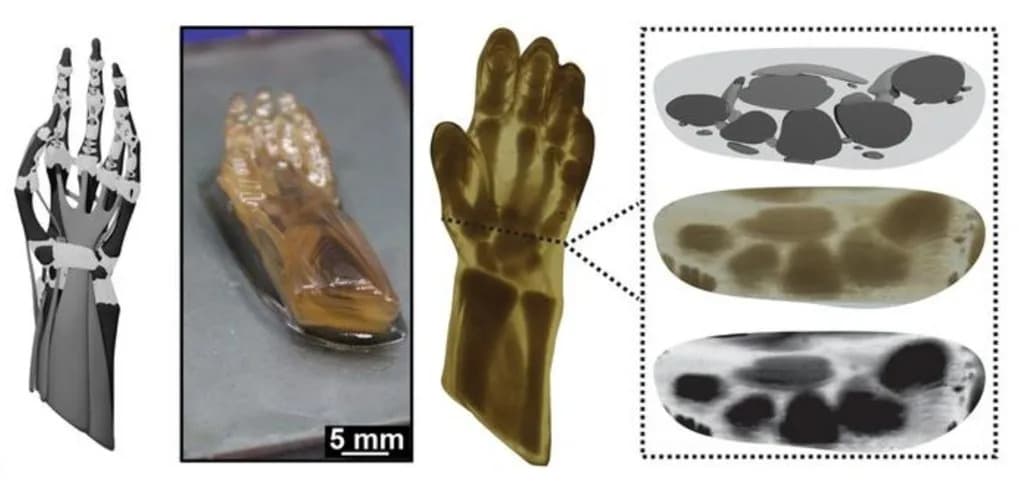
Researchers at The University of Texas at Austin, in collaboration with Sandia National Laboratories, have developed a low-cost 3D printing technique called Crystallinity Regulation in Additive Fabrication of Thermoplastics (CRAFT). The method uses a single inexpensive resin—cyclooctene—and patterned light to create parts with dramatically different mechanical and optical properties within the same printed object.
How CRAFT Works
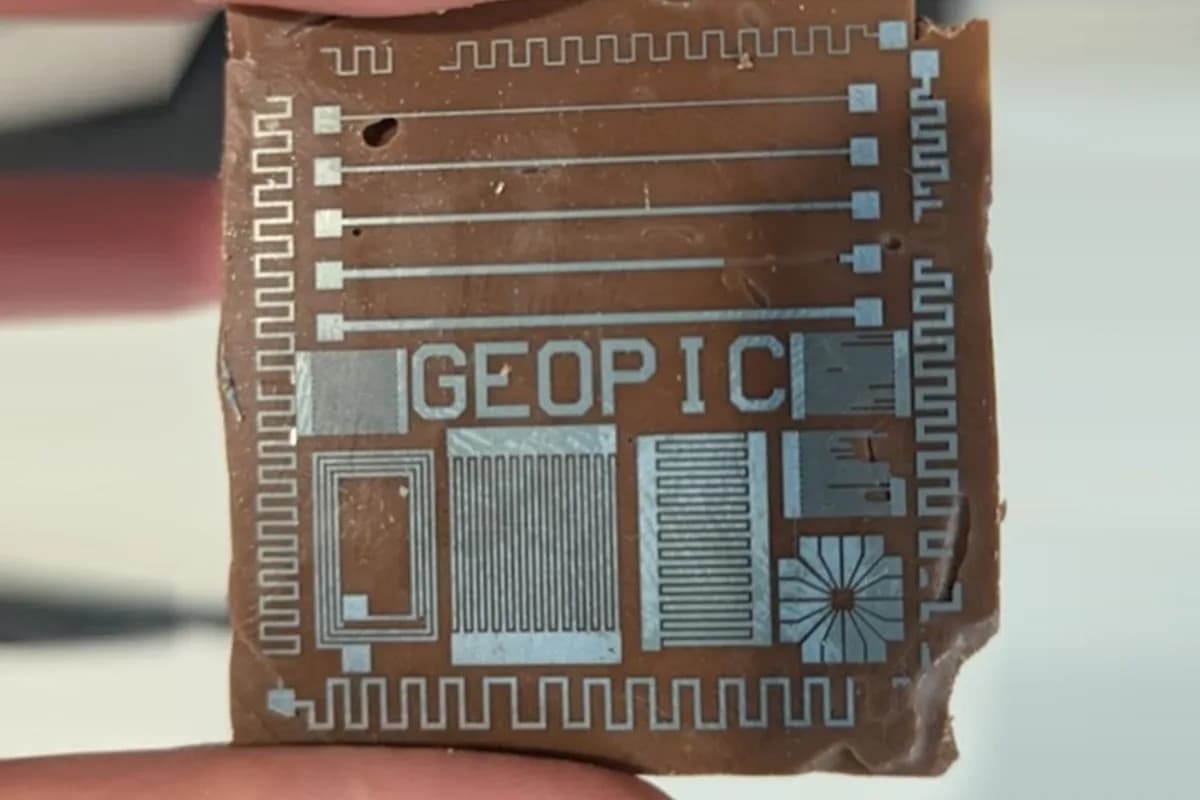
CRAFT manipulates the molecular ordering of cyclooctene during photopolymerization by projecting grayscale light patterns through commercially available DLP/LCD 3D printers. By changing local light intensity at the pixel level, the process controls crystallinity as the material solidifies. The result: adjacent regions in a single print can be hard and transparent or soft and cloudy, all formed from the same feedstock.
Realistic Demonstration
The research team demonstrated the technique by printing a highly detailed replica of a human hand. Using only cyclooctene, they tuned regions to mimic distinct textures such as skin, ligaments, tendons and bone. Because the material transitions continuously across the print, CRAFT avoids the weak bonds and failure points common to multi-material printers.
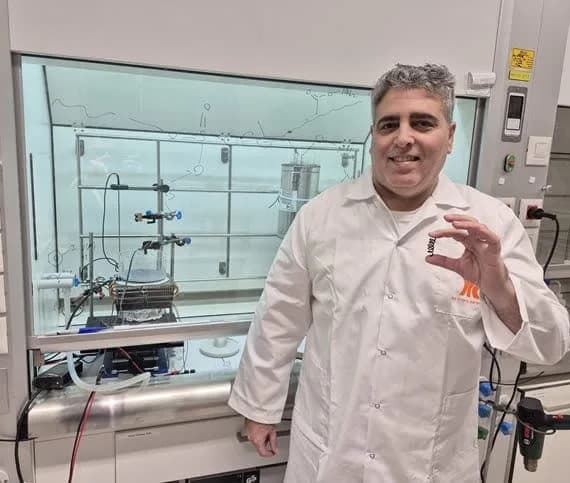
"We can control molecular-level order in three-dimensional space, and in doing so, completely change the mechanical and optical properties of a material," said Zak Page, an associate professor of chemistry at UT Austin. "And we can do that all from a really simple, inexpensive feedstock by just changing the light intensity. It’s the simplicity at the heart of it that’s really exciting."
Applications And Advantages
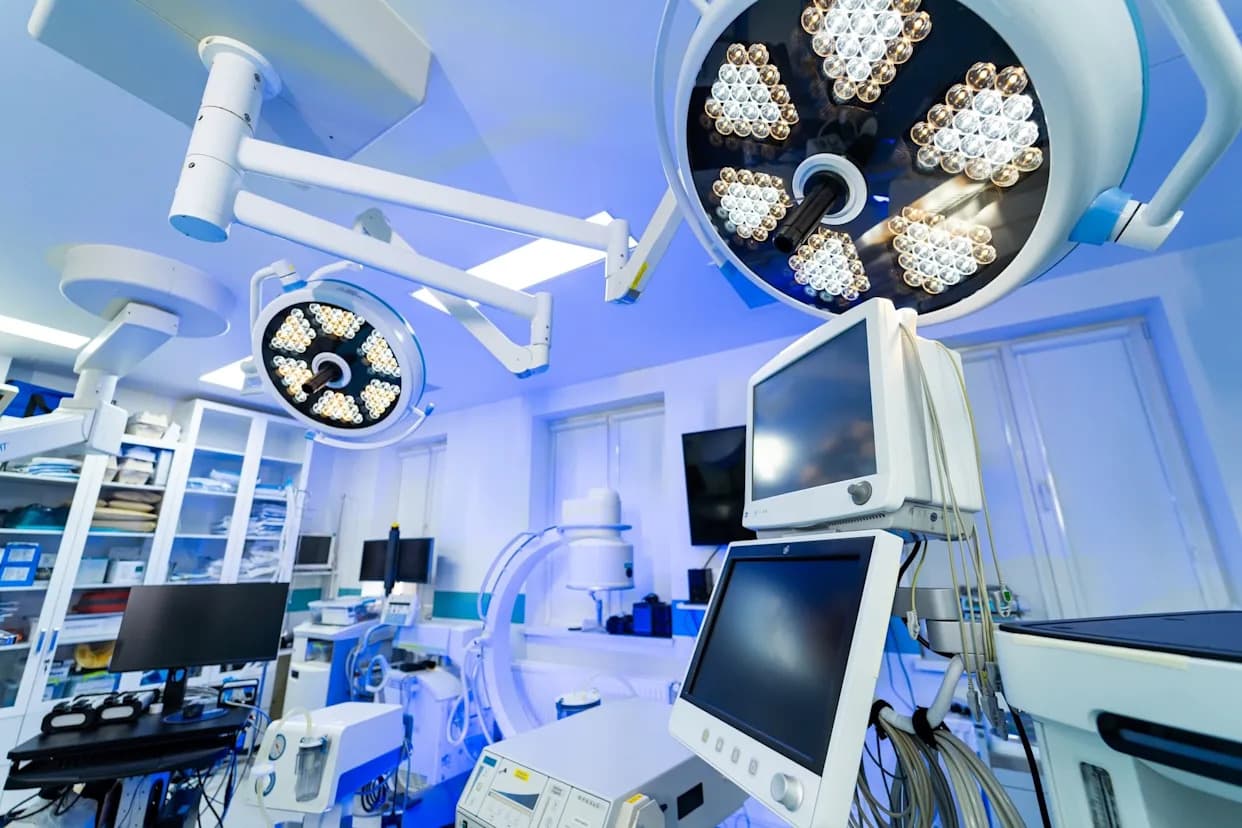
Immediate applications include medical training models that better simulate the tactile differences between tissues, potentially reducing reliance on cadavers. Other promising uses include bioinspired impact-damping materials for helmets and body armor, and acoustic insulation that combines soft and hard regions to absorb shocks and vibrations rather than fracturing.
CRAFT is compatible with affordable DLP/LCD printers (some capable of grayscale projection cost around $1,000 or less) and uses simpler resins and standard equipment, making it broadly accessible to labs, schools and small manufacturers.
Sustainability And Limitations
Printed objects are not yet fully recyclable in a closed loop, but the team reports that parts can be melted or dissolved in solvent and recast, reducing waste compared with some alternatives. Further research will be needed to improve recyclability and scale up production for wider commercial use.
Publication And Funding
The study was published in Science on January 29 and was supported by the U.S. Department of Energy, the National Science Foundation and the Robert A. Welch Foundation.
Help us improve.