The New START treaty between the United States and Russia has expired, lifting formal caps on deployed strategic nuclear warheads and delivery systems and suspending some verification and notification measures. Analysts estimate there are more than 12,200 nuclear weapons worldwide, with roughly 10,636 held by the U.S. and Russia alone. Leaders have called for a new, modernized agreement—some urging inclusion of China—but experts warn negotiations will be complex and the lapse increases strategic uncertainty.
New START Expires: U.S. and Russia No Longer Bound by Nuclear-Arsenal Limits
The world’s top nuclear powers have no arsenal limits, here are the countries with nukes
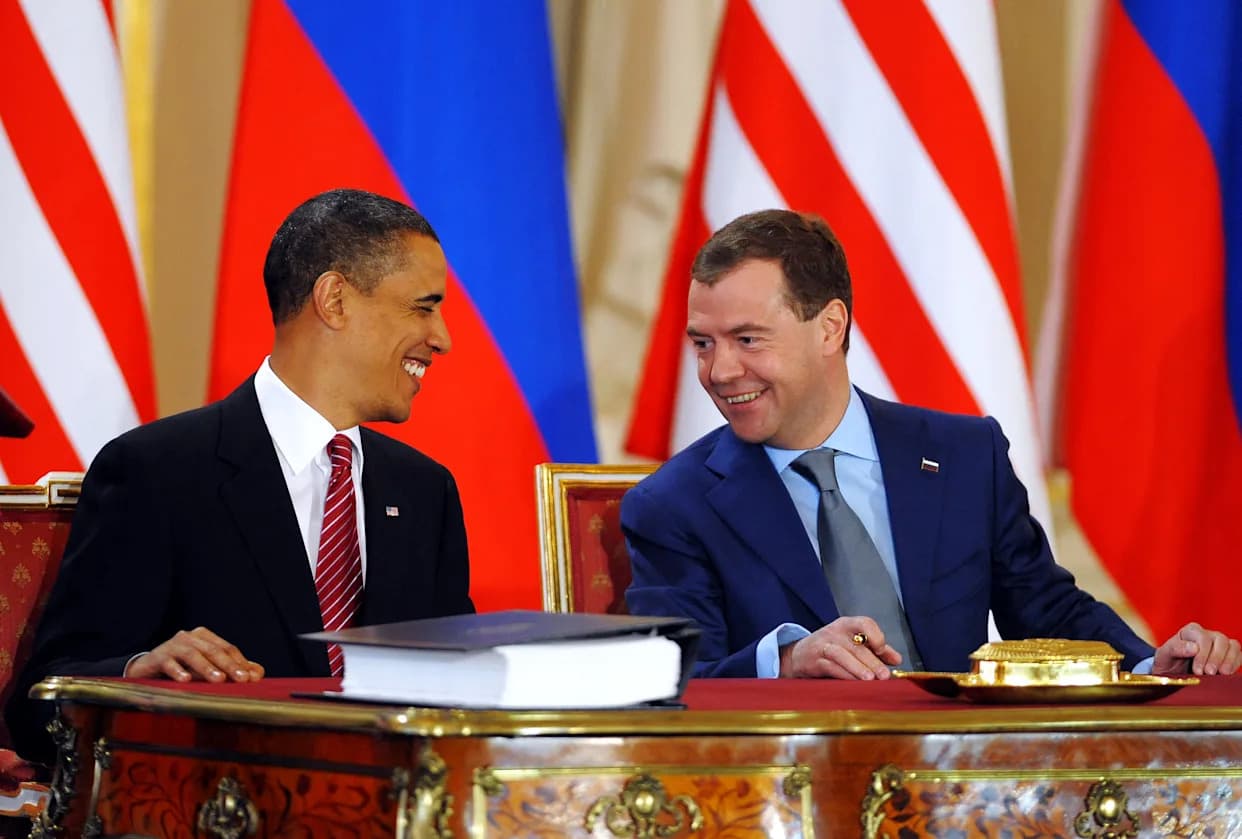
The New START treaty between the United States and Russia expired, removing the last bilateral limits on how many nuclear warheads each country can deploy on missiles, bombers and submarines. The lapse also suspended the mutual notification and some verification measures that had helped both sides monitor each other's arsenals.
What the Treaty Did—and What Has Changed
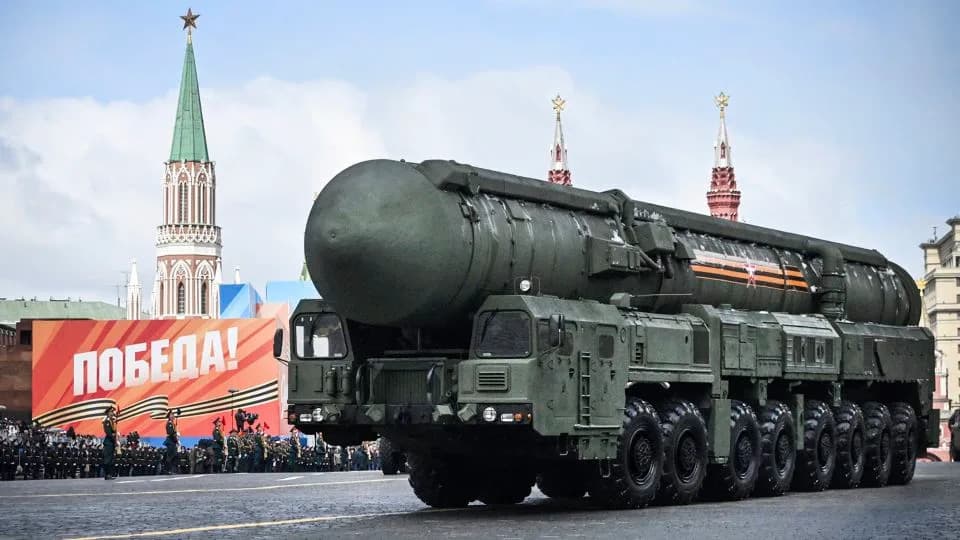
New START had capped the two countries at 1,550 deployed strategic nuclear warheads and 700 deployed delivery systems (intercontinental ballistic missiles, submarine-launched ballistic missiles and nuclear-capable heavy bombers), with additional limits on total deployed and non-deployed launchers. It also established data exchanges, notifications and on-site inspections to verify compliance. With the treaty expired, those formal caps and some verification routines are no longer in force.
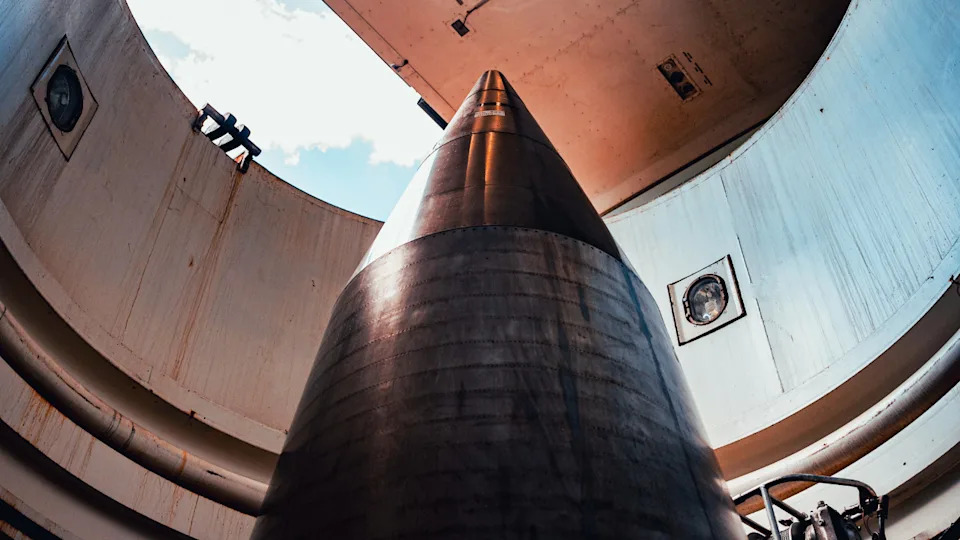
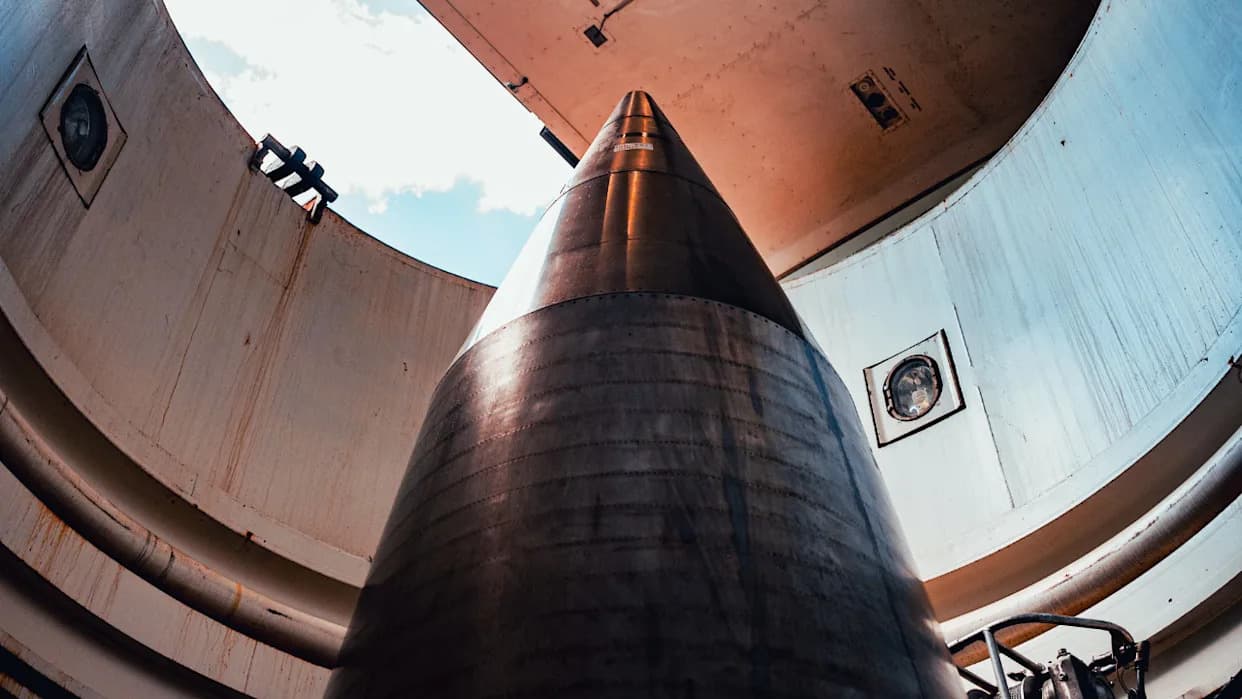
An unarmed LGM-30G Minuteman III sits inside a missile silo at F.E. Warren Air Force Base, Wyoming, July 9, 2025.(Fox News)
The Global Picture
According to estimates from the Federation of American Scientists (FAS), there are more than 12,200 nuclear weapons worldwide held by nine countries. The United States and Russia together account for roughly 10,636 of those weapons, underscoring how concentrated global nuclear arsenals remain.
Countries Reported To Possess Nuclear Weapons
- United States
- Russia
- China
- France
- United Kingdom
- India
- Pakistan
- North Korea
- Israel (widely Believed To Possess Nuclear Weapons; Not Officially Declared)
Political Context And Next Steps
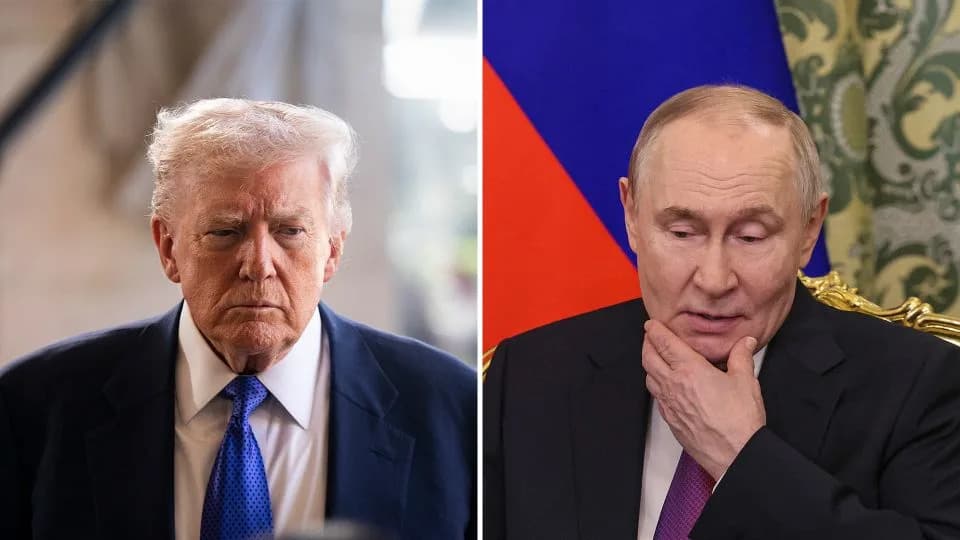
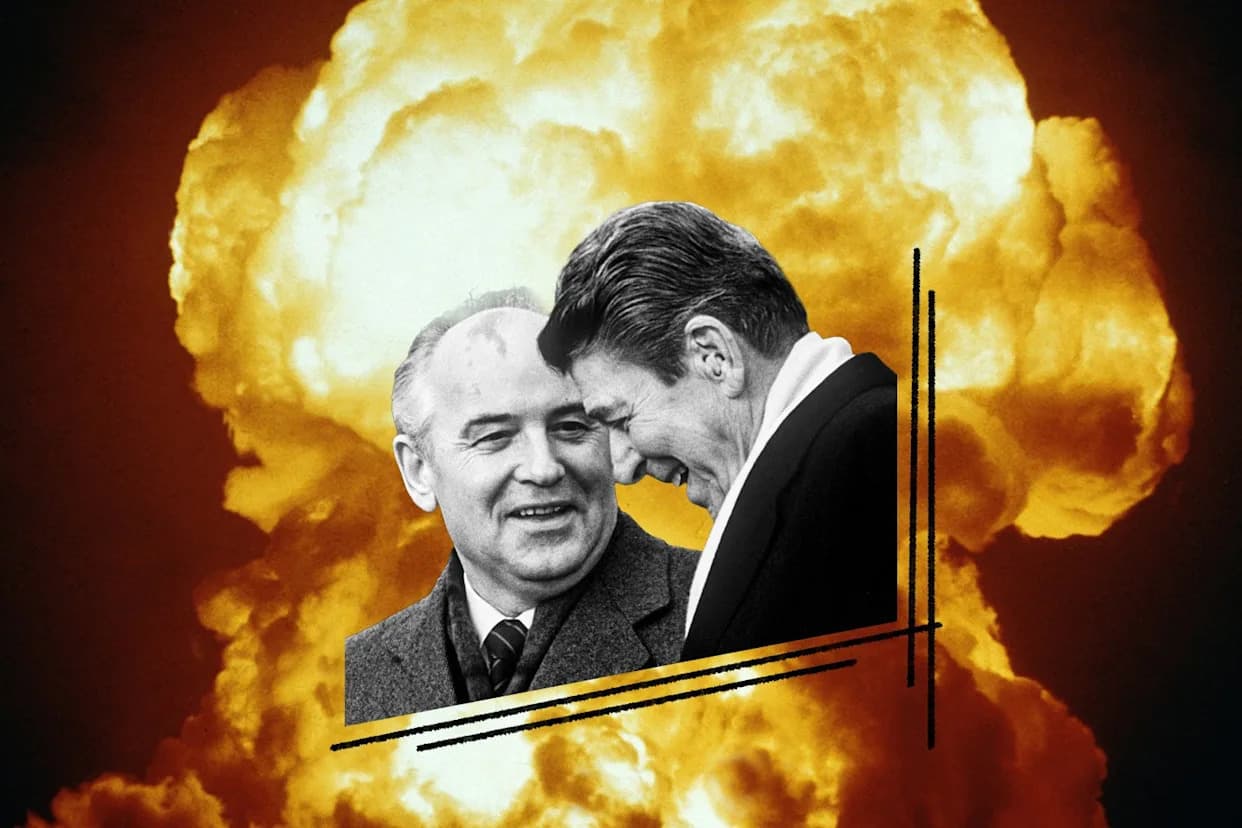
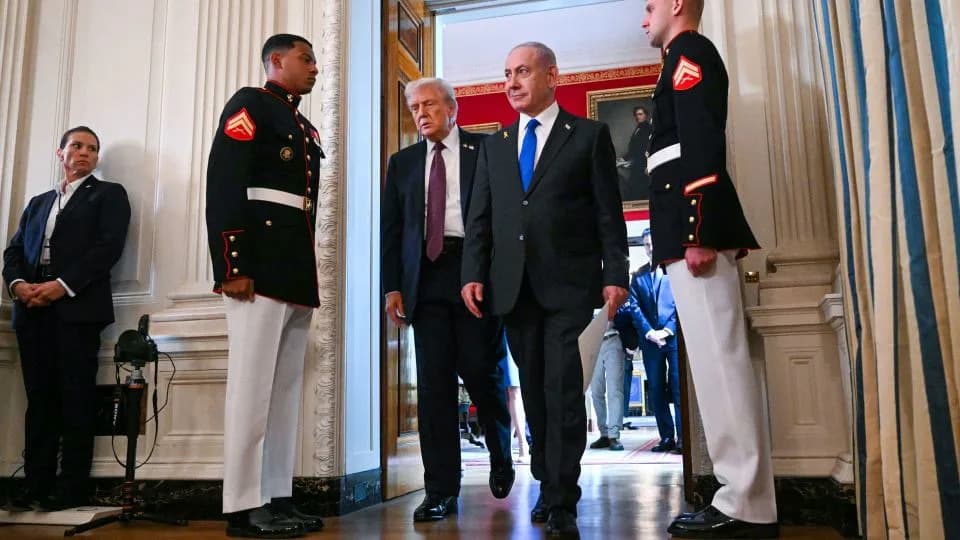
In the days leading up to the treaty's expiration, U.S. political leaders called for negotiating a replacement. President Donald Trump posted that instead of extending New START "we should have our Nuclear Experts work on a new, improved and modernized Treaty that can last long into the future."
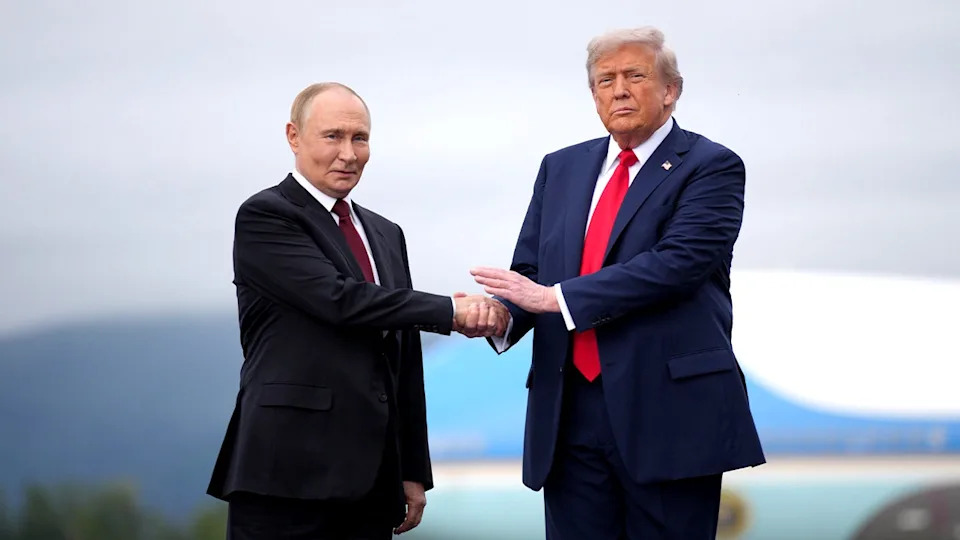
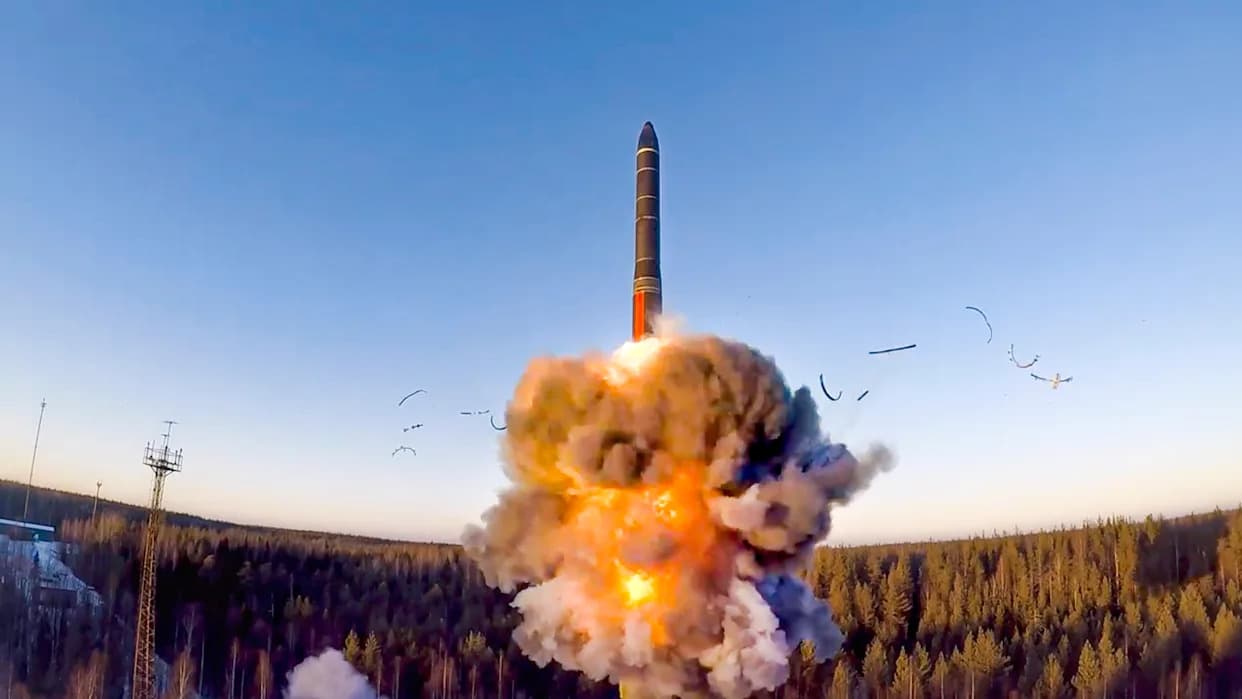
Russia and the United States account for the lion’s share of world's nuclear weapons.
"Rather than extend 'NEW START' (a badly negotiated deal by the United States that, aside from everything else, is being grossly violated), we should have our Nuclear Experts work on a new, improved and modernized Treaty that can last long into the future." — President Donald Trump
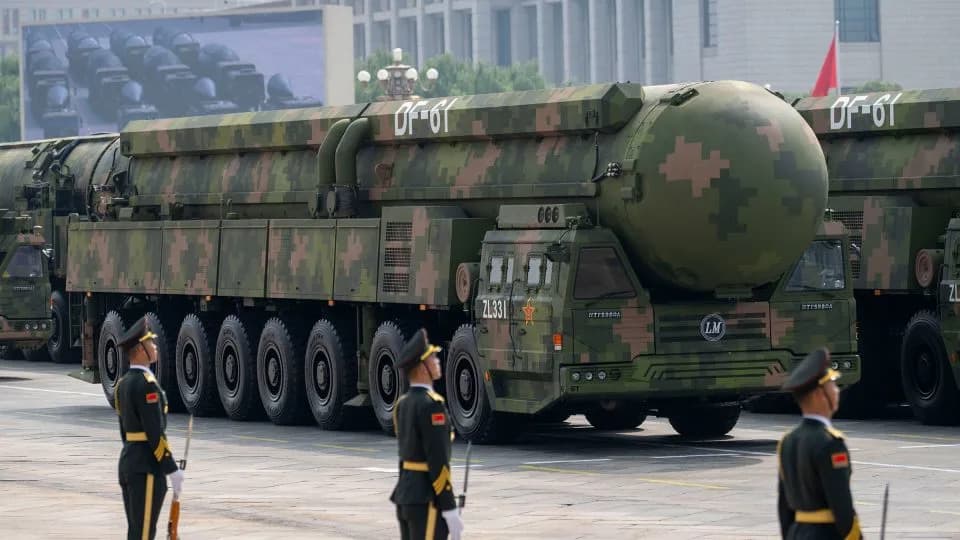
Some policymakers have suggested including China in any future arms-control agreement because Beijing's arsenal is growing, though China’s stockpile remains far smaller than those of the United States and Russia. Diplomats and arms-control experts warn that reaching a new multilateral agreement would be complex and time-consuming, and that the immediate effect of the treaty lapse could be greater opacity and a heightened risk of an accelerated arms competition.
Why It Matters
The expiration of the last U.S.–Russia arms-control treaty marks a significant shift from decades of bilateral limits and transparency measures. While actual deployments and official stockpiles change slowly, the removal of formal constraints and verification increases uncertainty—politically and strategically—at a time when tensions among nuclear-armed states are already high.
Sources: Federation of American Scientists estimates; public statements by U.S. officials.
Help us improve.