Face the Nation (Feb. 8, 2026) examined three urgent stories ahead of the midterms: unusual ODNI involvement in the Fulton County search of 2020 election materials and a delayed, redacted whistle-blower complaint; a partisan showdown over immigration enforcement, DHS funding and family detention practices highlighted by the case of five-year-old Liam Ramos; and a growing measles resurgence tied to falling childhood vaccination coverage. Guests warned that weakened election-security units, inflammatory rhetoric about 'nationalizing' elections, and pockets of low vaccine uptake risk undermining public trust and public safety.
Face the Nation — Feb. 8, 2026: DNI in Fulton County, Immigration Showdown and a Growing Measles Crisis
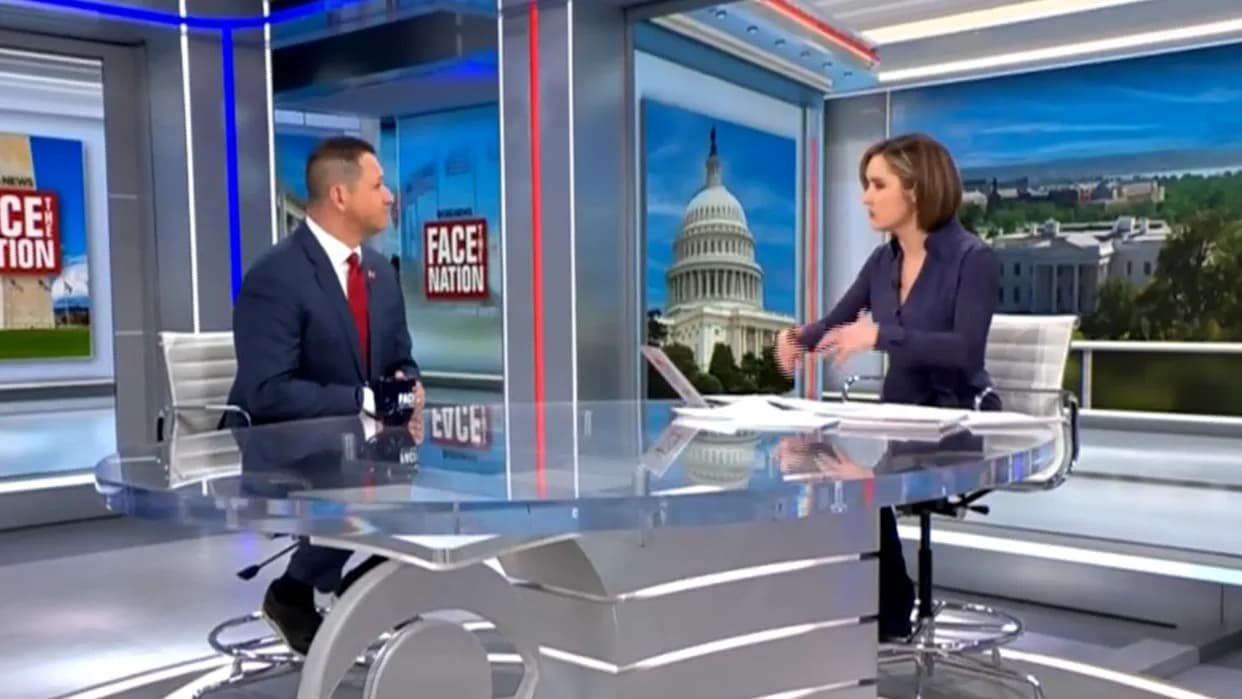
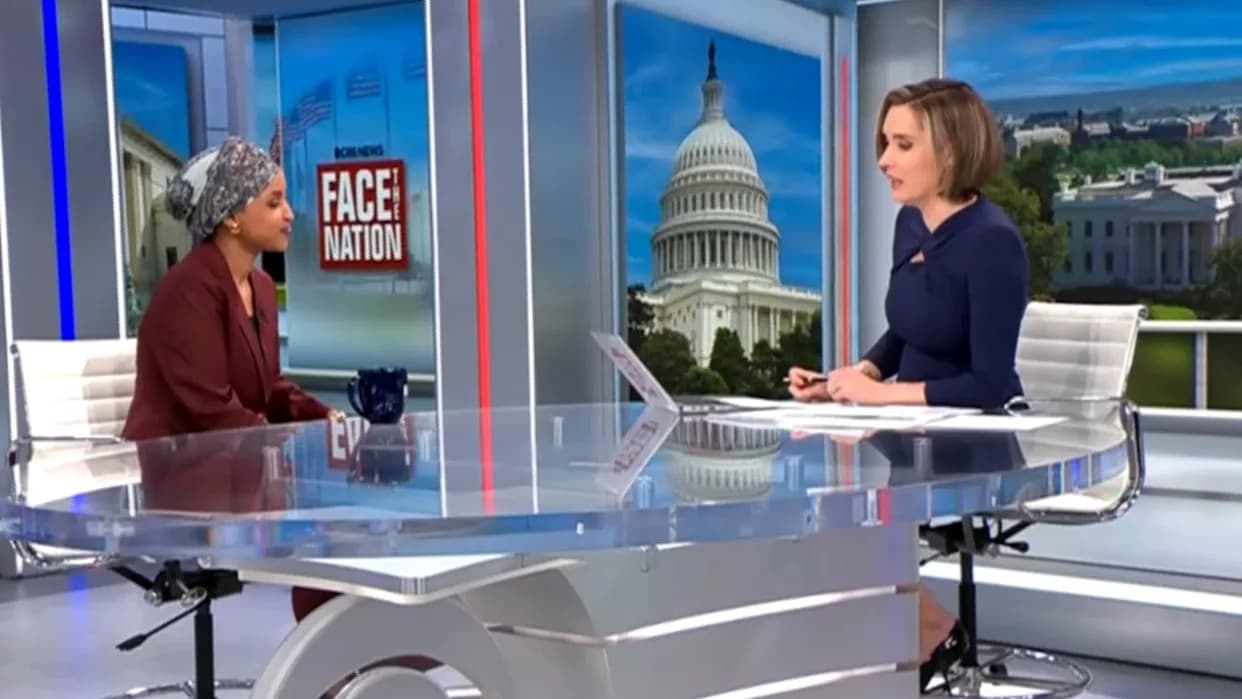
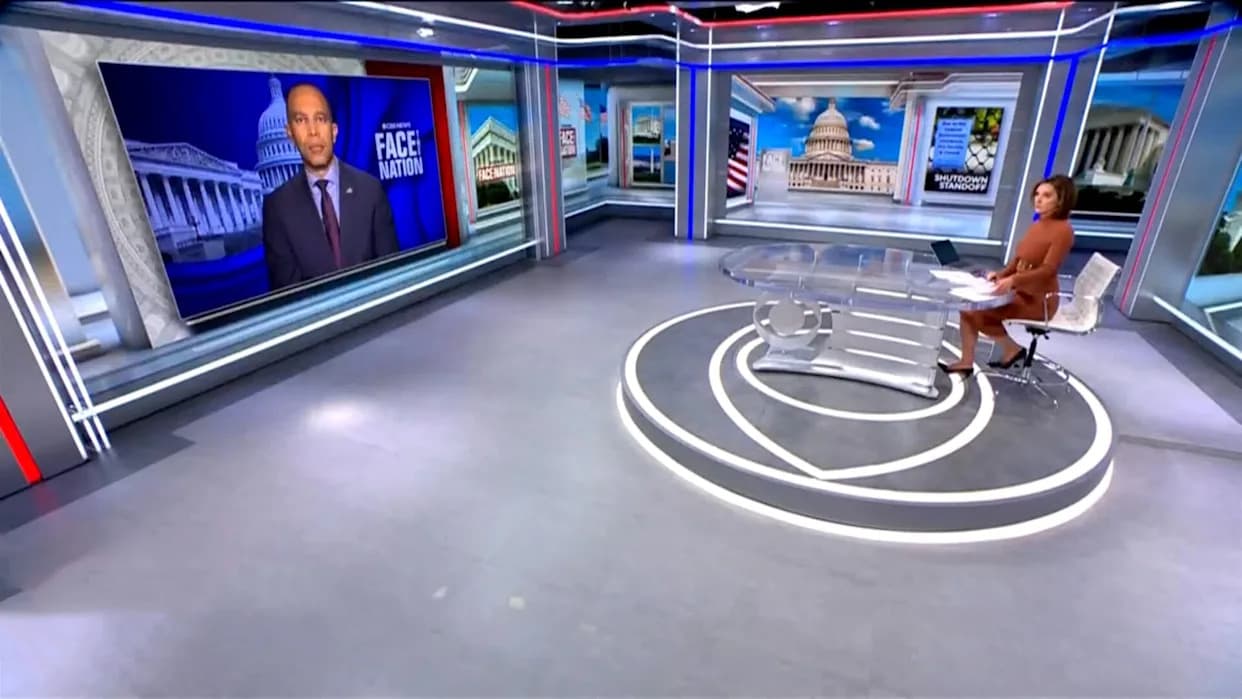
On the Feb. 8, 2026 edition of Face the Nation, Margaret Brennan spoke with senior lawmakers and subject-matter experts about three urgent stories shaping the midterm landscape: unusual ODNI involvement in the Fulton County seizure of 2020 election materials, an escalating dispute over federal immigration enforcement and DHS funding, and a resurgent measles outbreak tied to falling pediatric vaccination rates.
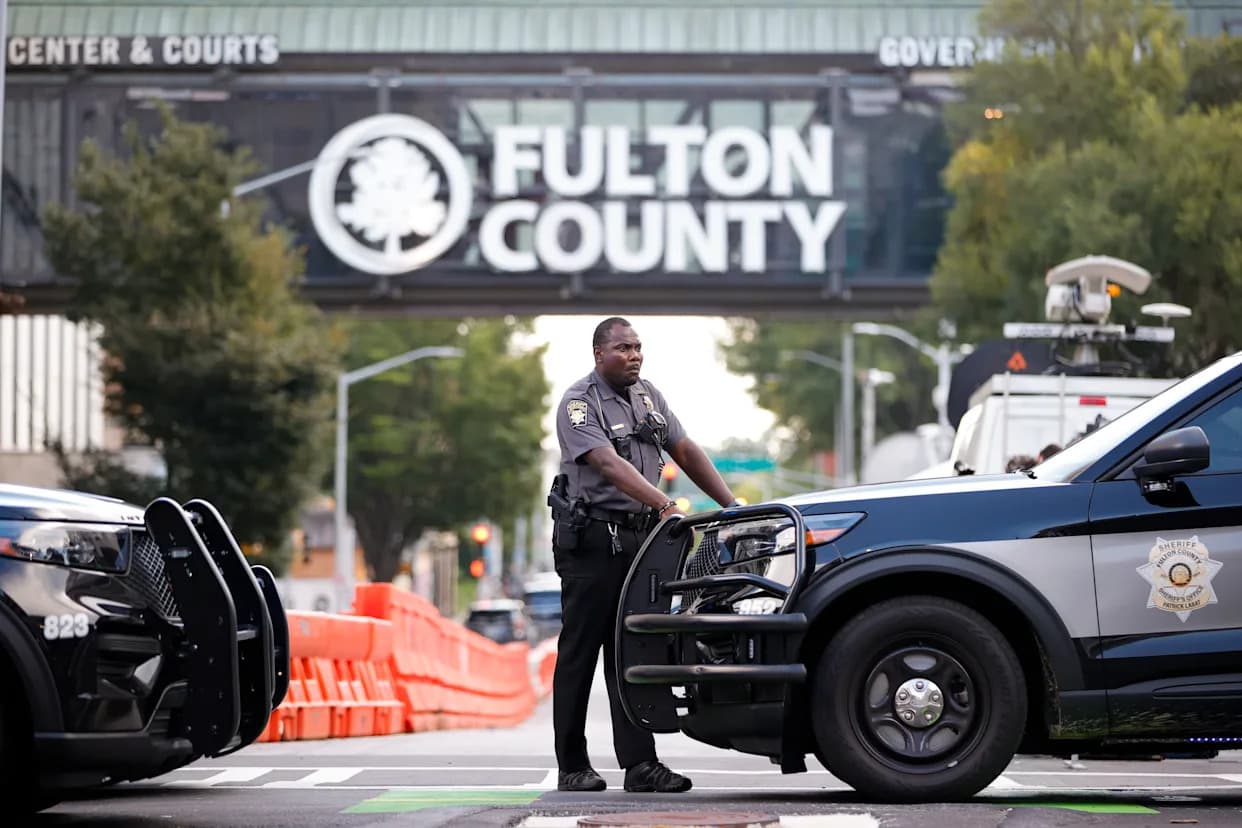
ODNI Presence and the Fulton County Search
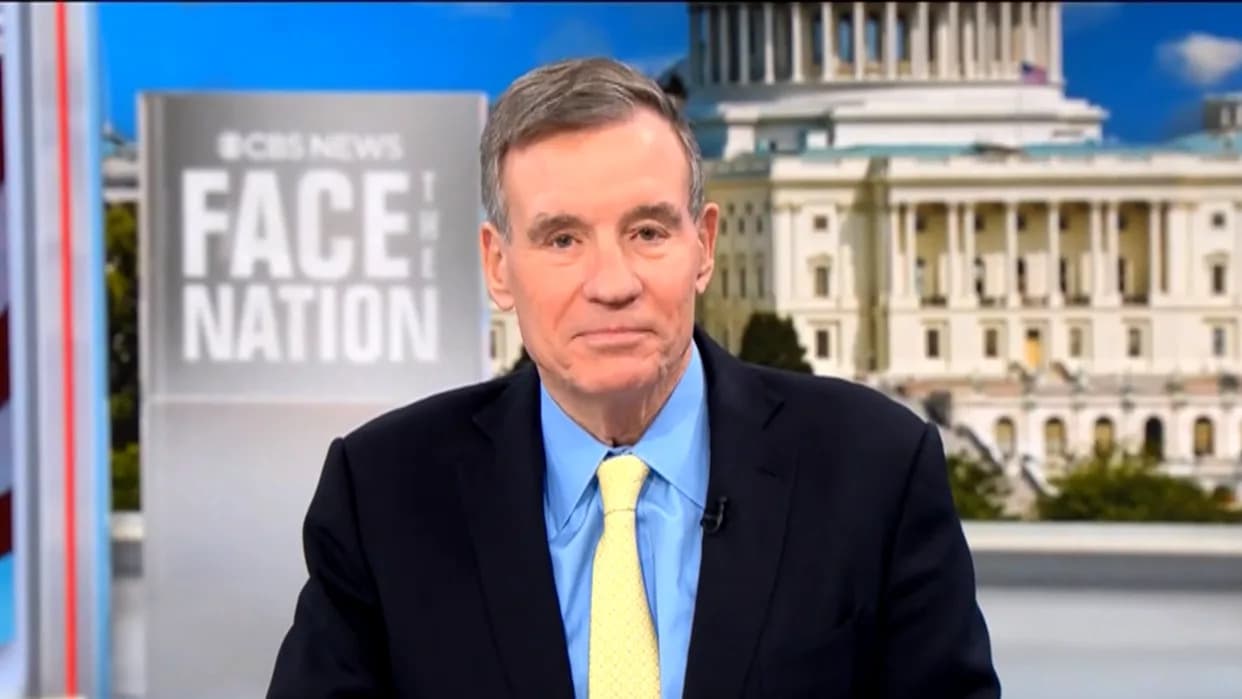
Senator Mark Warner (D-Va.), the top Democrat on the Senate Intelligence Committee, raised alarm about Director of National Intelligence Tulsi Gabbard's reported appearance at the Fulton County elections office on Jan. 28, when FBI agents executed a search related to 2020 materials. Warner told Brennan that the committee has not been informed of any foreign nexus to justify ODNI involvement and that the director's role would normally be limited to countering foreign threats, not participating in domestic law-enforcement operations.
Warner said lawmakers first learned about a related Puerto Rico seizure from press reports and described conflicting public explanations for Gabbard's presence in Georgia. He criticized cuts to U.S. election-security infrastructure since 2016 — including reductions at CISA and ODNI units focused on foreign malign influence — and said the administration's rhetoric about "nationalizing" election administration is fueling fears of federal overreach.
On the whistle-blower complaint tied to Gabbard, Warner confirmed the committee received heavily redacted materials months after the complaint was filed and said the committee is seeking the underlying intelligence and fewer redactions before reaching conclusions. He urged that if a foreign nexus exists, the director should provide evidence to Congress under existing rules.
Immigration, DHS Funding and the Dilley Facility
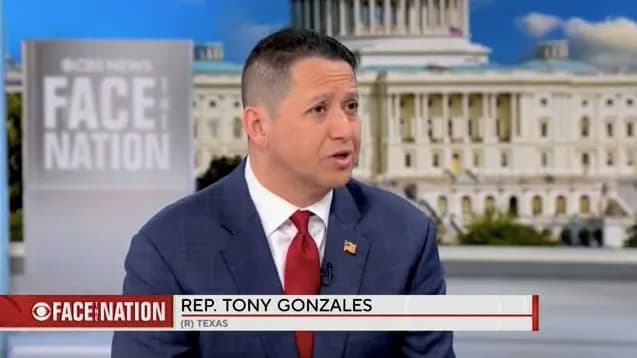
Representative Tony Gonzales (R-Texas) defended the administration's emphasis on targeting convicted criminals, described support for operational improvements like body cameras and community liaisons, and said administrative warrants remain a necessary tool when local officials do not cooperate. Gonzales pushed back on Democratic demands that would mandate judicial warrants for entries onto private property, arguing that such a requirement could delay urgent enforcement action.
The interview highlighted the human side of enforcement: five-year-old Liam Ramos, detained at a family facility in Dilley, Texas, before a judge ordered his release because his family has a pending asylum claim. Gonzales said he favored humane enforcement but also emphasized the need to uphold immigration laws and insisted that some new pathways implemented under the prior administration had not been adequately vetted.
Election Integrity, Rhetoric and Legal Checks
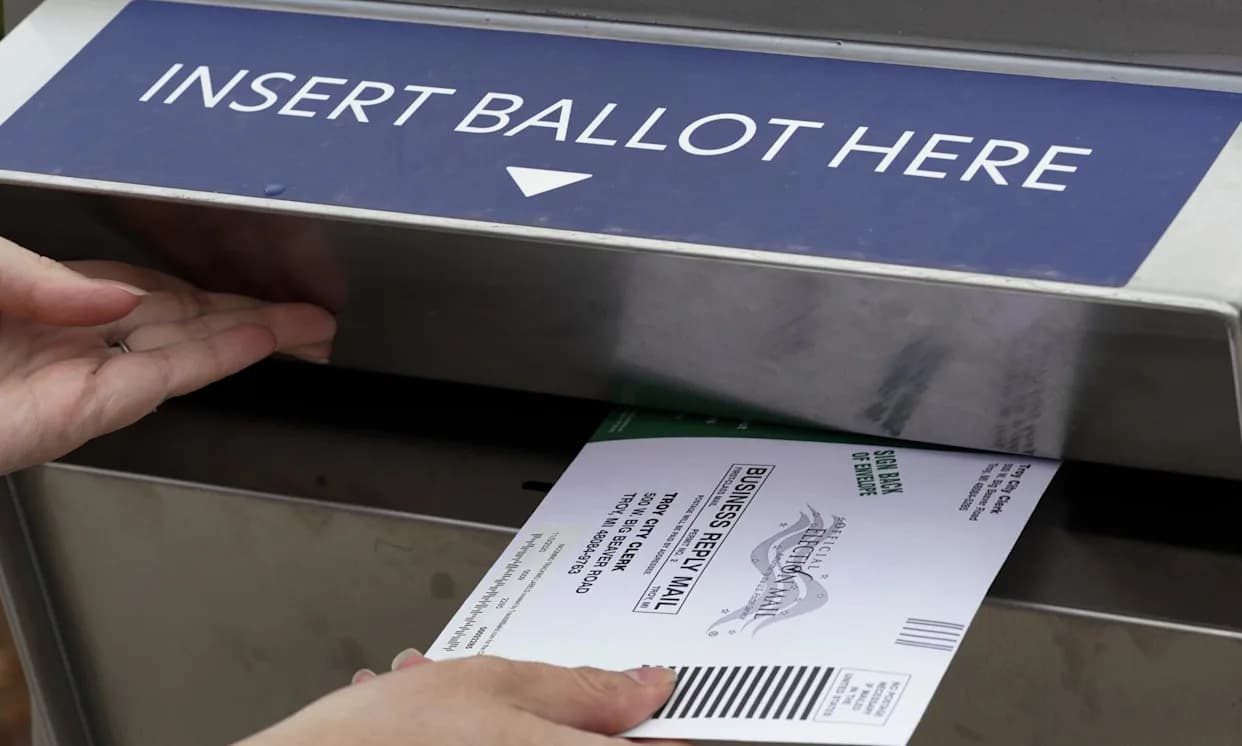
Election expert David Becker of the Center for Election Innovation and Research described a highly unusual moment in which the executive branch has sought to exert influence over state-run elections. Becker reiterated that most U.S. voters cast ballots on paper (about 98 percent), that paper trails enable audits and recounts, and that 2020 was intensely scrutinized by courts and election officials. He and Senator Warner both questioned why the ODNI director would appear at the execution of a domestic search warrant and noted shifting public explanations from the White House.
Becker also pointed to recent legal pushbacks: courts have enjoined White House election directives and blocked parts of Department of Justice efforts to demand sensitive voter data from states. Those judicial decisions emphasize the Constitution’s allocation of election administration to states and the limits of executive authority absent congressional action.
Measles Resurgence and Vaccine Concerns
Former FDA Commissioner Dr. Scott Gottlieb warned that the measles situation will likely worsen before improving. He noted that the U.S. recorded roughly 2,000 cases in the prior year and that current reporting shows hundreds of cases already this year, concentrated in clusters across states including South Carolina, Texas, Florida, Utah and Arizona. Gottlieb emphasized that declining pediatric vaccination rates have created pockets well below the roughly 95 percent level needed for herd immunity and that the contagion risk will grow as unvaccinated children age into school settings.
Gottlieb and Brennan discussed the broader anti-vaccine movement, the political dynamics that have amplified skepticism since the COVID era, and the need for clearer public-health messaging. Gottlieb also highlighted long-term risks from viral infections and argued that vaccination prevents not only short-term illness but also potential chronic consequences associated with some viruses.
Takeaway
Face the Nation framed three intersecting threats to public trust and public safety: unexplained federal activity around 2020 election materials, contentious debates over immigration enforcement and detention practices, and a public-health setback driven by falling childhood vaccination rates. Lawmakers, experts and officials across the political spectrum said transparency, clearer policies and stronger communication with local communities will be essential before the November midterms.
Participants: Sen. Mark Warner (D-Va.), Rep. Tony Gonzales (R-Texas), David Becker, and Dr. Scott Gottlieb. Moderator: Margaret Brennan.
Help us improve.