These 15 international developments—from Spain’s sweeping regularization to Europe’s tougher child-safety rules, central-bank gold hoarding, climate-driven weather extremes and geopolitical friction—shape issues that matter to U.S. audiences. Together they show how migration policy, regulation, monetary strategy, climate impacts and private infrastructure influence global stability and American interests. The stories underscore the need for cross-border cooperation and better alignment between policy goals and on-the-ground implementation.
15 Global Stories Americans Are Missing — Why They Matter Here

Europa Press News / Getty Images
These 15 international developments may not be headline news in every U.S. newsroom, but each has clear consequences for American policy, businesses, families and geopolitics. Below are concise, readable rundowns of each story, why it matters, and the source for further reading.
1. Spain’s Mass Regularization
Spain has moved to legalize roughly half a million undocumented residents, framing regularization as an economic tool to fill chronic labor gaps in agriculture, caregiving and construction and to shore up pension systems.
Why It Matters: The policy reframes migration as economic necessity rather than purely a security problem, challenging the "they're taking our jobs" narrative common in U.S. debates.

Getty Images / Getty Images
Source: Al Jazeera
2. Roblox and European Child-Safety Rules
Roblox is a massive online space for children (70+ million daily users). Europe treats children's online safety as a consumer protection issue, tightening rules while the U.S. still relies on COPPA (1998).
Why It Matters: U.S. tech firms increasingly must meet EU rules (Digital Services Act), and American parents face the question: why hasn't U.S. federal law kept pace?
Nurphoto / Getty Images
Source: Al Jazeera
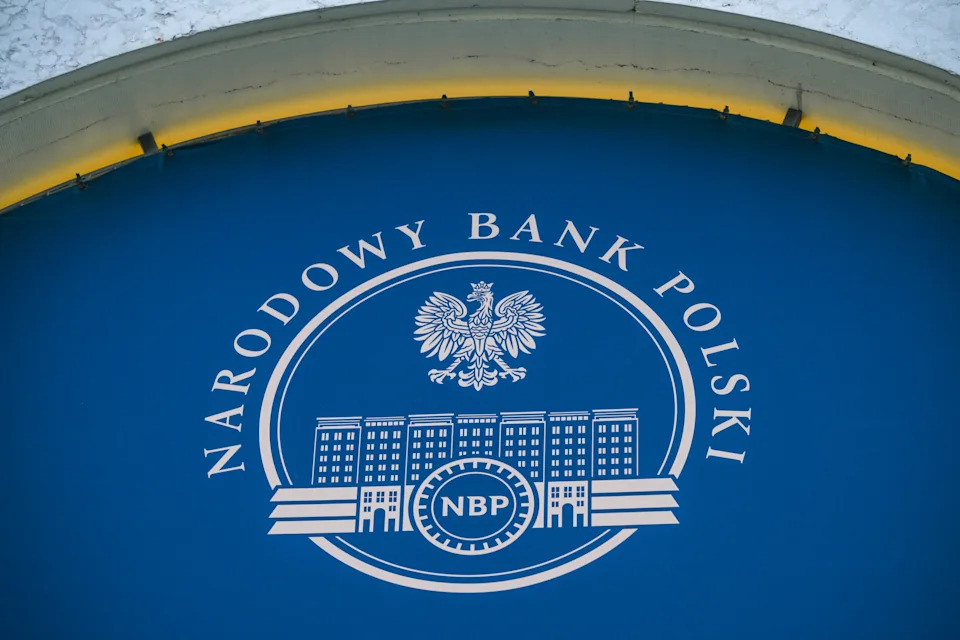
3. Poland’s Gold Buildup
Poland has been accumulating gold reserves as part of a global trend among central banks worried about monetary instability and a potential shift away from dollar dominance.
Why It Matters: Growing gold holdings by NATO-adjacent states are a hedge that signals declining confidence in the post‑WWII financial order, with implications for currency and geopolitical planning.
Contributor / Getty Images
Source: Euronews
4. Record Snowfall in Russia
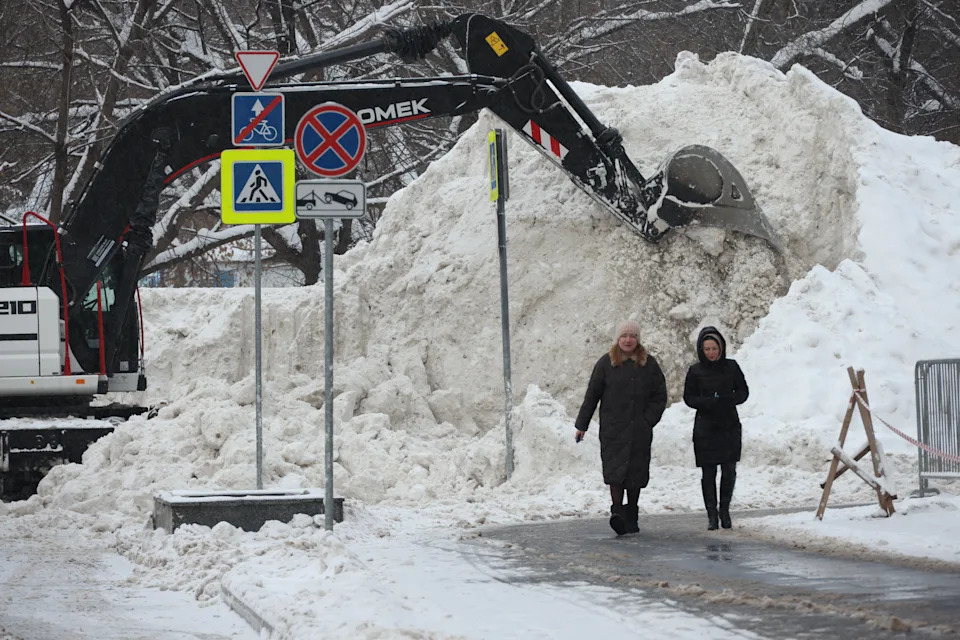
Extreme snowfall in Russia — despite the country’s cold-weather infrastructure — is consistent with climate-driven volatility. Arctic warming can destabilize the polar vortex and produce both hotter summers and more intense winter storms.
Why It Matters: These extremes complicate Russia’s domestic logistics and add uncertainty to the war in Ukraine while underscoring climate-related unpredictability.

Nurphoto / Getty Images
Source: Euronews
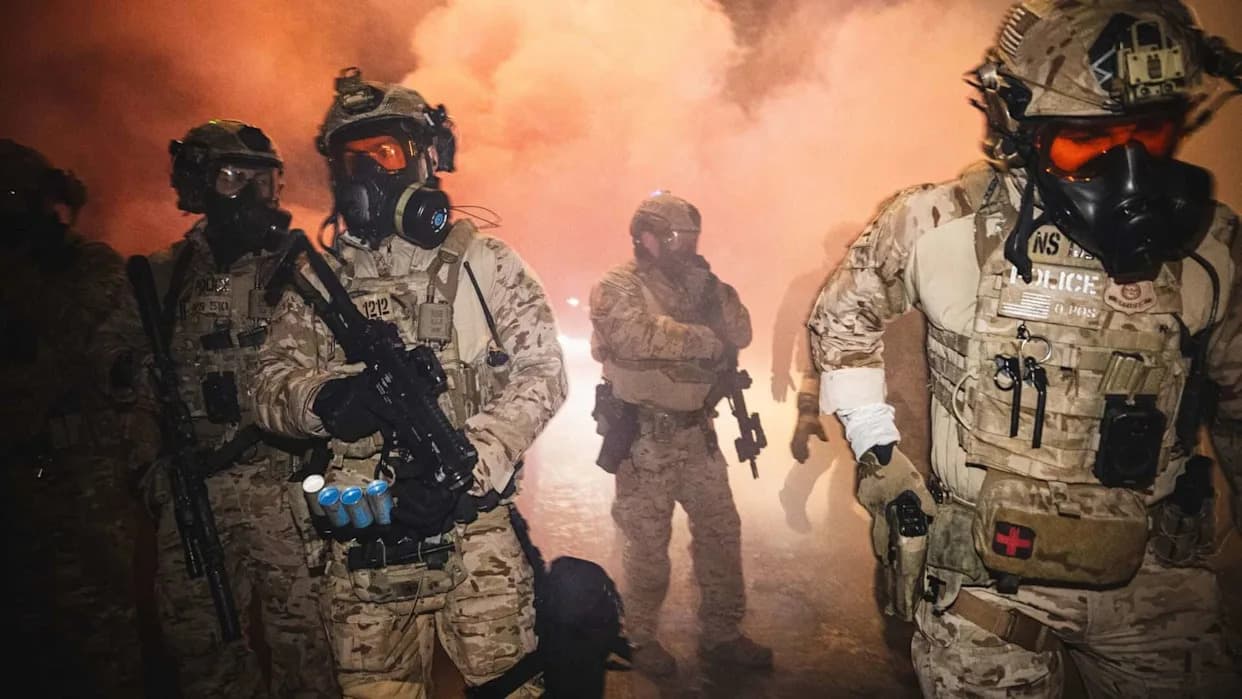
5. Global Backlash From U.S. Deportation Policy
U.S. immigration enforcement — and high-profile raids — have provoked international protests and diplomatic strains, including awkward pressure on allied leaders who publicly distance themselves.
Why It Matters: Heavy-handed domestic enforcement can weaken U.S. soft power and complicate cooperation with allies on migration and security.

Defodi Images News / Getty Images
Source: Politico
6. The Netherlands’ Proposed "Freedom Tax"
Dutch leaders proposed a defense-focused surcharge framed as a price of liberty, reflecting a broader European shift toward higher defense spending and greater strategic autonomy from the U.S.
Why It Matters: NATO allies are rebalancing budgets and preparing to act more independently, changing transatlantic burden-sharing and defense planning.

Getty Images / Getty Images
Source: Reuters
7. Iran–Europe Escalation
Mutual designations — the EU blacklisting Iran’s IRGC and Tehran’s counters toward European forces — have eroded diplomatic channels and raised the stakes for future engagement.
Why It Matters: With Iran simultaneously suppressing domestic protests, further isolation reduces mediation options for the U.S. and EU.

Europa Press News / Getty Images
Source: Reuters
8. Crypto, a Barcelona Salon and Terror-Financing Gaps
An investigation allegedly linked a suburban Barcelona hair salon to crypto transfers funding a designated militant group, highlighting how everyday businesses and encrypted channels can obscure illicit finance.
Why It Matters: Traditional counterterrorism controls struggle to trace decentralized crypto flows, underscoring the need for faster international cooperation and better monitoring tools.

Anadolu / Getty Images
Source: Reuters
9. India’s Electric Bus Rollout Problems
India’s rapid electrification of buses exposed shortcomings in driver training, low contractor wages and oversight, producing safety problems despite sound vehicle technology used successfully elsewhere.
Why It Matters: U.S. cities buying similar buses should match hardware purchases with investments in training, labor standards and safety to avoid the same pitfalls.

Martin Bernetti / Getty Images
Source: Rest of World
10. Panama Reasserts Control Over Port Deals
A Panamanian court decision disrupted the sale of Chinese-linked port operations, asserting national sovereignty over long-standing commercial links and complicating U.S.–China competition for influence.
Why It Matters: Roughly 40% of U.S. container traffic transits the Panama Canal; Panama’s use of legal mechanisms offers a model for smaller states balancing superpower pressure.

Sai Aung Main / Getty Images
Source: Reuters
11. Myanmar’s Election Under Military Rule
Myanmar’s junta staged an election amid airstrikes and information blackouts; U.N. casualty figures are likely underestimates because communications are severed and witnesses are silenced.
Why It Matters: The election illustrates how authoritarian regimes cloak repression in electoral procedures, while continued Security Council protection by China and Russia prolongs the crisis.
Nurphoto / Getty Images
Source: BBC
12. Satellites, Starlink and the Politics of Connectivity
When states cut communications, private satellite services like Starlink often provide the only external window — but access depends on corporate decisions and the interests of powerful owners.
Why It Matters: The privatization of critical communications raises questions about internet freedom, the ethics of relying on private actors in crises, and whether connectivity should be a protected right.

Anadolu / Getty Images
Source: Vox
13. Lionfish Invasion and Climate-Driven Species Shifts
Warming Mediterranean waters are enabling invasive lionfish to expand, mirroring their spread along the U.S. Atlantic coast. Community-driven strategies like derbies and new markets aim to limit populations.
Why It Matters: Climate-driven range shifts require inventive ecological and economic responses that cross national borders and affect fisheries and ecosystems.

Justin Sullivan / Getty Images
Source: Euronews
14. Celebrity Endorsements and the Transnational Far Right
Celebrity backing — such as Rob Schneider’s endorsement of Viktor Orbán — helps globalize and normalize far-right networks, supplying cross-border legitimacy to models of democratic erosion.
Why It Matters: Hungary’s authoritarian playbook has been exported to other democracies; transnational conservative events amplify those tactics and narratives.
Kevin Dietsch / Getty Images
Source: Al Jazeera
15. U.S.–Argentina Deportation Partnership
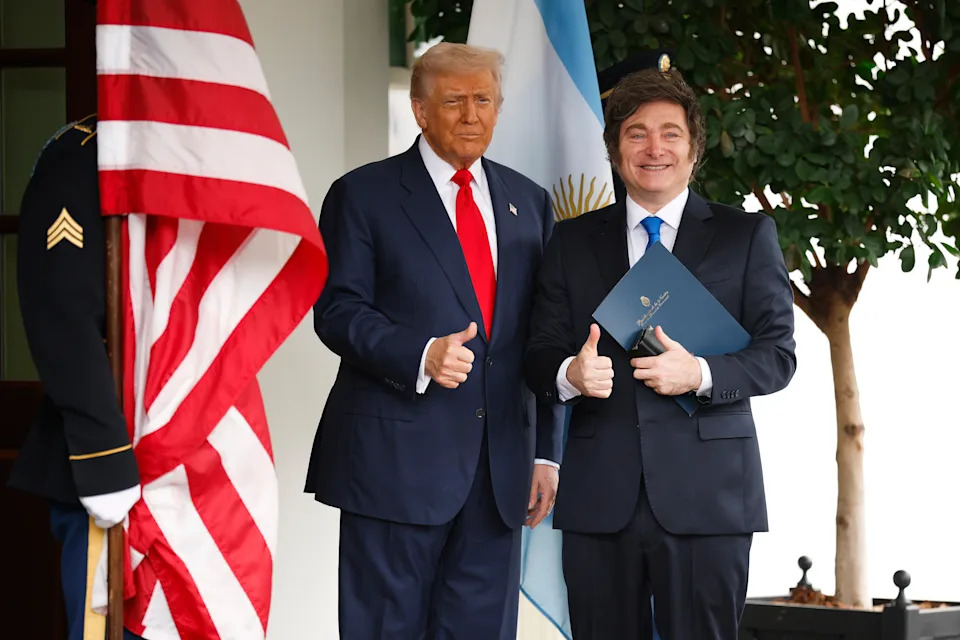
The U.S. offered financial assistance to Argentina ahead of key elections, and Buenos Aires appears more willing to accept deportees — illustrating transactional diplomacy tied to migration policy.
Why It Matters: Such arrangements reshape national narratives about belonging and show how migration policy can become a lever in broader geopolitical deals.
Source: New York Times
Help us improve.