Analysts warn that Bangladesh's February 12 election faces a major threat from a coordinated wave of disinformation, including hundreds of AI‑generated images and videos. Much of the activity has been traced to accounts based in India and diaspora networks, promoting false narratives such as a "Hindu genocide." The Election Commission has set up a monitoring unit and is working with platforms like Meta, but low digital literacy and the scale of the content make voters vulnerable.
Flood Of Disinformation Threatens Bangladesh Vote — AI Deepfakes And Cross‑Border Campaigns
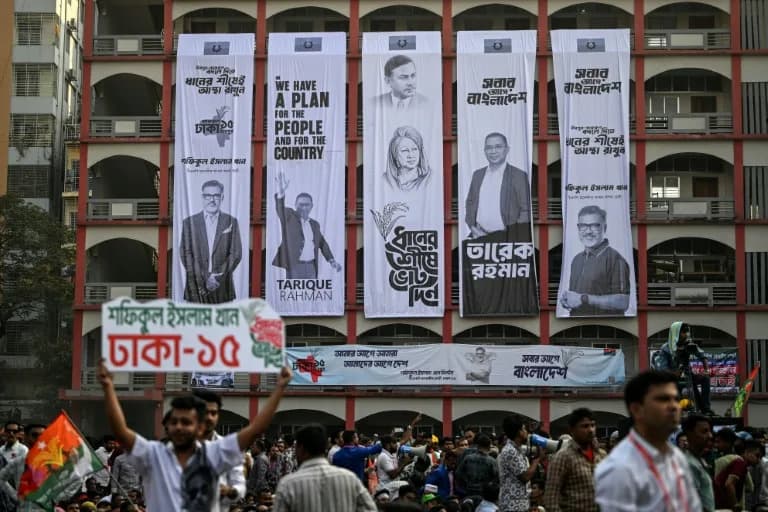
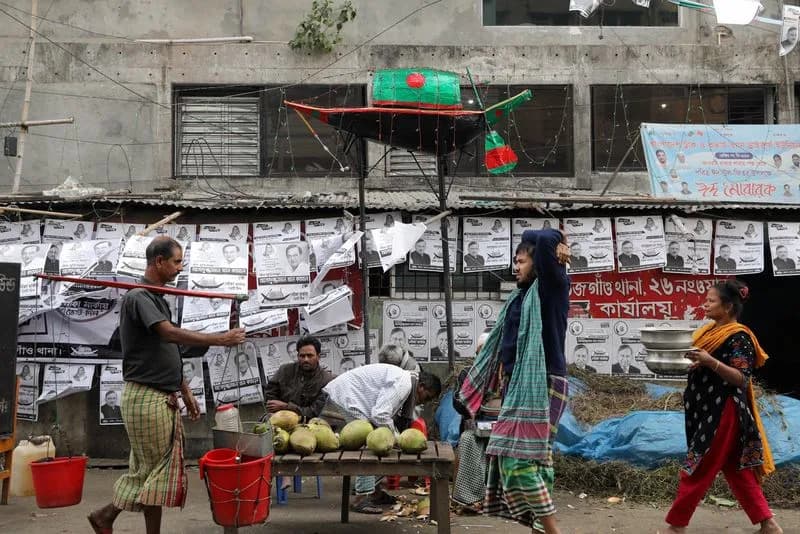
Campaign banners hang on a building's facade during an election rally of the Bangladesh Nationalist Party ahead of the country's general election. Authorities say the scale of online manipulation -- including sophisticated AI-generated images -- has become so severe that a special unit has been created to curb false content (Sajjad HUSSAIN)(Sajjad HUSSAIN/AFP/AFP)
Voters in Bangladesh head to the polls on February 12 amid a coordinated surge of online disinformation that analysts say risks distorting the election. Much of the misleading content — including sophisticated AI‑generated images and videos — has been traced to accounts outside Bangladesh, with a large share originating in neighbouring India.
What Experts Are Saying
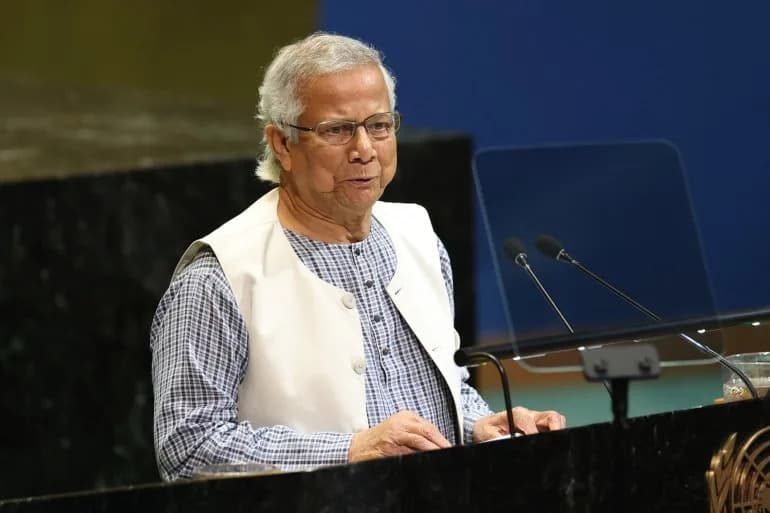
Interim leader and Nobel laureate Muhammad Yunus told the UN rights chief in January there had been a "flood of misinformation surrounding the elections" and requested international assistance. Observers warn that false narratives focused on alleged attacks against religious minorities have been amplified at scale, potentially influencing voter perceptions.
Scope And Evidence
The US‑based Center for the Study of Organized Hate reported tracking more than 700,000 posts from over 170,000 accounts on X between August 2024 and January 2026 that promoted the "Hindu genocide" claim. Its director, Raqib Naik, said more than 90 percent of the activity originated from India, with the remainder linked to diaspora networks in the UK, US and Canada.
'We have tracked coordinated Indian disinformation online, falsely alleging large‑scale violence against Hindus in Bangladesh,' the think tank said.
Verified Fakes And Platforms
AFP Fact Check teams documented hundreds of AI‑generated videos on platforms such as YouTube, Facebook, TikTok and Instagram. Examples include a fabricated clip of a woman missing an arm urging voters not to support the Bangladesh Nationalist Party (BNP) and another AI‑created video of a Hindu woman falsely claiming members of her faith were being told to back Jamaat‑e‑Islami or face exile.
Few of these deepfakes carried any AI disclosure, and researchers say free, accessible AI tools have made creating realistic fakes far easier.
Official Responses
The Bangladesh Election Commission has created a specialised unit to monitor and flag misleading content and is coordinating with Meta (Facebook's parent company). Spokesman Md. Ruhul Amin Mallik said that when harmful material is identified, the commission publicly announces it as fake.
Police data released in January indicates that of 645 incidents involving members of minority communities in 2025, only 12 percent were classified as having a sectarian motive — a statistic cited by officials to contextualise the scale of real‑world sectarian violence versus online claims.
Context And Risks
The disinformation wave comes after years of political repression under former leader Sheikh Hasina, who was toppled in a 2024 student‑led uprising and subsequently fled to India. Some AI clips even show doctored footage appearing to praise Hasina, who was sentenced in absentia on charges including crimes against humanity.
Digital literacy is a major concern: government statistics show smartphone access is high (more than 80 percent of urban households and nearly 70 percent of rural households), yet many users lack experience verifying online content. Election expert Jasmine Tuli warned that AI‑manipulated visuals pose a particular danger in this environment.
Accountability And Diplomatic Notes
While analysts attribute much of the online activity to actors in India and abroad, they say there is no public evidence the Indian government organised the campaign. New Delhi's foreign ministry acknowledged reports of attacks on minorities by extremists in Bangladesh but reiterated support for free, fair and credible elections.
As the vote approaches, authorities, platforms and fact‑checkers say they will continue to monitor and debunk false content, but they warn that volume and sophistication make combating disinformation an ongoing challenge.
Help us improve.