Russian drone and missile strikes have severely damaged Ukraine's energy infrastructure, leaving hundreds of thousands with limited heat and power as subzero weather arrives. Kyiv is receiving roughly 1.5–2 hours of electricity per day and has opened generator‑powered heating points. Damage to power plants and high‑voltage substations has reduced output at some nuclear plants and forced emergency rolling blackouts across many regions. Authorities warn that full repairs could take weeks to months.
Kyiv Braces For Subzero Cold With Just 1.5–2 Hours Of Power After Massive Russian Strikes
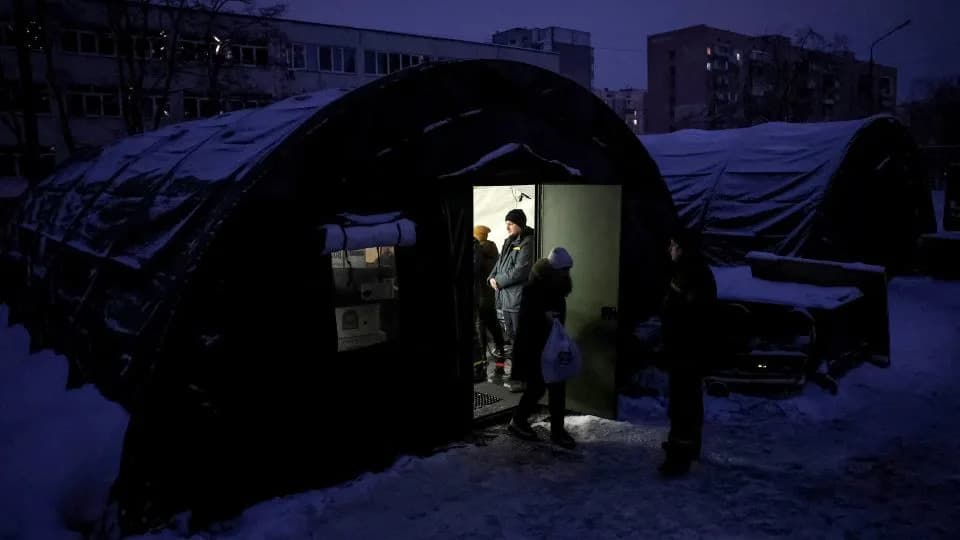
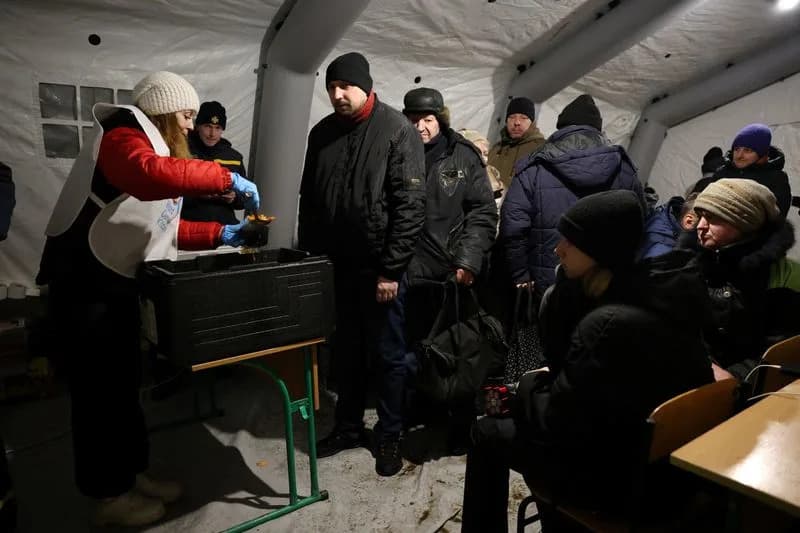
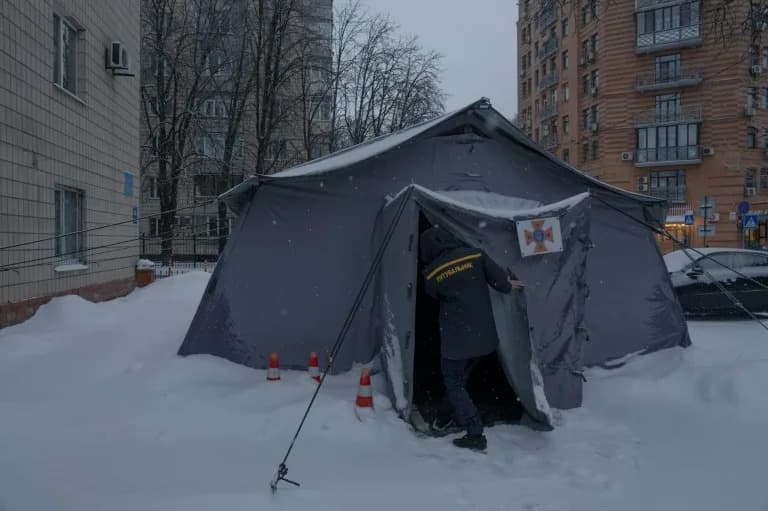
A Kyiv resident holds a plastic bag with hot meals as she leaves a tent at a government‑run humanitarian aid point during a power blackout on February 7, 2026. - Anatolii Stepanov/Reuters
Hundreds of thousands of Ukrainians face several days of extreme cold with minimal heating and limited electricity after sustained Russian drone and missile strikes damaged the country’s energy infrastructure.
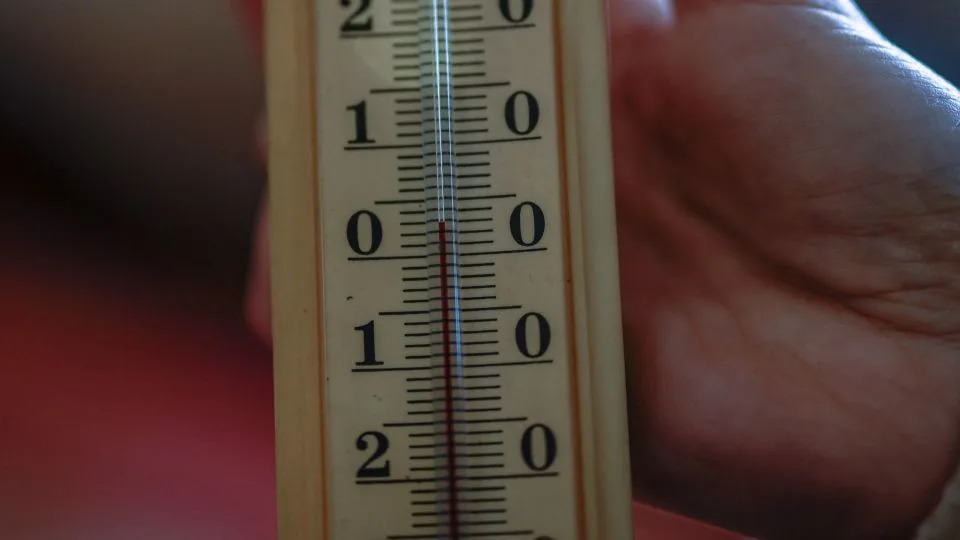
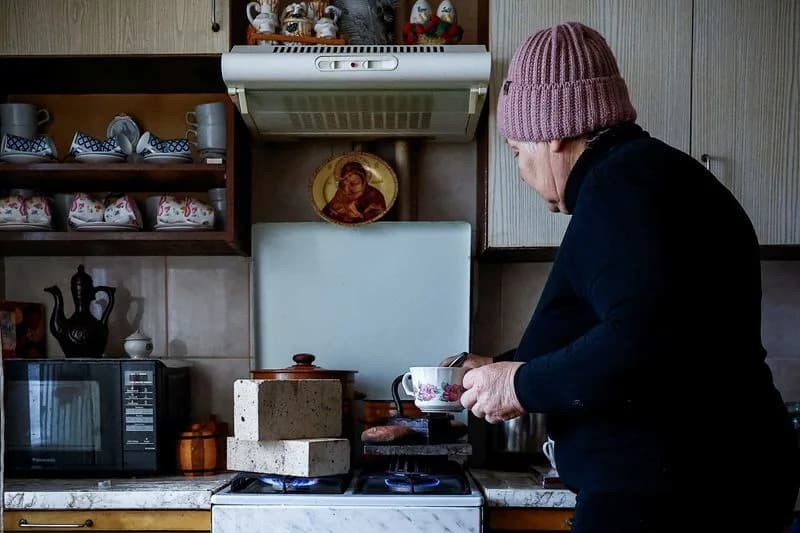
Yuliia Davydenko shows a thermometer reading of just 3 degrees Celsius (about 37 degrees Fahrenheit) inside her family's apartment in Kyiv, which has no heating or hot water and experiences frequent power outages. - Alina Smutko/Reuters
In the capital, Kyiv, forecasters expect subzero temperatures and bitter winds for at least the next four days. The energy ministry says many residents are receiving electricity for only 1.5–2 hours a day as emergency rolling blackouts remain in place.
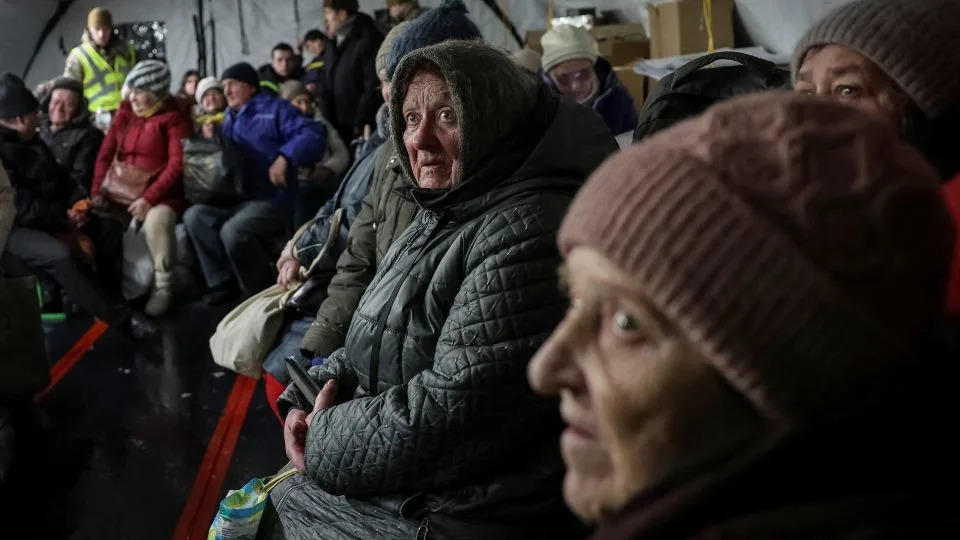
Residents wait for hot meals inside a tent at a government‑run humanitarian aid point, where people can warm up, charge their devices, get hot drinks and receive psychological support. - Anatolii Stepanov/Reuters
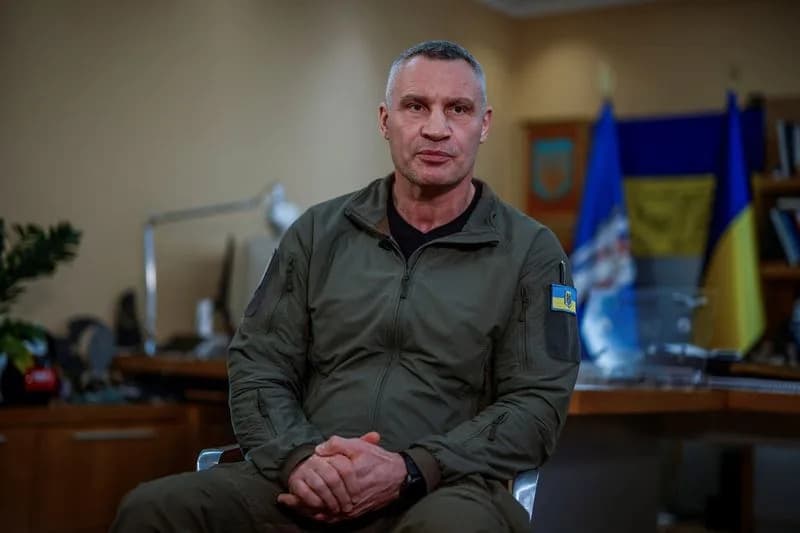
Vitaliy Klitschko, Kyiv Mayor: 'We must get through the next few days, which will be very difficult for Kyiv. Severe frosts are again forecast in the capital, especially at night.'
Klitschko described the national energy system as being in "an extremely difficult situation" and said the city had opened generator‑powered communal heating points, some of which can accommodate overnight stays. Authorities warned that full repairs to damaged power plants and substations could take weeks or even months.
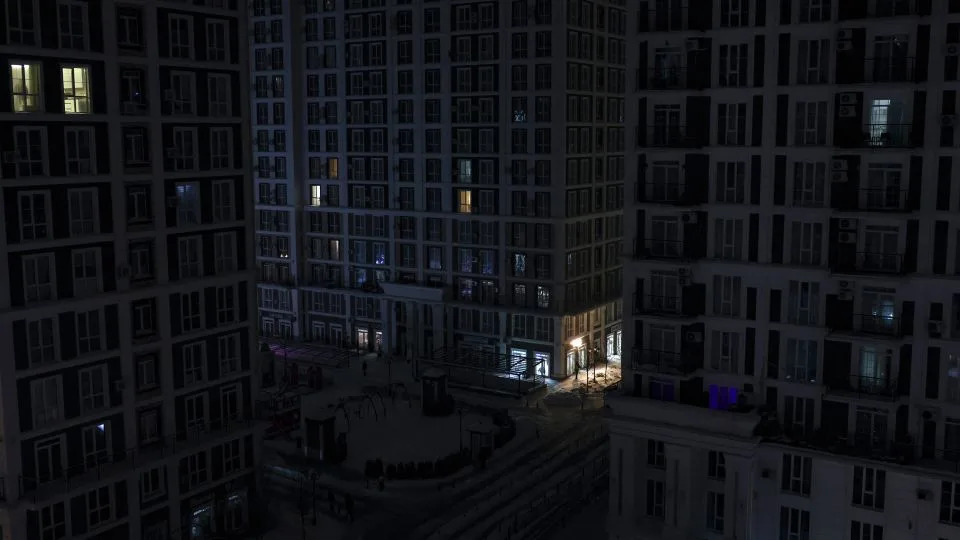
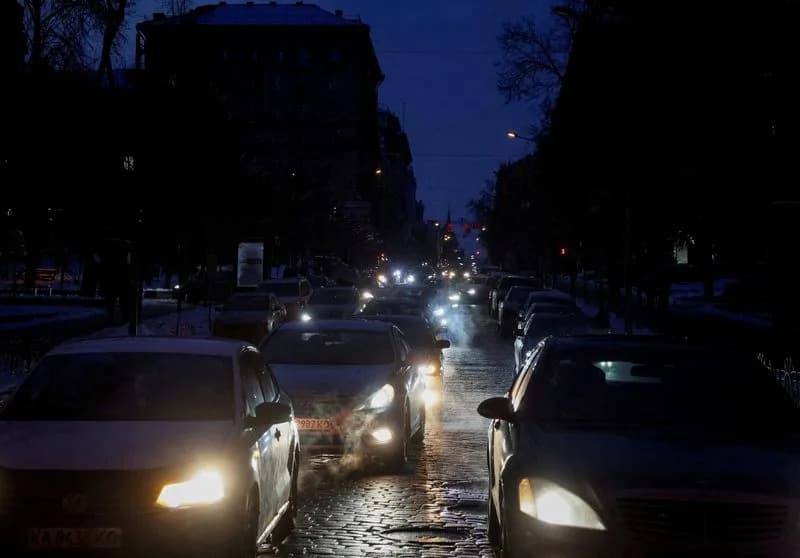
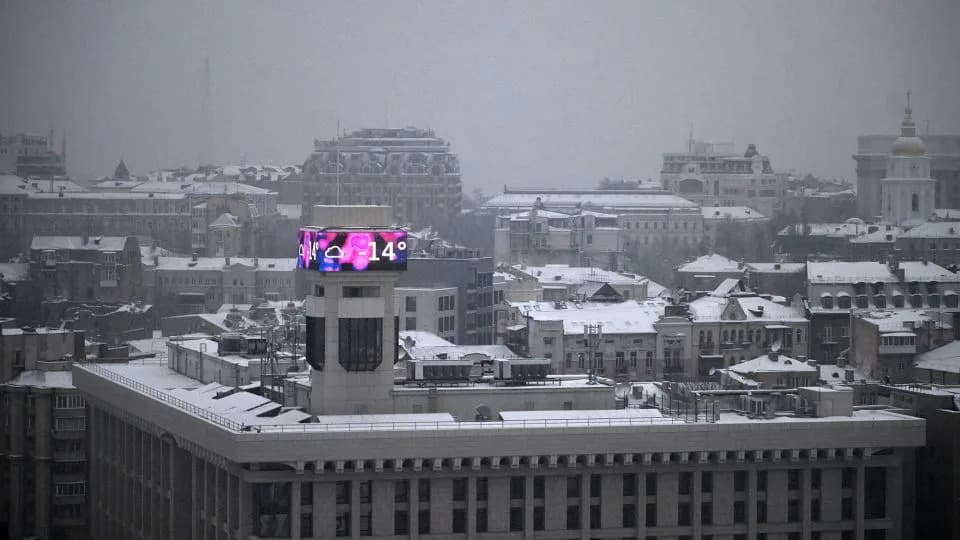
A blackout in Kyiv on February 7, 2026. - Maksym Kishka/Frontliner/Getty Images
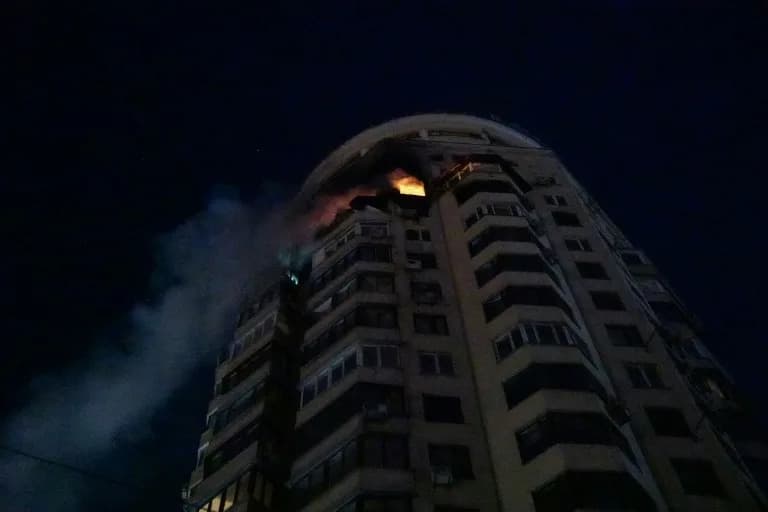
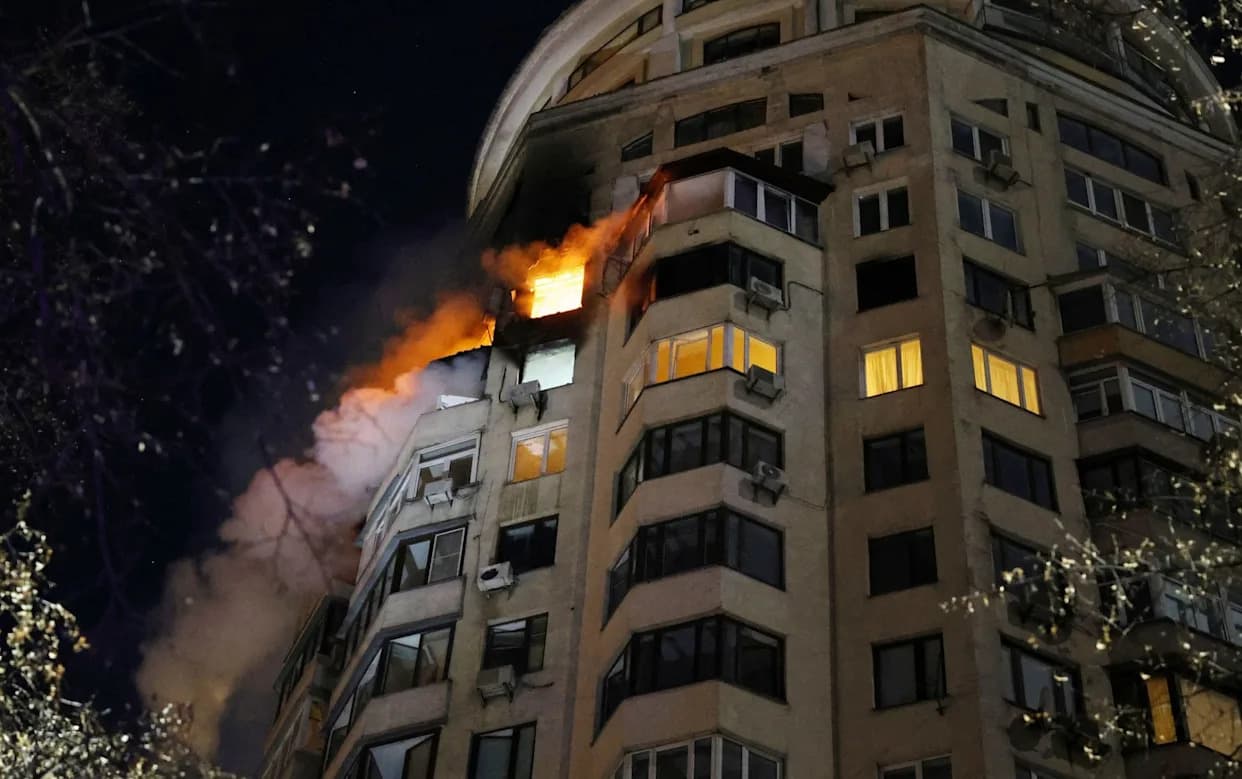
Residents and businesses report severe disruption. One Kyiv resident said that, after consecutive strikes, he and his wife — living on the top floor of a 16‑storey building — lost heating, power and water. A later strike hit the plant that supplied heat to their block and roughly 1,100 other buildings, prompting many families to evacuate. The apartment’s temperature reportedly fell to about 3°C (37.4°F).
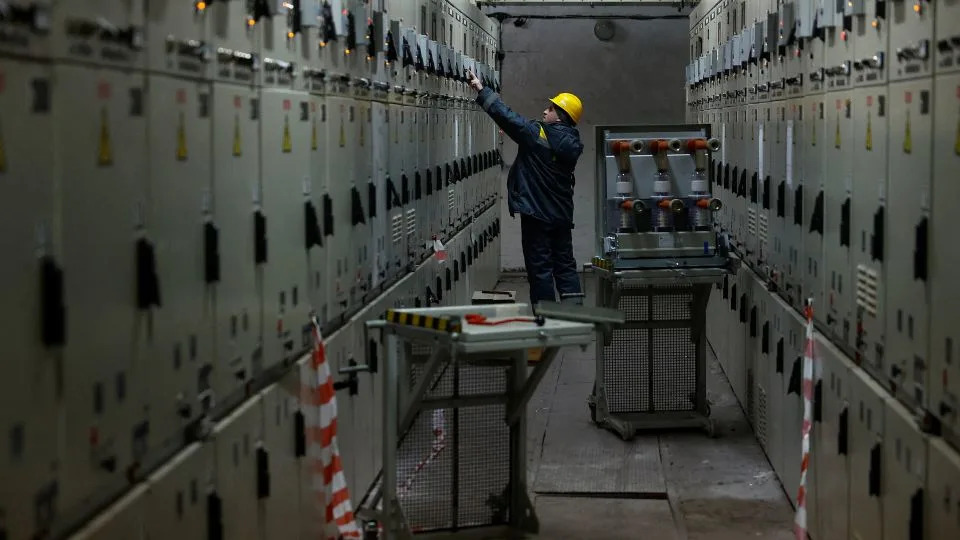
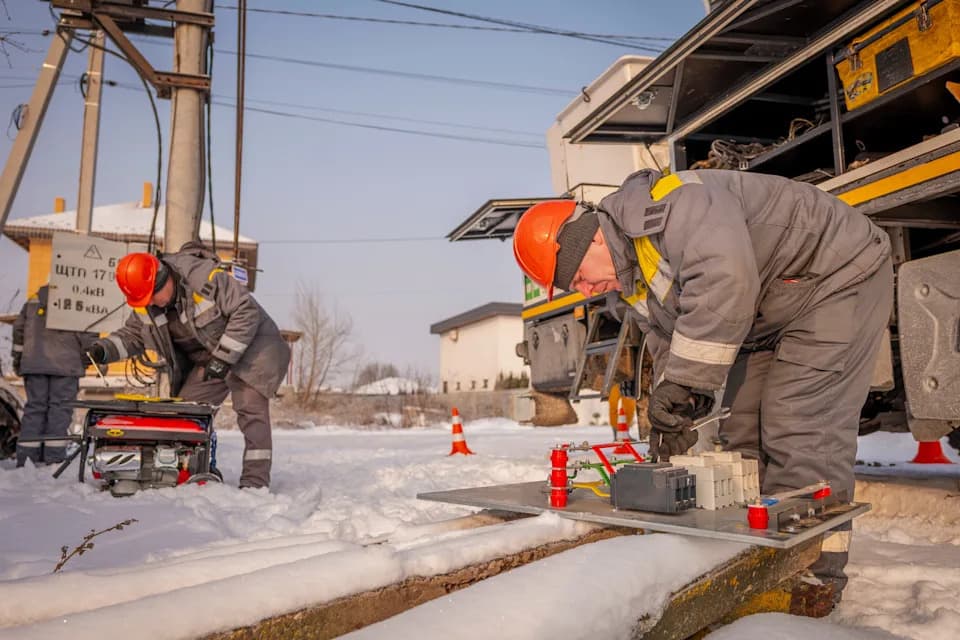
Oleksandr Zinchenko, 36, an employee of an energy company, deals with an issue with voltage at a power substation after recent Russian drone and missile strikes, on February 5, 2026. - Valentyn Ogirenko/Reuters
Businesses also suffered heavy losses. The Backstage Beauty Salon network said it spent about $400,000 on backup systems (generators, fuel and batteries) but still saw a drone strike shatter a heating pipe and flood a salon.
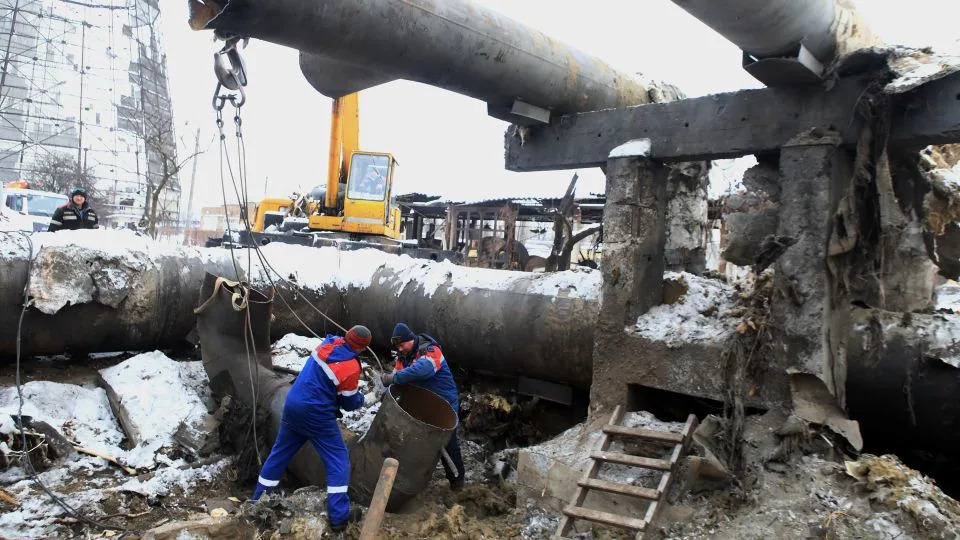
Workers prepare to lift a section of a pipe at Kyiv CHPP-4, a thermal power plant severely damaged in a massive Russian missile attack in Kyiv on the night of February 2, 2026. - Volodymyr Tarasov/Ukrinform/NurPhoto/Getty Images
Ukrenergo, the national grid operator, said it continues to work on restoring the grid after two large missile and drone attacks, and that the scale of damage to transmission and distribution networks prevents lifting emergency blackouts in most regions. DTEK reported that damage to high‑voltage substations forced reductions in output at nuclear power plants, cutting available electricity nationwide.
President Volodymyr Zelensky said Moscow launched thousands of strike drones, guided aerial bombs and missiles against Ukrainian towns and villages in a recent week. The latest strikes came after a short moratorium on attacks to energy infrastructure proposed by the United States; Ukraine agreed to renew the moratorium but Russia had not responded.
The Washington‑based Institute for the Study of War said recent strikes — conducted with hundreds of projectiles soon after the moratorium lapsed — show the Kremlin's determination to maximize civilian suffering and its unwillingness to de‑escalate. Analysts also note that Russia has modified drones and missiles to increase damage, including by adding mines and cluster munitions to Shahed drones.
Why Urban Areas Are Particularly Vulnerable
Many Ukrainian cities still rely on centralized, Soviet‑era heating systems. Heat is produced at thermal or combined heat‑and‑power plants and piped to apartment blocks; when those plants, substations or central pipes are damaged, entire neighborhoods can lose heat. Prolonged outages at sub‑freezing temperatures can cause buried pipes to freeze and fracture, extending outages and complicating repairs.
Energy companies and emergency services are prioritizing repairs to power plants, high‑voltage substations and critical heating infrastructure while municipal authorities maintain communal heating points and shelters. Authorities urge residents to use heating points where available, limit electricity use during rolling blackouts and prepare for extended outages during the coldest weeks.
Help us improve.