A "baseball-sized" wrist bone found near Córdoba in 2020 may be the first direct skeletal evidence tying war elephants to Carthaginian forces during the Second Punic War. The fragment was recovered in the same layer as artillery shot, a siege bolt and a Carthaginian coin dated 237–206 BCE, and was analyzed in the February issue of the Journal of Archaeological Science. Although the species cannot be confirmed from this fragment alone, the find is a rare piece of physical evidence for elephant use in Classical Antiquity in Western Europe.
Small Bone in Spain Could Be First Skeletal Link to Hannibal’s War Elephants
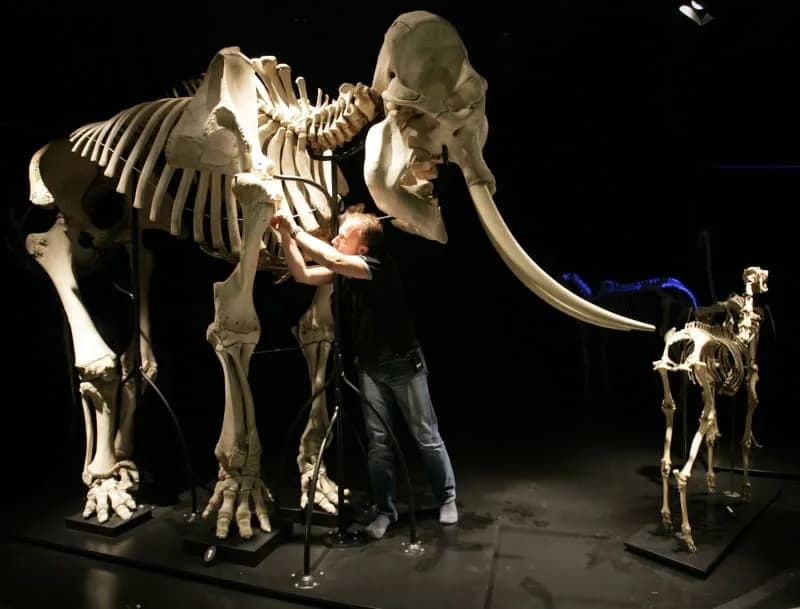
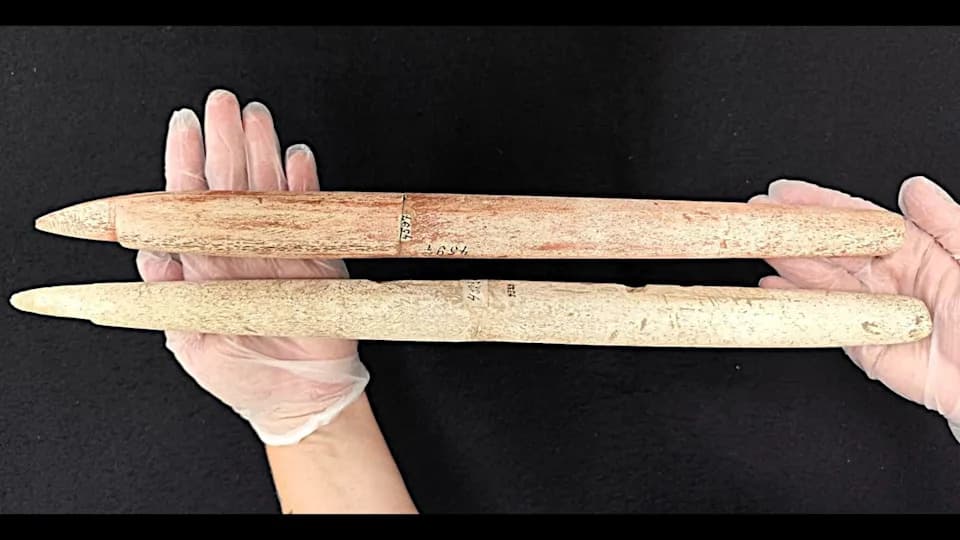
A member of staff of the Natural History Museum in Berne, Switzerland, checks the skeleton of an elephant on show at the museum
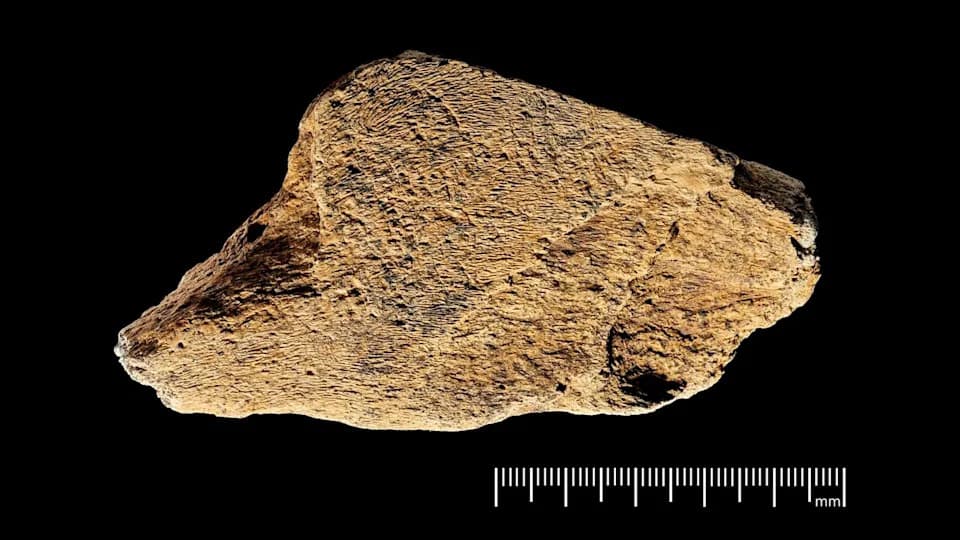
A small, "baseball-sized" bone unearthed near Córdoba, Spain, may be the first direct skeletal evidence connecting war elephants to Carthaginian forces in the Second Punic War, researchers report.
Find Context and Dating
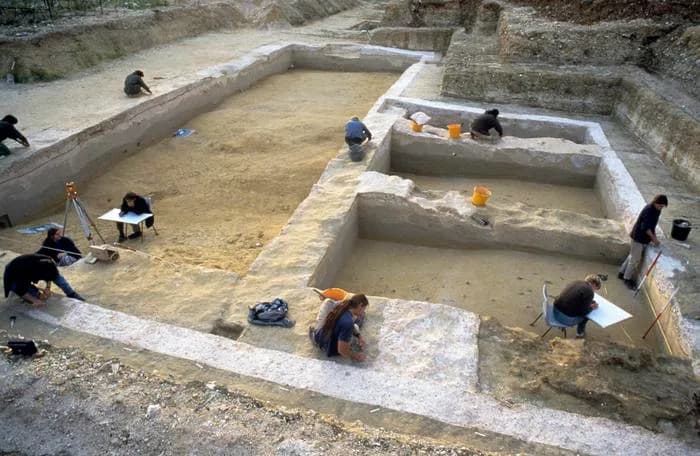
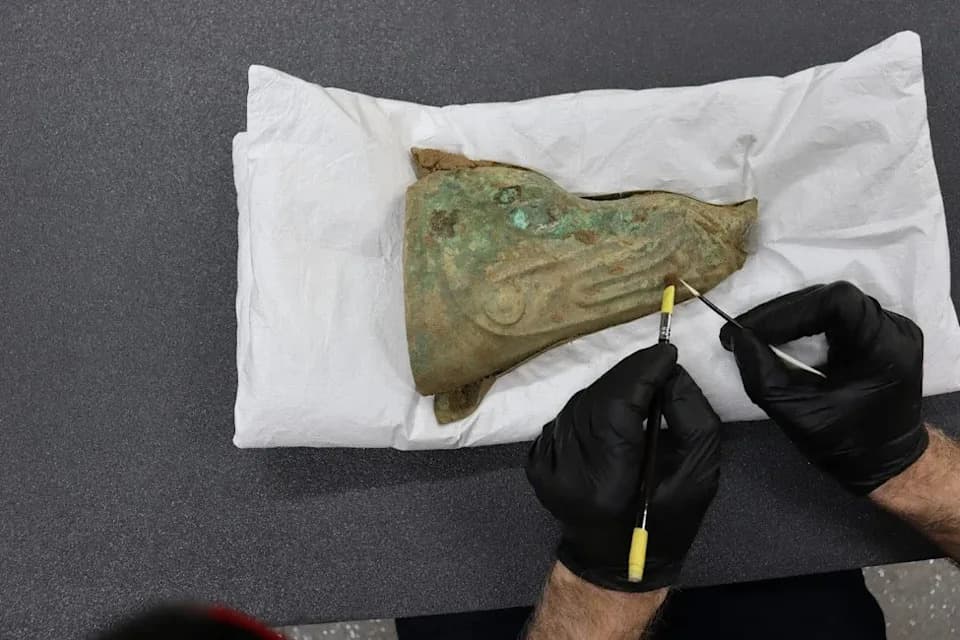
The fragment — identified as a wrist bone from an elephant's right forefoot — was recovered during routine excavations in 2020 at a fortified Iberian village site near Córdoba. It was found in the same archaeological layer as artillery shot, a heavy bolt from a siege machine, and a Carthaginian coin dated to between 237–206 BCE, offering strong chronological context for a Second Punic War association.
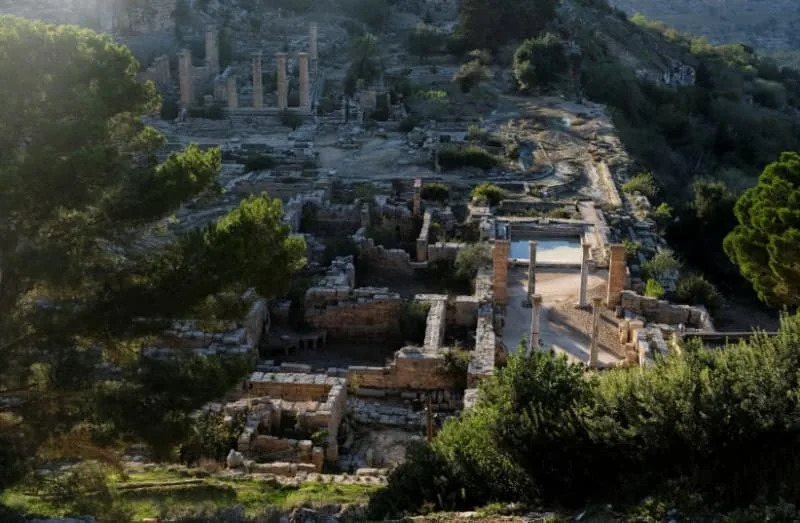
A general view of the ancient ruins of the Greek and Roman city of Cyrene where the recent Storm Daniel has hit Libyan town of Shahhat, Libya, September 29, 2023. (credit: REUTERS/ESAM OMRAN AL-FETORI)
Scientific Analysis and Uncertainties
The research, published in the February issue of the Journal of Archaeological Science, argues the bone could belong to one of the animals used by Carthaginian troops in Iberia. However, the authors caution that the fragment alone cannot definitively identify the species: it may represent an Asian elephant (the species used by Pyrrhus) or an extinct West African form that Carthaginians favored in battle.
“This may constitute one of the scarce instances of direct evidence on the use of these animals during Classical Antiquity, not only in the Iberian Peninsula but also in Western Europe,”
— Rafael Martínez Sánchez, lead author and archaeologist
Significance
Direct skeletal remains of war elephants from Classical Antiquity are extremely rare in Western Europe. While the fragment is unlikely to be one of the legendary individuals that crossed the Alps with Hannibal, the authors suggest it could represent one of the earliest known relics of elephants deployed in Punic-Roman conflicts over control of the Mediterranean. Similar assemblages have been reported at other Spanish sites linked to the war, which strengthens the interpretation of this deposit as military in nature.
Next Steps
Further comparative morphological study and, if possible, biomolecular analyses (such as ancient DNA or collagen fingerprinting) would be needed to clarify the species identification and strengthen the link to Carthaginian military activity.
Help us improve.