The U.S. publicly accused China of conducting a covert nuclear explosive test on June 22, 2020, claiming a yield "in the hundreds of tons" and alleging efforts to mask the blast. The CTBTO said its monitoring system found no event consistent with a nuclear test on that date and noted its practical detection threshold is roughly 500 tonnes of TNT. The allegation coincides with the lapse of the New START treaty and bolsters the Trump administration’s push for broader multilateral arms control, while China denies the claim and reaffirms its moratorium and no‑first‑use policy.
U.S. Alleges Secret Chinese Nuclear Test in 2020 as New START Lapses, Trump Administration Seeks Wider Arms Deal
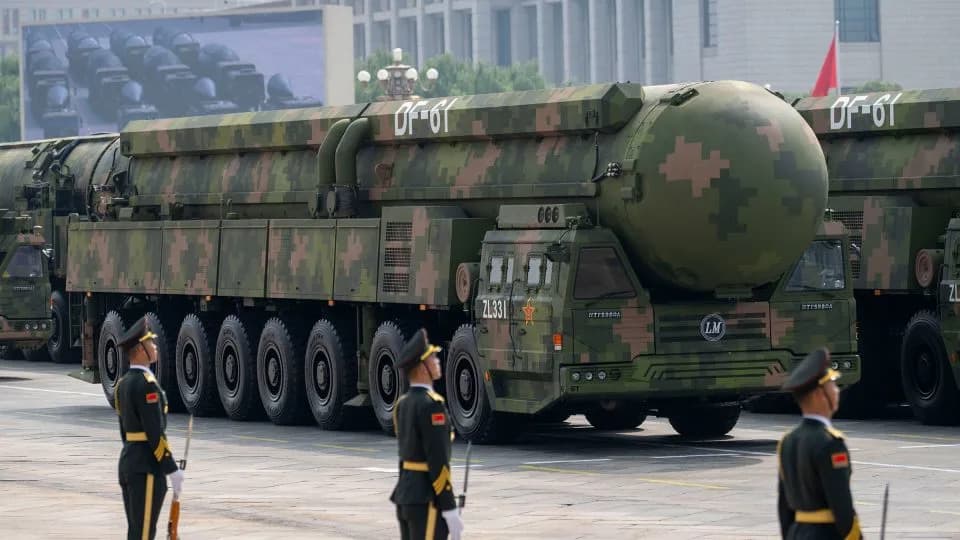
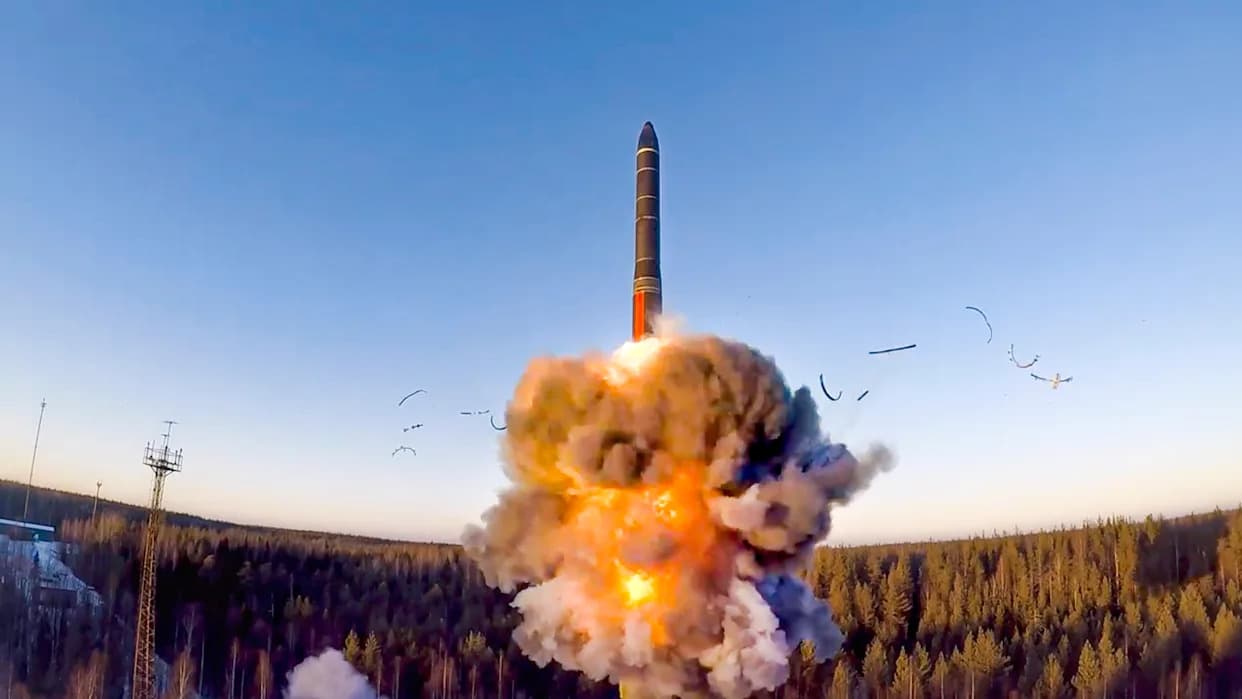
Land-based intercontinental ballistic missiles are seen at the V-Day military parade at Tian'anmen Square in Beijing, China, on September 3, 2025. - VCG/Getty Images/File
The United States on Friday publicly accused China of carrying out a covert, yield‑producing nuclear explosive test on June 22, 2020, an allegation announced as the New START arms‑control treaty between the U.S. and Russia expired. The claim, made at a global disarmament conference in Vienna, has heightened tensions as the Biden/Trump administration (note: officials referenced are from the Trump administration) presses for broader multilateral limits that would include China as well as Russia.
Undersecretary of State for Arms Control and International Security Thomas DiNanno said the U.S. government "is aware that China has conducted nuclear explosive tests, including preparing for tests with designated yields in the hundreds of tons." He added that "China conducted one such yield producing nuclear test on June 22 of 2020," without providing technical details. A U.S. official told CNN that some information about the alleged 2020 test has been declassified.
DiNanno accused elements of the Chinese military of attempting to conceal testing by "obfuscating the nuclear explosions" and cited a technique called "decoupling," in which a cavern or other method is used to reduce seismic signals and make detection more difficult.
Monitoring Organization Disputes Detection
The Comprehensive Nuclear‑Test‑Ban Treaty Organization (CTBTO), which operates a global International Monitoring System (IMS), said its network "did not detect any event consistent with the characteristics of a nuclear weapon test explosion" on June 22, 2020. CTBTO Executive Secretary Rob Floyd added that subsequent detailed analyses did not alter that finding and noted the IMS can typically detect tests with yields of roughly 500 tonnes of TNT‑equivalent or higher. The U.S. allegation of a yield "in the hundreds of tons" leaves uncertainty about whether the claimed test would have exceeded the CTBTO detection threshold.
"If this was a very, very low yield test explosion... it is possible that it could be hidden from the CTBTO monitoring stations," said Daryl Kimball, Executive Director of the Arms Control Association, reflecting expert caution about low‑yield, hard‑to‑detect events.
The CTBT (Comprehensive Nuclear Test Ban Treaty) prohibits any nuclear weapon test explosion, but its verification and dispute mechanisms only formally apply once the treaty enters into force. While most countries have signed and ratified the CTBT, key states including the U.S. and China have signed but not ratified, and Russia withdrew its ratification in 2023—preventing the treaty from entering into force.
Responses and Strategic Implications
China denied the allegation. A Chinese Embassy spokesperson reiterated Beijing's long‑standing positions: adherence to a moratorium on nuclear testing and a declared "no first use" policy. "We stand ready to work with all parties to jointly uphold the authority of the Comprehensive Nuclear Test‑Ban Treaty," the spokesperson said, urging the U.S. to honor its treaty obligations and moratorium commitments.
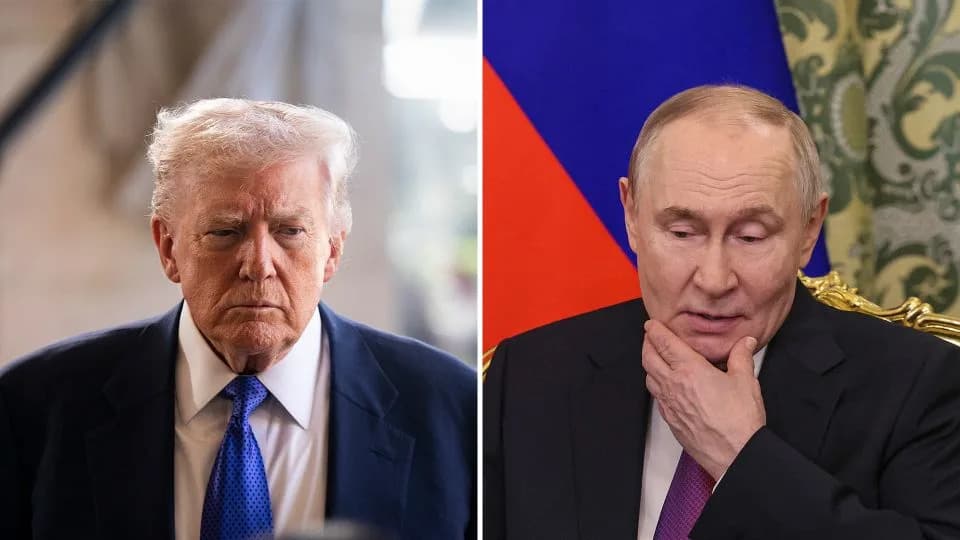
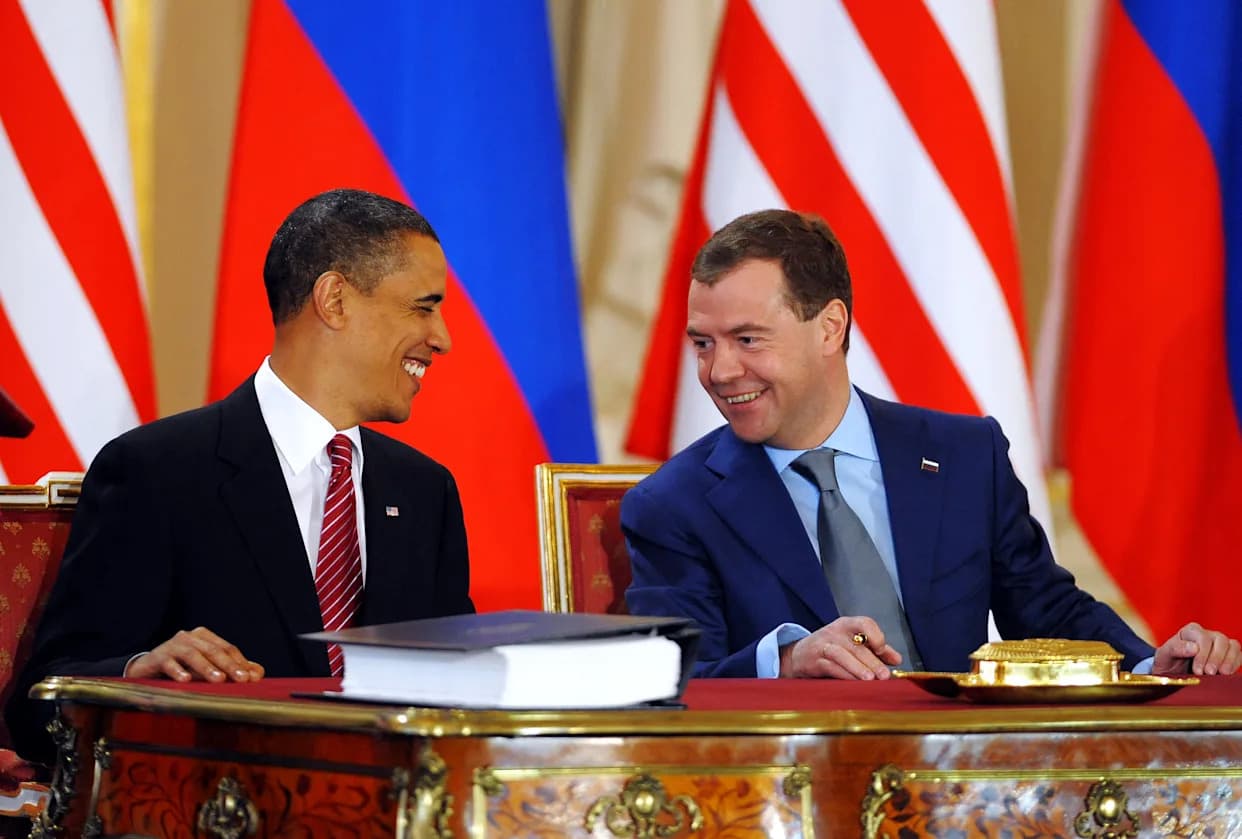
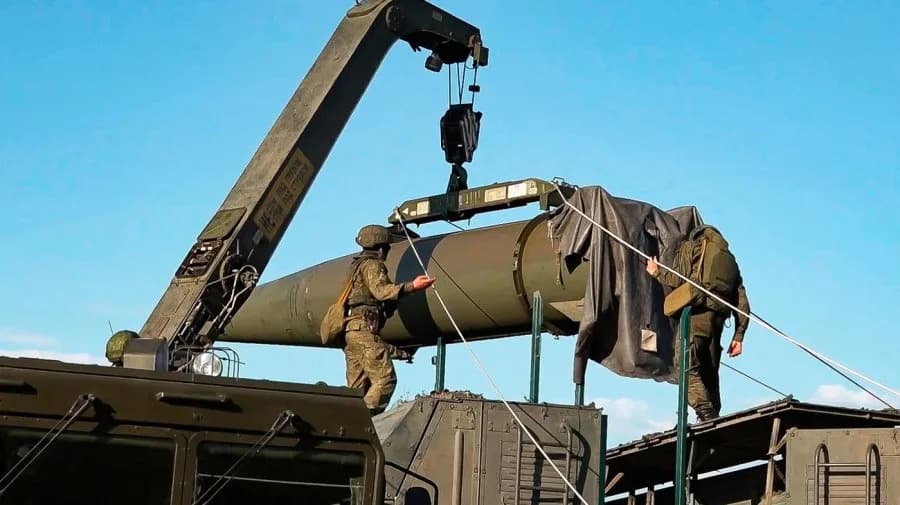
DiNanno framed February 5, 2026—the date New START lapsed—as "the end of an era: the end of U.S. unilateral restraint." He said the United States will complete ongoing nuclear modernization programs and retain non‑deployed capacity that the president could direct as needed, and argued that future arms‑control negotiations should include more than Russia.
How Washington would persuade Beijing to join trilateral or multilateral talks remains unclear. China has repeatedly rejected three‑way talks on the grounds that its arsenal is not comparable to those of the U.S. and Russia. Some analysts argue that Beijing may resist limits that could constrain its growing nuclear capabilities, while others suggest diplomatic incentives or pressure might change the calculus.
Expert Views
Experts and arms‑control advocates urged caution. Daryl Kimball said accusations alone are insufficient and called for measured diplomatic responses and a "sensible approach" such as direct bilateral talks. Matthew Kroenig of the Atlantic Council argued that arms control could benefit China if it wanted reciprocal limits, but he also warned Beijing has invested heavily in its nuclear force and may be reluctant to negotiate away those capabilities.
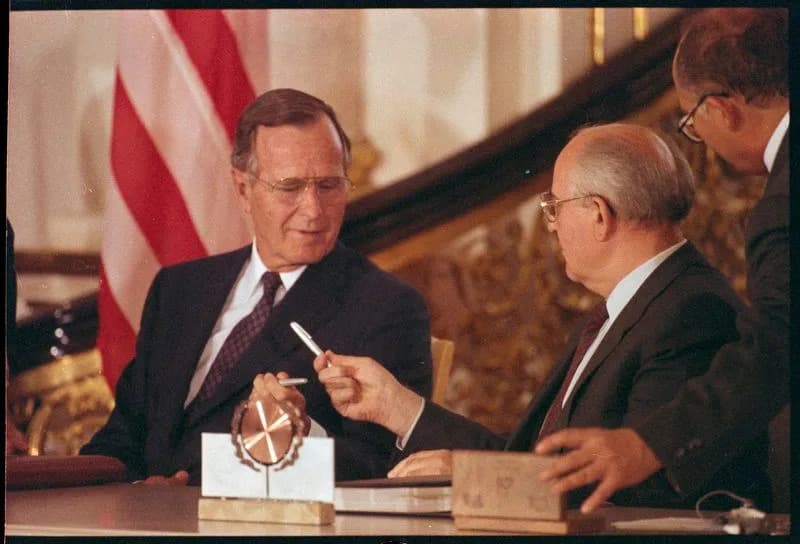
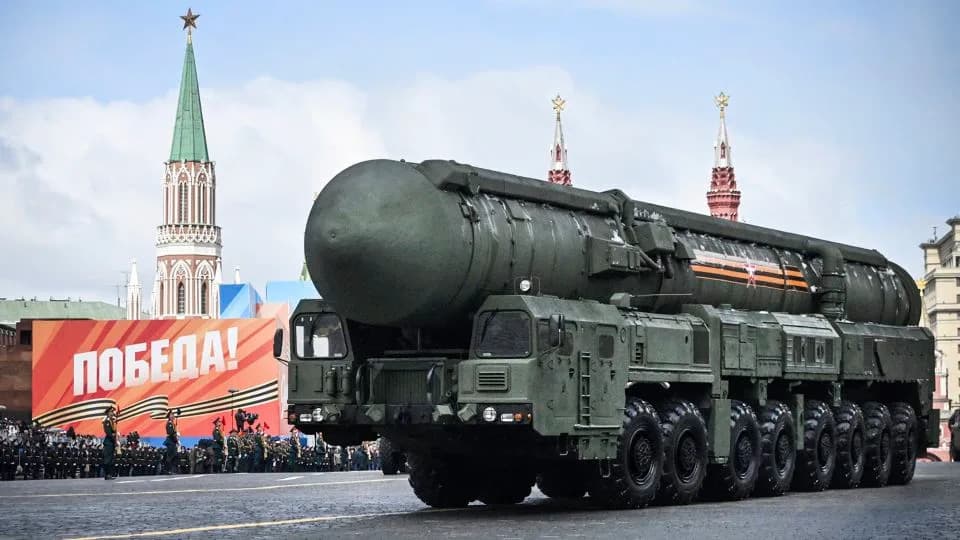
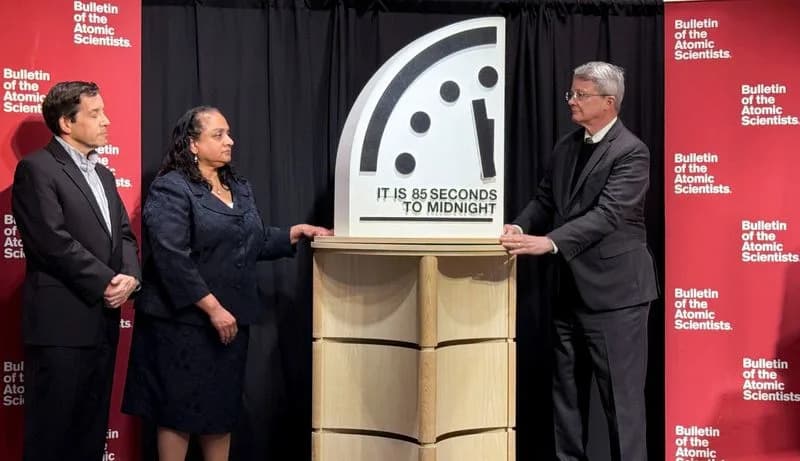
This dispute arrives at a pivotal moment for global arms control: with New START expired, the U.S. and Russia no longer operate under verified limits, and calls for new agreements now confront disagreements over scope, participation, and verification.
Help us improve.