Researchers deployed instruments through a drilled hole to monitor the ocean beneath the Ross Ice Shelf for more than four years. Their observations reveal seasonal variability, pulses of supercooled water and upward heat transport that can accelerate basal melting. Because subshelf melt is largely invisible, it poses a stealth threat to ice-shelf stability and global sea levels. Expanding ocean monitoring and cutting fossil-fuel emissions are critical to forecasting and limiting future impacts.
Hidden, Dynamic Ocean Beneath Ross Ice Shelf Could Accelerate Sea-Level Rise
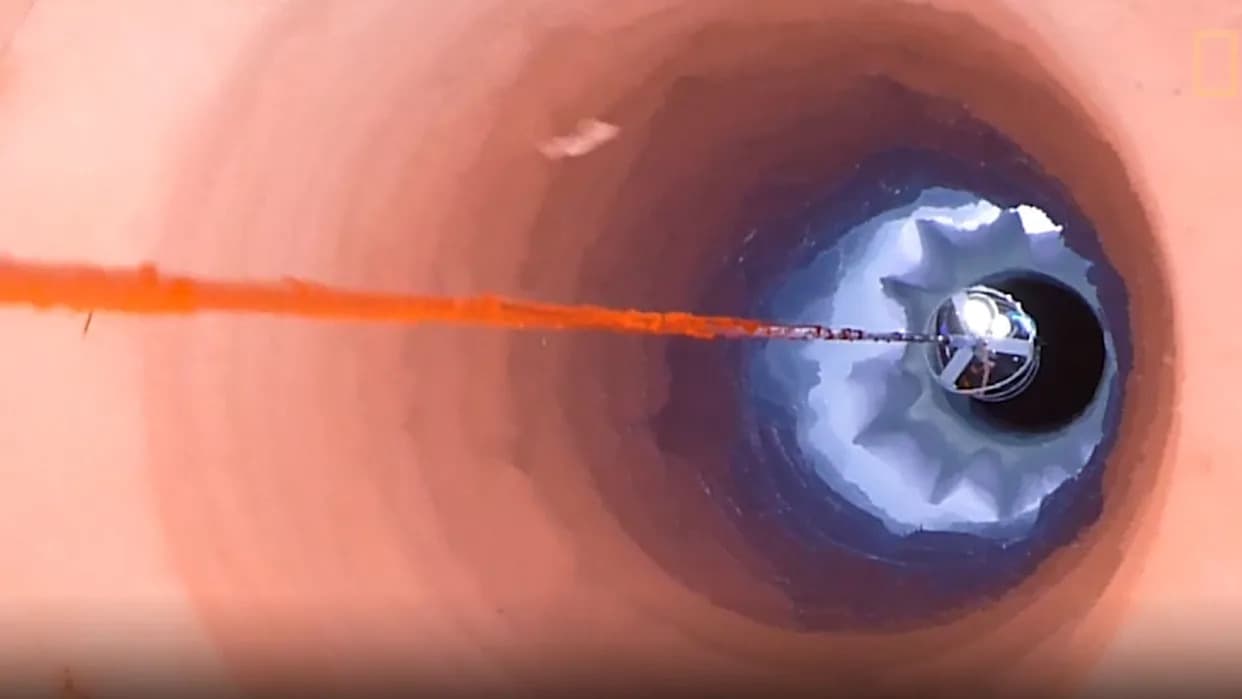
Photo Credit: National Geographic
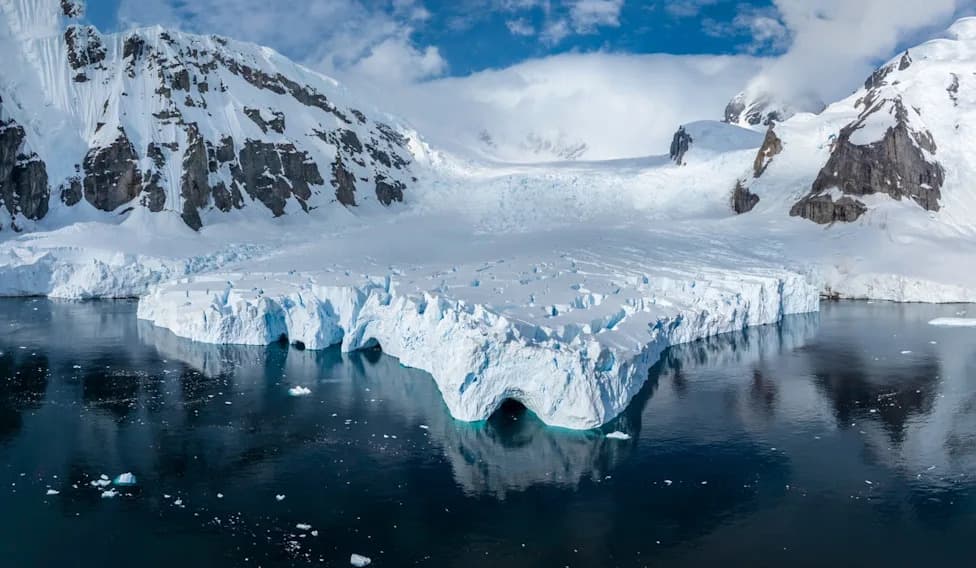
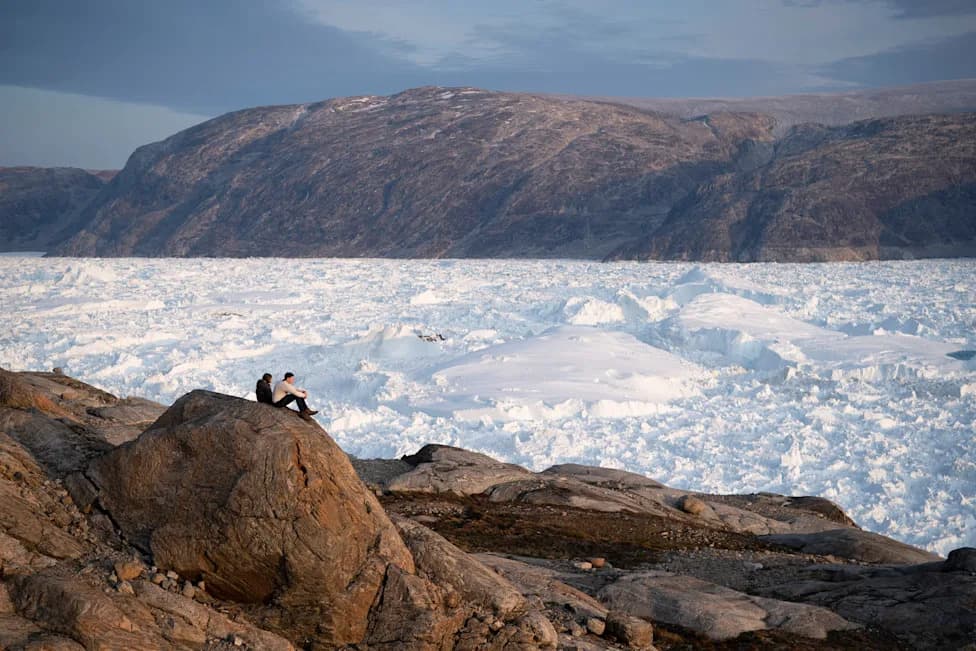
A hidden ocean cavity beneath Antarctica's Ross Ice Shelf is far more dynamic than scientists previously believed—and that dynamism could hasten ice loss and global sea-level rise.
For the first time, researchers collected long-term, in-situ observations from deep beneath the Ross Ice Shelf, a floating expanse roughly the size of France that helps restrain the Antarctic ice sheet. Instruments lowered through a drilled access hole recorded temperature, salinity and currents for more than four years.
Key Findings
The study, published in the Journal of Geophysical Research: Oceans, shows the water beneath the shelf experiences clear seasonal variability rather than remaining stable. Scientists observed pulses of deeper, supercooled water and currents that transport heat upward toward the ice base—processes that can increase melting on the underside of the shelf, known as basal melting.
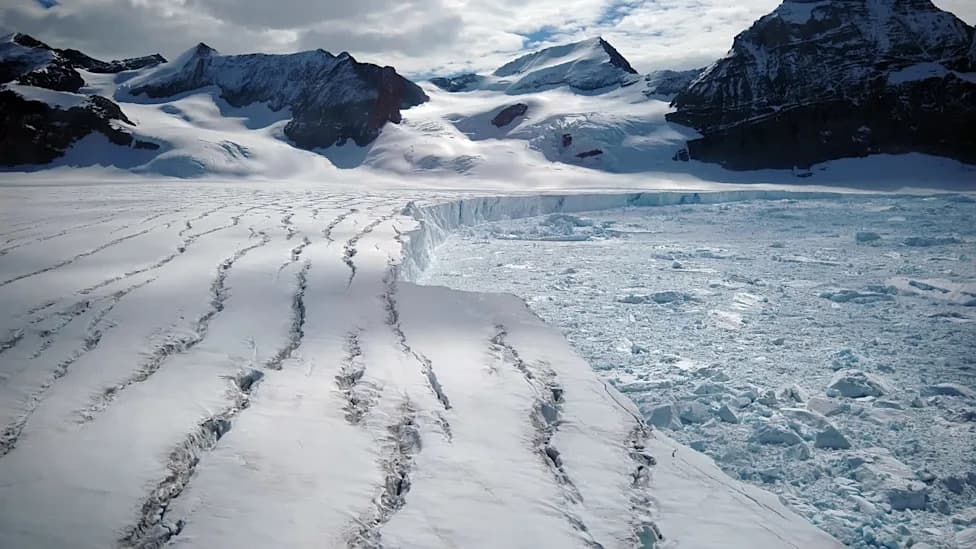
Even modest increases in ocean temperature can sharply accelerate basal melting. Ice shelves act as buttresses that slow the flow of grounded glaciers into the sea; as shelves thin, glaciers can discharge more readily, contributing to global sea-level rise.
Why This Matters
Basal melting is especially concerning because it is largely invisible from above and accounts for a large share of observed ice-shelf loss. Surface melt is easier to detect, while subshelf melt requires specialized instruments and can destabilize vast ice systems before any surface collapse becomes apparent.
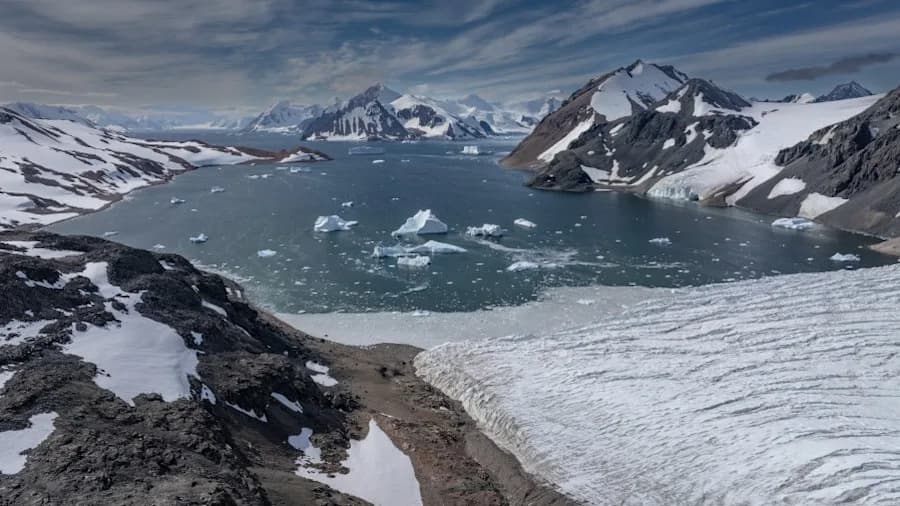
Rising seas threaten coastal communities, infrastructure and freshwater supplies, and they increase flood and health risks for millions. The loss of polar ice can also alter global ocean circulation, with consequences for weather patterns and marine ecosystems.
Drivers and Responses
The researchers and previous studies link these changes primarily to human-driven warming from burning oil, gas and coal, which traps heat in the atmosphere and oceans. Other recent work has documented that the Ross Ice Shelf is moving measurably each day and that an expanding surface "slush" layer—waterlogged snow and ice—absorbs more heat and can generate significantly more meltwater than solid ice.
Expanding monitoring beneath and around ice shelves is essential to improve climate models and forecast future risks. Programs such as NASA's Earth System Explorers aim to support similar science and remote monitoring from space. In the long term, reducing dependence on fossil fuels, accelerating the transition to clean energy, and protecting marine ecosystems are among the most effective strategies to slow ocean warming and limit impacts on polar ice.
Help us improve.