Researchers have identified a tipping point around 2000 when El Niño began to more strongly drive fall sea ice loss northeast of Russia. By analyzing monthly SST and sea ice records from 1979–2023, the team found that faster transitions out of El Niño produced colder tropical Pacific patches that pushed the Western North Pacific Anticyclone northward. This triggered a linked anticyclone over the Laptev and East Siberian seas, drawing warm, moist air into the Arctic and reducing fall sea ice. The changes appear tied to natural climate cycles, though human-driven warming could modify or override these patterns in the future.
Tipping Point Identified: Since 2000 El Niño Has Begun Accelerating Arctic Sea Ice Loss Northeast of Russia
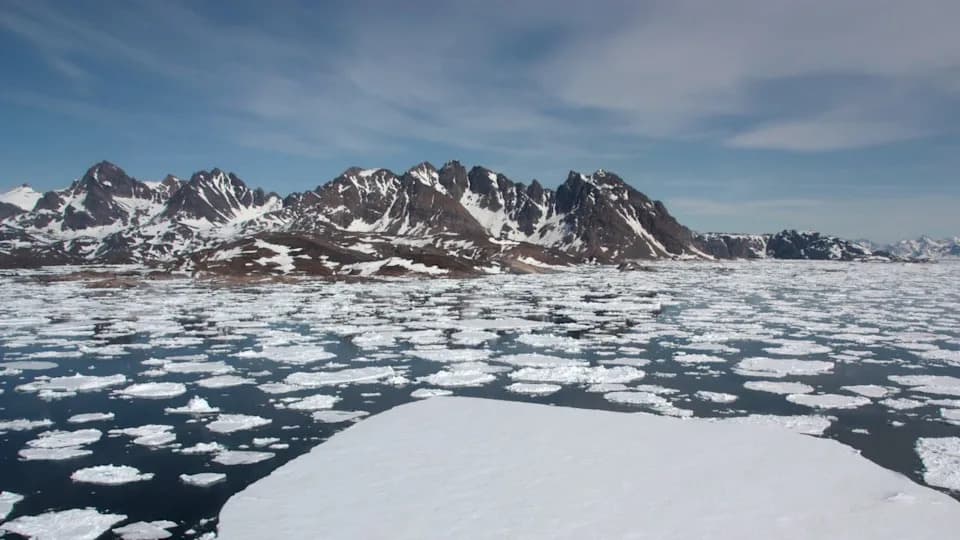
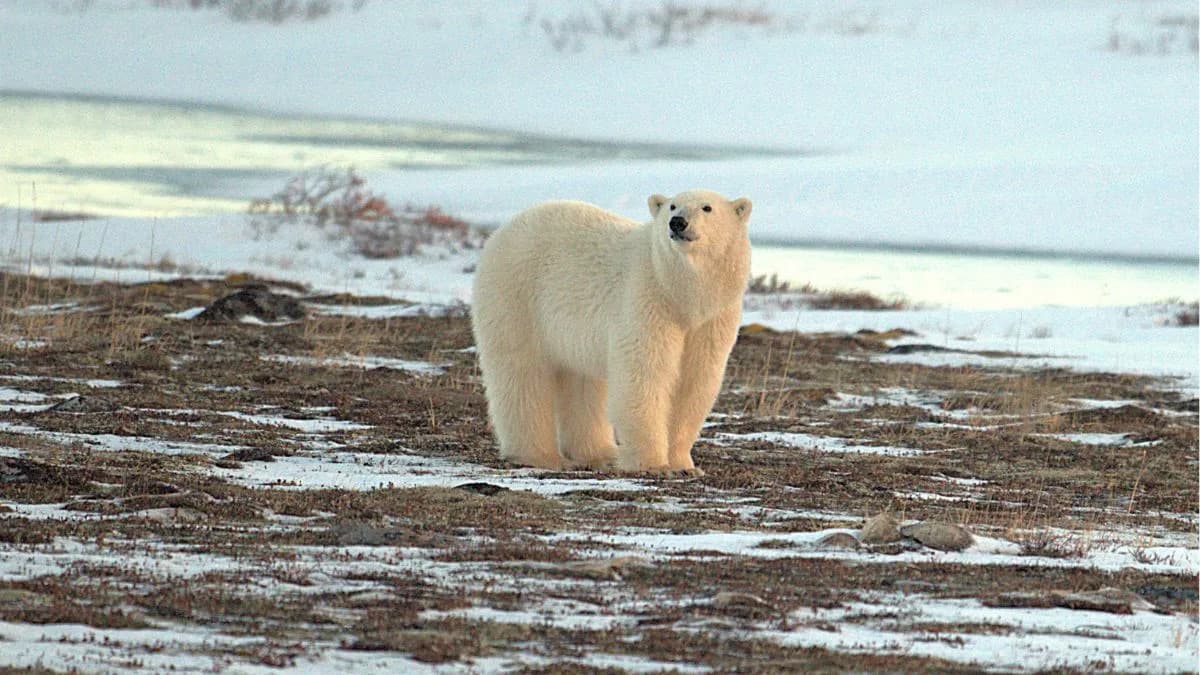
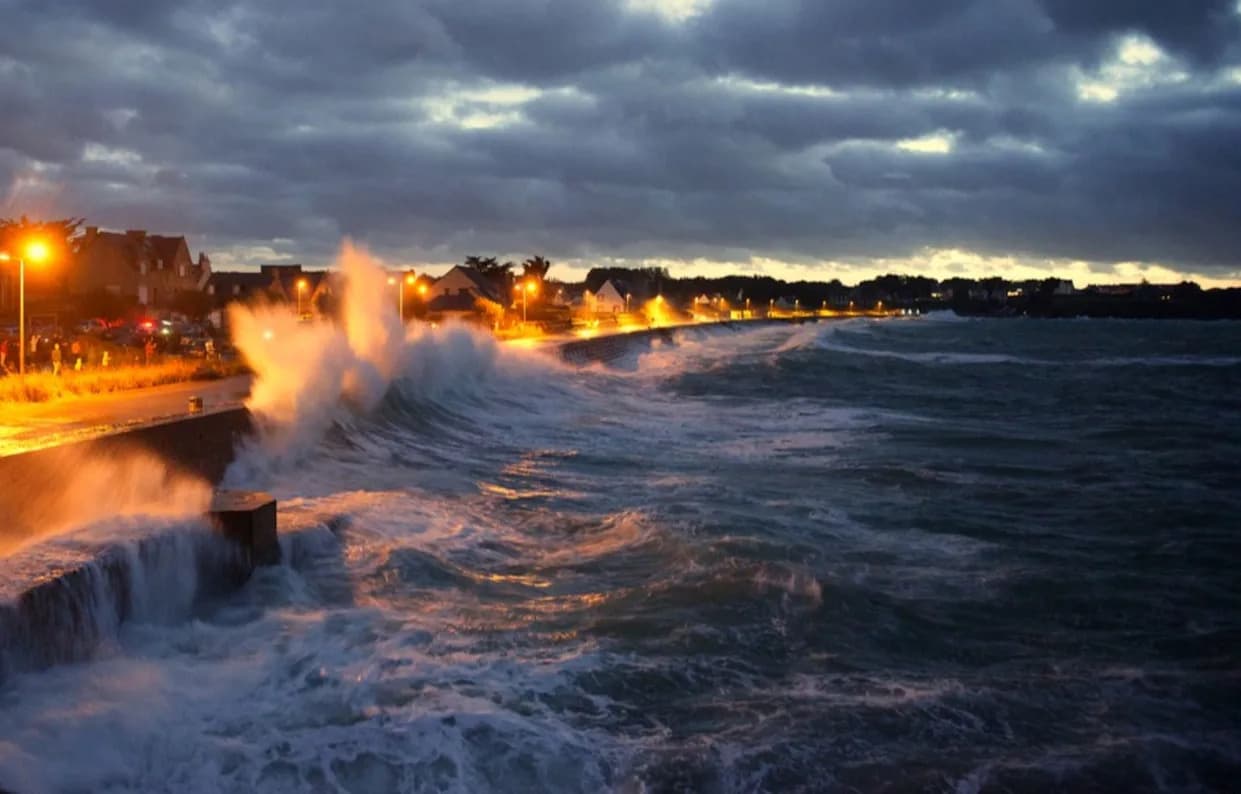
The El Nino-Southern Oscillation affects sea ice northeast of Russia more strongly since 2000, a new study finds. | Credit: steve_is_on_holiday/Getty Images
Scientists have identified a clear tipping point — around the year 2000 — when El Niño began to have a stronger, faster effect on fall sea ice loss in the Arctic, especially northeast of Russia. The finding helps explain recent links between tropical Pacific variability and rapid reductions in sea ice over the Laptev and East Siberian seas, with implications for shipping and seasonal forecasts in the region.
What the Study Examined
Published Jan. 14 in Science Advances, the study analyzed monthly sea surface temperature (SST) and sea ice concentration records from 1979 to 2023. The researchers focused on how transitions between phases of the El Niño–Southern Oscillation (ENSO) influence sea ice the following fall, paying particular attention to the Laptev and East Siberian seas northeast of Russia.
Key Mechanism Revealed
The team found that when the climate system shifts out of an El Niño phase, it commonly generates cooler surface waters in the central and eastern tropical Pacific the next autumn. Since about 2000, these transitions out of El Niño have been occurring more rapidly — likely influenced by interactions with the Pacific Decadal Oscillation (PDO), a multi-decade Pacific temperature cycle.
Faster transitions intensified those cold anomalies. Stronger cold patches in the tropical Pacific nudged the Western North Pacific Anticyclone (WNPAC) farther north. That northward shift helped trigger a secondary anticyclone over the Laptev and East Siberian seas. Together, these circulation changes pull warm, moist air from the northern Pacific into the Arctic, which promotes melting and reduces sea ice in the fall after the ENSO transition.
Before 2000 Versus After
Before roughly 2000, the link between tropical cold anomalies and the WNPAC was too weak to meaningfully alter sea ice in the study region. After 2000, faster ENSO transitions strengthened that chain of events, amplifying sea ice loss following those transitions.
"Sea ice can make a significant impact on the Arctic climate and maritime safety," said Cen Wang, an atmospheric scientist at The Hong Kong University of Science and Technology and a co-author of the paper.
Natural Variability — But With Caveats
The authors attribute the post-2000 changes primarily to natural multi-decade climate variability — especially interactions between ENSO and the PDO. However, independent experts caution that anthropogenic climate change adds major uncertainty. "Human-caused climate change could override some of the natural patterns observed in these long-term oscillations," said Xiaojun Yuan, a physical oceanographer at Columbia University’s Lamont-Doherty Earth Observatory, who was not involved in the study.
Implications and Next Steps
The study’s results could improve seasonal forecasting of Arctic sea ice and navigation planning for shipping through northern sea routes. The research team plans to investigate how ongoing anthropogenic warming may interact with ENSO–PDO dynamics and how those interactions could influence future sea ice trends in the region.
Help us improve.