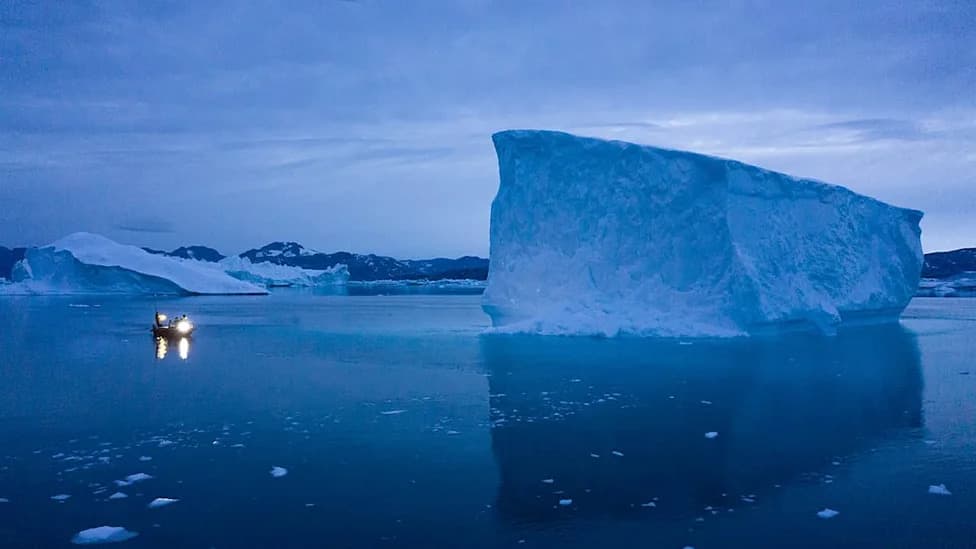
Glaciers are melting rapidly—about 273 billion metric tons per year—threatening the invaluable climate records they hold. The Ice Memory Sanctuary at Concordia Station in Antarctica has begun storing ice cores, starting with samples from the European Alps, to preserve those records for future research. Approved under the Antarctic Treaty System and supported by the Prince Albert II Foundation, the vault will eventually house cores from regions including the Andes, Caucasus, Svalbard and the Pamirs. While many glaciers may still vanish this century, the sanctuary keeps their data accessible to future scientists.
Scientists Store Melting-Glacier Climate Records in an Antarctic Ice Vault
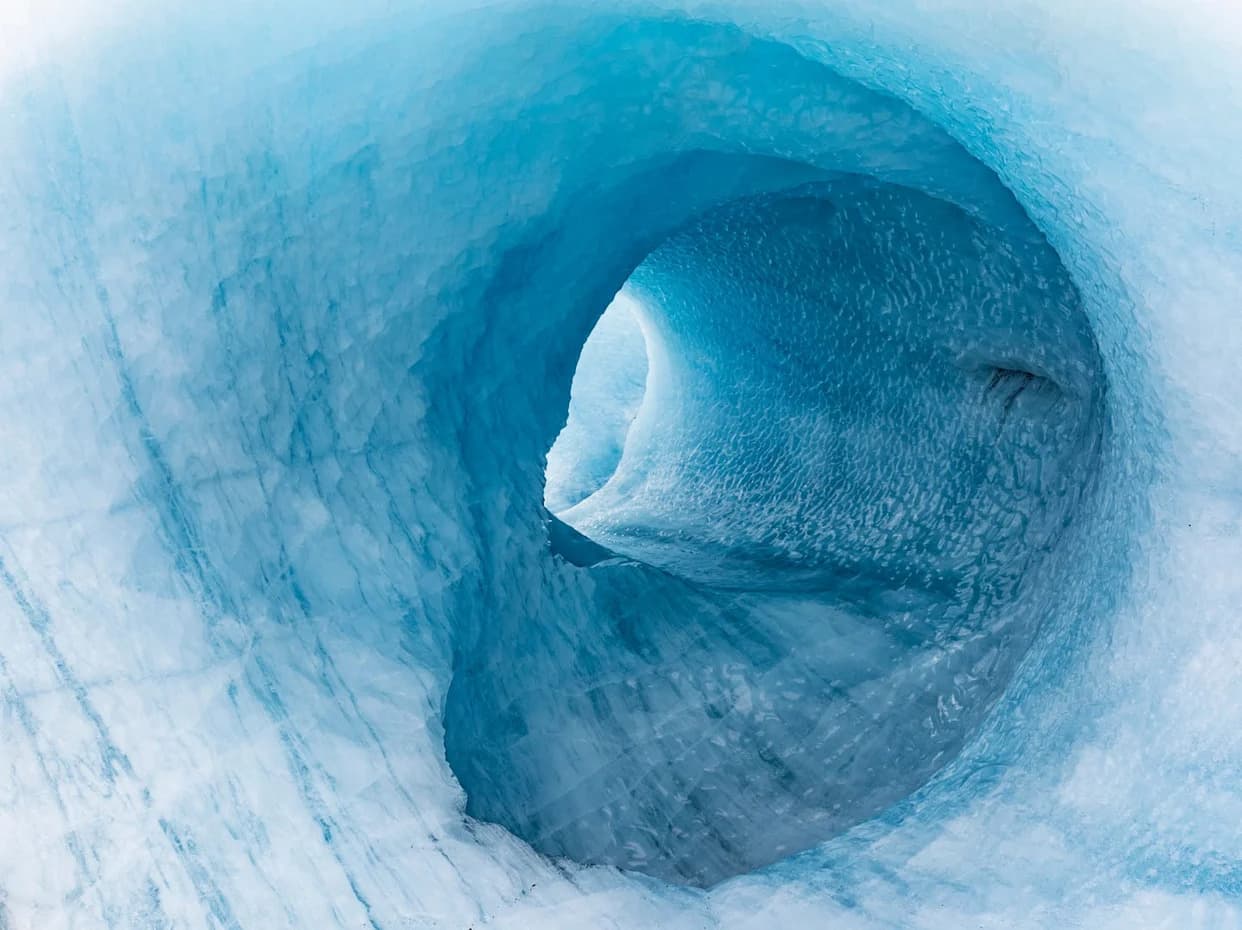
Scientists Are Hiding Data in an Ice Vaultcarlo alberto conti - Getty Images
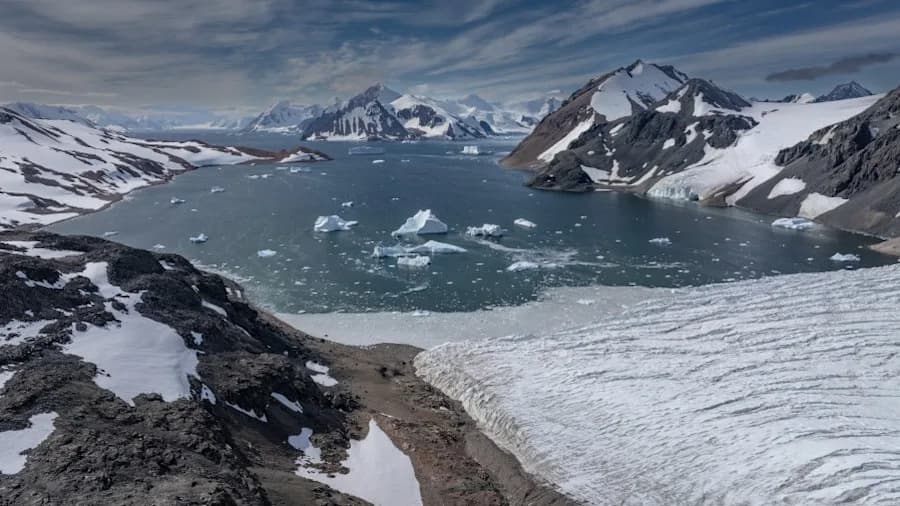
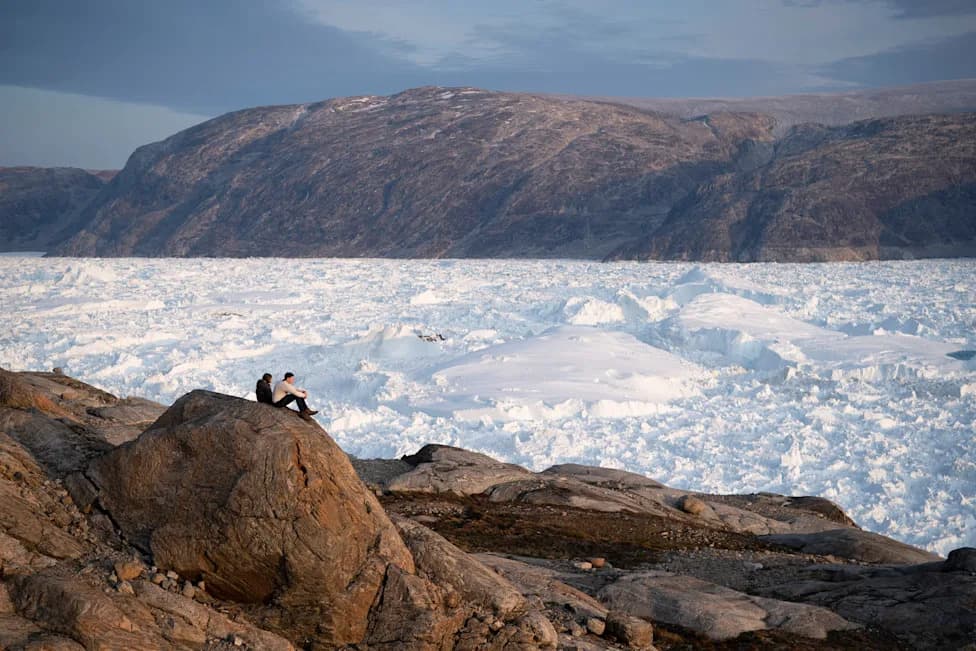
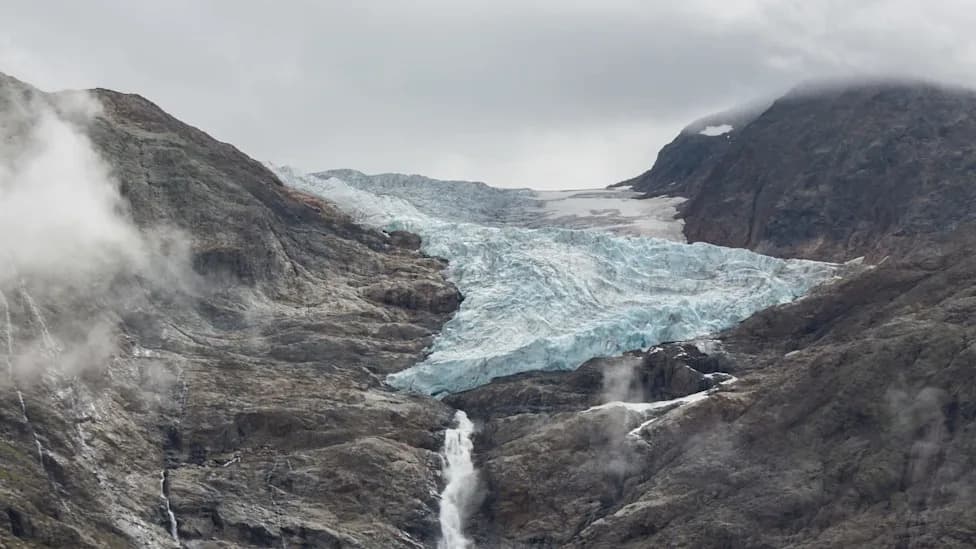
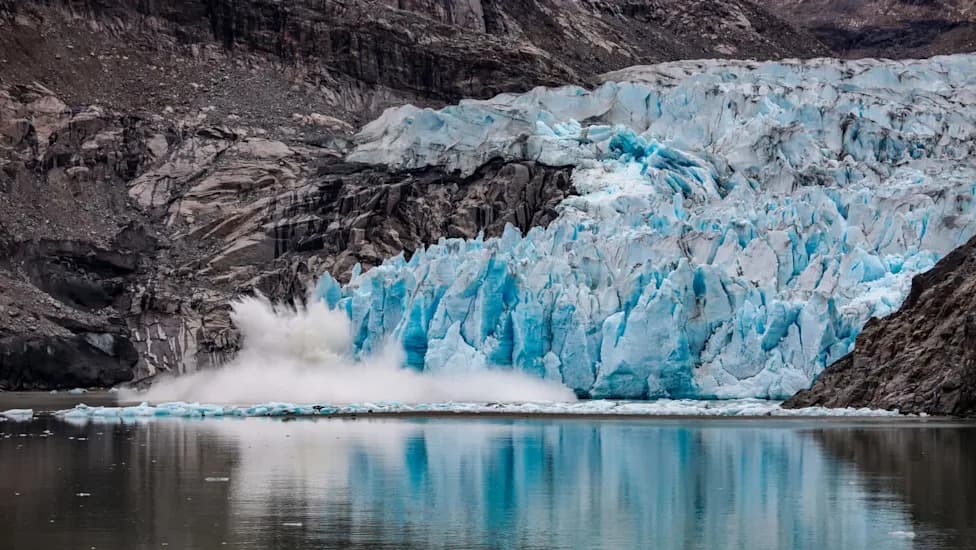
As the planet warms, glaciers are shrinking at an alarming rate. Scientists are racing to save the climate records trapped in those ice masses before they disappear.
First Samples Arrive at the Ice Memory Sanctuary
On Wednesday, the first ice cores reached the Ice Memory Sanctuary, a cold-storage repository located at Concordia Station on Antarctica’s high plateau. The facility was approved under the Antarctic Treaty System in 2024, financed by the Prince Albert II Foundation, and is managed by the international Ice Memory Foundation.
Why Glacier Ice Matters
Glaciers are more than frozen water: they are environmental archives. Layers of ice trap air bubbles, dust, pollen and chemical signatures that record past temperatures, atmospheric composition and local environmental change—sometimes for hundreds of thousands of years. Glaciers also supply freshwater to roughly two billion people, support local economies and cultures, and help cool the planet by reflecting sunlight.
"By preserving glacier ice, we extend climate records far beyond the period of instrumental observations and strengthen the scientific foundations of global climate monitoring," said WMO Secretary-General Celeste Saulo. "Initiatives like Ice Memory complement WMO’s global observing systems and help ensure that critical knowledge of the past remains available to future generations."
Why Concordia Station?
Concordia Station sits on a high Antarctic plateau with an average annual temperature near -50°C, making it an ideal long-term storage site. The underground sanctuary is dug about five metres below the surface and measures roughly 5 m × 5 m × 35 m, providing stable, secure conditions that protect cores from power outages, economic disruption, or other human-related risks.
Global Collection Plans
The first cores delivered to the vault came from the European Alps. Organizers plan to add samples from the Andes, the Caucasus, Svalbard and the Pamir Mountains (primarily in Tajikistan). Notably, some Pamir glaciers had shown localized growth until recently; an expedition to the Kon-Chukurbashi ice cap recovered two cores—one destined for Hokkaido University in Japan and the other for the Ice Memory Sanctuary.
Scale of the Loss
Current estimates suggest the world loses about 273 billion metric tons of glacial ice each year. Over the past 50 years, the World Meteorological Organization (WMO) estimates roughly 9,000 billion metric tons of glacier ice have been lost—the equivalent of a 25-metre-thick block of ice the size of Germany. Many glaciers are likely to disappear this century, even under rapid emissions reductions.
Projects such as the Ice Memory Sanctuary cannot stop glaciers from melting, but by preserving ice cores they keep the climate records those glaciers hold—ensuring future researchers can study Earth’s history and better understand future change.
Help us improve.