A Phoenix federal jury awarded $8.5 million to Jaylynn Dean after finding Uber liable under an "apparent agency" theory in a bellwether sexual-assault trial. The jury declined to award punitive damages, though Dean had sought far larger sums. The case — the first in a consolidated MDL of thousands of similar claims — could shape how future suits against Uber are resolved. The next related federal trial is scheduled for April in North Carolina.
Uber Ordered To Pay $8.5M After Jury Finds 'Apparent Agency' In Bellwether Sexual-Assault Case
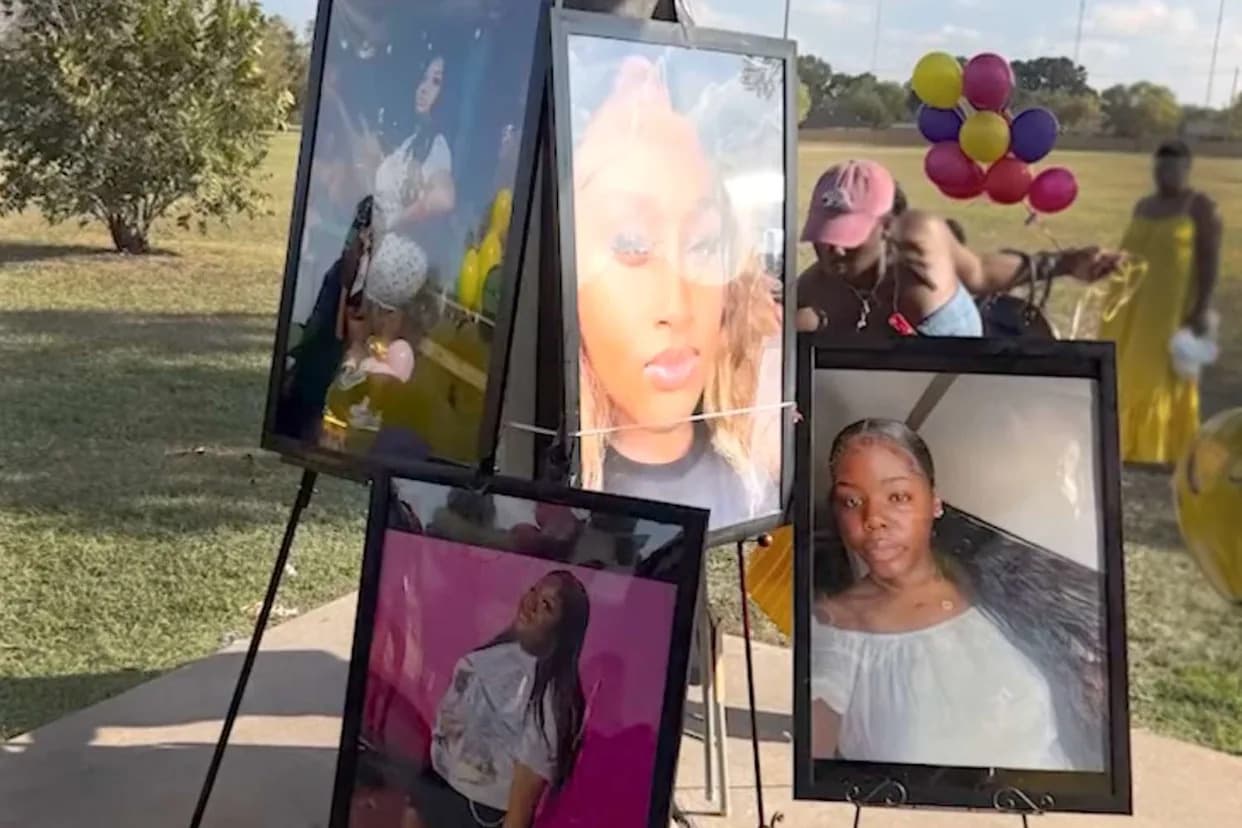
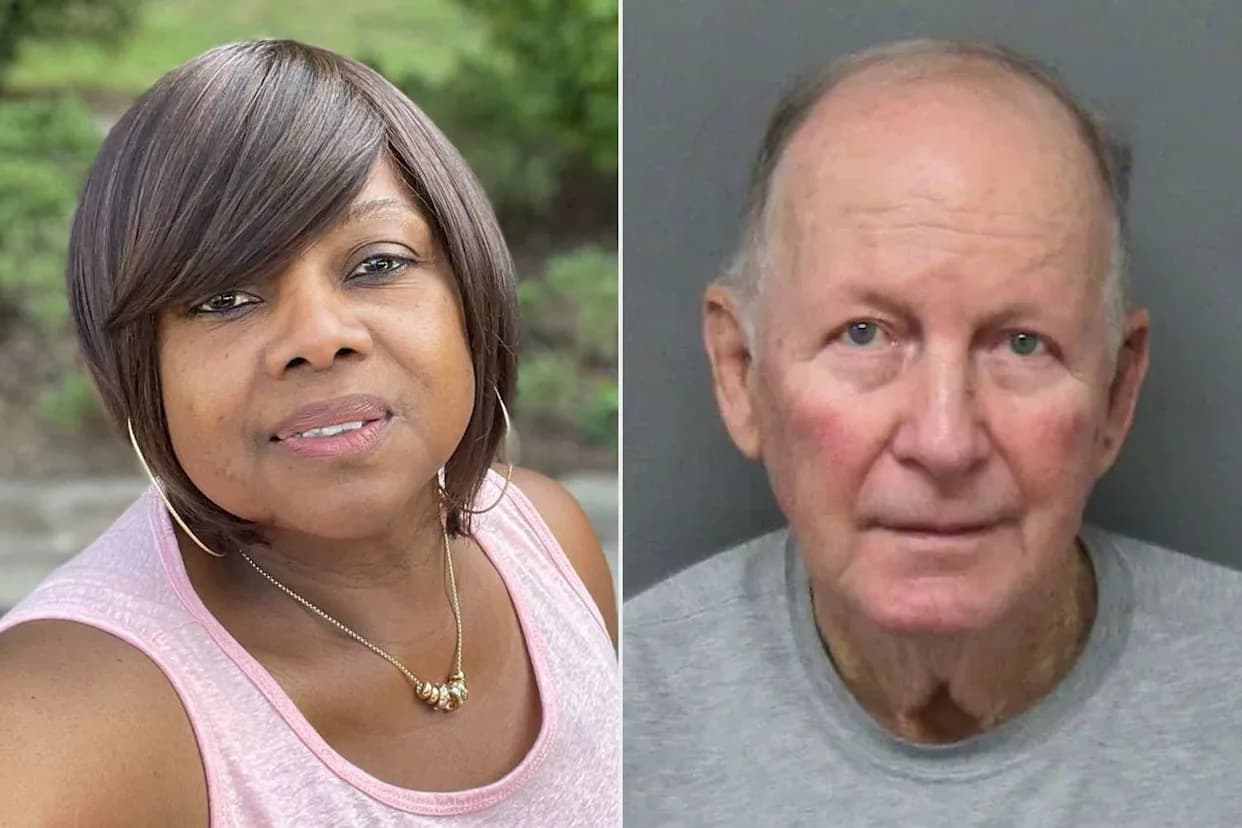
A federal jury in Phoenix on Thursday, Feb. 5, awarded $8.5 million to Jaylynn Dean, who says she was sexually assaulted by an Uber driver in Arizona when she was 19. The three-week bellwether trial — the first in a consolidated federal multidistrict litigation (MDL) involving thousands of similar claims — could influence outcomes in many pending suits against the ride-hailing company.
After three days of deliberations, a nine-member jury found Uber liable under the legal theory of apparent agency, concluding that Uber’s branding, controls and safety messaging led the plaintiff reasonably to believe the driver was acting on the company’s behalf, despite drivers being classified as independent contractors.
Dean had sought $24 million in compensatory damages and $120 million in punitive damages; jurors awarded $8.5 million in total and declined to award punitive damages.
The complaint says Dean was intoxicated when she requested an Uber to return from her boyfriend’s home to a hotel in November 2023. She alleges the driver asked harassing questions during the ride, then stopped the car and raped her. Dean, an Oklahoma resident, filed suit against Uber in 2023 about a month after the alleged assault.
Arguments From Both Sides
Uber’s attorneys urged jurors to view the incident as an unforeseeable criminal act by an independent contractor who had passed background checks, completed safety training and completed thousands of rides without prior serious incidents. In closing, defense attorney Kim Bueno emphasized that the driver had no criminal history, roughly 10,000 trips on the app and a near-perfect rating, arguing the conduct was not foreseeable to Uber.
Dean’s lawyers countered that Uber knew certain riders — particularly women traveling alone at night after drinking — faced heightened risks. They pointed to internal Uber safety data and algorithms that they say flagged Dean’s trip as higher risk before it began but did not trigger warnings or intervention. They argued Uber’s branding and operational control encouraged riders to trust drivers as representatives of the company, supporting the apparent-agency finding.
"This verdict validates the thousands of survivors who have come forward at great personal risk to demand accountability against Uber for its focus on profit over passenger safety," said Sarah London, a lead attorney for Dean in the MDL.
Uber spokesman Andrew Hasbun said the verdict showed jurors rejected the most serious claims, noting the award was "an amount far below what was sought" and that punitive damages were not awarded. "This verdict affirms that Uber acted responsibly and has invested meaningfully in rider safety," he added.
Wider Litigation And Next Steps
U.S. District Judge Charles Breyer, who normally sits in San Francisco, is managing the centralized federal litigation. Thousands of cases remain pending in the MDL, and the next federal bellwether trial is expected to begin in April in North Carolina. Separately, Uber faces more than 500 cases in California state court; in the only state trial so far, a jury in September found Uber negligent in safety measures but concluded that negligence was not a substantial factor in that plaintiff's harm.
Following the verdict, Uber’s shares dipped about 1.5% in after-hours trading; rival Lyft’s shares fell roughly 1.8% amid concerns about similar litigation. Contributing: Reuters. This article originally appeared in the Arizona Republic.
Help us improve.