Twenty-five Palestinians returned to Gaza through the partially reopened Rafah crossing, reporting exhausting travel and harsh security screening by Israeli forces. Thirteen patients were moved toward Rafah for medical evacuation, but transfers remain far below the agreed pace — leaving roughly 20,000 Gazans in need of treatment abroad. Meanwhile, Israeli strikes continued across the Strip and Gaza’s health system remains severely damaged.
Rafah Partially Reopens: 25 Palestinians Return as Medical Evacuations Lag and Strikes Continue
[Al Jazeera] (Al Jazeera)
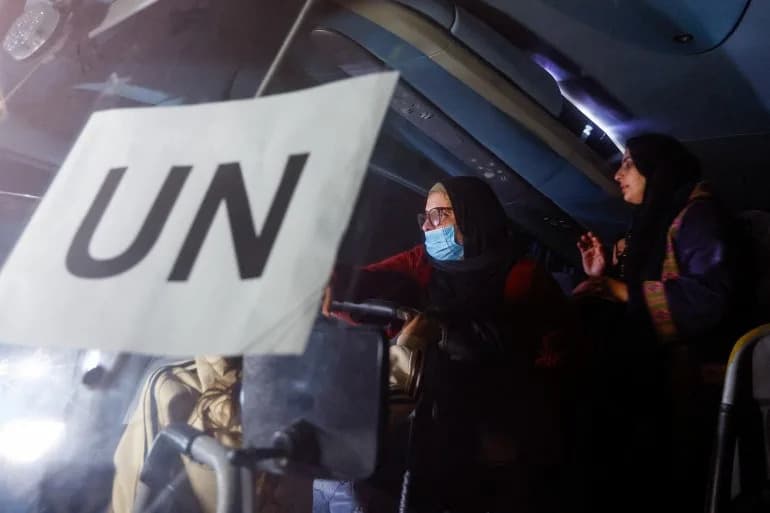
Twenty-five Palestinians returned to the Gaza Strip through the Rafah crossing after its long-awaited, partial reopening, describing an exhausting journey and what they called humiliating security procedures imposed by Israeli forces. At the same time, patients with urgent medical needs were being moved toward the border for evacuation abroad.
Returnees Describe Harrowing Arrival
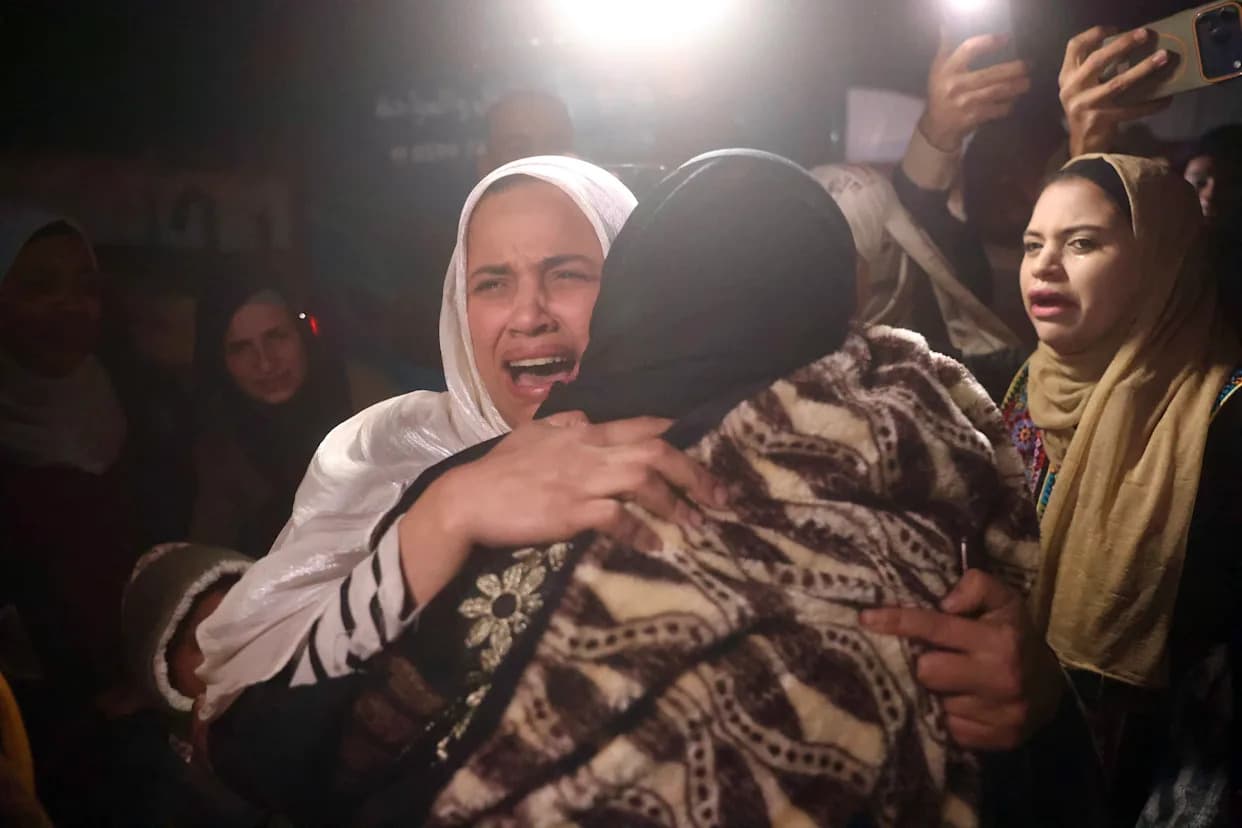
The group of 25 — the third cohort to re-enter Gaza since Rafah’s tightly controlled reopening — arrived at the crossing at about 3:00am local time (01:00 GMT) and were transported by bus to Nasser Hospital in Khan Younis more than 20 hours after departing El Arish, Egypt. Several returnees told Al Jazeera and Reuters they faced prolonged screening, including interrogation and verbal abuse, as they passed Israeli security controls.
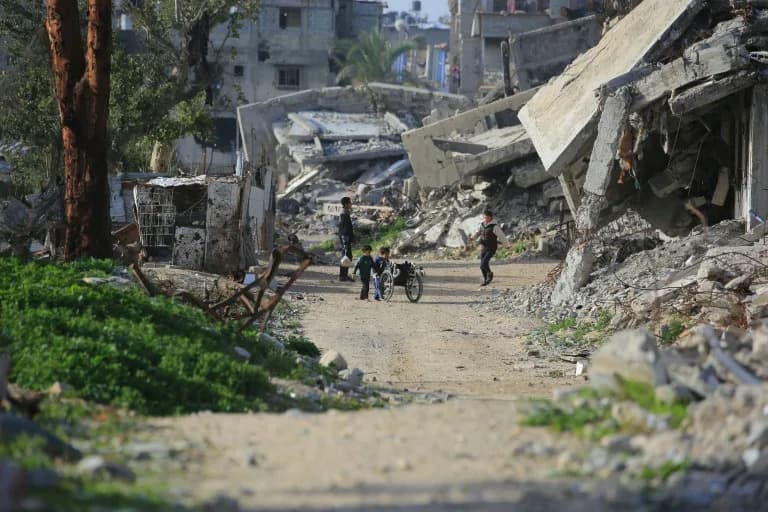
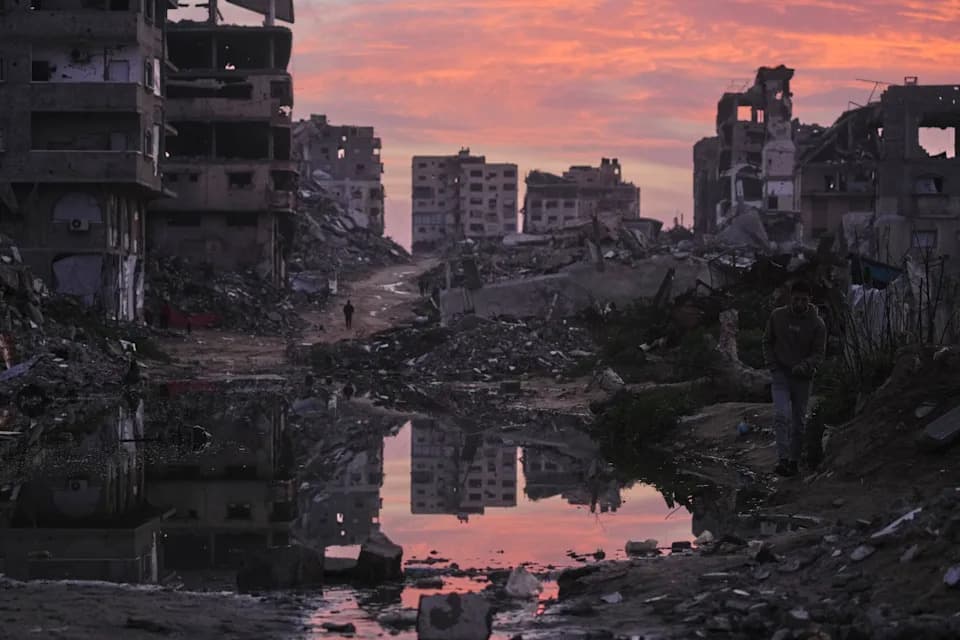
“The feeling is like being caught between happiness and sadness,” Aicha Balaoui told Reuters. “I’m happy to be back and to see my family... But I also feel sad for my country after seeing the destruction.”
Medical Evacuations Fall Short
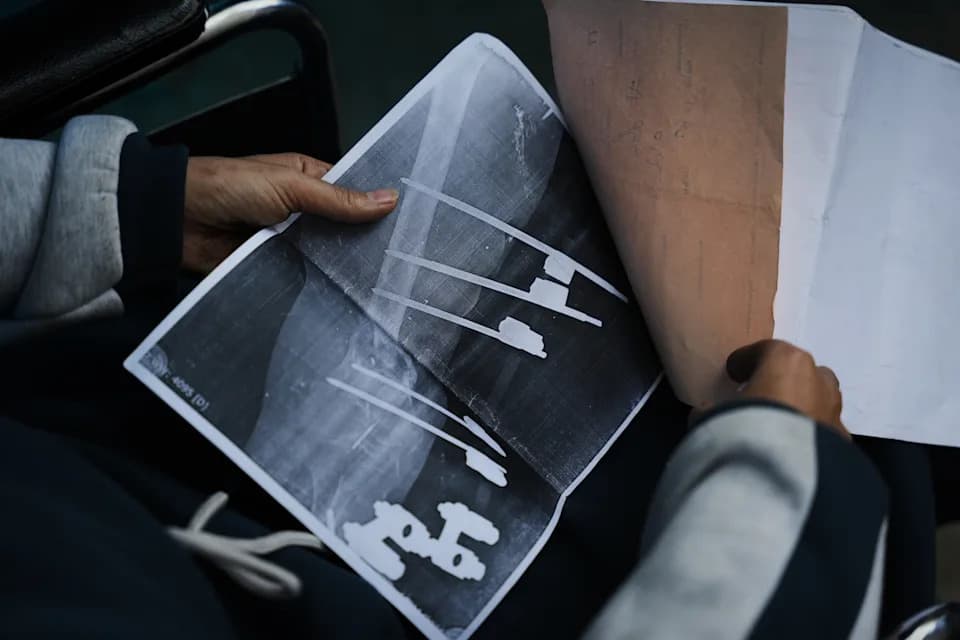
Hours after the returnees arrived, 13 Palestinian patients — accompanied by family members and World Health Organization (WHO) officials — were moved from a Khan Younis hospital toward Rafah for medical transfer abroad. Families said they received late-night phone calls instructing them to prepare; Israeli authorities briefly suspended coordination of the evacuations before resuming hours later.
Under the US-brokered ceasefire terms, the Rafah crossing is to allow former residents to return and permit daily medical evacuations. The agreement envisaged evacuating up to 50 patients per day, each accompanied by two family members, but only about 30 people in total had been transferred so far this week — far below the pledged pace. Aid workers warn that at the current rate, meeting the needs of roughly 20,000 Gazans who require treatment outside the Strip could take years.
Ongoing Violence and Humanitarian Impact
Despite the partial reopening, Israeli strikes and military operations continued across Gaza. Wafa reported that a Palestinian man was killed by Israeli forces in Bani Suheila, east of Khan Younis, on Thursday. Al Jazeera teams also documented air strikes east of Deir el-Balah and east of Khan Younis, and reported heavy shelling, gunfire and air strikes in eastern Tuffah, Gaza City — an area described as effectively trapped between front lines.
Healthcare System Under Strain
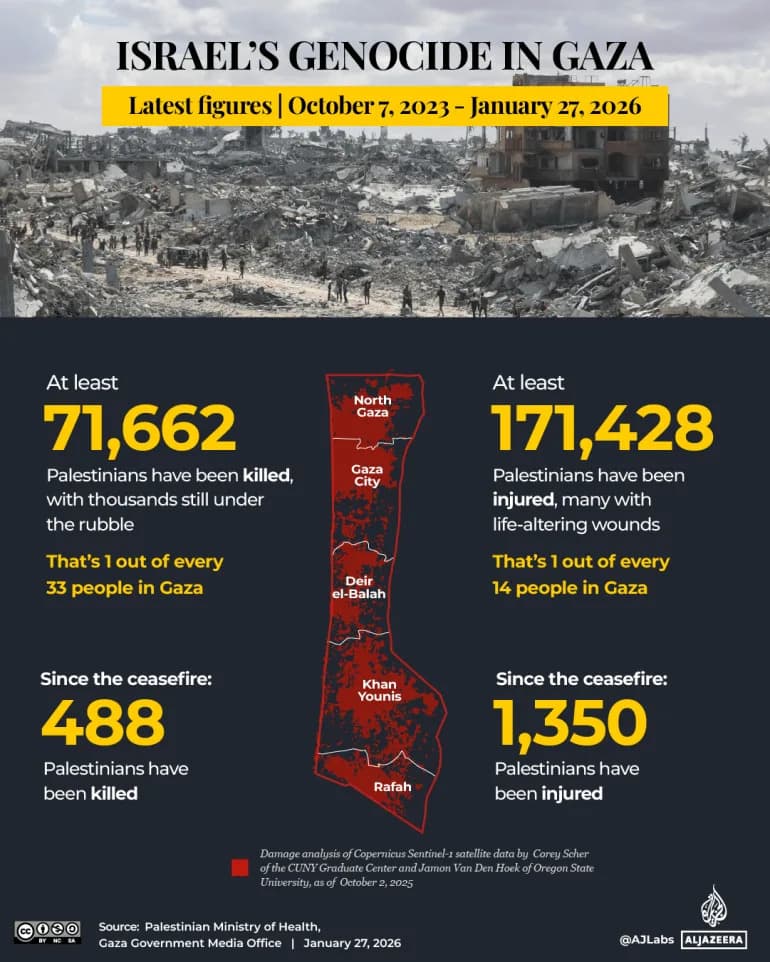
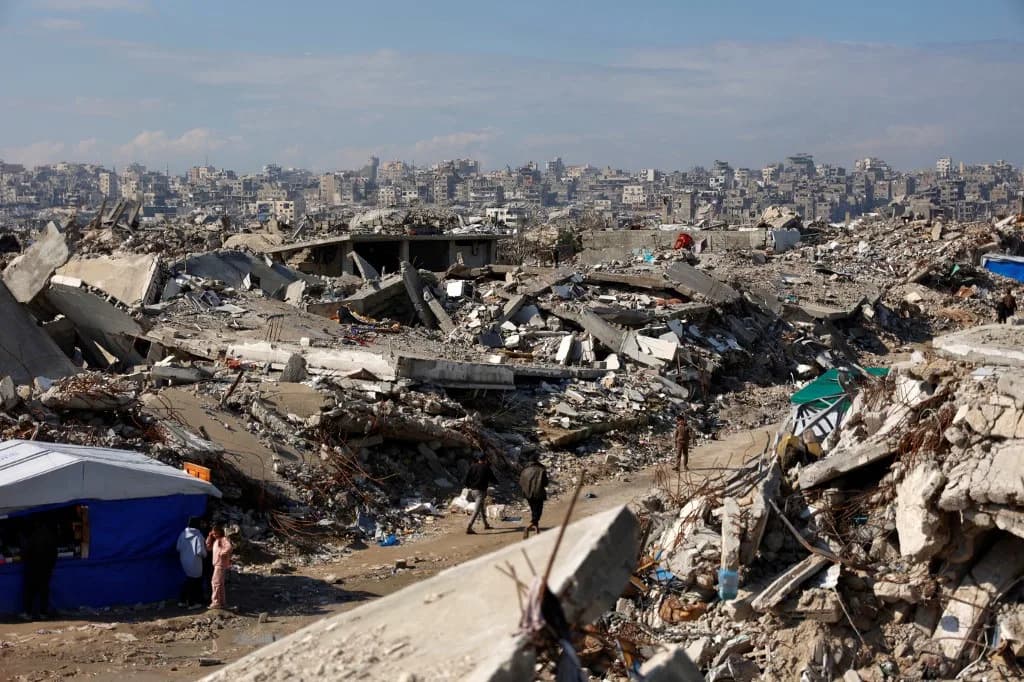
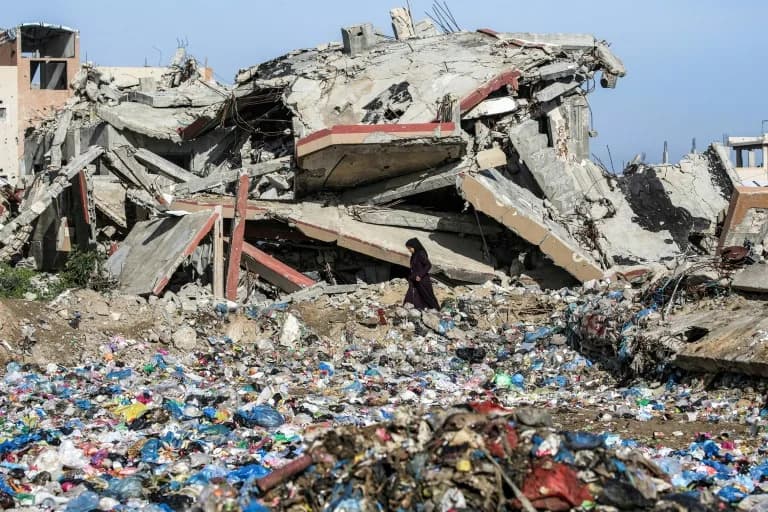
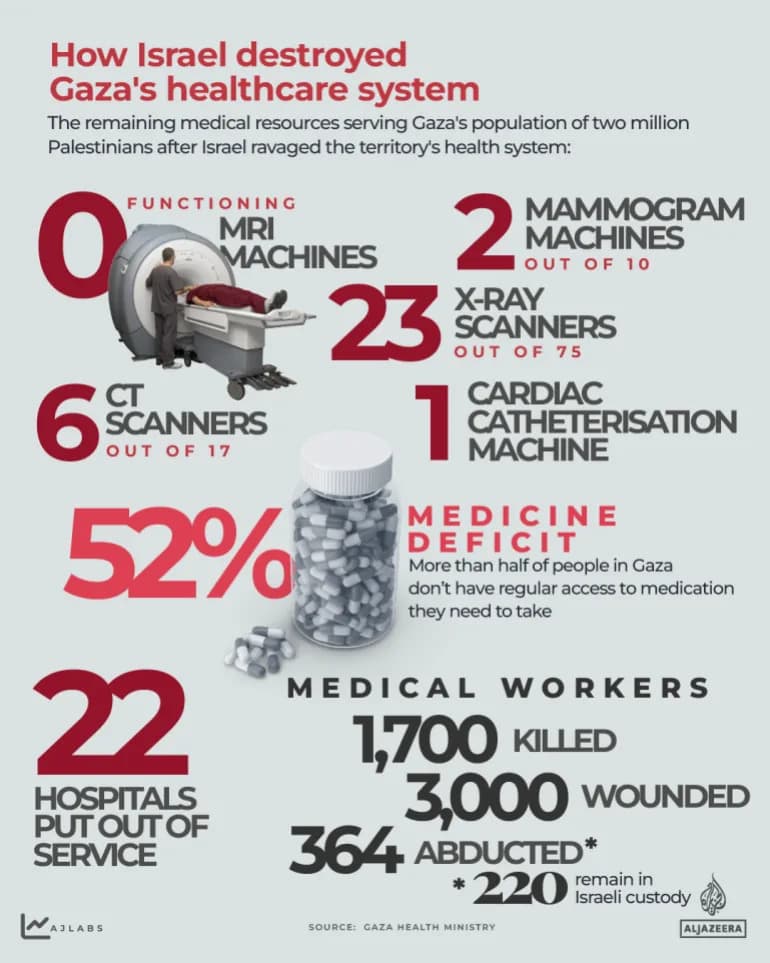
The Palestinian Ministry of Health reports that Gaza’s health sector has been devastated by the conflict: 22 hospitals are out of service and about 1,700 medical workers have been killed. Humanitarian groups and local officials say the slow pace of medical evacuations compounds an already critical situation for patients in need of immediate care.
International Concerns
Humanitarian organisations, including the International Commission to Support Palestinian People’s Rights (ICSPR) and the WHO, have criticized the strict vetting procedures at Rafah, saying they turn a humanitarian lifeline into a mechanism of control. Returnees’ accounts of restraints, blindfolding and full-body searches have fuelled further concerns about the conduct of screening at the crossing.
What to Watch Next: Whether Rafah’s throughput will increase to meet the agreed evacuation targets, whether security screening procedures will be adjusted, and whether violence across the Strip will subside enough to allow safe, sustained humanitarian operations.
Help us improve.