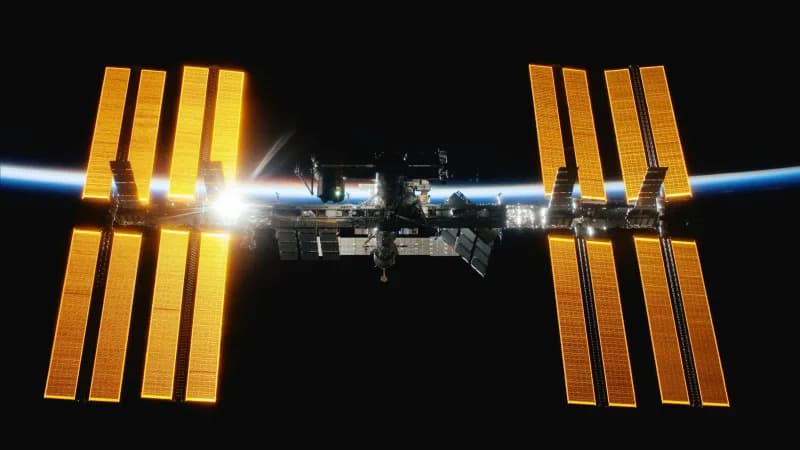
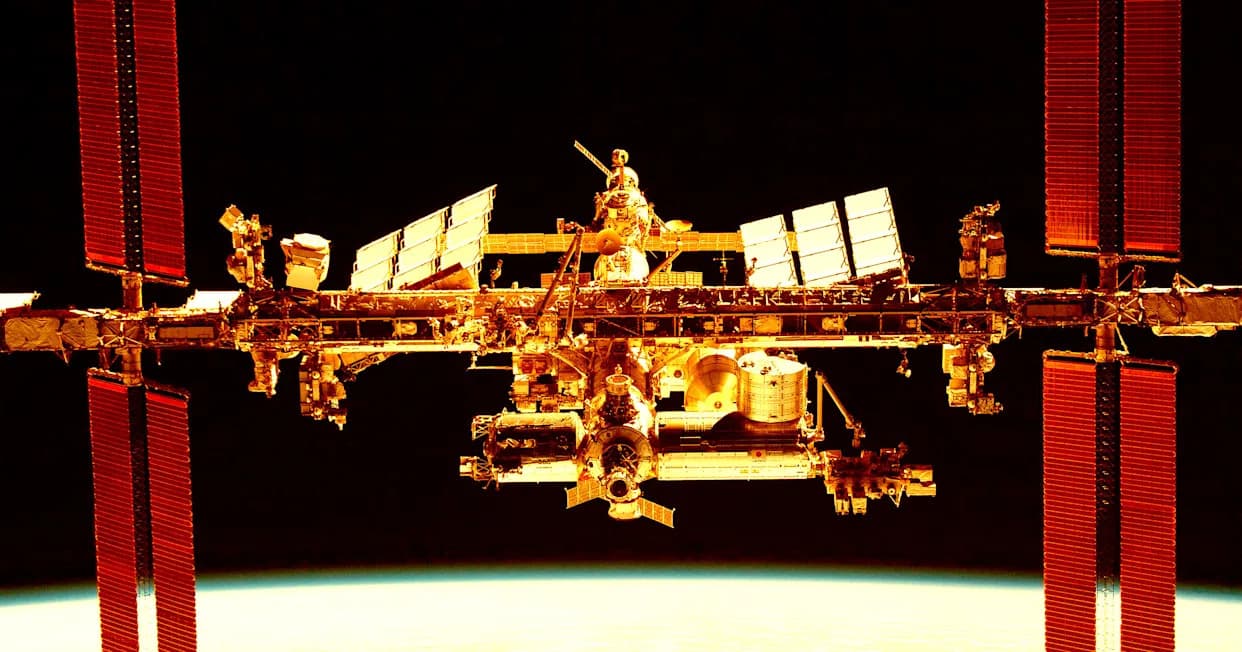
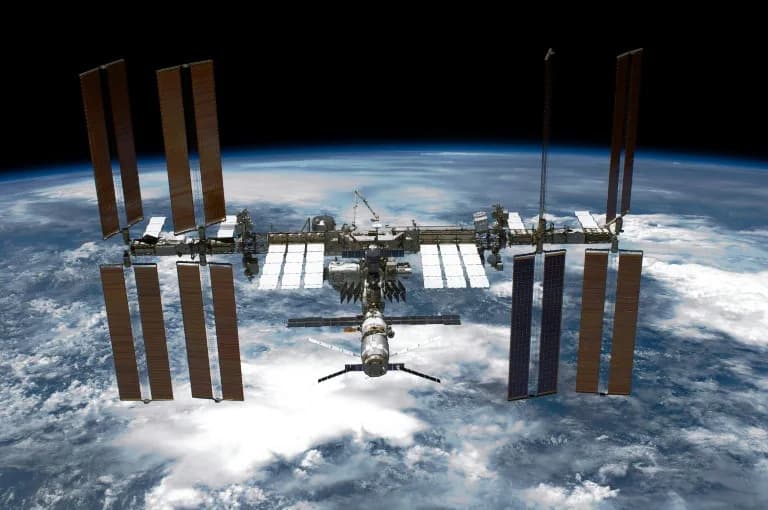
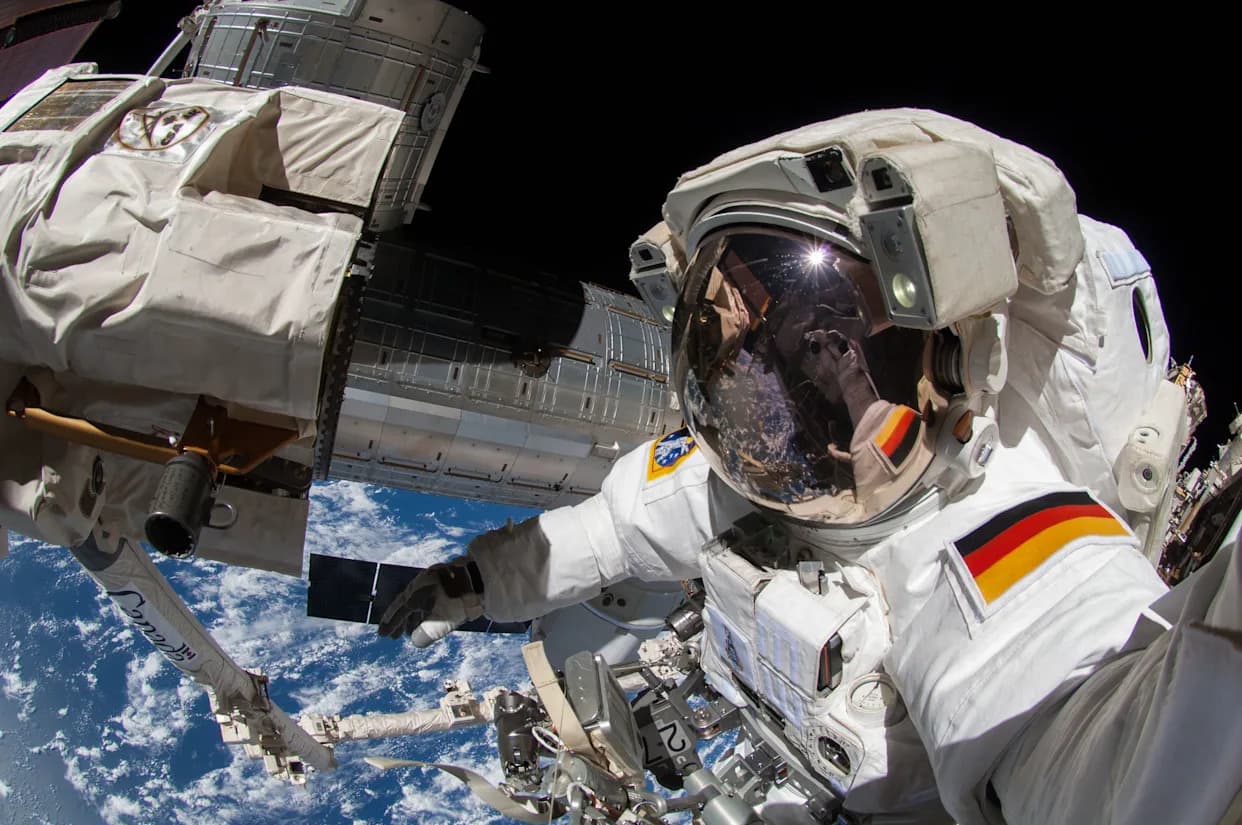
On the International Space Station astronauts use a specially designed vacuum toilet with a funnel-and-hose for urination and a small, raised seat for defecation. Handholds and footholds help crew stay in place while a fan-driven vacuum prevents waste and odors from floating in microgravity. Urine is recycled into drinking water, while most solid waste is sealed and removed aboard cargo vehicles that burn up on reentry. Improvements made in 2018 increased comfort, hygiene, and reliability for long-duration missions.
How Astronauts Use the Bathroom in Space — The Science of Toilets on the ISS
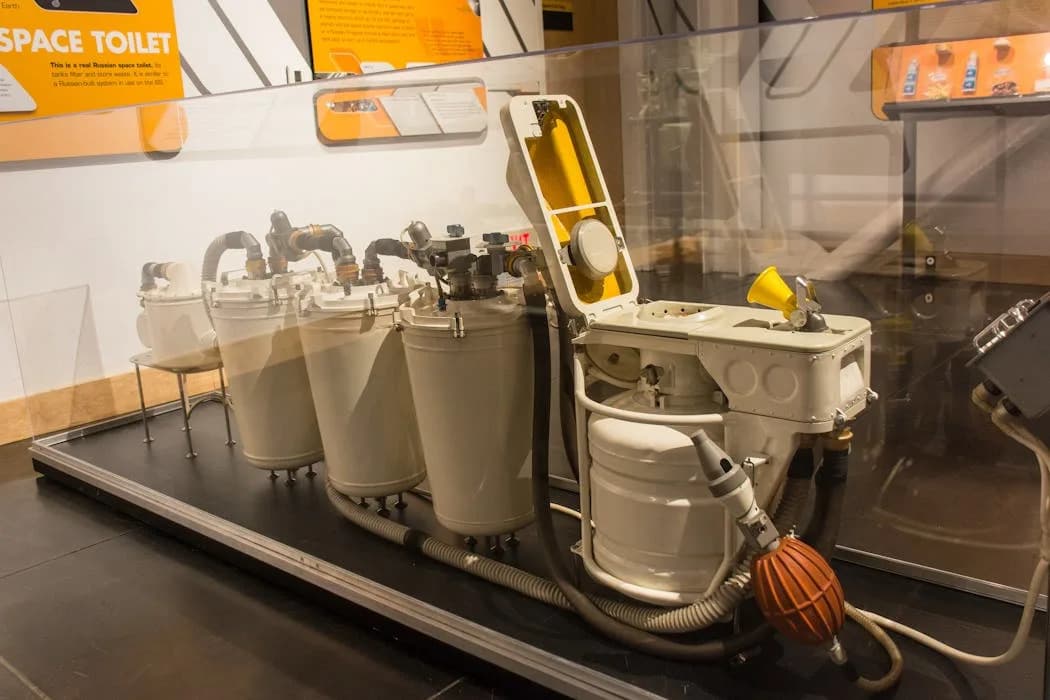
Toilets in space are a bit more complicated than those on Earth.Don DeBold via Wikipedia,CC BY-ND
On Earth, gravity pulls waste away from the body and down the drain. In microgravity, however, tiny droplets and loose material can float away — creating health risks and damaging sensitive equipment. Space toilets solve this problem with careful design and suction.
Why Gravity Matters
Gravity keeps urine and feces contained in a bowl on Earth. Without it, astronauts must rely on air flow and secure seals to control waste. That is why spacecraft bathrooms use vacuum systems and straps so nothing can float free.
A Short History
In 1961, Alan Shepard became the first American in space. His mission was intended to be brief, and planners had not provided a way for him to urinate. When a launch delay lasted more than three hours, Shepard was allowed to urinate inside his pressure suit and returned to Earth in damp underwear — an early reminder that human needs must be planned for in space.
By the early 2000s the International Space Station had an onboard toilet, but the initial design had limitations: it required standing to urinate and was awkward for women, and astronauts had to use thigh straps to stay seated for bowel movements. In 2018 NASA paid about US$23 million for an upgraded toilet to improve comfort, hygiene, and reliability.
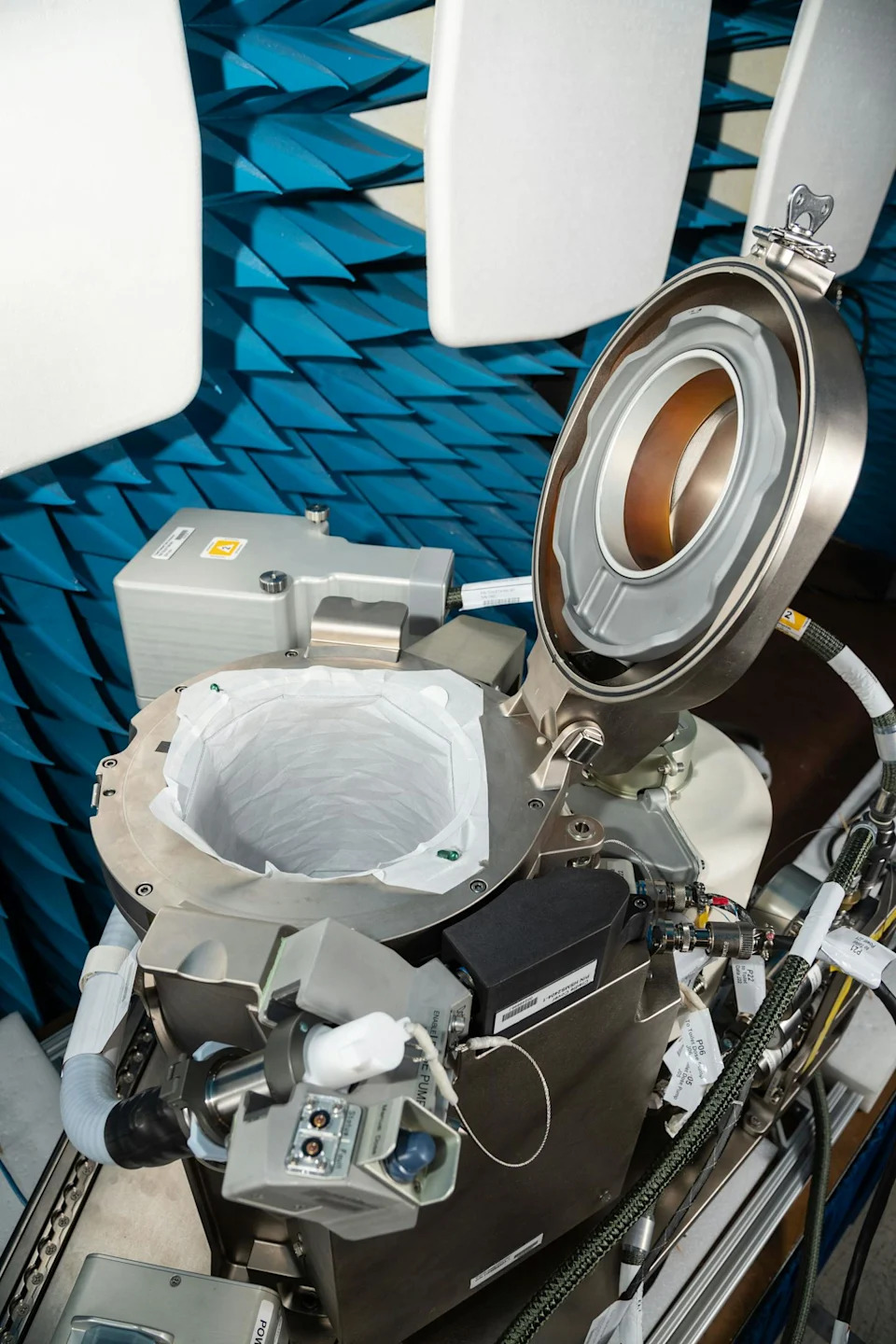
The new toilet is more comfortable, easier to use for both men and women, and lighter.NASA/James Blair via Wikimedia Commons
How the ISS Toilet Works
The modern ISS toilet is a vacuum toilet with two main parts: a funnel-and-hose assembly for urination and a small raised seat for defecation. The bathroom is equipped with many handholds and footholds so crew members can lock themselves into position and avoid drifting while they use the facilities.
For urine, astronauts place the funnel against their body and hold it in place; a fan creates suction that channels the urine into storage tanks. For feces, they sit on a smaller-than-home toilet seat that helps form a tight seal; as soon as the lid is opened the vacuum system activates to pull solids and odors away and into a sealed container.
What Happens to the Waste
Urine is more than 90% water, and water is heavy and expensive to lift from Earth. The ISS reclaims most urine and converts it into potable water through filtration and purification systems — a process summed up by the joking phrase 'today’s coffee is tomorrow’s coffee.'
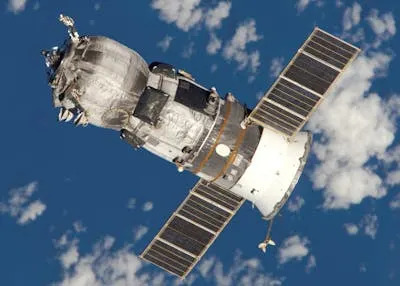
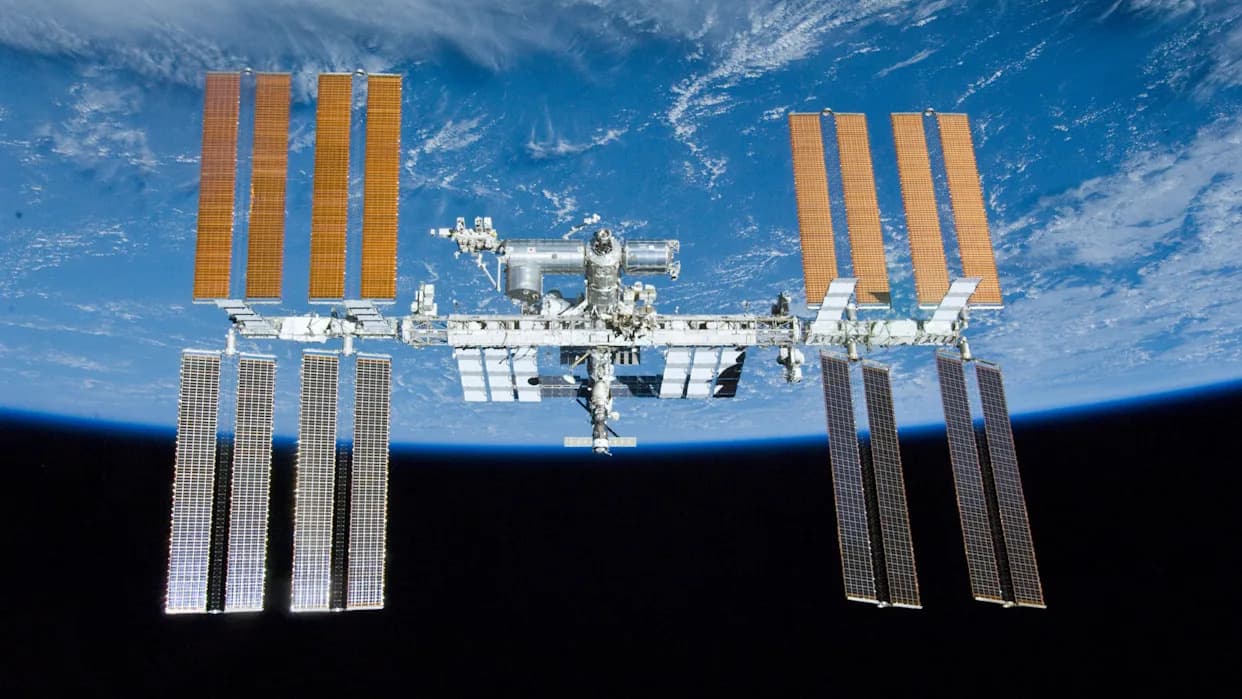
Russian Progress spacecrafts bring supplies to the ISS and take on trash and waste, which is then burned up in the atmosphere with the spacecraft.NASA/Wikimedia Commons
Solid waste handling varies: some stool samples are returned to Earth for scientific study, but most solid waste, used wipes, and gloves are sealed in bags and stored in disposable cargo vehicles. Those vehicles are released from the station and directed to burn up on reentry into Earth’s atmosphere, removing the trash from orbit.
Why It Matters
Designing effective, hygienic toilets is essential for long-duration spaceflight and living on other worlds. Reliable waste systems protect crew health, preserve equipment, conserve water, and keep spacecraft habitable — all critical for missions to the Moon, Mars, and beyond.
Hello, curious readers! If you have a question you’d like an expert to answer, send it with your name, age and city to CuriousKidsUS@theconversation.com.
This article is based on a Curious Kids piece by Tracy K. P. Gregg, University at Buffalo, republished from The Conversation.
Help us improve.