New MRI-based research finds that months in microgravity both shift whole-brain position and deform brain tissue, especially in motor and sensory regions. Scans comparing 26 astronauts and 24 ground-based controls show upward and rearward brain displacement in flyers, linked to in-flight disorientation, motion sickness and postflight balance problems. Most changes and symptoms tend to resolve within about six months, but longer missions produce larger effects—raising concerns for Artemis lunar stays and future Mars missions.
Time in Space Reshapes Astronauts' Brains — What That Means for Moon and Mars Missions

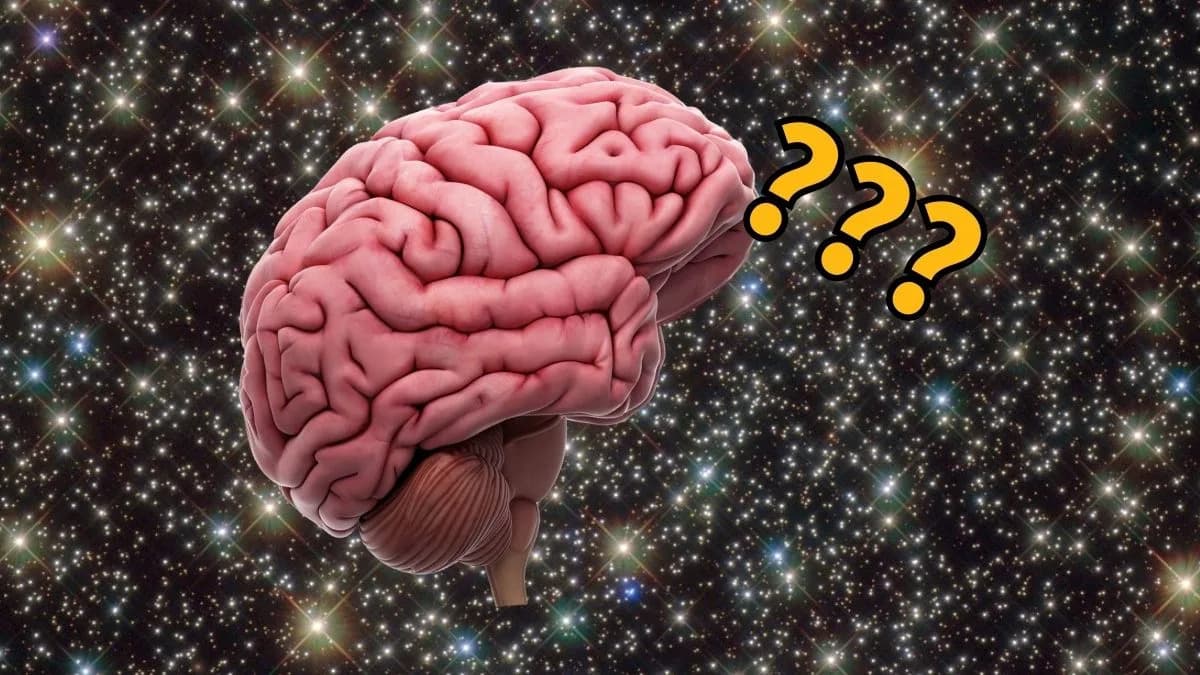
image of the human brain - Nur Alam Graphics/Shutterstock
New research shows months in microgravity can both shift the brain's position inside the skull and deform brain tissue—especially in regions that control movement and process sensory input.
A multinational team of seven researchers from institutions including the University of Florida, the German Aerospace Center and NASA Johnson Space Center published their paper in the Proceedings of the National Academy of Sciences (PNAS) in January 2026: "Brain displacement and nonlinear deformation following human spaceflight." The study builds on earlier work showing the brain moves within the skull during spaceflight and goes further by demonstrating that brain tissue itself undergoes measurable, region-specific deformation.

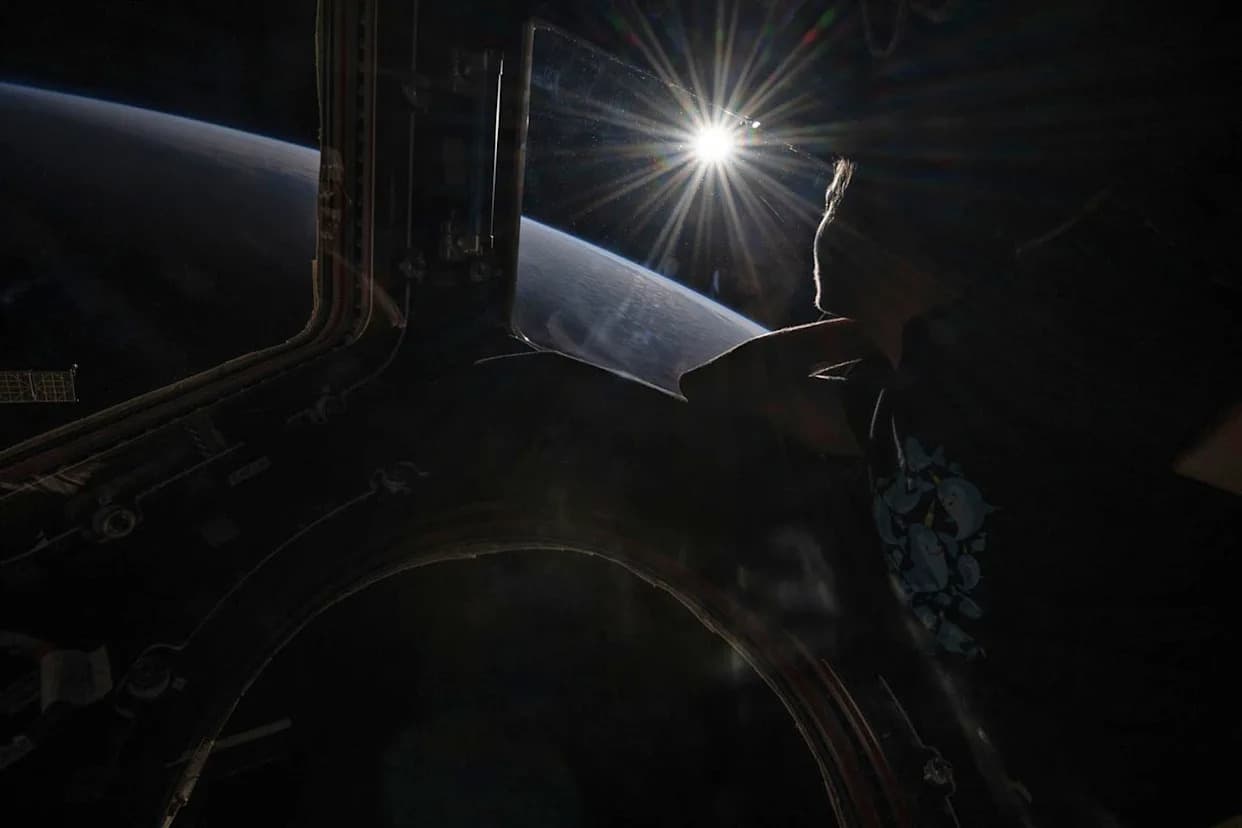
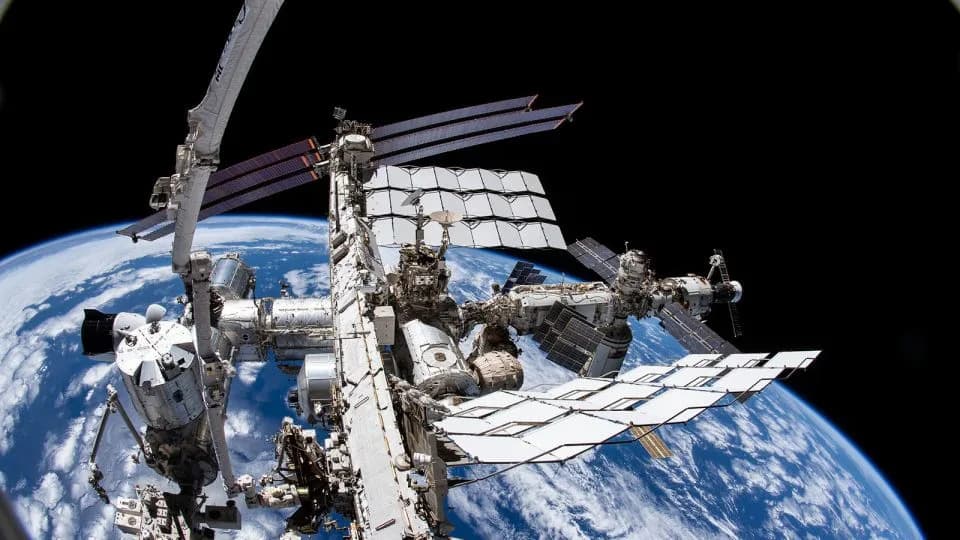
the ISS in space above Earth - Alones/Shutterstock
How the Study Was Done
The researchers used magnetic resonance imaging (MRI) to compare scans from 26 astronauts who flew in microgravity with 24 matched participants who completed a ground-based simulation that mimicked aspects of spaceflight without actual travel. The comparison allowed the team to separate effects produced by true microgravity from those caused by other factors such as bed-rest or sensorimotor changes on Earth.
Main Findings
Astronauts showed a predominant upward and rearward (up-and-back) displacement of the whole brain, while ground-based controls tended to show a stronger backward-only shift. Deformation was not uniform: the largest tissue changes occurred in areas important for movement coordination and sensory processing. These structural shifts correlated with commonly reported spaceflight symptoms: disorientation and motion sickness during flight, and balance problems after landing.
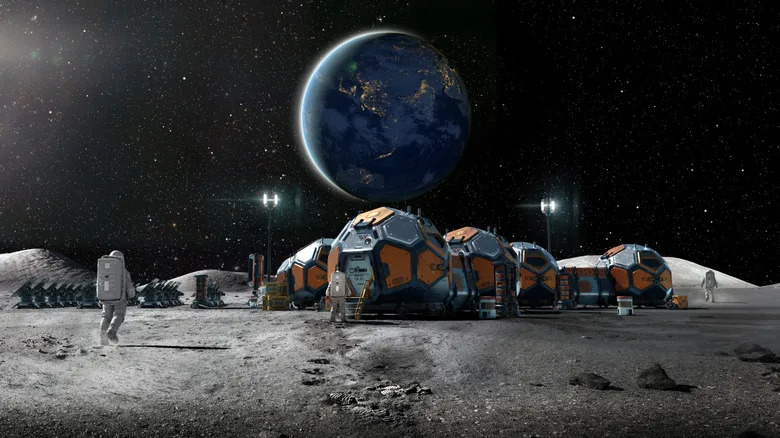
concept image of astronauts around a space colony on the moon - Peepo/Getty Images
Recovery and Duration Effects
Importantly, most astronauts' brain-shape changes and related symptoms diminished after return to Earth, with many resolving within roughly six months. However, the magnitude of deformation correlated with mission duration: longer stays in microgravity produced larger effects. The authors also noted prior findings that cerebrospinal fluid (CSF) spaces can expand during spaceflight and may take years to return to preflight size, and they referenced a 2024 study that reported measurable cognitive changes after as little as three days in microgravity.
Why This Matters
These results raise important questions for long-term human presence off Earth. If crews spend months or years on lunar bases or en route to Mars, chronic brain deformation could affect sensory processing, balance, and the ability to perform complex, high-risk tasks. Growing interest in commercial spaceflight and space tourism also broadens the population potentially exposed to these risks.
Next Steps and Mitigations
Researchers recommend longitudinal studies that map how fast deformation appears and resolves, whether repeated exposures have cumulative effects, and which countermeasures (artificial gravity, exercise regimens, vestibular training, or other interventions) are most effective. Identifying individual vulnerability factors and improving in-flight monitoring will be important to protect crew health and operational performance on future Artemis missions and deep-space expeditions.
Bottom line: Microgravity can displace and deform brain tissue in ways that affect movement and sensation. Most changes appear reversible within months, but longer missions amplify the effect, making this a priority area for research before humans undertake prolonged exploration or settlement off Earth.
Help us improve.