Democratic governors must decide whether to opt into a federal scholarship tax credit that starts Jan. 1, 2027 — a choice that could influence 36 gubernatorial races this fall. Colorado Gov. Jared Polis has opted in; several other Democratic governors have declined. Supporters argue the $1,700 federal credit will expand resources for families and enjoys broad public backing, while critics warn of weak state oversight, targeting challenges and discrimination risks. Most governors are waiting for IRS guidance before acting.
Democratic Governors Face High-Stakes Choice Over New Federal Scholarship Tax Credit

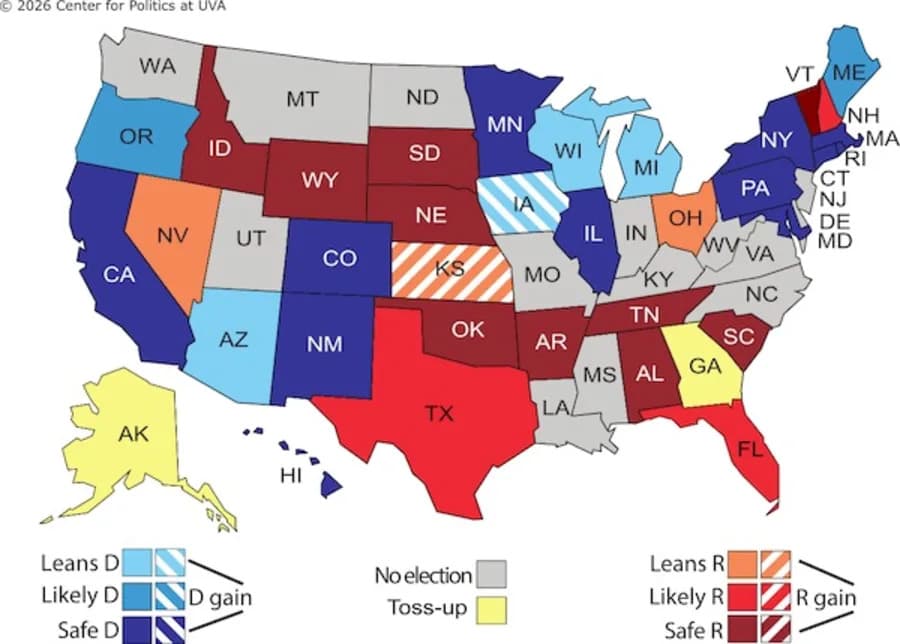
As 2026 begins, Democratic governors across the United States face a consequential decision: whether to opt their states into a new federal scholarship tax credit that takes effect on Jan. 1, 2027. The choice carries political and policy implications, particularly with 36 gubernatorial races on the ballot this November.
What the Program Does
Congress approved the program in 2025. It offers a $1,700 federal tax credit to donors who contribute to organizations that provide scholarships for private school tuition, tutoring, after-school programs and other education-related services for families with incomes up to 300% of their area’s median income. The Internal Revenue Service is drafting implementing guidance, and states must opt in to make their students eligible for scholarship dollars.
Where Governors Stand
Colorado Gov. Jared Polis surprised many in December by becoming the first Democratic governor to say he will opt his state into the program. Several other Democratic governors — including Oregon’s Tina Kotek, New Mexico’s Michelle Lujan Grisham and Wisconsin’s Tony Evers — have publicly declined to opt in. Ten Republican governors have already opted in or announced plans to do so. North Carolina Gov. Josh Stein vetoed an opt-in bill but indicated he may join after reviewing IRS rules.
Arguments For Opting In
Advocates and some Democratic strategists argue the program is both politically and practically attractive. Jorge Elorza, CEO of Democrats for Education Reform (DFER), says the credit is a “political lifeline” for Democrats who want to reframe K–12 policy and respond to voter concerns about education. He notes that, because the tax credit is federal, donors in participating states can claim the credit while children in nonparticipating states would be excluded from scholarships unless state leaders opt in.
John Schilling, a school-choice advocate, emphasizes the program’s additive nature: the credit directs private resources to families and students without reducing existing federal or state K–12 funding. The law also permits public-school students to receive scholarship money for tutoring and after-school programs, which proponents say broadens the benefit.
Concerns and Reasons for Caution
Critics and many education policy experts urge caution. Thomas Toch of Georgetown University’s FutureEd warns that governors should wait for the IRS rules before deciding, particularly because the ability to target scholarships to the lowest-income students and to oversee private providers remains unclear.
There are civil-rights concerns as well. Jon Valant of the Brookings Institution calls the tax credit a potential “backdoor voucher program” that could leave states with limited control over private schools’ admissions and policies, raising the risk of discrimination, including against LGBTQ students. Teacher unions and progressive advocates are expected to press governors — especially in left-leaning states — to reject participation.
Public Opinion And Political Stakes
Supporters point to polling showing broad public support: DFER reported 64% of voters favor their governor opting in (including a majority of Democrats), while polling cited by EdChoice and Morning Consult finds roughly 65% of adults and 75% of school parents back tax-credit scholarship programs. Yet recent ballot losses for pro–school-choice measures in Colorado, Kansas and Nebraska in 2024 demonstrate political vulnerability and give opponents examples to mobilize against the credit.
What Comes Next
For now, many governors are taking a wait-and-see approach pending IRS guidance. State leaders say they need clarity on eligibility, interaction with existing programs, oversight standards and civil-rights protections before deciding. As governors weigh the political calculus, the central question will be whether voters want a bold shift in how education resources are delivered or prefer a more cautious path that maintains stronger public oversight.
“The devil is in the details,” Thomas Toch said, urging careful scrutiny of program rules before states commit.
Help us improve.