Colorado Governor Jared Polis has announced he will opt the state into a federal tax-credit scholarship program that could channel private donations into scholarships for tuition, tutoring, and enrichment. The program offers taxpayers a dollar-for-dollar federal tax credit for donations to qualifying scholarship organizations and does not require state funds. Supporters say it can expand opportunities without costing the state; opponents warn it risks diverting resources from public schools and lacks accountability. Final participation requires Treasury rules and submission of eligible organizations, and a future governor could reverse the decision.
Polis Says Colorado Will Opt Into Federal Tax-Credit Scholarship Program, Sparking Debate Over School Choice
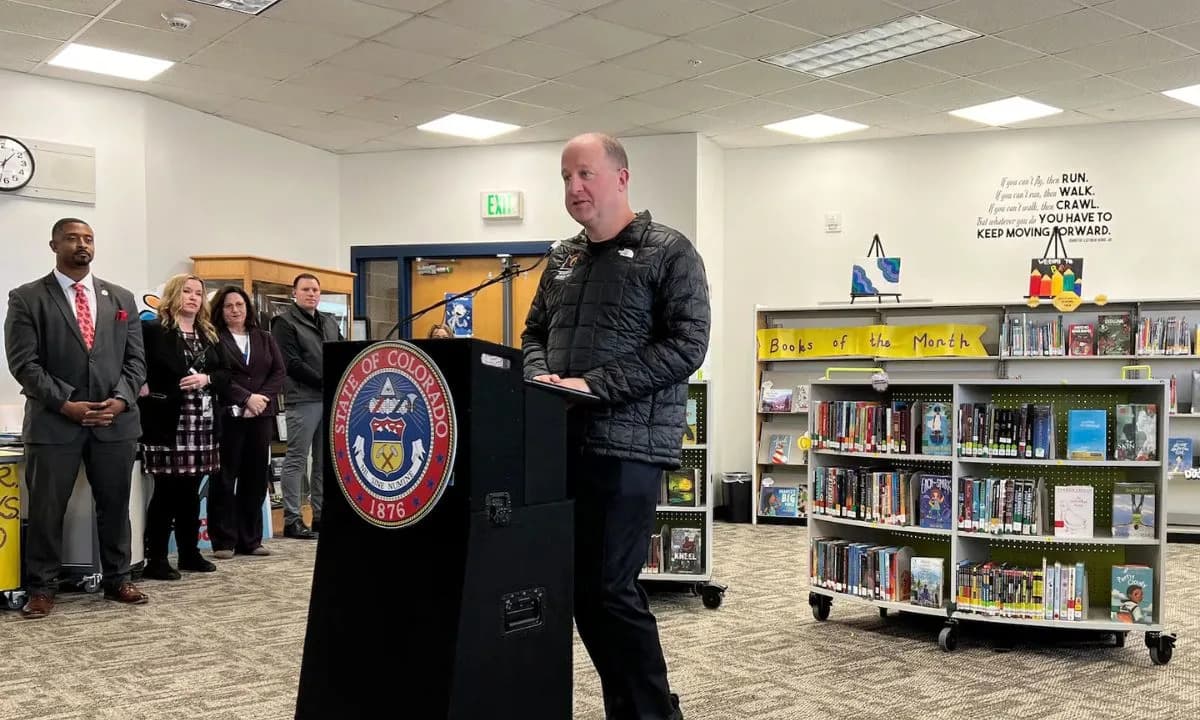
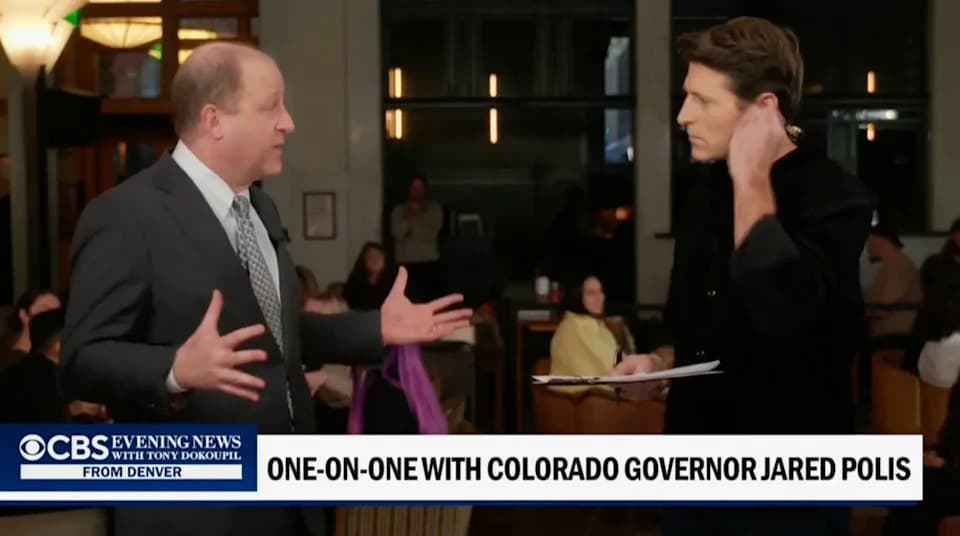
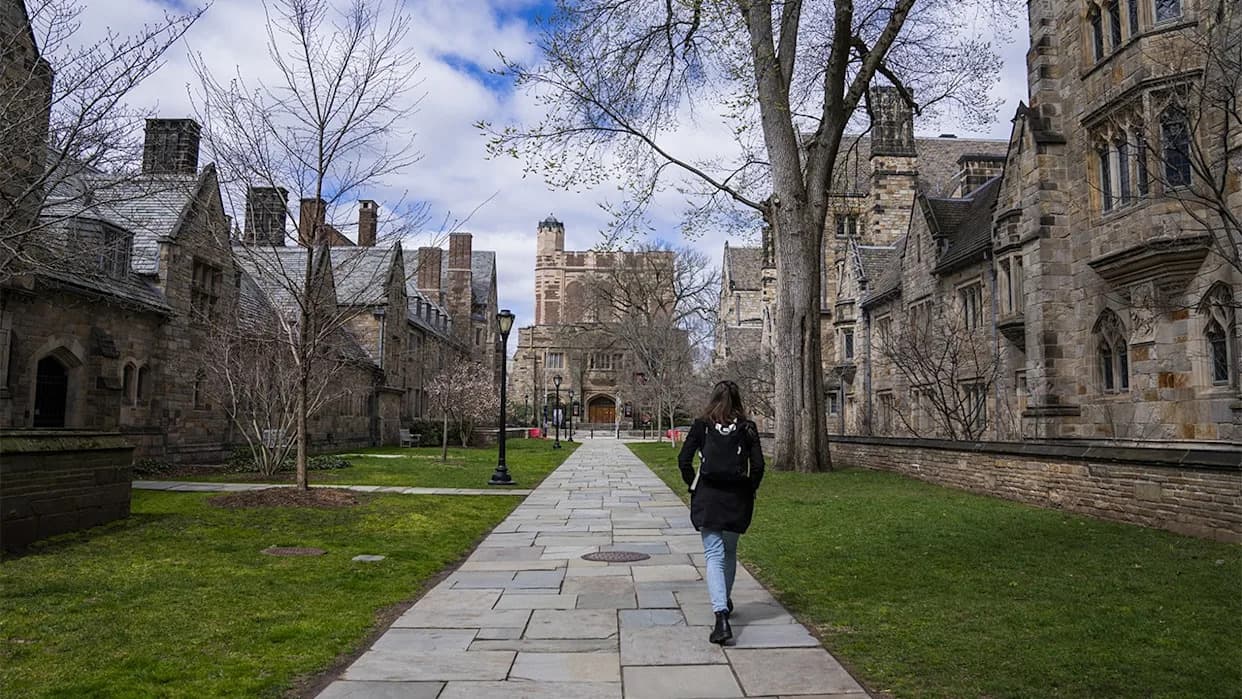
Colorado Governor Jared Polis announced his intention to opt the state into a new federal tax-credit scholarship program, a move that could steer large private donations toward education expenses — from private school tuition to tutoring, after-school programs, and summer enrichment.
What Polis Announced
Polis' office said the governor will present Colorado as a participating state once the U.S. Treasury finalizes regulatory guidance for the program. Polis' announcement does not immediately activate the program; states must later submit a roster of eligible scholarship-granting organizations to the Treasury to participate.
How the Program Works
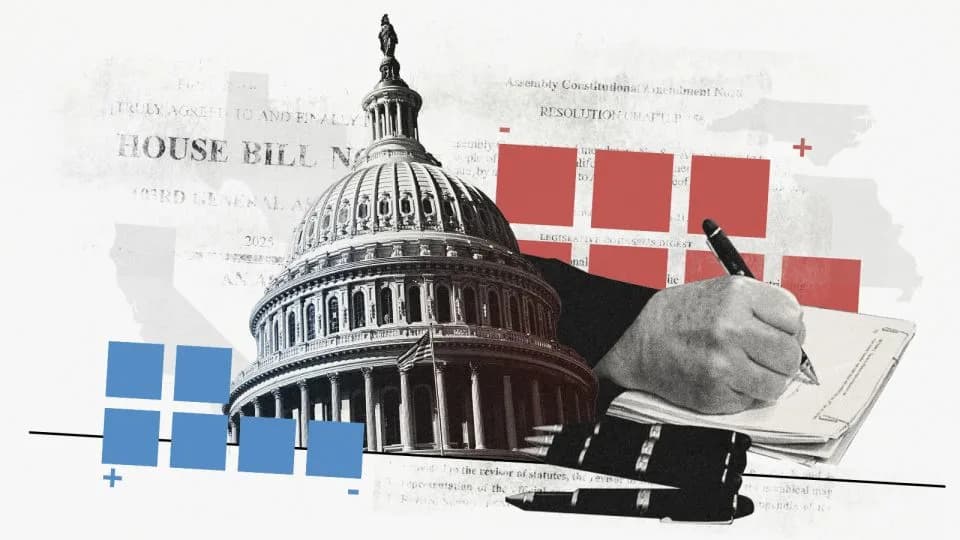
The federal law offers taxpayers a dollar-for-dollar federal tax credit if they donate to qualifying scholarship-granting organizations (SGOs). Those organizations then distribute scholarships that families can use for a range of educational expenses, including private school tuition, books, transportation, uniforms, tutoring, and enrichment activities. Beginning in 2027, individual taxpayers may claim up to a $1,700 credit, according to the law.
The program does not require state matching funds. Eligibility for scholarship support would extend to families earning up to 300% of area median income — a threshold that may include relatively affluent families in high-cost urban areas while potentially excluding middle-class households in lower-cost rural communities.
Supporters' Arguments
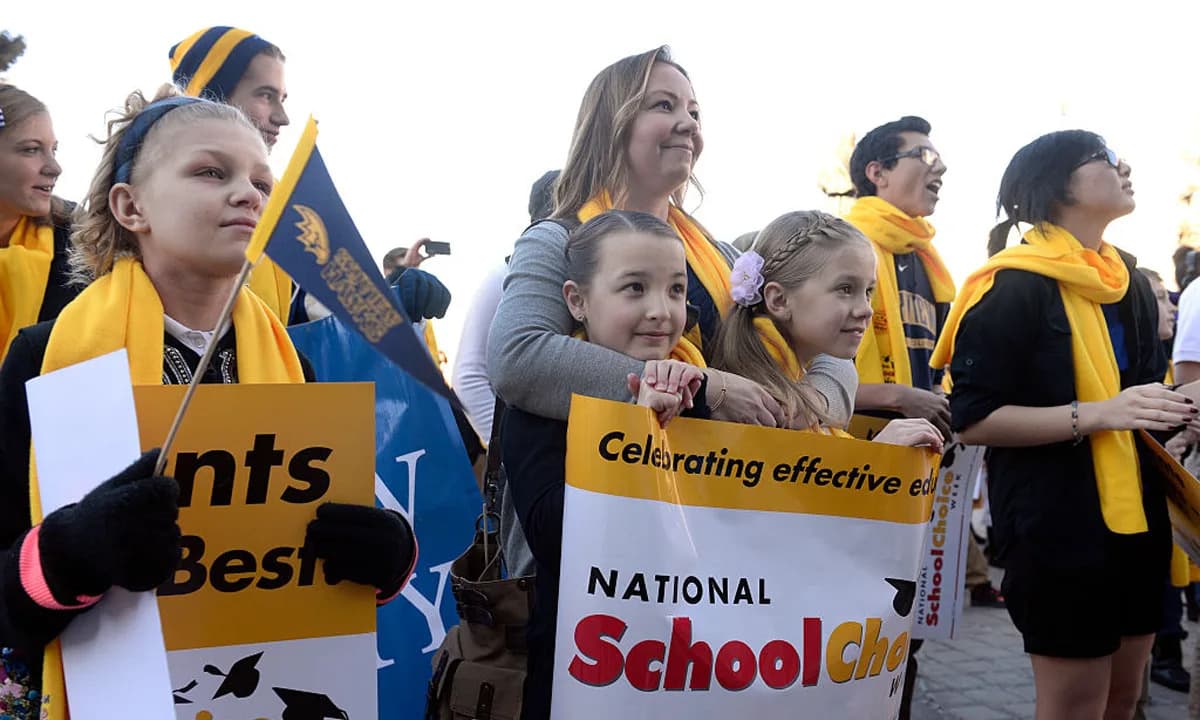
Supporters — including school-choice advocates, some conservative groups, and organizations focused on student enrichment — said the program could raise millions for Colorado students without drawing on state budgets. Shelby Wieman, a Polis spokesperson, said the governor would not have voted for the underlying budget bill but does not want to leave hundreds of millions in federal-backed donations unused. She said Polis hopes to work with districts and stakeholders to direct funds toward evidence-based programs that supplement the school day.
'This tax credit creates an immense opportunity for Coloradans to support students in our state, but only if we opt in,' Wieman said in a Dec. 5 statement.
Tony Lewis, executive director of the Donnell-Kay Foundation, said he hopes the Treasury's rules will allow SGOs to fund a broad array of activities — from sports and theater classes to after-school and summer programs — arguing that opting in preserves opportunities to benefit public-school students as well.
Opposition and Concerns
A coalition of public-school advocates, led by Great Education Colorado and joined by groups such as the Colorado Education Association, Colorado PTA, the Colorado Fiscal Institute, Movimiento Poder, and The Bell Policy Center, urged Polis to reconsider. Their December letter argued the program risks diverting private dollars away from public schools, lacks sufficient public accountability, and could enable discrimination against students with disabilities or LGBTQ+ students.
Critics pointed to Colorado voters' recent rejections of ballot measures related to school choice and education funding — including the defeat of Amendment 80 in 2024 — as a reason to respect public sentiment against voucher-style policies.
What Happens Next
Polis' declaration is a formal intention rather than an immediate implementation: Colorado can only submit eligible organizations once the Treasury issues final rules. The decision is also reversible — Polis is term-limited, and a future governor could change the state's participation. The final impact will depend on federal regulations, how SGOs operate, and choices by state and local education leaders.
Why It Matters
The tax-credit scholarship program presents a test case for how federal incentives can change education funding outside of direct state appropriations. Proponents see a way to expand options and fill funding gaps for enrichment; opponents worry it may weaken public schools and reduce transparency and equal access.
Reporting note: This story summarizes statements from the governor's office, public statements by advocacy groups, and policy details of the federal law as of early December. The program's final shape will depend on forthcoming federal rules and administrative decisions.
Help us improve.