
State governments must make major budget and policy decisions in 2026 after a federal law shifts more costs and responsibilities for Medicaid and SNAP to states. SNAP administrative costs will increasingly fall on states and, beginning in late 2027, states with error rates above 6% could share benefit costs. Medicaid work requirements must be in place by January 2027 in most states, and the law's tax changes give states a choice about conforming their income tax codes.
Trump’s 2024 Law Forces States Into Major 2026 Choices On Medicaid, SNAP And Taxes

President Donald Trump listens as Centers for Medicare & Medicaid Services administrator Dr. Mehmet Oz speaks during an executive order signing in the Oval Office of the White House, Thursday, Dec. 18, 2025, in Washington. (AP Photo/Evan Vucci)(ASSOCIATED PRESS)
State governments face consequential budget and policy choices in 2026 after a sweeping federal law signed by President Donald Trump last year shifts significant responsibilities and costs to states. Lawmakers and governors will need to balance protecting health and food assistance for vulnerable residents with the rising costs of complying with new federal rules.
What Changed—and Why It Matters
The law transfers greater administrative and programmatic responsibility to states for Medicaid and the Supplemental Nutrition Assistance Program (SNAP), while also creating a suite of temporary federal tax changes that states may choose to adopt. Many of the new requirements take effect within the next two years, forcing states to make budget decisions in legislative sessions beginning in January.
SNAP: Higher Administrative Burdens And Possible Benefit Liability
The Supplemental Nutrition Assistance Program helps roughly 42 million Americans buy food. In fiscal year 2024, federal SNAP benefit payments totaled about $94 billion, while federal funding for SNAP administrative costs was roughly $6 billion.
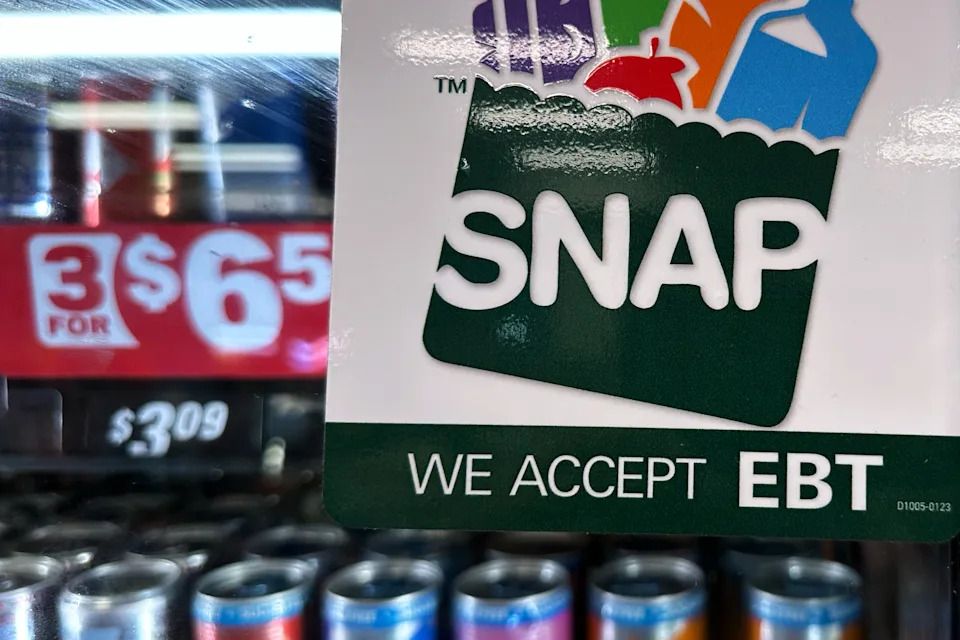
FILE - SNAP EBT information sign is displayed at a gas station in Riverwoods, Ill., Saturday, Nov. 1, 2025. (AP Photo/Nam Y. Huh, file)(ASSOCIATED PRESS)
Under the new law, beginning Oct. 1 states must assume 75% of SNAP administrative costs, a shift that will increase state budgets' exposure to running the program. Additionally, starting in late 2027, states with SNAP payment error rates above a 6% threshold may be required to share some of the costs of benefits that were improperly issued — typically when households continue receiving benefits after their incomes increase.
States are already responding. California has allocated $84 million to reduce SNAP errors and support county compliance. In Florida, advocates estimate the added administrative burden could cost about $50 million a year, while scenarios in which a state must cover benefit costs could approach $1 billion annually. Lawmakers across the country are pressing federal officials for clarity on how error rates will be measured and enforced.
Medicaid: Work Requirements, Implementation Costs And Coverage Risks
The law imposes work requirements on certain adults covered by Medicaid. Most states must implement those requirements by January 2027, although governors and legislatures may move sooner. Nebraska, for example, has announced a May start for its work requirements.

FILE - Nebraska Gov. Jim Pillen greets state senators before giving a speech on June 2, 2025, in Lincoln, Neb. (Justin Wan/Lincoln Journal Star via AP, File)(ASSOCIATED PRESS)
Implementing the new rules requires significant upfront investment. Missouri's Department of Social Services requested roughly $33 million for technology upgrades and more than $12 million to hire the equivalent of about 120 staff to handle increased eligibility checks and reporting. These kinds of expenses will appear in many 2026 state budgets.
The Congressional Budget Office projects the suite of Medicaid changes will lower federal Medicaid spending by about $911 billion through 2034 and increase the number of uninsured Americans by roughly 10 million over that period. To reduce costs, some states may narrow eligibility, reduce benefits (for example, home care, dental services or coverage of some GLP-1 drugs), or cut provider reimbursement rates as Colorado and Idaho have done. The District of Columbia has already narrowed eligibility in a policy that took effect Jan. 1.
Rural hospitals and other providers are likely to feel pressure. The federal law includes about $50 billion in support for hospitals over five years, but states will decide how to allocate any federal pass-through funding they receive.

FILE - A canning jar filled with money sits on a shelf in East Derry, N.H., June 15, 2018. (AP Photo/Charles Krupa, File)(ASSOCIATED PRESS)
Taxes: States Decide Whether To Conform
The federal law temporarily exempts tips and overtime pay from federal income tax, adds new deductions for some seniors and certain borrowers, and includes a range of corporate tax breaks. States can decide whether to conform their own income tax codes to these federal changes. In some states, conformity occurs automatically; in others, legislatures must act.
Michigan has voted to adopt the federal exclusions for tips and overtime. Arizona officials have signaled they plan to conform when their legislature meets in January. Governors and lawmakers will weigh the political and fiscal trade-offs of adopting these federal tax breaks at the state level.
What States Must Do Next
With many legislatures convening in January, state leaders will need to:
- Estimate the new administrative and program costs for SNAP and Medicaid in upcoming budgets.
- Decide whether to use state funds to backfill federal reductions or rescind benefits and eligibility.
- Determine whether to conform state tax codes to new federal tax breaks and, if so, whether to adopt them fully or partially.
Tim Storey, CEO of the National Conference of State Legislatures, summarized the challenge: "There's a big storm coming for state budgets — the radar is clear — and it's going to hit almost every state. It's going to mean some hard choices."
Bottom Line
The new federal law will reshape state fiscal responsibilities on food aid, health coverage, and taxation. States that plan carefully and clarify implementation details can reduce disruption, but many will confront difficult trade-offs between preserving services and balancing budgets in 2026 and beyond.
Help us improve.


