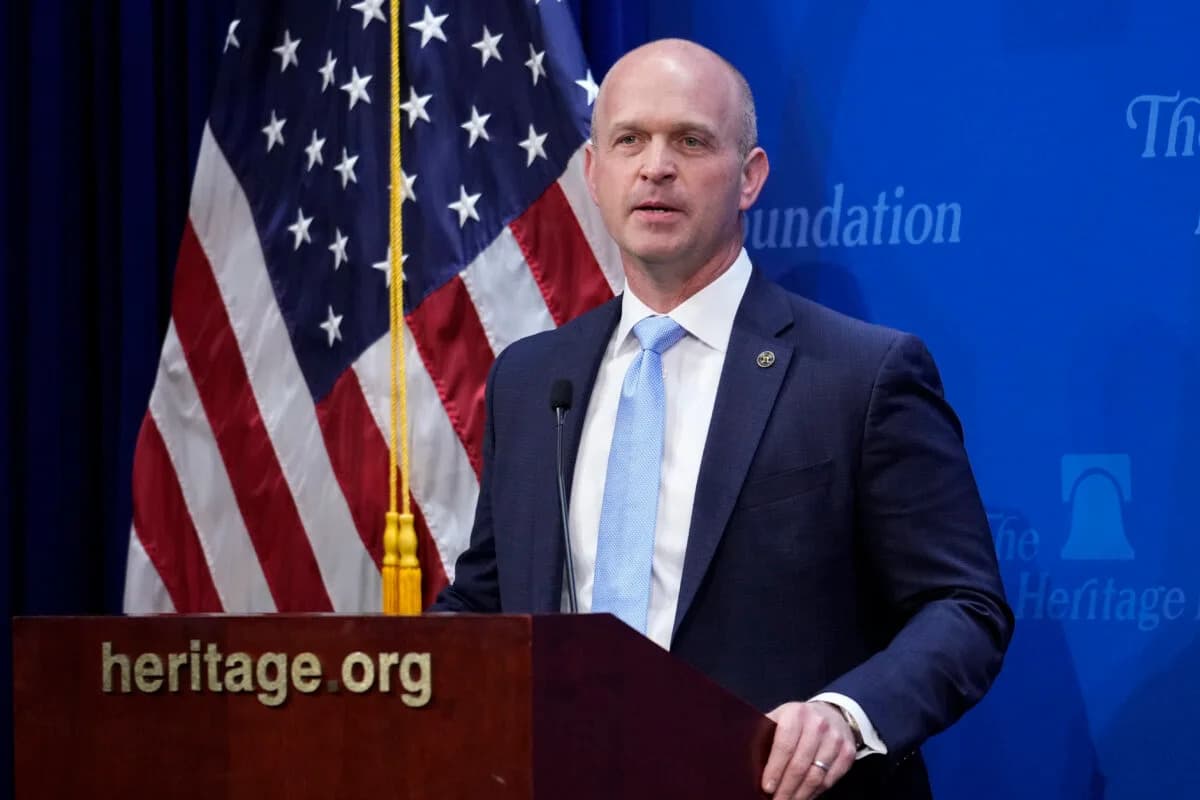
The Heritage Foundation published a detailed report urging the federal government to prioritize marriage and family formation, proposing measures such as a "marriage bootcamp," a "universal day of rest," discouragement of online dating and executive orders to assess federal policy impacts on families. The plan calls for tax and education reforms to avoid penalizing marriage and recommends measuring how grants and regulations affect family formation. Critics applaud attention to food insecurity and childcare but reject proposals that privilege married biological parents or limit access to IVF outside marriage.
Heritage Foundation Urges U.S. To Put Marriage and Family Formation At Center of Federal Policy
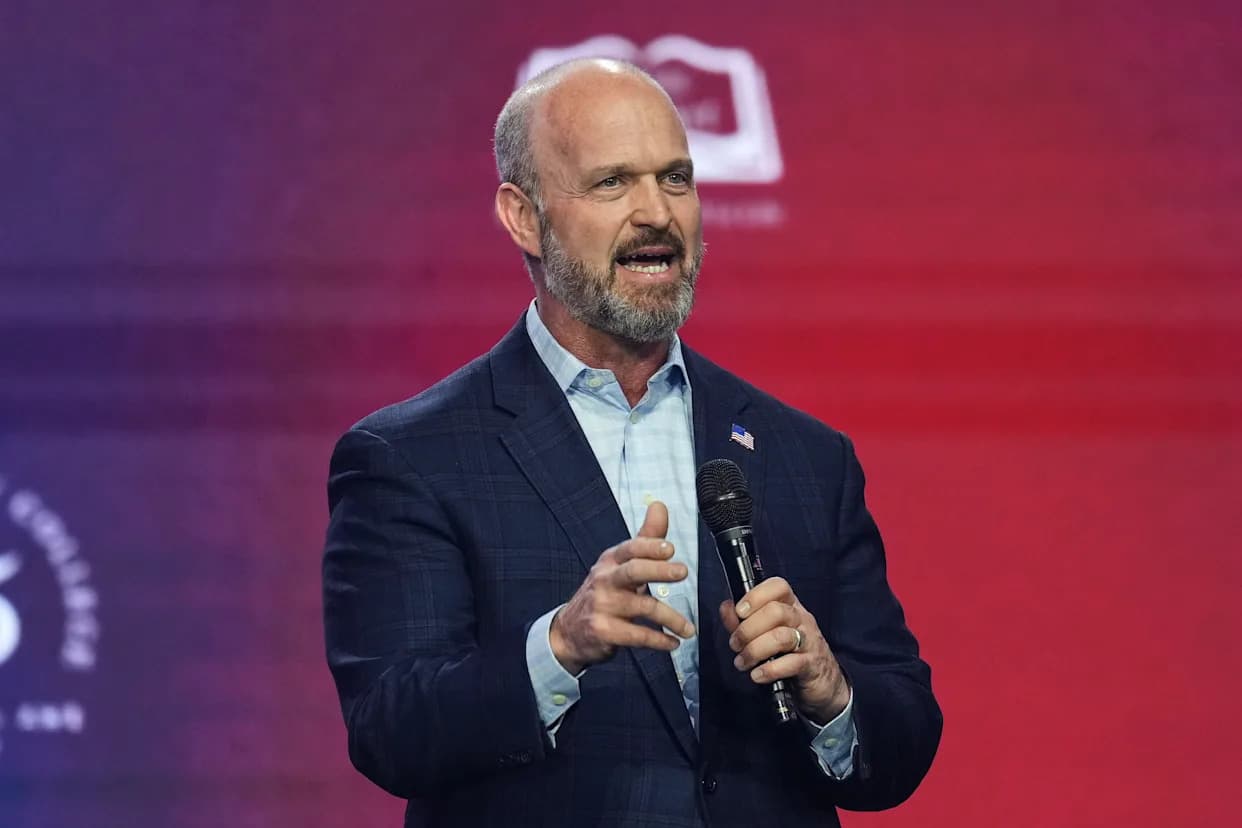
Kevin Roberts, president of The Heritage Foundation, speaks during Turning Point USA's AmericaFest 2025, Friday, Dec. 19, 2025, in Phoenix. (AP Photo/Ross D. Franklin)
The Heritage Foundation, a conservative think tank, released a policy report urging the federal government to make marriage and family formation a clear national priority. Published Thursday and first reported by The Washington Post, the blueprint lays out a range of proposals—some cultural, some regulatory—intended to strengthen family formation and reduce incentives for delayed or out-of-wedlock childbearing.
Key Proposals
The report recommends several specific measures, including a federally promoted "marriage bootcamp" to prepare cohabiting couples for marriage, a proposed "universal day of rest" modeled on traditional blue laws, and discouragement of online dating on the grounds that some research links online meeting to lower marriage rates. It also urges changes in tax and education policy so that they do not "penalize marriage" or push young people to delay family formation while accumulating credentials.
An Expanded Role for Government
Lead author Roger Severino, Heritage’s vice president for economic and domestic policy, argues the federal government should "encourage and protect the formation of families, not mere fertility." The paper calls for executive orders requiring every federal grant, contract, regulation, research project and enforcement action to "explicitly measure how it helps or harms marriage and family," to block actions that discriminate against family formation, and to prefer actions that support family creation.
IVF, Fertility Benefits and Administration Actions
The report acknowledges benefits of in vitro fertilization (IVF) for people facing infertility but argues against extending IVF access outside marriage, calling a "babies-at-all-costs mentality" costly in financial, moral and social terms. That stance comes as the Biden successor administration has already issued measures intended to reduce IVF costs and clarify employer fertility benefits. In his first month in office, President Trump signed an executive order seeking recommendations to lower IVF out‑of‑pocket costs, and in October the administration issued guidance to allow employers to offer fertility benefits separate from major medical plans; a negotiated drug-price deal with EMD Serono was also announced to lower certain fertility medication costs.
Political Context and Reactions
The full plan highlights Heritage's evolution from small-government roots toward a more interventionist, populist-right agenda, echoing ideas from Project 2025 that have influenced the current administration. The report arrives amid controversy at Heritage: last year, President Kevin Roberts drew criticism after defending commentator Tucker Carlson's interview with far-right activist Nick Fuentes, prompting high-profile resignations.
Reactions to the family-first recommendations were mixed. Eric Rosswood, author of Journey to Parenthood and a same-sex parent, said he agrees with the report's attention to food insecurity and childcare shortages but strongly rejected proposals that would channel subsidies primarily to married biological parents. "Children are due a family that provides for them—roof, meals, schooling and support—regardless of the parents' genders or genetics," Rosswood said.
What Comes Next
Heritage urged the White House to adopt its recommendations; the report noted the White House did not immediately comment on the paper or indicate collaboration with Heritage. The proposals—if pursued—could reshape how federal programs evaluate family outcomes, affect tax and education policy, and influence debates over fertility care and parental benefits ahead of the midterm cycle.
Sources: The Heritage Foundation report; The Washington Post; interviews and public statements cited in the report.
Help us improve.