Legal, administrative and medical challenges are complicating efforts to restrict school sports by biological sex. Cases in Idaho, Florida, Arizona and Nevada highlight disputes over third-party verification, costly testing proposals and physician refusals to certify gender. The Biden-era Title IX interpretation remains in force amid litigation, and the Supreme Court may ultimately decide how state mandates interact with federal civil-rights obligations.
Sex-Separated Sports Hit Legal, Privacy and Medical Roadblocks — Enforcement Questions Could Decide Outcomes
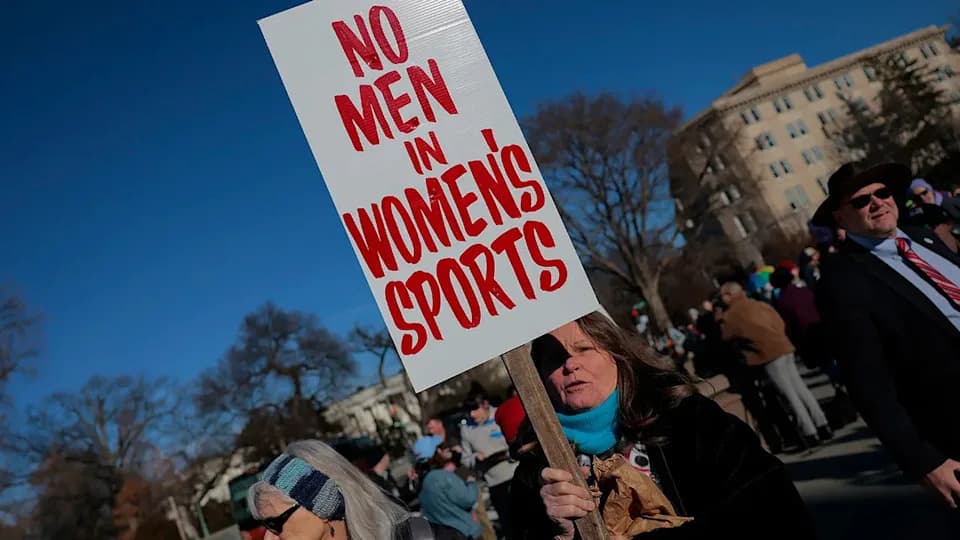
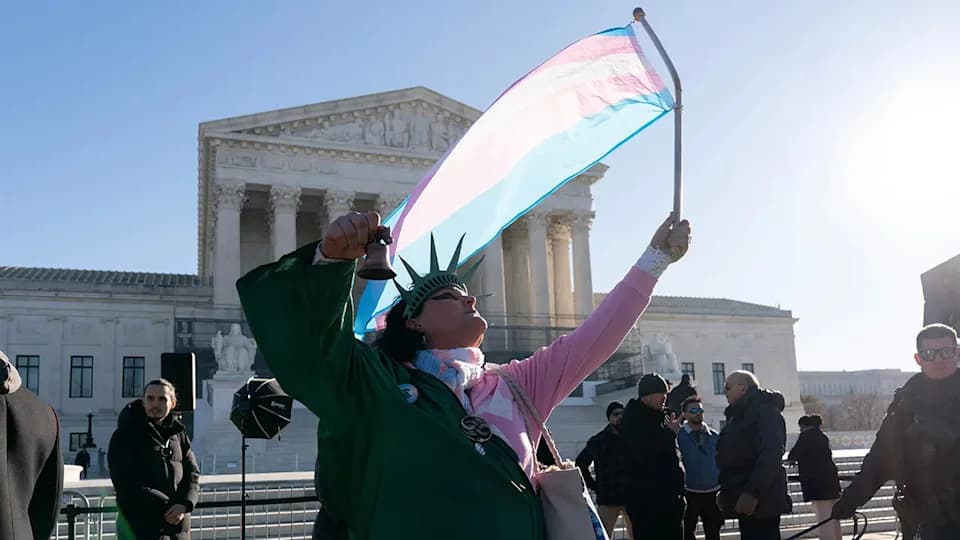
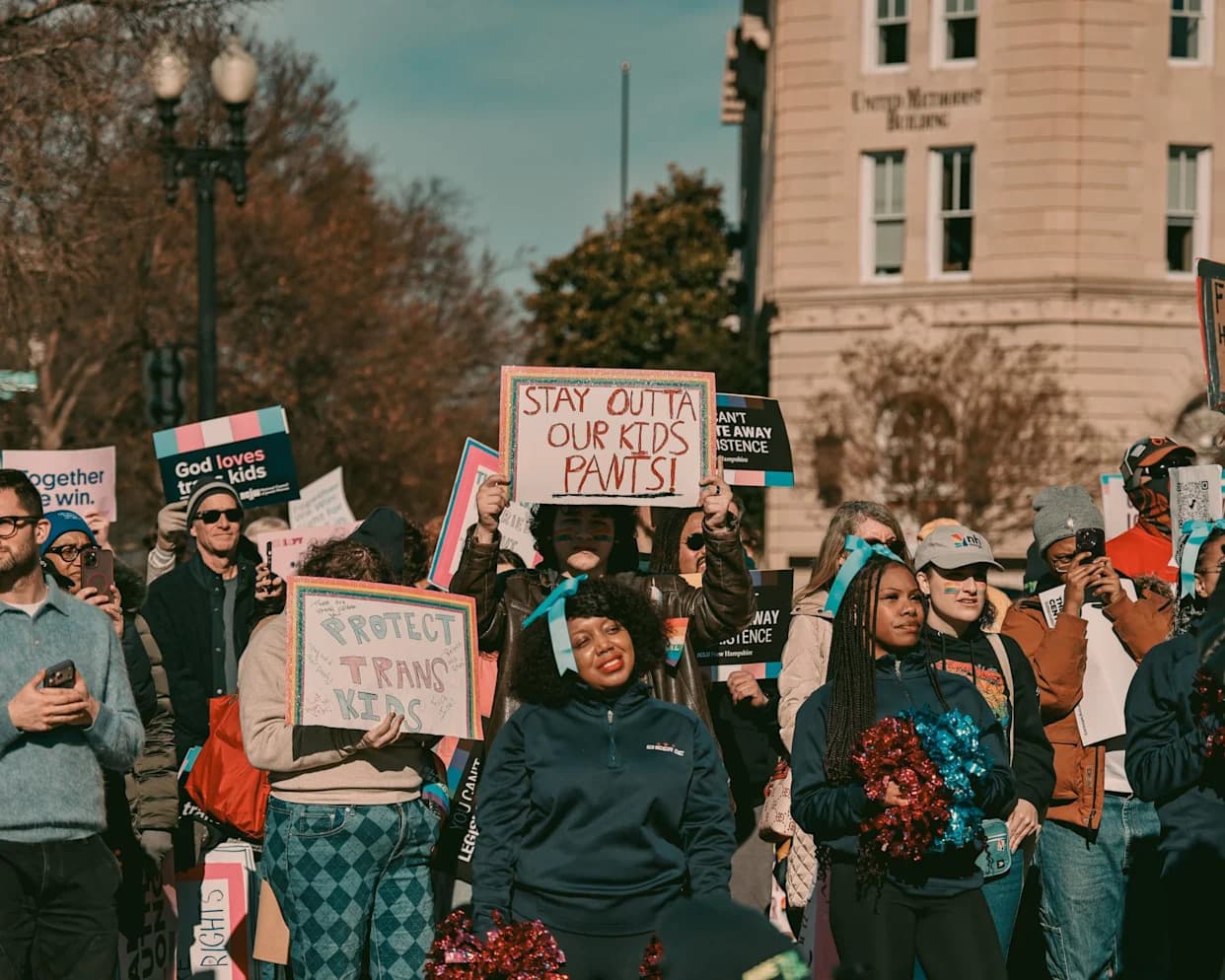
A protester for protecting women's sports gathers outside the Supreme Court on January 13, 2026, in Washington, D.C. Groups from both sides of the debate gathered on Tuesday morning to protest while two cases that prohibit transgender girls from joining girls' and women's sports teams are heard inside the Supreme Court.(Getty Images)
Debate over whether transgender athletes should compete according to gender identity or biological sex remains highly visible. Less visible, however, is a growing set of legal and administrative fights over how schools and athletic associations would actually enforce sex-separated competition—and whether those enforcement steps are lawful or practical.
Background
Twenty-seven states have adopted laws or policies that limit participation in school sports by biological sex. While much of the litigation has focused on the federal interpretation of Title IX, administrators and courts are increasingly confronting downstream questions about verification procedures, privacy protections and the proper role of medical professionals.
Practical and Legal Flashpoints
Several recent incidents illustrate the kinds of compliance dilemmas that arise when officials try to determine eligibility by biological sex.
Idaho
Courts struck down a provision that allowed third parties to challenge an athlete's sex and require verification, finding that the rule could subject women to invasive medical scrutiny that men would not face.
Florida
In a 2024 case, county officials investigated a parent accused of enrolling a transgender child on a female team. Although Florida's law lacks a formal third-party dispute mechanism, school districts may still open enforcement inquiries. Courts in that dispute concluded the state's verification requirement was not discriminatory and the case was later dismissed. Separately, state high school athletic officials removed longtime sex-related questions from physical evaluation forms amid public pressure.

The transgender athletes sports debate was the subject of a podcast involving Malcolm Gladwell.
Arizona
A registration error on a birth certificate prompted one school to question a student's eligibility and suggest chromosomal testing that could cost thousands of dollars. The family obtained an amended birth certificate and a physician's letter, but the school continued to press for additional verification before restoring eligibility.
Nevada
The state's interscholastic athletics association asked physicians to identify and sign off on an athlete's gender. Eighteen doctors wrote a letter objecting that such certification exceeded a routine sports medical clearance and threatened patient confidentiality. The doctors argued that verification should come from students or families and cautioned that breaching clinical confidentiality could undermine trust and care.
Experts and Legal Stakes
Title IX attorney Sarah Perry warned that such compliance disputes are likely to proliferate, saying 'I anticipate we are going to see this more in the future.' By contrast, John Bursch of the Alliance Defending Freedom called logistical concerns overblown and argued critics are manufacturing problems to oppose sex-separated teams.
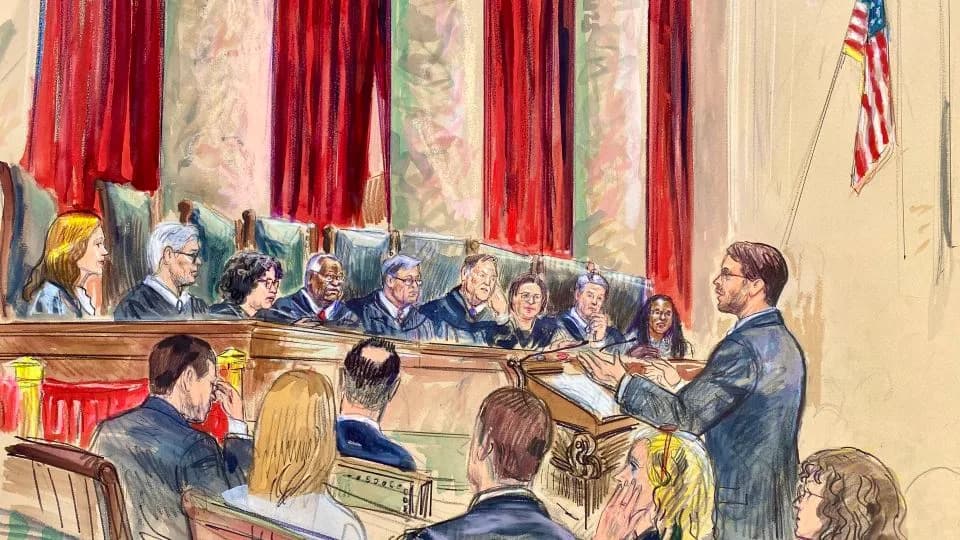
Both sides emphasize the continuing importance of federal law. The Biden-era Title IX interpretation remains in effect while multiple challenges proceed through the courts. Courts will likely consider questions about preemption and the Supremacy Clause—whether state mandates that define athletic eligibility by biological sex can stand against federal civil-rights obligations. The U.S. Supreme Court recently heard arguments that analysts say may signal receptiveness to state-level sex-based rules, but the broader disputes are expected to continue in litigation for months or years.
Implications
Beyond headline debates over fairness and inclusion, policy makers and school officials face concrete choices about verification procedures, the costs and intrusiveness of testing, and the confidentiality duties of medical professionals. Those choices will shape how, and whether, sex-separated sports mandates are implemented in practice.
Key takeaway: The fight over transgender athletes is increasingly a fight over enforcement mechanics—privacy, medical ethics and federal versus state authority may determine outcomes as much as the underlying policy.
Help us improve.