The federal school-choice tax credit lets donors claim a dollar-for-dollar credit for gifts up to $1,700, prompting more than 2,100 public comments and a heated rulemaking debate. Regulators must decide rules on recordkeeping, whether scholarships can fund tutoring and afterschool services for public-school students, and how to treat microschools. Analysts estimate the credit could cost $2.7 billion to $6.1 billion annually after a ramp-up, and scholarship distributions could begin in early 2027. State opt-in decisions and federal guidance will determine who benefits and how accountable programs will be.
National School-Choice Tax Credit Sparks Regulatory Fight — Rules, Costs and Who Benefits
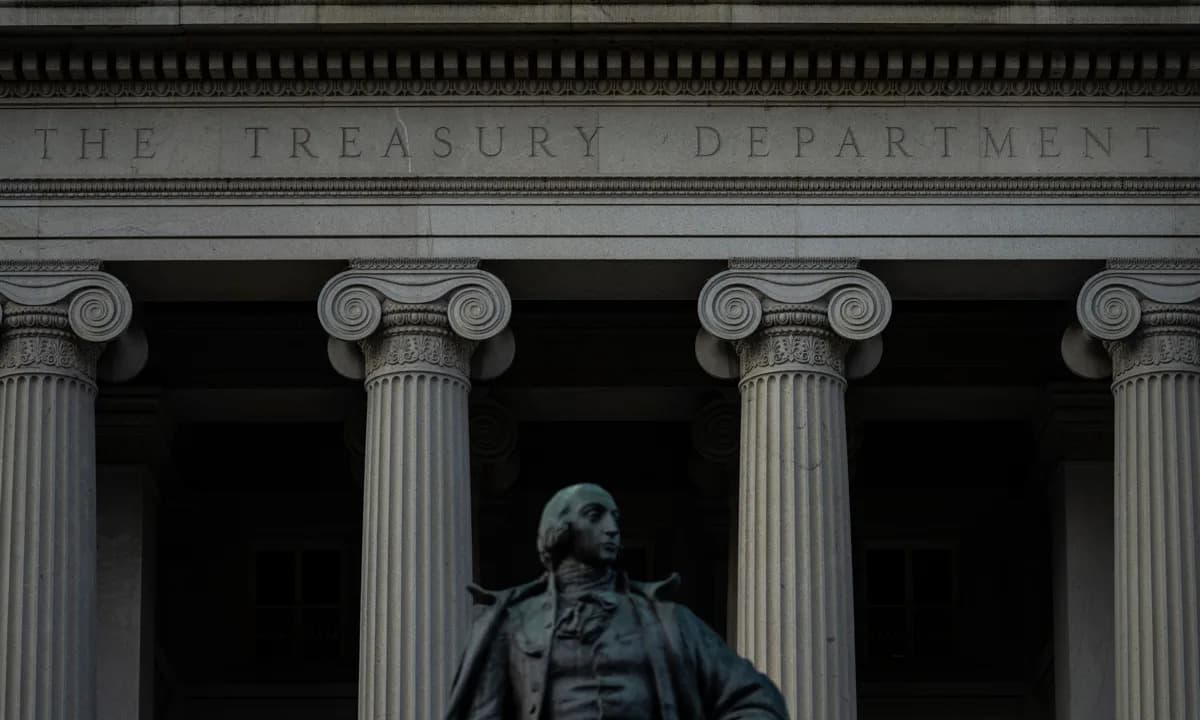
The new federal school-choice tax credit, which lets taxpayers claim a dollar-for-dollar credit for donations up to $1,700 to scholarship-granting organizations, has moved from legislation to rulemaking — and the debate over how it should be regulated is underway.
What The Law Does
The program, signed into law in July as part of a broader tax-and-spending package, creates a federal tax credit aimed at expanding private-school scholarships and other supports such as tutoring and afterschool programs. Because the statute defers many implementation details to Treasury and the IRS, federal rulemaking will determine how scholarship organizations, donors and schools participate.
Who Is Arguing For What
Supporters — including the Federal Scholarship Tax Credit Coalition, which represents more than 200 school-choice groups, private schools and scholarship organizations — are urging simple, permissive rules so nonprofits can participate with minimal paperwork and taxpayers can claim credits easily. Their filings ask regulators to avoid ‘‘overly burdensome or onerous’’ recordkeeping requirements that would slow or limit participation.
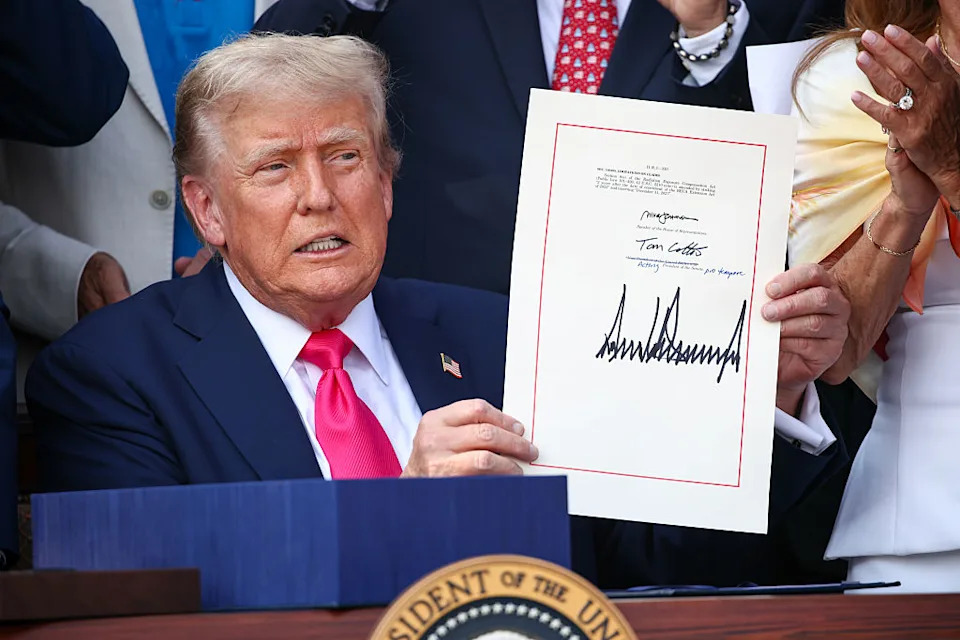
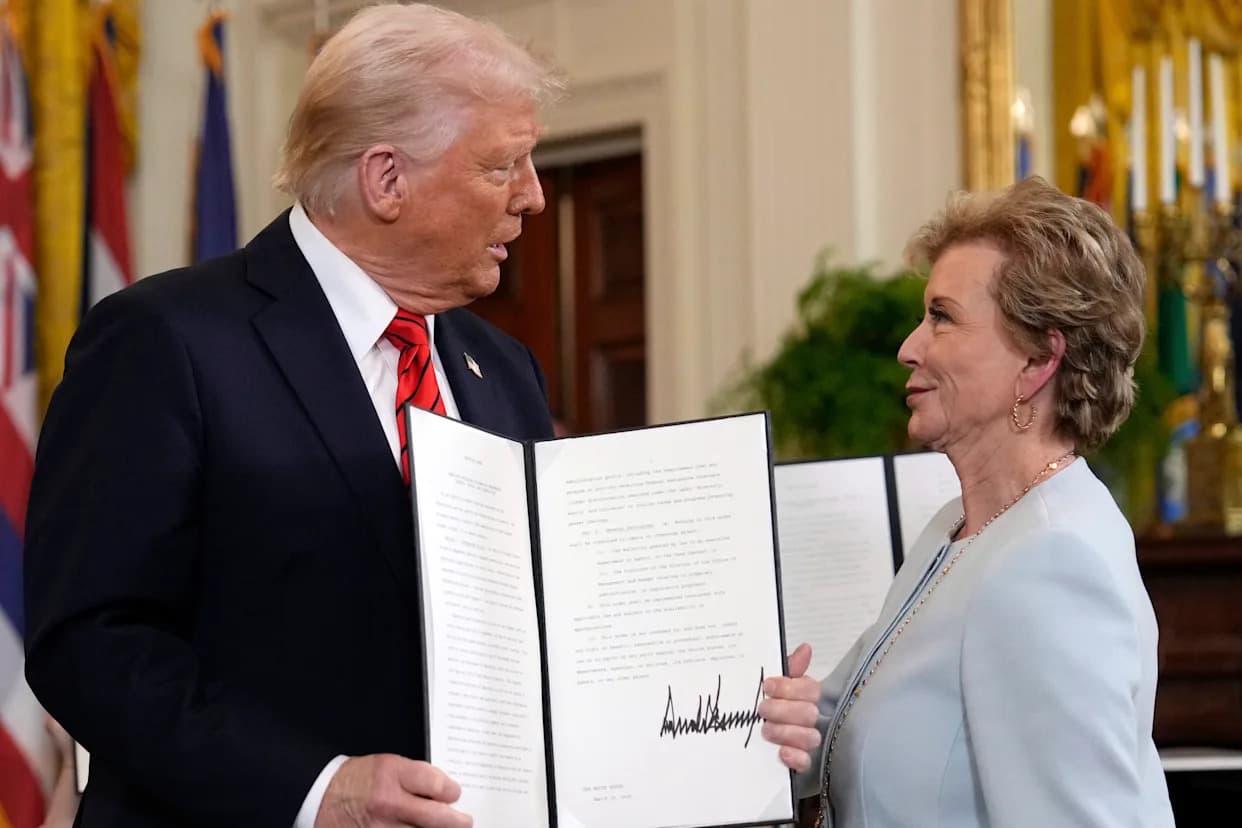
President Donald Trump signed the One Big Beautiful Bill in July. The tax and spend package includes the Educational Choice for Children Act, a first-ever federal tax credit for private school choice. (Samuel Corum/Getty Images)
Opponents call for caution, saying the federal government should prioritize investment in inclusive, well-resourced public schools rather than incentives that could divert resources. Over 2,100 public comments were submitted to Treasury and the IRS by the December 26 deadline, reflecting a wide range of concerns from both sides.
"The federal government should invest in strong, inclusive, well-resourced public schools — not incentives that drain support and weaken safeguards," one correspondent wrote to Treasury and the IRS.
Fiscal Impact And Timeline
Because policymakers cannot predict how many taxpayers will donate and claim the credit, the program’s cost is uncertain. Analysts at the Urban Institute estimate that after an initial ramp-up period the credit could reduce federal revenues by roughly $2.7 billion to $6.1 billion annually. Scholarship organizations could begin awarding funds as early as early 2027, though many groups expect fundraising to take until the fall of 2027 to reach scale.
States, Governors And Opt-In Decisions
Implementation will also depend heavily on state decisions. Governors in Colorado, Louisiana, Nebraska, North Carolina, South Dakota, Tennessee and Texas have signaled plans to opt in, while officials in New Mexico, Oregon and Wisconsin have said they will not participate. Critics warn nonparticipating states may inadvertently send donor dollars to scholarship organizations in other states, a political argument used by supporters who favor broad adoption.

North Carolina Gov. Josh Stein, a Democrat, said he plans to opt in to the tax credit program after the Treasury Department releases the rules, but he’s focused on how it benefits public school students. (Allison Joyce/Bloomberg via Getty Images)
Key Points Of Contention
Regulatory debate centers on several issues:
- Recordkeeping and oversight: How much documentation should scholarship organizations maintain and report?
- Public-school access: Can scholarships be targeted to public-school students for tutoring, summer learning and afterschool programs, not only private-school tuition?
- Microschool definitions: Will small, nontraditional private programs be eligible, and should the federal government adopt an official definition?
- Religious and nondiscrimination rules: Will states or the federal government impose admission or nondiscrimination requirements on participating private schools — and could those conditions prompt litigation?
Microschools And Small Providers
The law defers to state definitions of what constitutes a K–12 "school," creating uncertainty for microschools — many of which enroll roughly 30 students, according to a Tulane University study. Microschool operators warn that narrow or outdated state definitions could exclude innovative small providers who serve students with unique needs. Some advocacy organizations request an official federal definition to improve tracking and quality monitoring; many microschool leaders oppose a one-size-fits-all federal label, saying the sector lacks consensus.
Legal Flashpoints
Religious groups have cautioned against states attaching conditions that conflict with religious liberty. The Christian Legal Society pointed to litigation in Maine over rules that require religious schools to accept all students if they participate in choice programs. Conservative policy voices, such as the Heritage Foundation, emphasize guarding the program from becoming a vehicle that redirects public-school funds in unintended ways.
What Happens Next
Treasury and the IRS are expected to issue proposed rules ahead of the program’s first operational year; some advocates hope to see guidance by summer. Rulemaking will determine which institutions can participate, how states may design programs, what data must be reported publicly (for example, average scholarship amounts and student demographics), and how safeguards will balance access, accountability and religious liberty.
Bottom line: The tax credit transforms a theoretical federal incentive into an active policy that states and providers must operationalize. The coming rulemaking period will shape whether the program expands access to tutoring and enrichment for public-school students, broadens private-school scholarship options, or becomes a flashpoint for legal and political battles over public resources and school regulation.
Help us improve.