Overview: In 2026 a surge of YIMBY-style reforms is focusing on "starter homes"—smaller single-family houses and relaxed lot-size rules—to expand supply. Key proposals include Florida's sweeping S.B. 948, which would cap lots at 1,200 sq. ft. and impose near–strict scrutiny of zoning, and ballot and legislative efforts in Massachusetts, Indiana, Maryland, and elsewhere. The debate highlights trade-offs between tenant protections, local control, and the need to increase housing production.
2026: The Year of the Starter Home — How States Are Rewriting Lot Rules and Zoning
The Year of the Starter Home
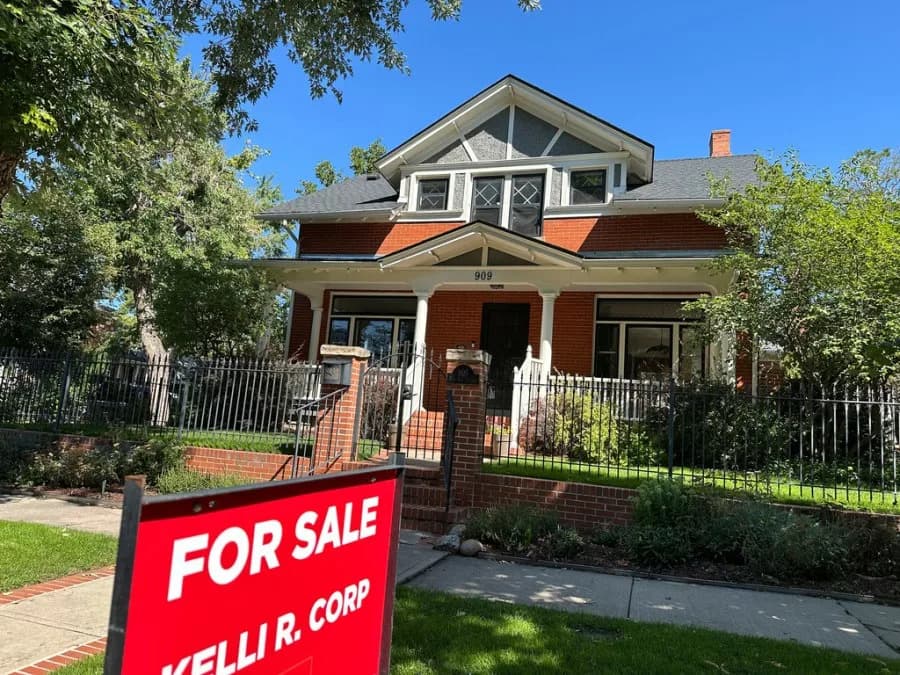
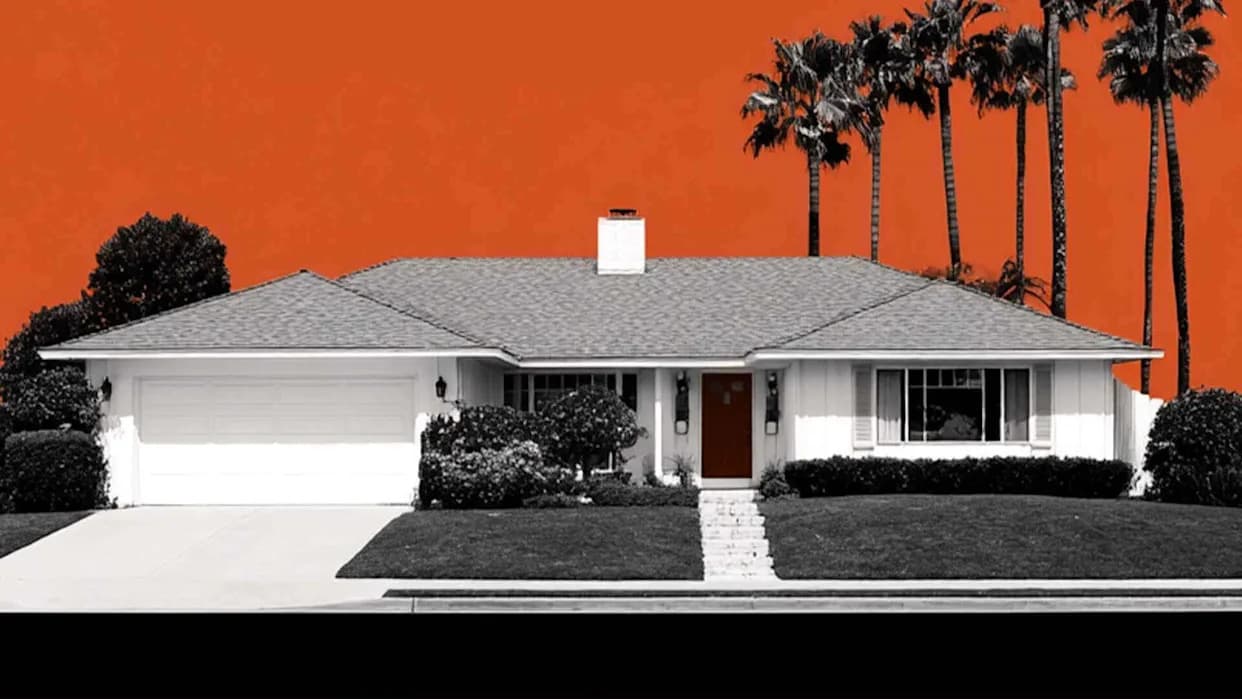
State legislatures across the United States are lining up a wave of supply-side housing reforms for 2026, and one theme is emerging above the rest: starter homes. Lawmakers from both parties are proposing measures to allow smaller single-family houses, expand accessory dwelling units (ADUs), permit more apartments near transit, and limit local aesthetic mandates that often block new construction.
Why Starter Homes Now?
Advocates say starter-home reform targets a product buyers want and builders can construct at scale, with financing and insurance markets already capable of supporting it. "What American builders know how to build in quantity is big apartment buildings and subdivisions," says Salim Furth of George Mason University's Mercatus Center. The policy push reflects a growing, national YIMBY ("yes in my backyard") movement focused on easing local rules that limit housing supply.
Big State Proposals To Watch
Florida: S.B. 948 — Ambitious and Controversial
Sen. Stan McClain (R–Ocala) introduced one of the boldest starter-home proposals: S.B. 948 would cap minimum lot sizes as small as 1,200 square feet for existing lots and new subdivisions and roll back many height, setback, and density restrictions that block three-story attached townhomes. The bill also would raise the judicial standard for reviewing local land-use rules, effectively requiring courts to apply a near–"strict scrutiny" test: local governments would have to show regulations advance a compelling interest and are the least restrictive means to do so.
Implication: If enacted, the bill would sharply curtail local zoning authority and invite legal challenges to a wide range of land-use restrictions. Observers say passage in Florida's short legislative session is unlikely this year, but hearings could build momentum for future sessions.
Massachusetts: A Ballot Push For 5,000-Sq.-Ft. Lots
Activists have gathered signatures to put a starter-home measure on the ballot that would allow single-family homes on lots as small as 5,000 square feet where public water and sewer exist. Organizers argue many New England towns require half-acre or larger lots despite proximity to infrastructure. The secretary of the commonwealth recently certified the petition to move forward; petitioners can either wait for legislative action or collect more signatures to secure a November ballot spot.
Indiana: H.B. 1001 — An Omnibus YIMBY Package
Representative Doug Miller's H.B. 1001 combines starter-home lot caps (5,445 sq. ft. for single-family homes; 1,500 sq. ft. for townhomes) with ADU authorization, limits on aesthetic mandates, relaxed multifamily construction rules (one-staircase buildings, smaller elevators), lower parking requirements, and allowances for residential use in commercial zones. Omnibus YIMBY bills can struggle in statehouses, but the proposal signals bipartisan interest in expanding housing choices even in markets without severe affordability crises.
Maryland: Executive-Led Starter And Silver Homes Act
Maryland's Department of Housing and Community Development authored the Starter and Silver Homes Act of 2026 to permit single-family construction on 5,000-square-foot lots with water and sewer service. Gov. Wes Moore included this and two related bills—permitting apartments on state-owned land near transit and streamlining permitting—in his housing affordability agenda.
Arizona: Political Headwinds
Arizona activists say they will not advance a starter-home bill this year after a 2024 measure was vetoed by Gov. Katie Hobbs over fire-safety and military-base exemption concerns. A revised 2025 bill failed to clear the Legislature amid continued executive opposition.
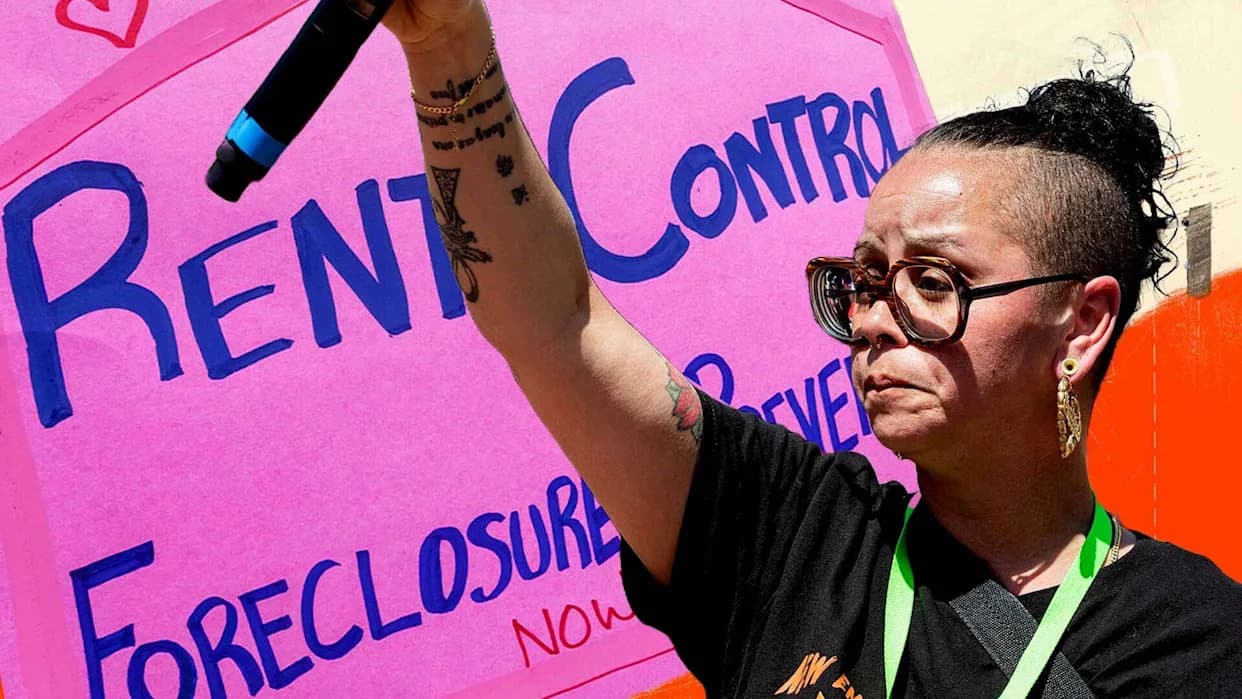
Rent-Stabilization Tensions In New York City
New York City Mayor Zohran Mamdani's administration has pledged tenant protections, but the city's legal filings in a bankruptcy sale involving Pinnacle—an 83-building portfolio—acknowledge that regulated rents can make routine maintenance and building upkeep financially untenable. A 2019 state law and local rent-guidelines constraints limit owners' ability to raise rents to cover improvements, creating tension between tenant protections and the fiscal viability of rent-stabilized housing.
At The Federal Level: A Contested Proposal
President Donald Trump has proposed an executive order to bar large institutional investors from owning single-family homes, with the hope that Congress will codify the change. Legal scholars and housing analysts have questioned the legality and effectiveness of such a ban, noting institutional investors comprise a small—and shrinking—share of single-family ownership and that curbing build-to-rent projects could reduce supply and options for renters.
Early Results And Outlook
Some supply-side reforms have measurable effects: Florida's 2023 Live Local Act is estimated to have produced roughly 52,000 units in the development pipeline, according to the Florida Housing Coalition. Meanwhile, state and federal policy conversations continue—expect further proposals on permitting reform, transit-oriented housing, and potential federal funding measures through Congress.
What To Watch
- How Florida's S.B. 948 fares in committee and whether its judicial-review provision survives scrutiny.
- Whether Massachusetts places the starter-home question on the November ballot or the Legislature acts first.
- Indiana's H.B. 1001 as a test of omnibus YIMBY packages in a Midwestern state.
- Federal responses to the proposed ban on institutional single-family ownership and pending affordability proposals.
This article synthesizes reporting and public filings to map an early, fast-moving wave of housing reforms that could reshape where and how new homes get built in the United States.
Help us improve.