Recent child-abuse deaths in multiple states have reignited efforts to strengthen oversight of homeschooling, with lawmakers proposing limits on withdrawing children during active child-welfare investigations. Supporters say such rules would protect vulnerable children who disappear from the view of mandated reporters; homeschooling advocates counter that added mandates would stigmatize and burden law-abiding families without stopping determined abusers. The debate is unfolding at state capitols as homeschooling rates have grown since the pandemic.
“These Kids Are Invisible”: Child-Abuse Deaths Renew Fight Over Homeschool Oversight
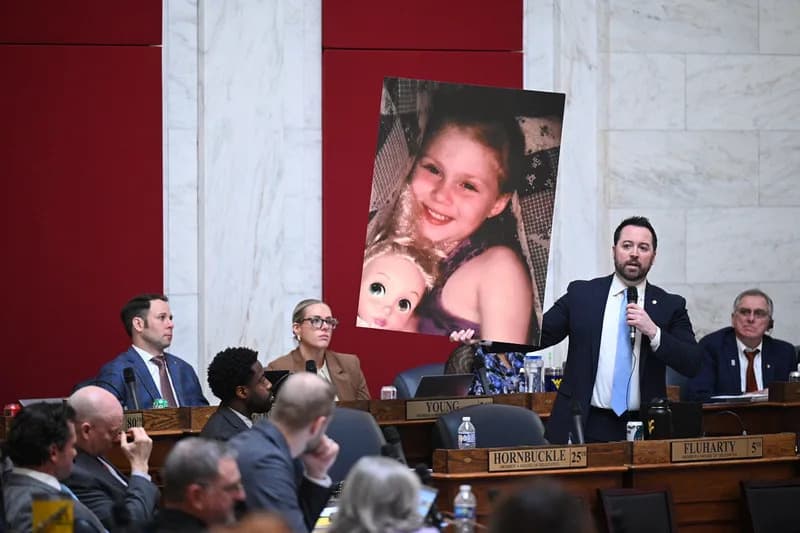
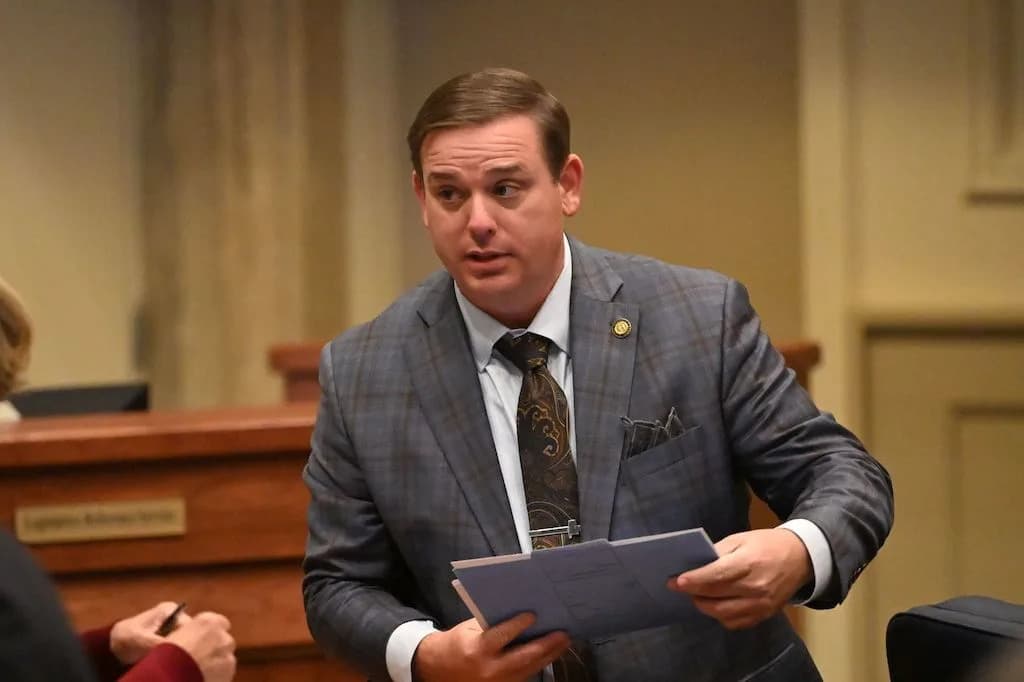
West Virginia Del. Shawn Fluharty, a Democrat, holds up a poster of Raylee Browning, a child who died from abuse and neglect after her parents removed her from public school to homeschool her. Fluharty has been trying to get a bill he’s dubbed “Raylee’s Law” passed for the past several years.
Recent child-abuse deaths have intensified a national debate over whether states should impose stronger oversight on homeschooling to protect vulnerable children. Lawmakers, child advocates and former homeschoolers say some caregivers withdraw children from school to evade scrutiny from teachers and other mandatory reporters; homeschooling advocates counter that added rules would unfairly stigmatize law-abiding families.
High-Profile Cases Driving Policy Push
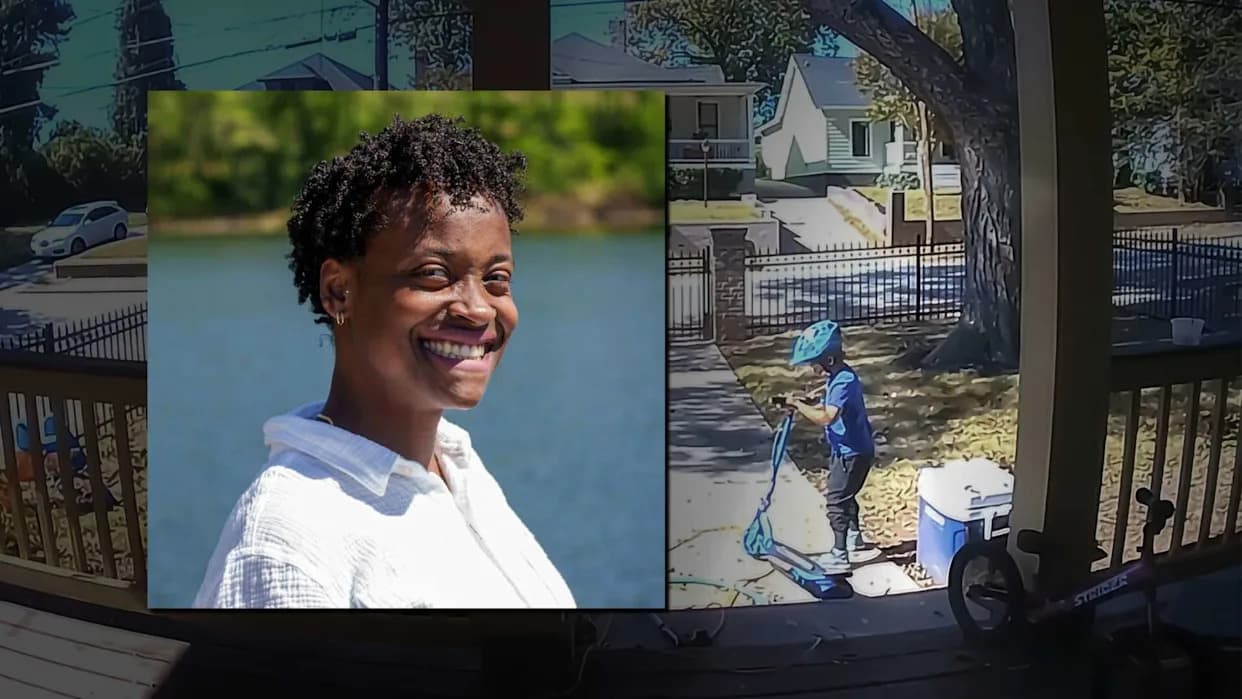
West Virginia Democratic Delegate Shawn Fluharty has repeatedly pushed legislation he calls "Raylee's Law" after Raylee Browning, an 8-year-old who died of abuse and neglect in 2018 after her parents withdrew her from public school to homeschool. Fluharty says similar tragedies — including the 2024 death of 14-year-old Kyneddi Miller — underscore what he calls a "glaring loophole" that allows caregivers under investigation to remove children from the visibility of mandated reporters.
A Personal Perspective
Rachel Marshall, now a licensed counselor in Utah, describes a childhood where her parents kept a magnet with the phone number of a national homeschool advocacy group to defend their right to educate at home. Marshall says she now believes more oversight would have reduced her exposure to abuse and neglect while growing up in a household affected by mental illness and addiction.
The Policy Debate
Proposals vary by state. Some measures would prohibit withdrawing a child to homeschool during an active child-welfare investigation or bar people convicted of child-related crimes from homeschooling. Supporters argue these rules close a dangerous gap; opponents—including the Home School Legal Defense Association (HSLDA) and many homeschooling families—say the laws would burden legitimate homeschoolers and still fail to stop determined abusers.
“If you are being investigated by [child protective services], you should not be allowed to withdraw your children from daily mandated reporters like schoolteachers,” said Rachel Marshall.
Where States Stand
Some states have moved toward more oversight. Georgia passed a law in 2019 banning withdrawals intended to evade detection of abuse and neglect. Other states, including Connecticut and Illinois, have considered broad proposals that sparked large protests at state capitols and have yet to pass comprehensive measures.
Data And Research
Homeschooling rose sharply during the COVID-19 pandemic, from about 2–3% of K–12 students pre-pandemic to a peak near 11%; the U.S. Census Bureau estimates around 6% of school-age children are currently homeschooled. Among the 30 states that publicly report homeschool participation, more than a third recorded their highest enrollments ever in 2024–25.
Research is mixed on abuse prevalence among homeschoolers. A 2022 survey found no clear increase in self-reported abuse among adults who had been homeschooled, but other work highlights risks tied to isolation: a 2014 study found nearly half of documented child-torture victims had been withdrawn from school to be homeschooled to evade detection. A Connecticut Office of the Child Advocate report found that more than one in five children withdrawn for homeschooling in a sampled group lived in families with at least one substantiated child-welfare report.
Arguments From Both Sides
Child advocates and some lawmakers emphasize the visibility public schools provide: teachers, bus drivers and other staff are routine contact points who can spot warning signs. Homeschool opponents of regulation worry that mandatory reviews or attestations will be ineffective against determined abusers and will impose burdens on the majority of families who homeschool responsibly. National advocacy groups continue to lobby vigorously on both sides.
What Lawmakers Are Considering
Proposals include: preventing withdrawal during an active child-welfare investigation, requiring wellness checks or annual assessments for homeschooled children, and barring people with convictions for child abuse from serving as homeschool custodians. Legislators caution the politics are difficult: any change must be carefully drafted to balance parental rights with child protection.
Conclusion
The debate over homeschool oversight centers on two competing priorities: protecting children from abuse and preserving parental rights and educational freedom. High-profile deaths have pushed the issue into statehouses, but deeply held beliefs about family autonomy and government reach mean the discussion will likely remain contentious and complex.
Reporting: This article draws on reporting from Stateline and related state coverage. Stateline reporter Anna Claire Vollers contributed reporting and can be reached at avollers@stateline.org.
Help us improve.