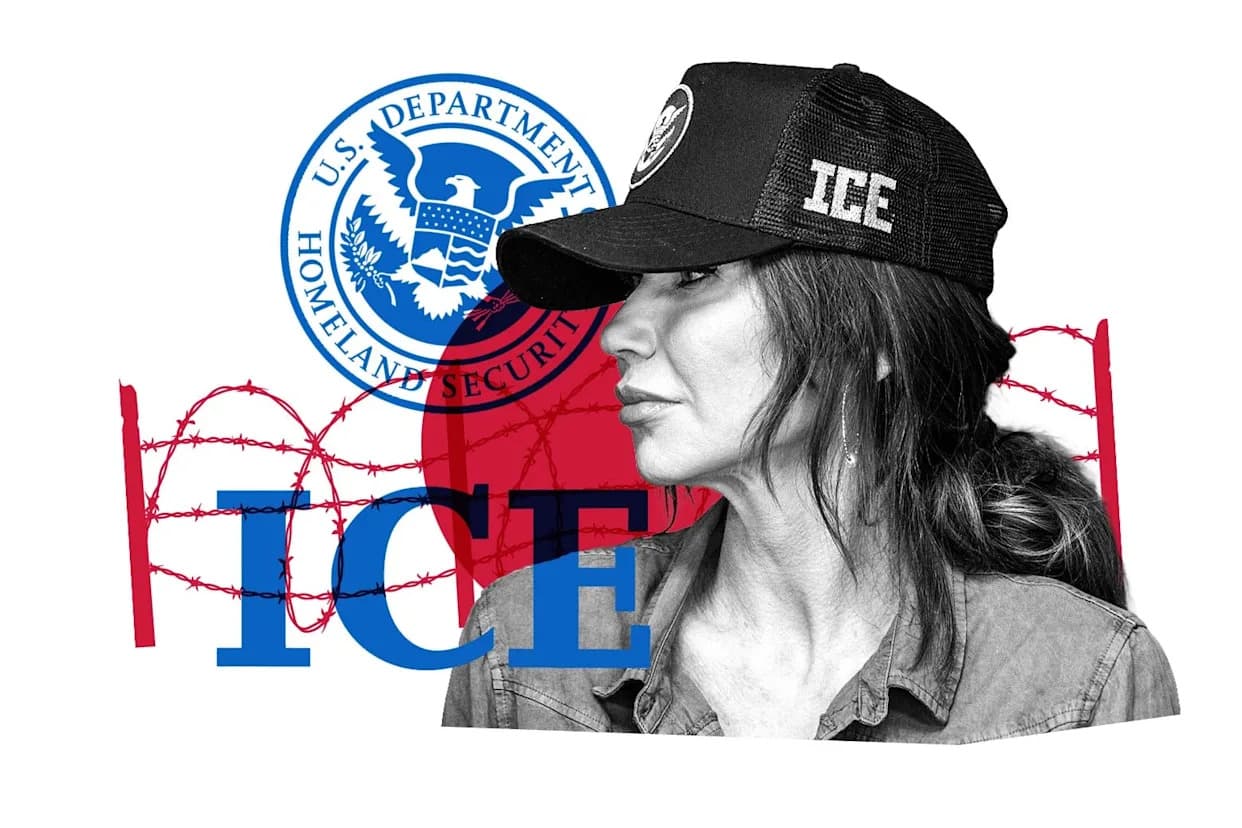
Tennessee is advancing a package of eight bills based on a model promoted by Stephen Miller that would expand state and local roles in immigration enforcement. Key measures would require officials and schools to verify and report immigration status to ICE, criminalize public disclosure of enforcement details (Senate Bill 1464), and permit tuition or denial of enrollment for undocumented K–12 students — directly challenging the 1982 Plyler v. Doe ruling. Supporters say the bills protect communities and state resources; critics warn they would create secrecy, erode accountability and invite costly legal battles.
Tennessee Tests Stephen Miller’s State-Led Immigration Enforcement Blueprint
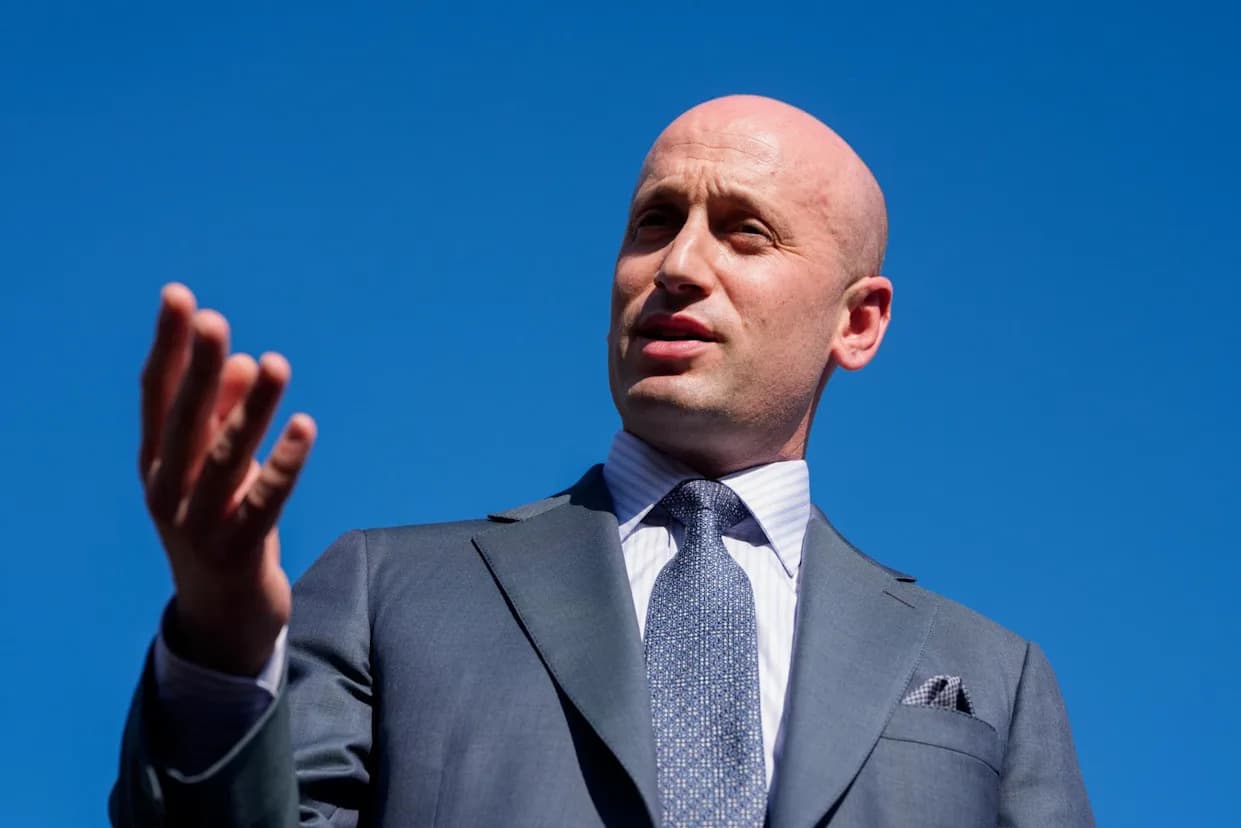
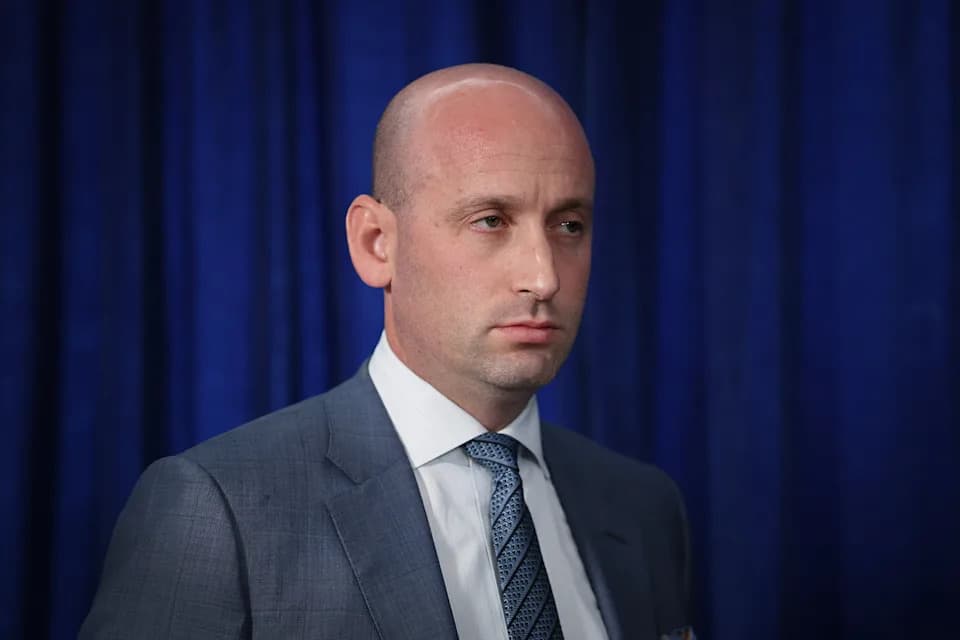
Stephen Miller, deputy White House chief of staff for policy, speaks to members of the media outside the White House on 6 October 2025.Photograph: Bloomberg/Getty Images(Photograph: Bloomberg/Getty Images)
Tennessee is poised to pilot a model promoted by former Trump adviser Stephen Miller that would enlist state and local officials in immigration enforcement efforts normally handled by the federal government. A package of eight bills introduced by House Speaker Cameron Sexton would expand the role of state agencies, local police, schools and other public employees in identifying, reporting and restricting benefits for undocumented people.
What the Package Would Do
The legislative suite contains measures that would:
- Make it a state crime for a person to remain in Tennessee after a final deportation order;
- Require broad reporting to U.S. Immigration and Customs Enforcement (ICE) by police, judges, teachers, social workers and other officials;
- Criminalize public disclosure of information about immigration enforcement activities, with felony penalties and potential removal from office for officials who "negligently" release identifying information (Senate Bill 1464);
- Require K–12 school systems to verify students' immigration status, permit tuition charges for children without lawful residency and allow denial of enrollment in some cases;
- Mandate monthly reporting on noncitizens receiving public benefits and produce an annual "comprehensive" cost report tied to schools, hospitals, prisons and social services;
- Require state contractors to use E-Verify and demand proof of lawful status for certain licensed professions, including teachers and nurses;
- Change driver-license policy—requiring exams in English (with limited exceptions), restricting licenses for some noncitizens, and criminalizing use of a commercial driver’s license (CDL) by operators without lawful status.
Background And Legal Context
State lawmakers say the proposals build on steps Tennessee took last year when it created an immigration enforcement division within the Department of Safety and Homeland Security and exempted related records from public records access laws. The new package would go further by converting that confidentiality into a legal mandate and expanding enforcement duties across multiple public systems.
Several provisions directly challenge Pellar v. Doe — the 1982 U.S. Supreme Court decision that guarantees undocumented children the right to a public education at public expense — by enabling districts to deny or charge tuition for K–12 students without legal residency. Supporters appear to be betting that the current Supreme Court may be receptive to revisiting that precedent.
Political Reactions
“The president’s behind us,” said Rep. Jason Zachary, describing White House support for the effort and Speaker Sexton’s contact with Stephen Miller.
Advocates and Democratic lawmakers strongly oppose the package. Lisa Sherman-Luna of the Tennessee Immigrant and Refugee Rights Coalition warned the bills would create "infrastructure for the secret police" by insulating immigration enforcement from public scrutiny and accountability.
“We have folks in office who are really creating infrastructure for the secret police, with zero accountability, total impunity,” Sherman-Luna said.
Democratic state leaders, including Rep. John Ray Clemmons, argue the legislation distracts from local priorities such as healthcare, rural hospital stability and education funding. Republican supporters, including Senate Republican caucus chair Ken Yager, contend the measures are necessary to protect local resources and ease fiscal pressures on communities.
Enforcement, Funding And Practical Impact
The bills would empower Tennessee’s attorney general to withhold state funds and shared sales-tax revenues from municipalities that refuse to comply — a powerful enforcement lever for a state that relies heavily on sales taxes. Other measures could force local agencies to refer individuals whose status cannot be verified to ICE and Tennessee’s centralized enforcement division.
Experts warn the proposals could have broad economic and operational consequences. Criminalizing CDL use by undocumented drivers and enabling troopers to check immigration status on the road could disrupt interstate commerce and create enforcement hazards for cross-country truckers if other states adopt similar laws.
Legal Risks And Outlook
The bills raise significant constitutional and federalism questions. They invite litigation over federal preemption, equal protection and the Plyler ruling on education access. Last year’s pause in the Tennessee House on a school verification bill reflected lawmakers' concern about potential conflicts with federal education funding and legal challenges.
Organizing And Opposition
Immigrant-rights groups in Tennessee are mobilizing to oppose the measures but say they are under-resourced, with national attention and funding often focused on federal contests and high-profile state battles elsewhere. Organizers warn that if Tennessee’s package becomes a model adopted by other states, it could reshape the patchwork of state-federal immigration enforcement across the country.
Status: The bills were filed in mid-January and remain the focus of intense debate in Nashville. Speaker Sexton’s office did not respond to requests for comment for this report.
Help us improve.