The Sahara was a green, habitable landscape during the African Humid Period. New DNA analysis of two 7,000‑year‑old female mummies from the Takarkori rock shelter (southwestern Libya) identifies a previously unknown North African "ghost" lineage that likely split from sub‑Saharan groups around 50,000 years ago. The Takarkori genomes are closely related to 15,000‑year‑old Taforalt hunter‑gatherers, show low Neanderthal ancestry relative to Taforalt but higher than sub‑Saharan groups, and exhibit limited Levantine farmer admixture — findings that support cultural transmission of pastoralism and agriculture across the Green Sahara.
7,000‑Year‑Old Saharan Mummies Reveal a Previously Unknown North African Lineage
Lost in the sand: 7,000-year-old mummies found in Sahara belong to unknown human lineage
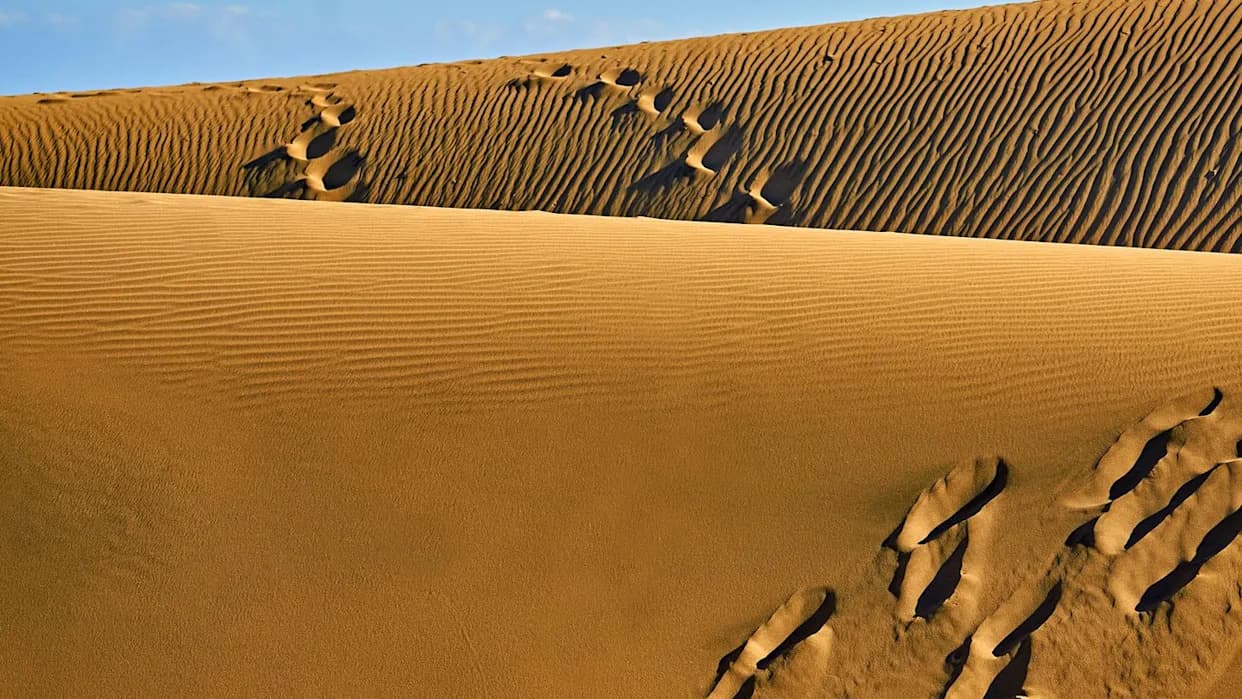
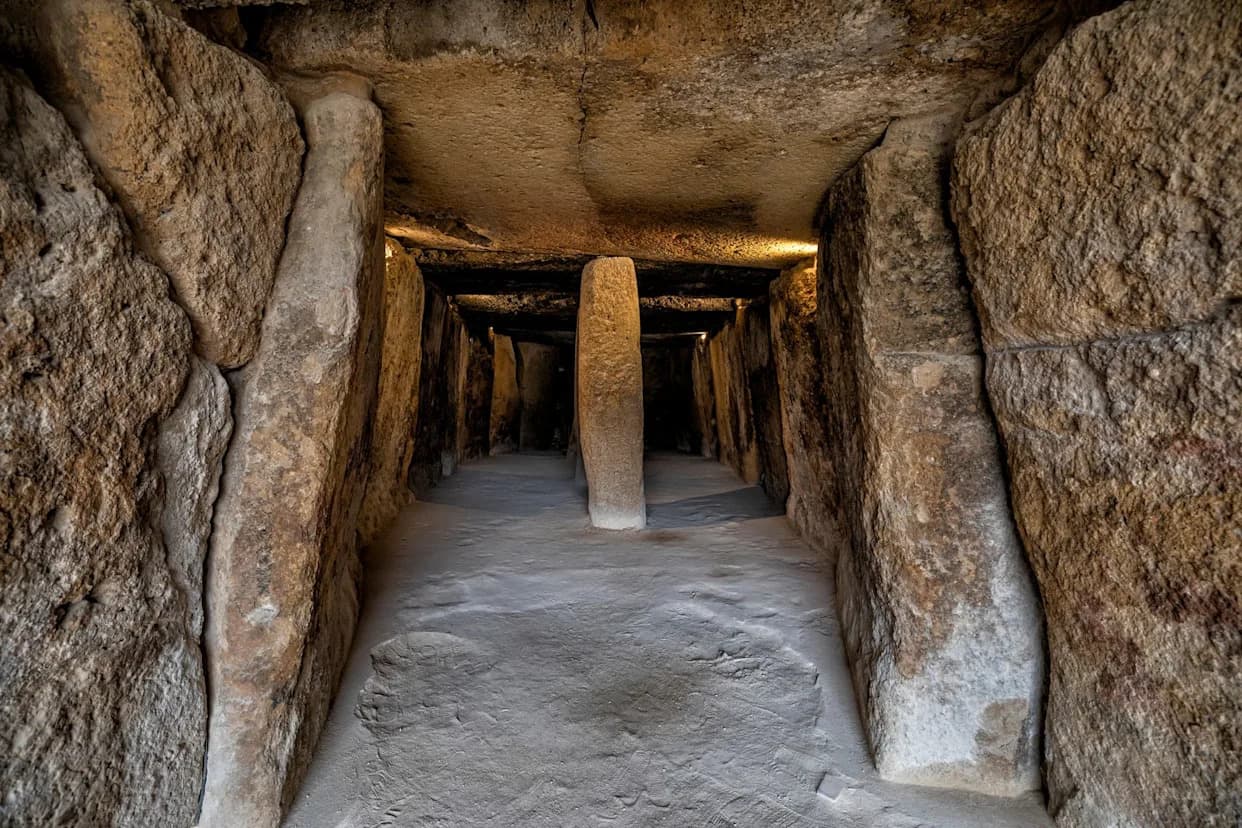
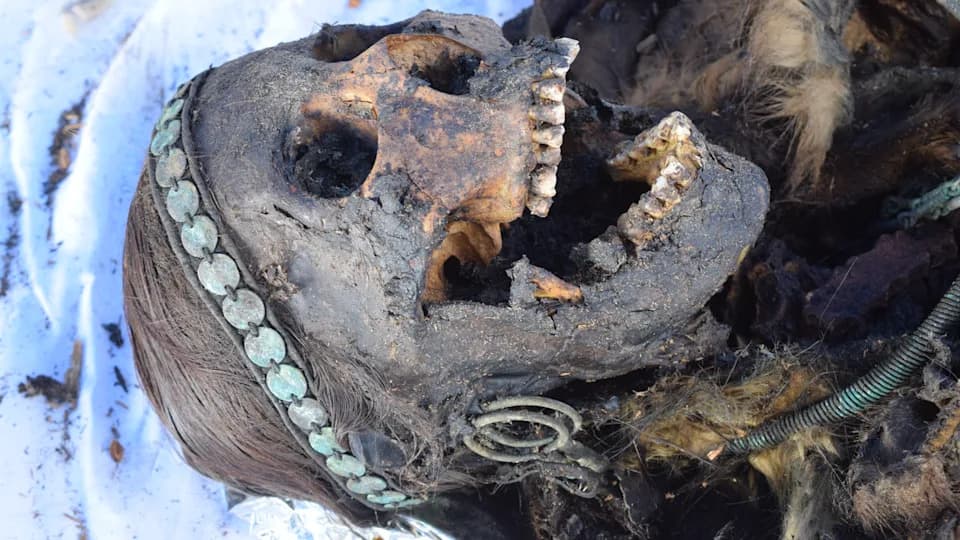
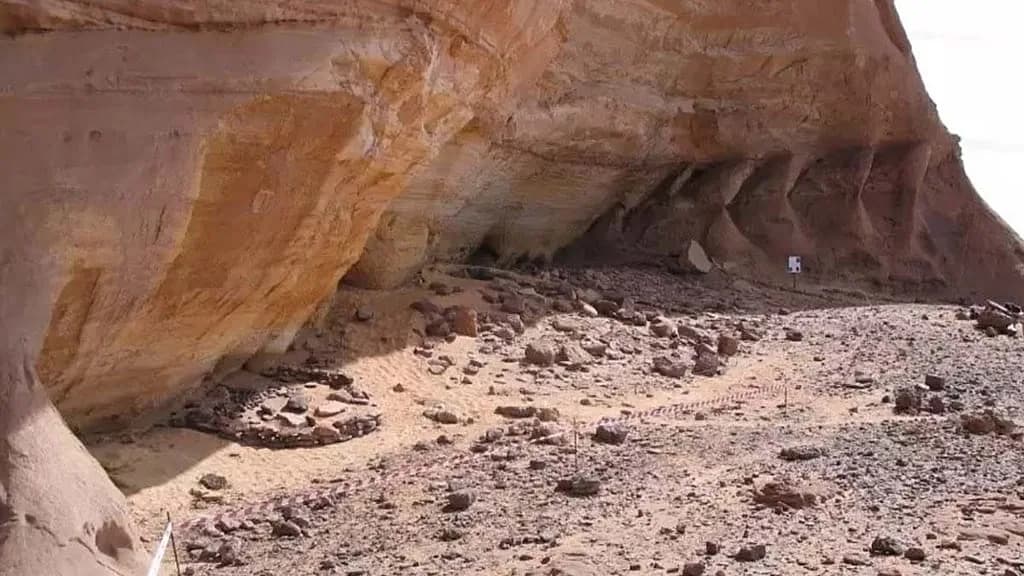
The Sahara — now one of the planet's driest regions — was far greener during the African Humid Period (about 14,800–5,500 years ago), hosting lakes, grasslands and settled human communities. A new archaeogenetic study of two naturally preserved mummies from the Takarkori rock shelter in southwestern Libya sheds fresh light on population history in that "Green Sahara."
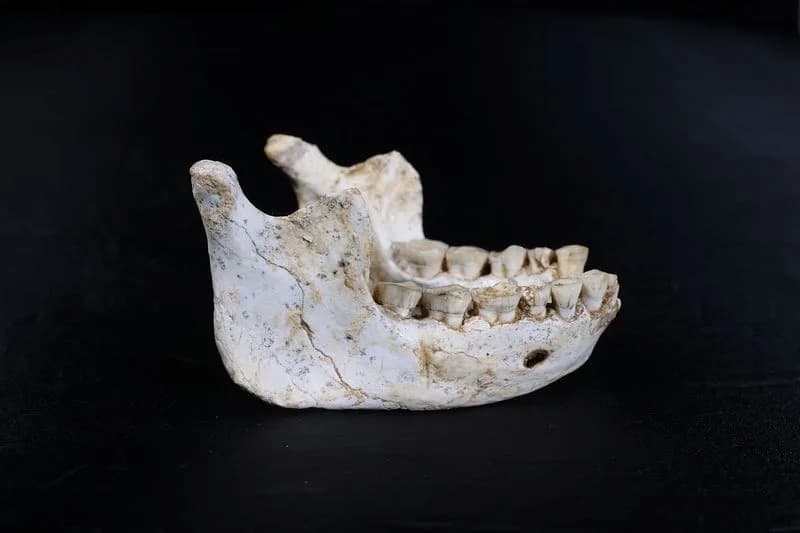
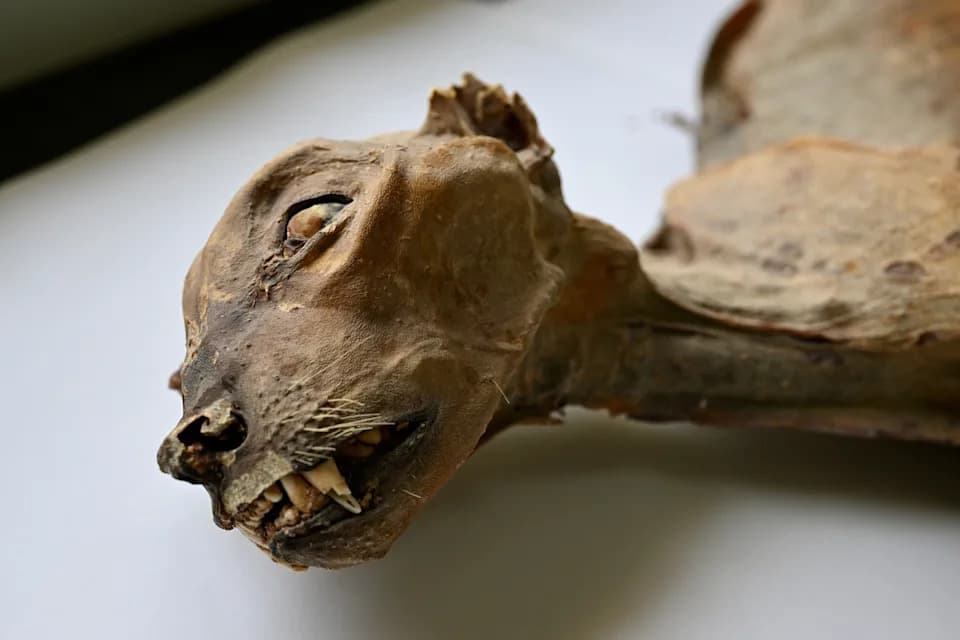
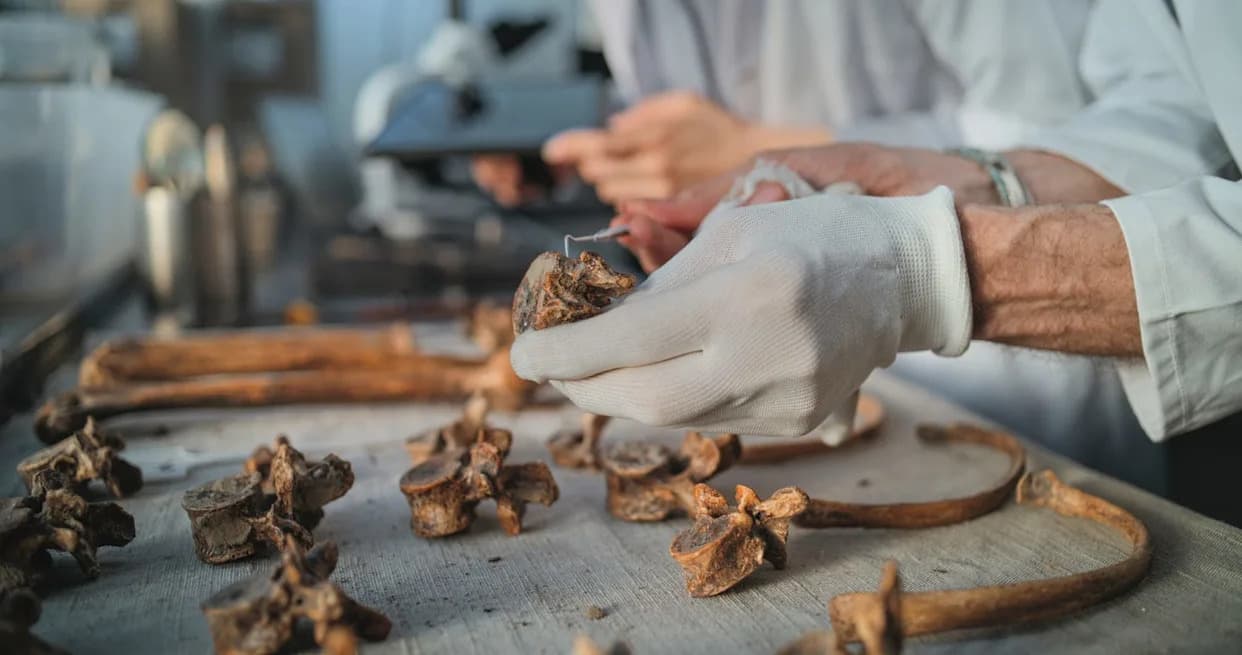
Study and specimens. Led by archaeogeneticist Nada Salem of the Max Planck Institute for Evolutionary Anthropology, the research analysed highly fragmentary DNA recovered from two Neolithic female burials dated to roughly 7,000 years ago. Despite difficult preservation conditions in arid settings, the genetic data produced robust signals about ancient population structure.
Evidence for a "Ghost" North African Lineage
The analyses indicate that both individuals belong to a previously undetected branch of the human family tree often described as a "ghost population" — a lineage inferred from genetic patterns but not previously represented by skeletal remains. The team estimates that this North African lineage diverged from sub‑Saharan African populations very early, on the order of ~50,000 years ago, roughly the same general period when modern humans expanded out of Africa.
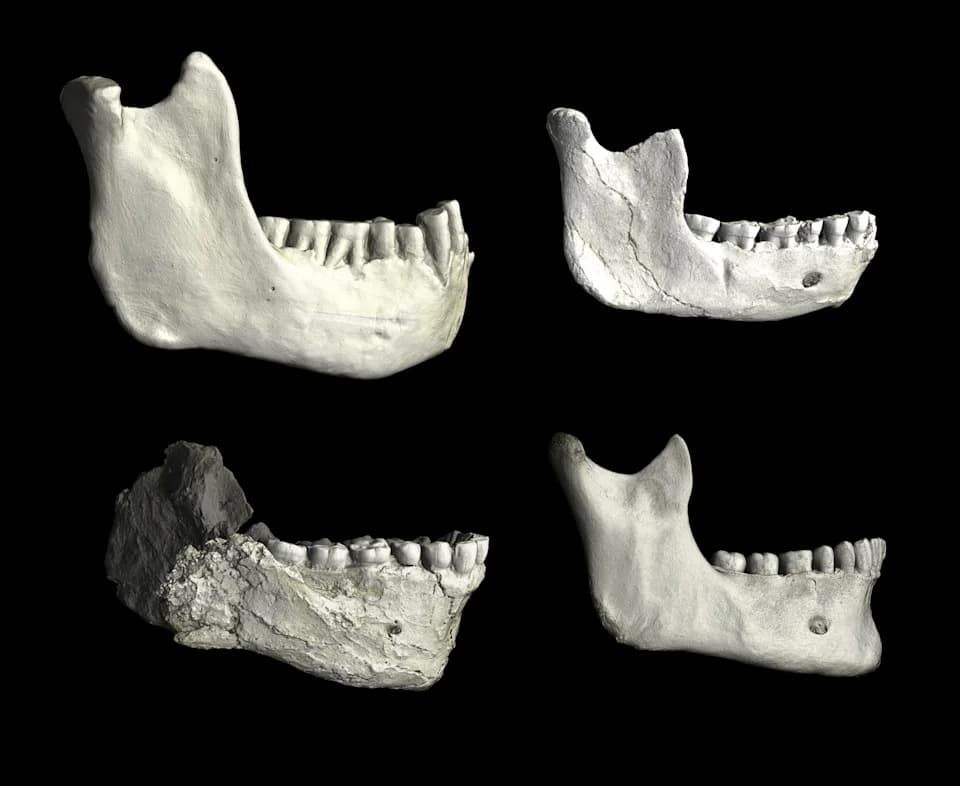
Connections and contrasts. The Takarkori individuals show close genetic affinity to much older (≈15,000‑year‑old) hunter‑gatherers from Taforalt Cave in Morocco. Both groups are comparably distant from sub‑Saharan populations, implying limited gene flow between North Africa and sub‑Saharan Africa during those periods.
Neanderthal ancestry and admixture. The study reports that the Takarkori genomes carry substantially less Neanderthal‑related ancestry than the Taforalt individuals — roughly an order of magnitude lower — though still higher than contemporary sub‑Saharan groups of the same era. Researchers interpret this pattern as evidence for limited direct contact with Neanderthals but somewhat greater indirect Neanderthal‑related ancestry than seen in strictly sub‑Saharan populations. The data also show small traces of admixture from Levantine farmers, but otherwise suggest long‑term genetic isolation for the Takarkori community.
Implications for Cultural Change
These genetic results challenge a simple migration‑based model for the spread of pastoralism and early agriculture across the Green Sahara. Instead, the authors argue that technologies such as herding, pottery and other domestic practices may have spread through cultural transmission and local adoption rather than large‑scale population replacement. The Takarkori people appear to have evolved from local hunter‑gatherer ancestors while adopting complex subsistence strategies and material culture.
Landscape and preservation. The ecological mosaic of the Green Sahara — lakes, wetlands, forests, savannas and mountains — could have fragmented human networks and helped preserve distinct genetic groups. The researchers note that many more burials and artefacts from this wetter era may still be buried under Sahara sands and that recovering additional remains will be important to refine the picture of North African prehistory.
Caveats. The findings are based on two individuals with highly fragmentary DNA, so interpretations are necessarily cautious. Future genomic sampling across the region and time periods will be needed to confirm how widespread this lineage was, to better quantify Neanderthal‑related ancestry, and to map patterns of contact with neighbouring groups.
Reference: Salem et al., Nature (paper reporting DNA from Takarkori rock shelter mummies).
Help us improve.