As Russian forces push forward along long stretches of the frontline, villages such as Tavriiske in southeast Ukraine are rapidly emptying. Residents and volunteers report constant threats from drones and bombardment, forcing many families to evacuate. Rescue teams and anti-drone measures are working to move the few remaining civilians to safety, even as U.S.-brokered peace talks begin in Abu Dhabi.
‘Nobody Wants To Die’: Villagers Flee Southeast Ukraine As Russian Forces Close In
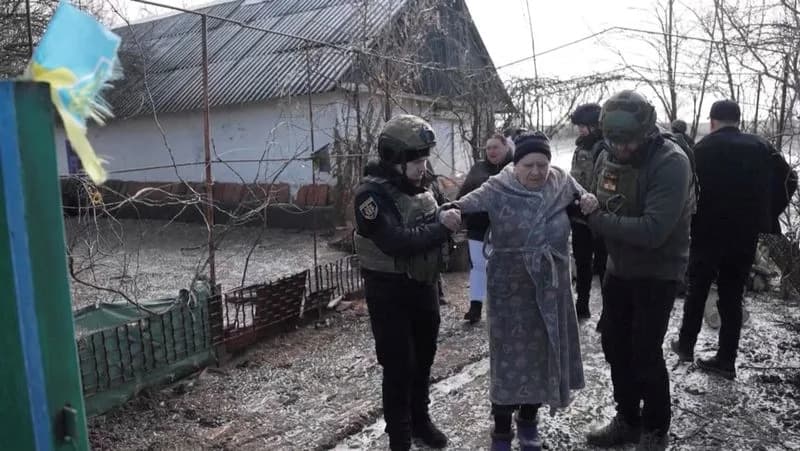
Ukrainian national police officers assist a woman during an evacuation of residents from the Tavriiske and Yurkivka villages in Ukraine's Zaporizhzhia region, amid Russia's attack on Ukraine, in this screengrab from a video, February 3, 2026. Reuters TV via REUTERS
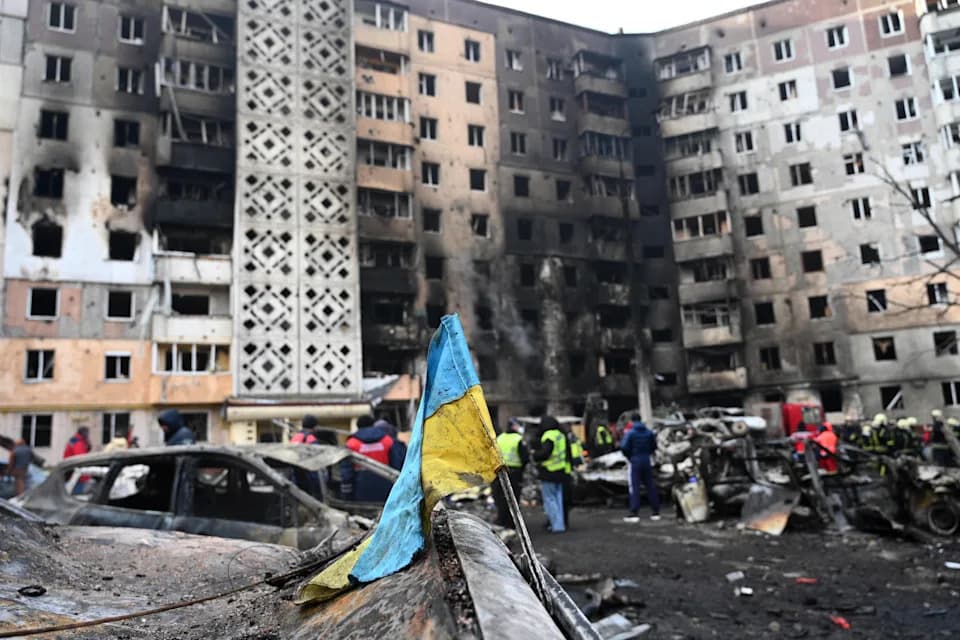
In recent weeks, regular bus service from the regional hub of Zaporizhzhia to the village of Tavriiske—roughly 50 km (31 miles)—has stopped as the front line has inched closer, leaving the settlement increasingly empty.
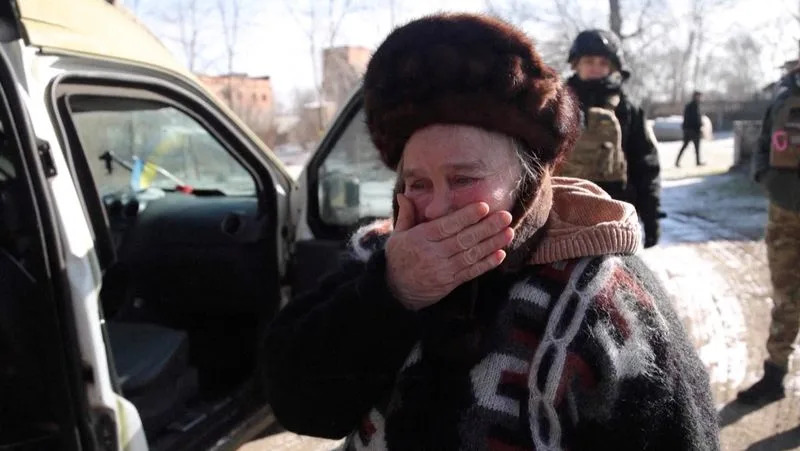
Nataliia Fedorenko, 66, an evacuee, reacts during an evacuation of residents from the Tavriiske and Yurkivka villages in Ukraine's Zaporizhzhia region, amid Russia's attack on Ukraine, in this screengrab from a video, February 3, 2026. Reuters TV via REUTERS
The conflict's advance pushed Maryna Vyshnevska, 35, to load her five children and a few possessions onto a police evacuation bus. "We thought they would be driven back and all this would stop," she said. "But when we realised it would only get worse and worse, it was better to leave."
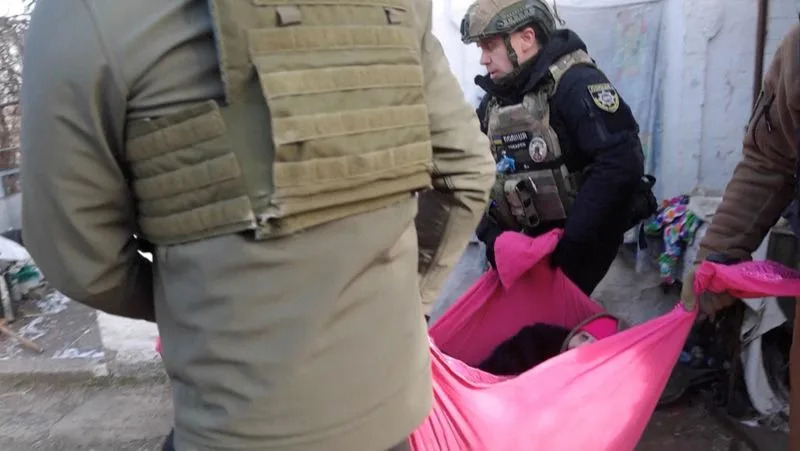
Ukrainian national police officers carry a woman in a blanket during an evacuation of residents from the Tavriiske and Yurkivka villages in Ukraine's Zaporizhzhia region, amid Russia's attack on Ukraine, in this screengrab from a video, February 3, 2026. Reuters TV via REUTERS
Pressure Along The Southeastern Front
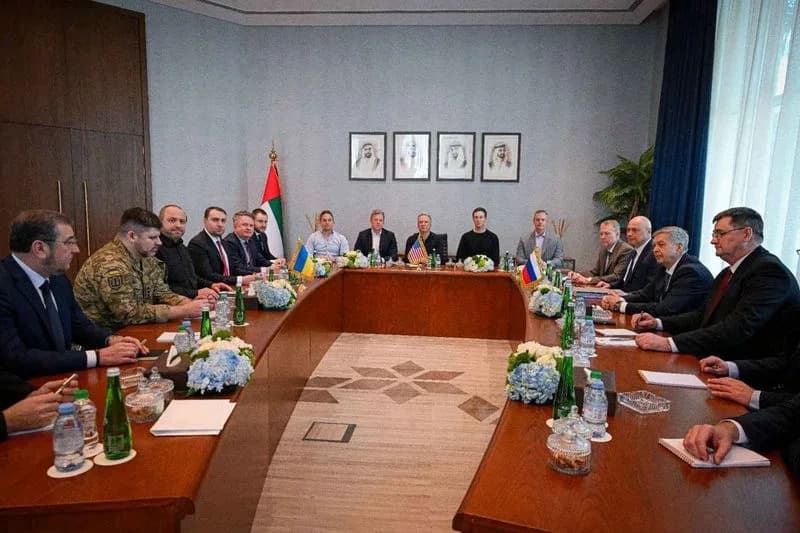
With new U.S.-brokered peace talks due to begin in Abu Dhabi, Moscow's forces have methodically pressed forward along several stretches of the roughly 1,200-km (745-mile) front. Russian troops have been closing in on a so-called "fortress belt" of cities in eastern Donetsk while also pushing toward Zaporizhzhia, the administrative centre of one of four regions the Kremlin has declared its own despite occupying only part of it.
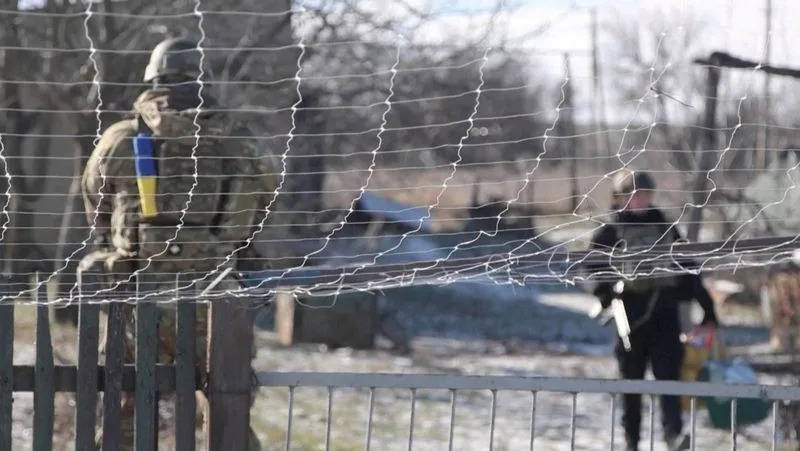
Ukrainian national police officers stand near an anti-drone net, during an evacuation of residents from the Tavriiske and Yurkivka villages in Ukraine's Zaporizhzhia region, amid Russia's attack on Ukraine, in this screengrab from a video, February 3, 2026. Reuters TV via REUTERS
Ukraine's military reports intensified fighting in recent weeks across key sectors of the southeastern front, particularly around the town of Huliaipole, about 40 km (25 miles) east of Tavriiske. Villages in and around Tavriiske sit in a pronounced bulge of the frontline, with Russian positions on three sides.
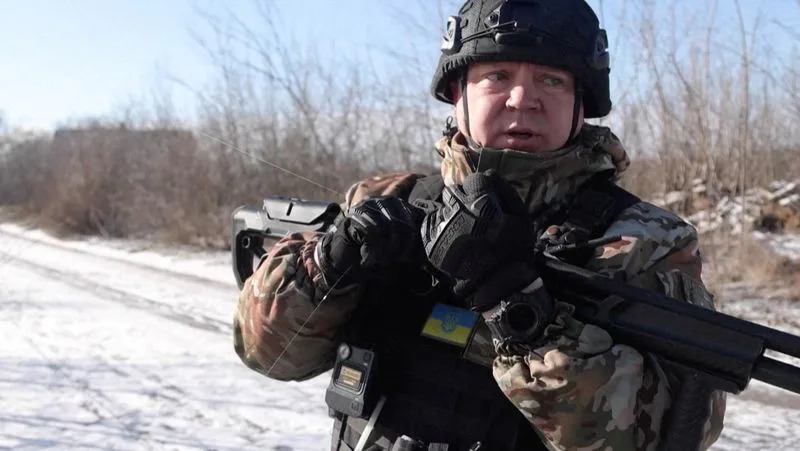
Ukrainian national police officer, holding a shotgun used as a counter-drone weapon, holds a drone fibre-optic cable, during an evacuation of residents from the Tavriiske and Yurkivka villages in Ukraine's Zaporizhzhia region, amid Russia's attack on Ukraine, in this screengrab from a video, February 3, 2026. Reuters TV via REUTERS
Evacuations, Voluntary Rescue Efforts And Anti-Drone Measures
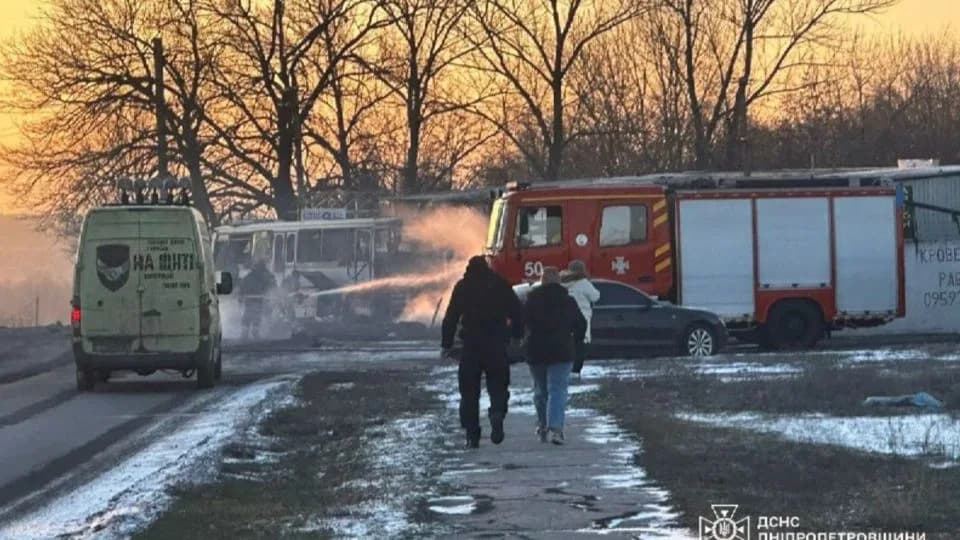
Residents told Reuters during a recent visit that they lived under near-constant threat from drones and bombardment and feared for their lives. Police teams and volunteers patrol the main regional road—now covered with anti-drone netting—to reach and evacuate civilians still in the area. Local officials said almost no families remain around Tavriiske.
“Every day, every week, we see more destruction and a greater risk of entering towns like these,” said volunteer Vlad Makhovskyi, 51, wearing a tactical helmet and gear.
At one scene described by rescuers, two men carried an elderly woman out of a dilapidated house on a bright pink bedsheet as teams moved people to safety. Nataliia Fedorenko, 66, broke down while describing the mounting emotional toll of staying in a war zone and, like Vyshnevska, ultimately decided to leave.
“It's scary. Nobody wants to die. I know I don't have much time left, but this kind of death...?”” she said, her voice trailing off.
The situation underscores the human cost of a conflict that continues to advance even as international efforts seek diplomatic openings.
Reporting: Serhiy Chalyi. Writing: Dan Peleschuk. Editing: William Maclean.
Help us improve.