A new ISGlobal study in The Lancet projects at least 9.4 million additional deaths worldwide by 2030 if recent international aid cuts continue, including about 2.5 million children under five; a deeper-cut scenario could reach 22.6 million. The analysis used data from 93 low- and middle-income countries and compared outcomes against 2023 funding levels. Experts say the human impact is already being felt as clinics close and data collection weakens, and independent estimates suggest hundreds of thousands to over a million excess deaths in 2025 alone from USAID reductions. Policymakers face difficult trade-offs between fiscal priorities and protecting hard-won health gains.
Lancet Study Warns Aid Cuts Since USAID Restructuring Could Cause Millions More Deaths By 2030
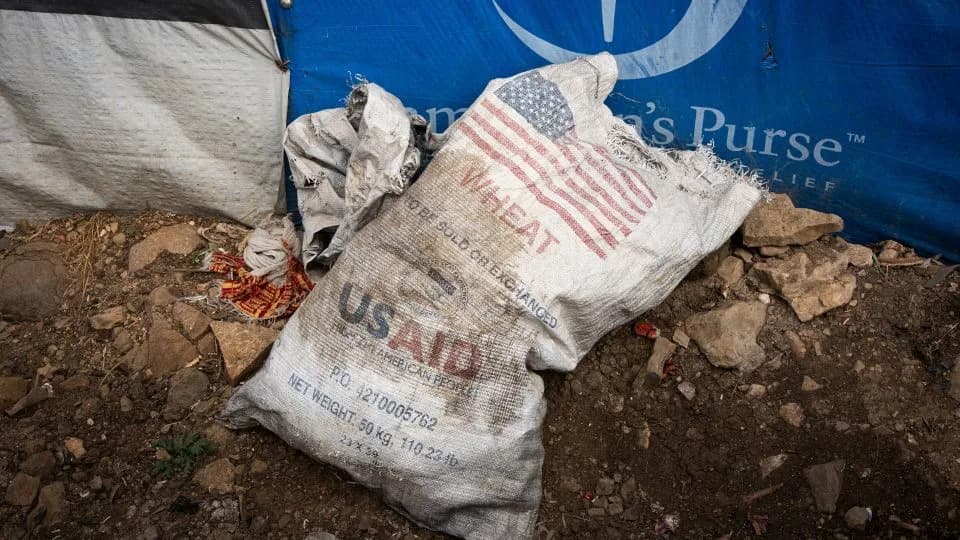
A USAID wheat sack lies outside a shelter in Mekele, Ethiopia, on March 20, 2025. - Ximena Berrazas/Middle East Images/AFP/Getty Images
One year after the US began restructuring the US Agency for International Development (USAID), a new peer-reviewed analysis warns that cuts to overseas development assistance could cost millions of lives by 2030. The Barcelona Institute for Global Health (ISGlobal) study, published in The Lancet, modeled outcomes in 93 low- and middle-income countries and compared projected deaths under continued funding declines with a counterfactual in which aid remained at 2023 levels.
Study Findings and Scenarios
The primary scenario projects at least 9.4 million additional deaths globally by 2030 if recent aid reductions persist; about 2.5 million of those would be children under five. In a deeper-cut scenario that assumes funding falls further through the end of the decade, excess deaths could climb to 22.6 million.

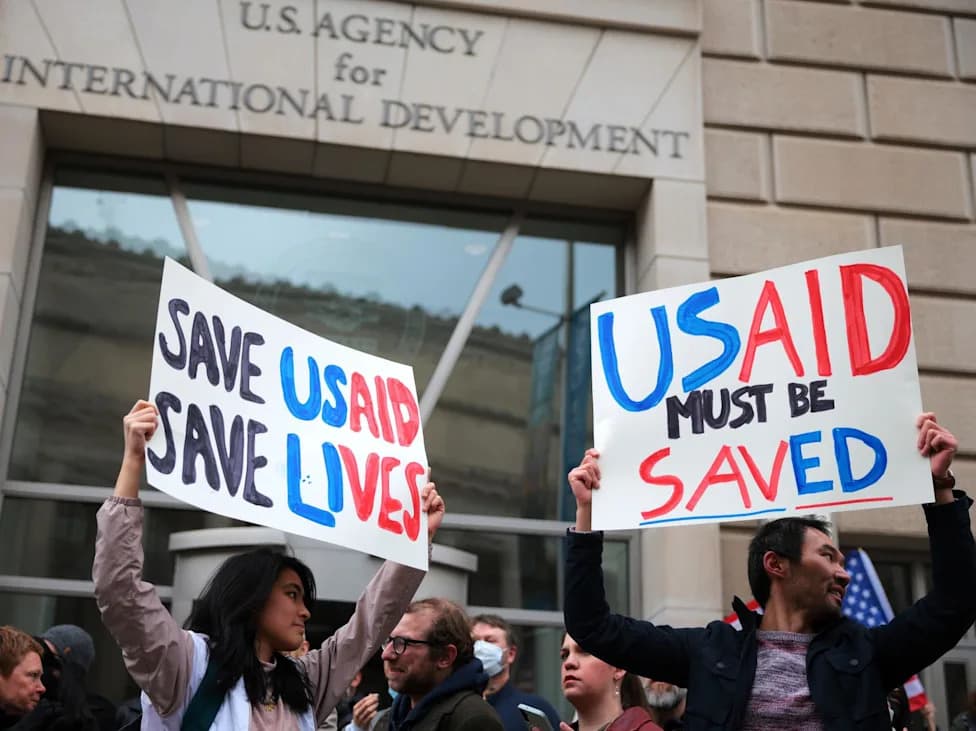
A black plastic shroud covers the signage of the former offices of the US Agency for International Development (USAID) in Washington D.C., on April 24, 2025. - Jonathan Ernst/Reuters
Davide Rasella, the study coordinator and research professor at ISGlobal and the Brazilian Institute of Collective Health, said development assistance is 'among the most effective global health interventions available' and that withdrawing it would reverse progress and lead to millions of preventable deaths.
Context and Historical Impact
The analysis highlights two decades of health gains attributed in part to overseas development assistance: between 2002 and 2021, child mortality among those under five fell by about 39%, deaths from HIV/AIDS declined roughly 70%, malaria deaths fell about 56%, and fatalities from nutritional deficiencies decreased by approximately 56%. Researchers warn that reversing funding risks undoing much of this progress.
On-the-Ground Effects and Data Challenges
Observers say the impact is already visible. Aid reductions have been linked to closures of HIV clinics in South Africa, the end of medical programs in Afghanistan, and the termination of nutrition and other essential services in multiple countries. Humanitarian experts also warn that clinic closures and program shutdowns have degraded routine mortality surveillance, making it harder to measure the full toll.
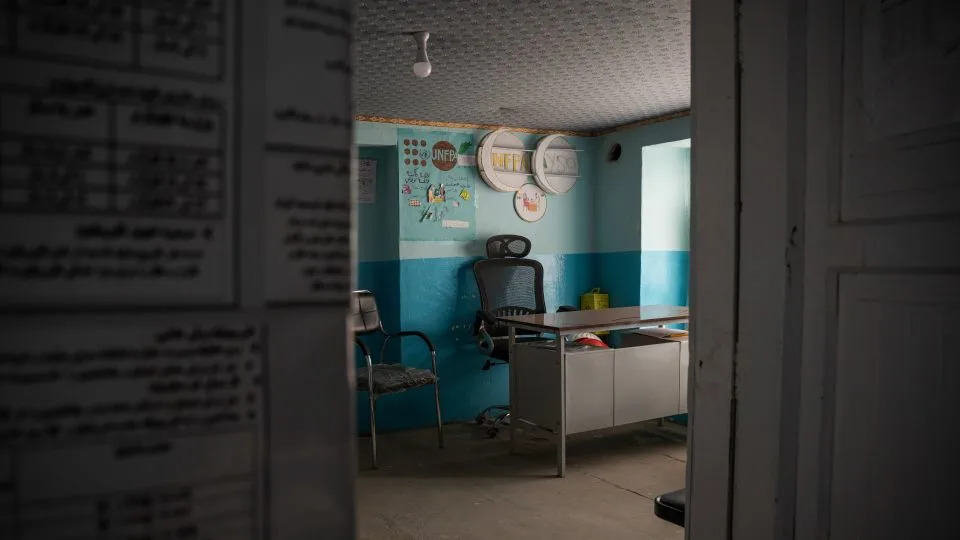
The clinic of Larga, Afghanistan, sits empty in August 2025 since its closure due to US funding cuts, which has left locals in the remote village cut off from health services. - Elise Blanchard/Getty Images
Jeremy Konyndyk, president of Refugees International, told reporters that 'these cuts are already killing people' and that many communities are now 'flying blind' because local health facilities that previously tracked mortality have shut down.
Divergent Views and Additional Estimates
A senior US State Department official criticized the Lancet study and the journal, framing the policy shift as a move away from dependency toward trade, investment and country-led solutions. The administration has emphasized channeling some assistance through bilateral agreements and prioritizing programs tied to measurable outcomes like infectious disease control.
Independent analyses also underscore the stakes. The Center for Global Development (CGD) estimated that the initial USAID reductions may have contributed to between 500,000 and 1,000,000 excess deaths in 2025, and that declines in future commitments could result in 670,000–1,600,000 additional deaths annually.
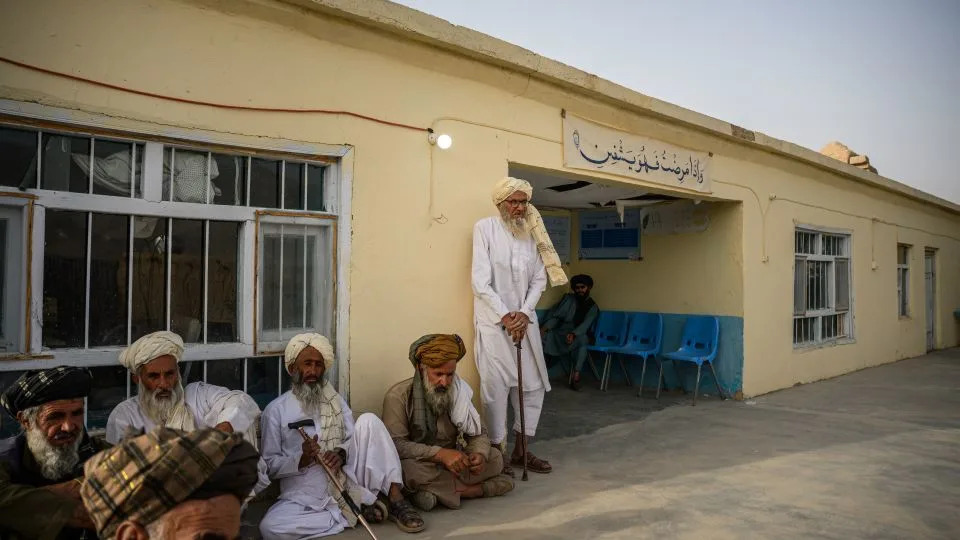
Community health council members sit in front of the clinic of Larga, in Muqur district of Ghazni province, Afghanistan, which closed due to US funding cuts at the end of January 2025. - Elise Blanchard/Getty Images
Policy Responses And Long-Term Risks
Other donor countries, including the United Kingdom, Germany and Canada, have announced cuts that are planned to take effect this year and next, potentially compounding harms. The United Nations has initiated austerity and prioritization measures to protect the most life-saving programs, while some recipient governments have pursued bilateral arrangements to channel aid through national systems.
Experts warn that short-term coping strategies—such as diverting funds from education to food aid, selling assets, taking on unsustainable debt, and removing children from school—will deepen poverty and hinder long-term recovery. They also caution that models carry uncertainty, but agree the broader conclusion is robust: sustained aid reductions risk substantial, avoidable loss of life.
What This Means
If current trends continue, countries with fragile healthcare systems face widespread setbacks in child survival, infectious disease control and nutrition. Policymakers and donors must weigh immediate fiscal choices against long-term health, social and economic consequences.
Source: Study by ISGlobal published in The Lancet; reporting includes statements from humanitarian experts and independent analyses by the Center for Global Development and Refugees International.
Help us improve.