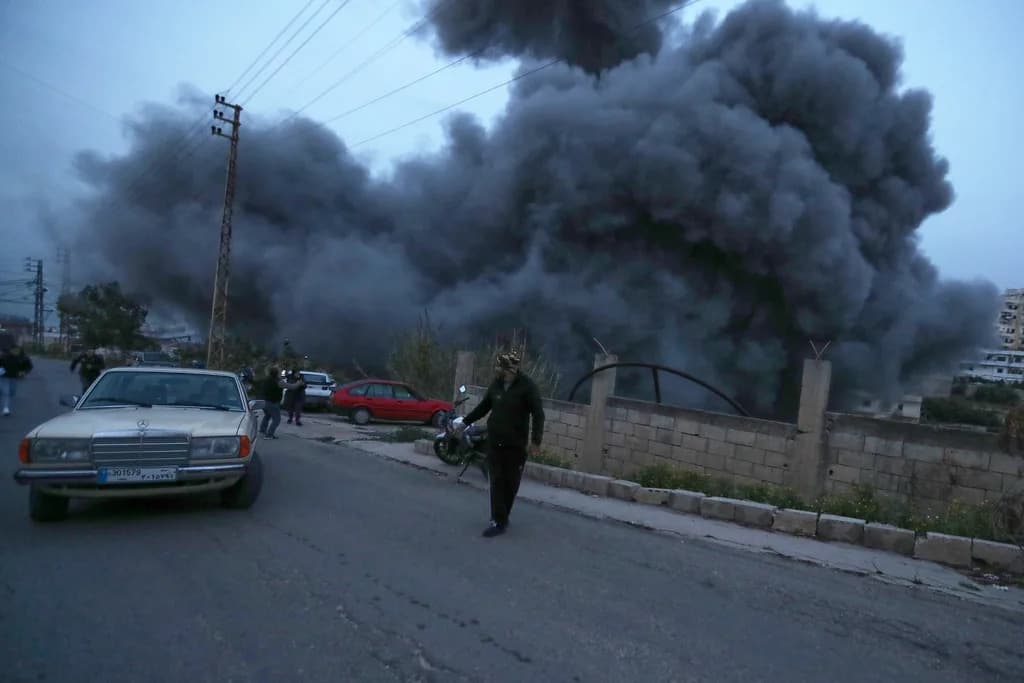
President Aoun accused Israel of committing an "environmental and health crime" after Israeli forces reportedly sprayed an unidentified substance by air over southern Lebanese towns. UNIFIL suspended operations for nine hours and, together with the Lebanese army, collected samples for toxicity testing; the substance's composition remains undetermined. Beirut has documented thousands of alleged ceasefire breaches and is calling on the UN and international community to act under Resolution 1701.
‘Health Crime’: President Aoun Accuses Israel of Aerial Spraying of Unidentified Substance Over Southern Lebanon
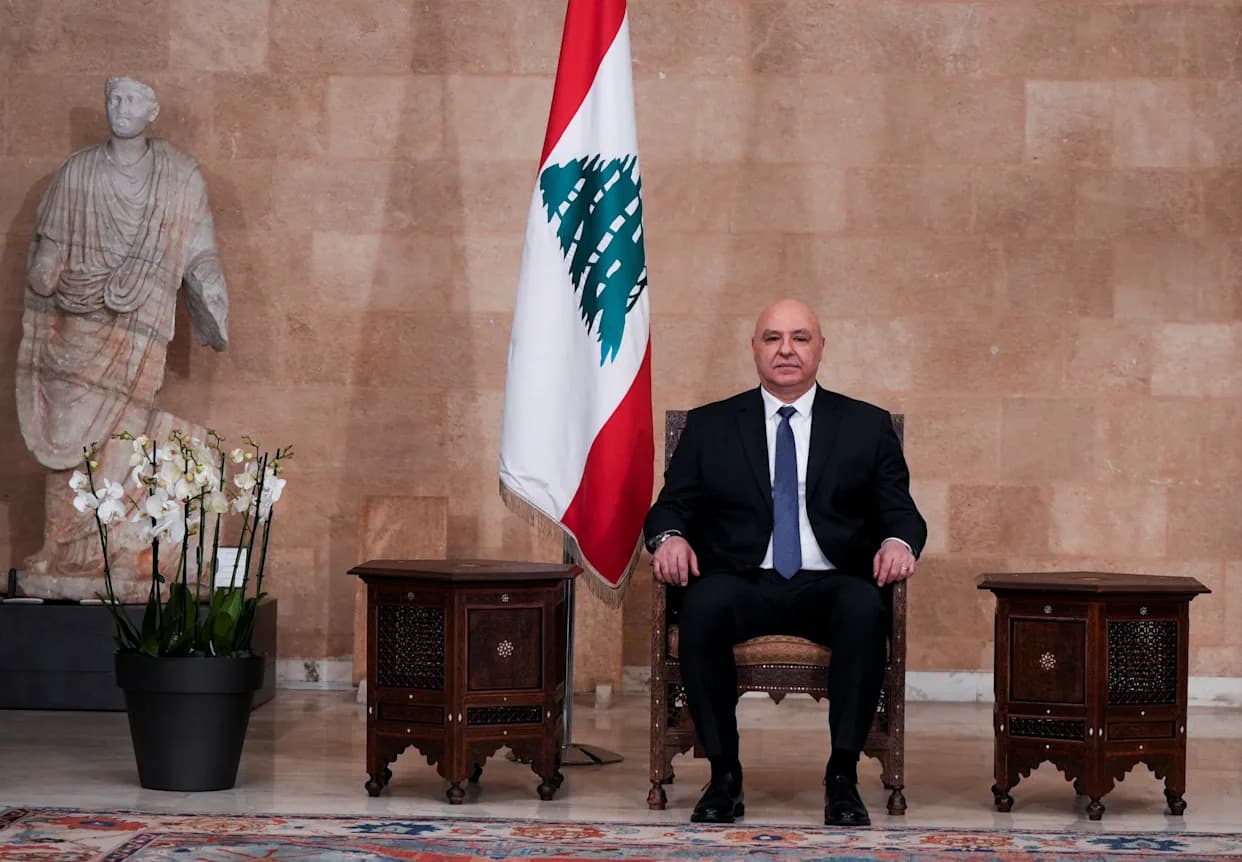
Joseph Aoun, a former army chief, was elected as Lebanon's president early in 2025 [Mohammed Yassin/Reuters]
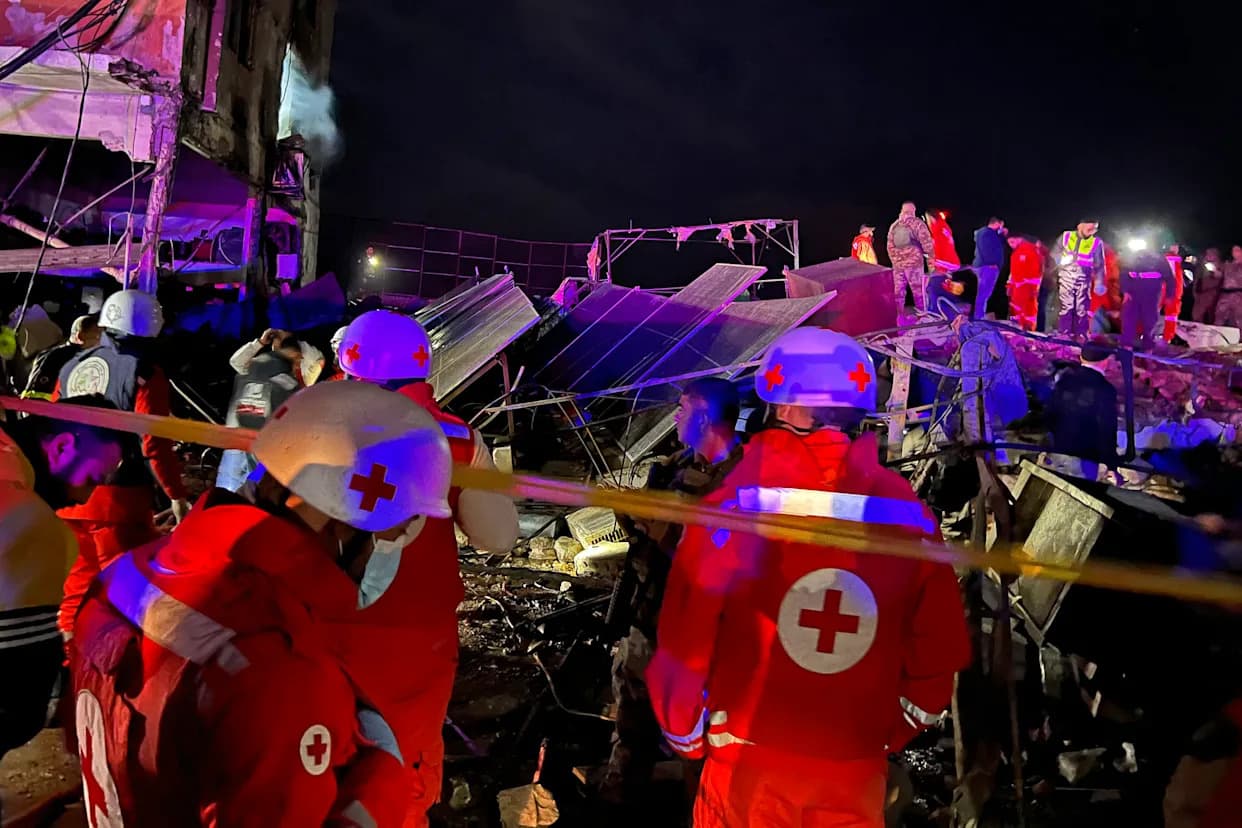
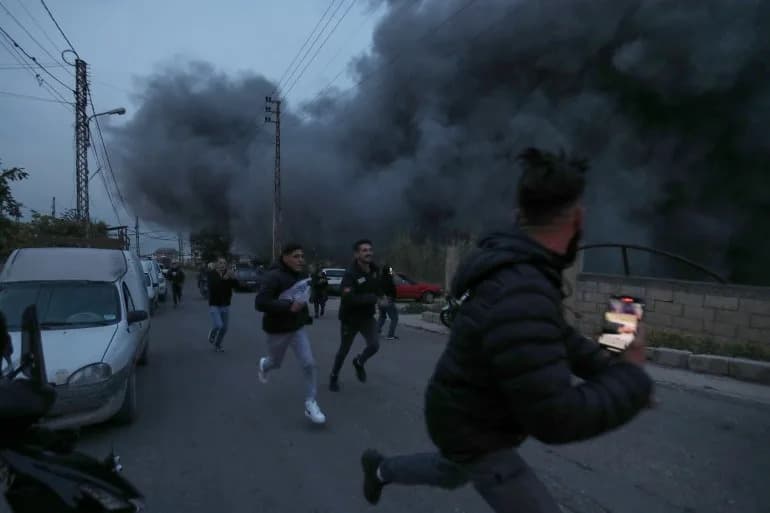
Lebanon’s President Aoun has accused Israel of committing an "environmental and health crime" after Israeli forces reportedly sprayed an unidentified substance from the air over towns in southern Lebanon that Beirut described as toxic.
On Wednesday, President Aoun condemned the action and said he had instructed government bodies to pursue all available diplomatic and legal avenues to "respond to this aggression," calling it a "blatant violation" of Lebanon’s sovereignty.
'This is an environmental and health crime against Lebanese citizens and their land,' President Aoun told Lebanon’s National News Agency.
He called the episode part of a "continuation of repeated Israeli attacks on Lebanon and its people," and urged the international community and relevant United Nations bodies to intervene to protect civilians, farmland and the environment.
UNIFIL Response and Sample Collection
UN peacekeepers in south Lebanon (UNIFIL) said they were informed by the Israeli military that the planned aerial spraying would involve a "non-toxic chemical substance." UNIFIL reported that the warning led the mission to tell peacekeepers to take cover and cancel more than a dozen activities.
Stephane Dujarric, spokesperson for UN Secretary-General António Guterres, said UNIFIL suspended operations for nine hours because of the spraying. UNIFIL later coordinated with the Lebanese army to collect samples of the sprayed substance for laboratory testing; the precise composition and toxicity remain undetermined.
'Any activity that may put peacekeepers and civilians at risk is of serious concern,' Dujarric said, adding that all parties should comply with their obligations under UN Security Council Resolution 1701.
Ceasefire Context and Ongoing Disputes
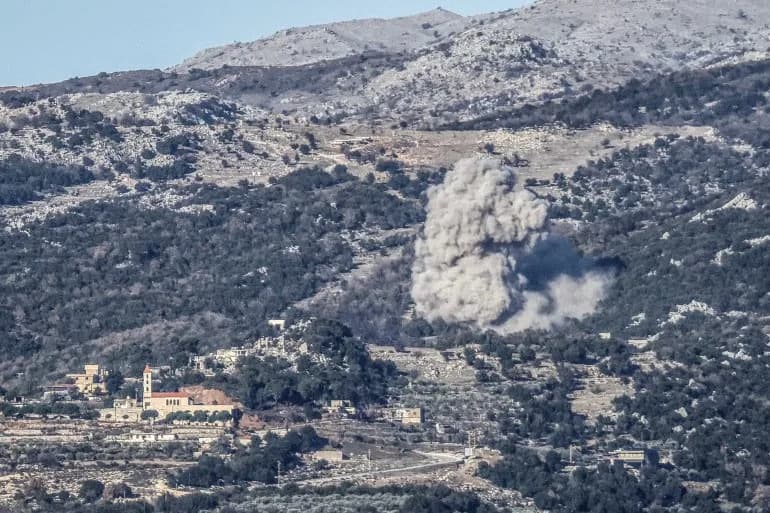
The incident comes amid a fragile ceasefire framework that followed clashes between Israel and Hezbollah. Lebanese officials say Israel has continued near-daily strikes since a November 2024 ceasefire between Israel and Hezbollah, which they contend breach the agreement's terms. UN Security Council Resolution 1701, which helped end the 2006 war between Israel and Hezbollah, remains the legal basis for the ceasefire in south Lebanon.
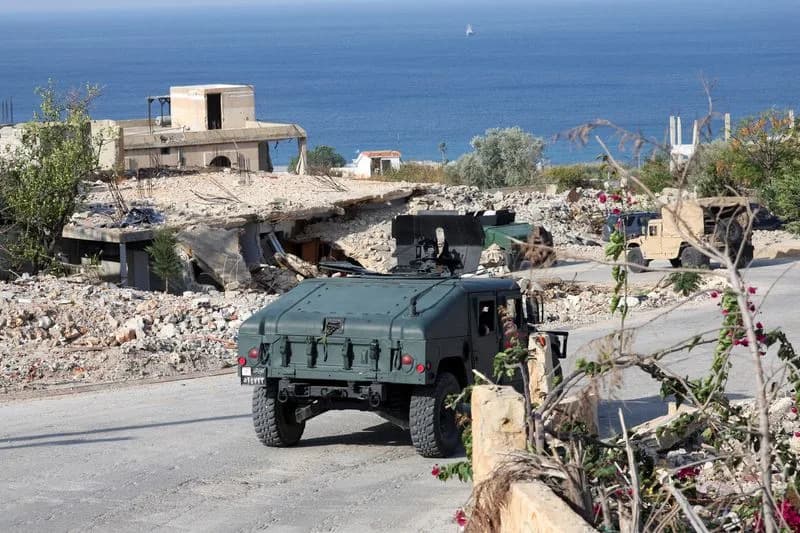
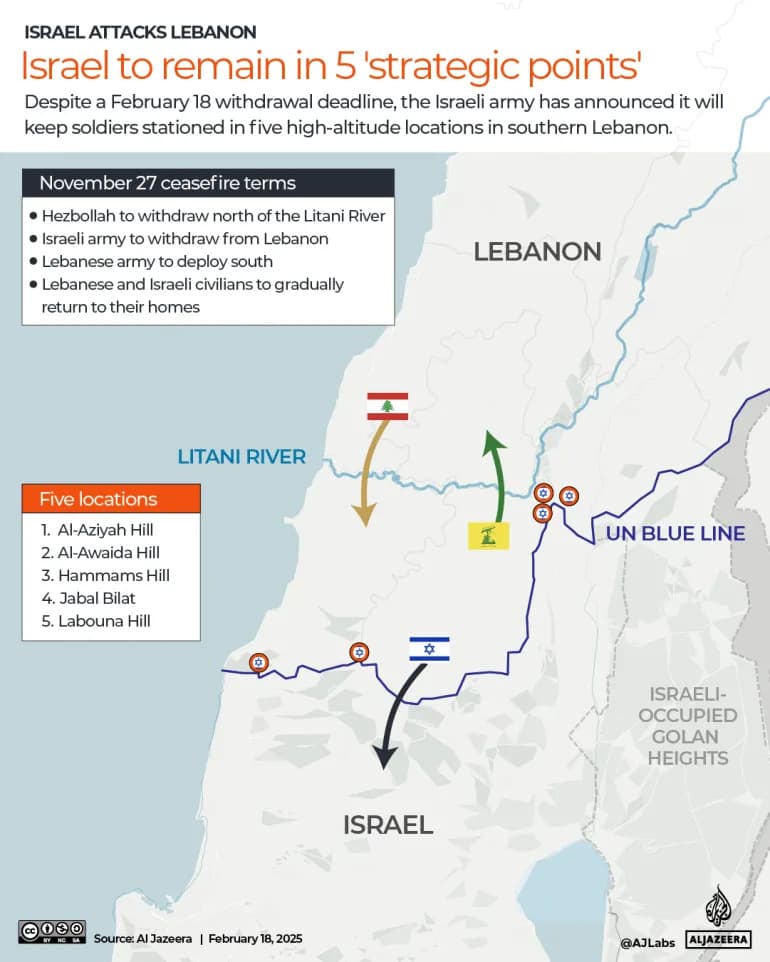
Lebanese authorities say Israel continues to occupy five positions inside Lebanese territory and has hindered reconstruction in several border villages, preventing tens of thousands of displaced residents from returning home. In January, Lebanon’s Ministry of Foreign Affairs submitted a formal complaint to the United Nations documenting 2,036 alleged ceasefire breaches during the final three months of 2025.
Hezbollah, Disarmament And Next Steps
Beirut issued a decree last year calling for the disarmament of Hezbollah — a move the Iran-aligned group called a "grave" mistake. Hezbollah maintains it needs its armed wing to deter Israeli actions, but Lebanese authorities said the group has tacitly accepted the removal of weapons from the area south of the Litani River in line with Resolution 1701. Officials said the clearance of arms from that zone was recently completed, and the next phase of Beirut's disarmament plan aims to cover the region south of the Awali River, roughly 40 km north of the Litani.
For now, the sprayed substance's nature remains unclear and authorities are awaiting laboratory results. President Aoun has ordered government agencies to pursue diplomatic and legal options while urging the UN and international community to take action to prevent further risks to health, agriculture and livelihoods.
Help us improve.